Side-by-Side Cognitive Profiles
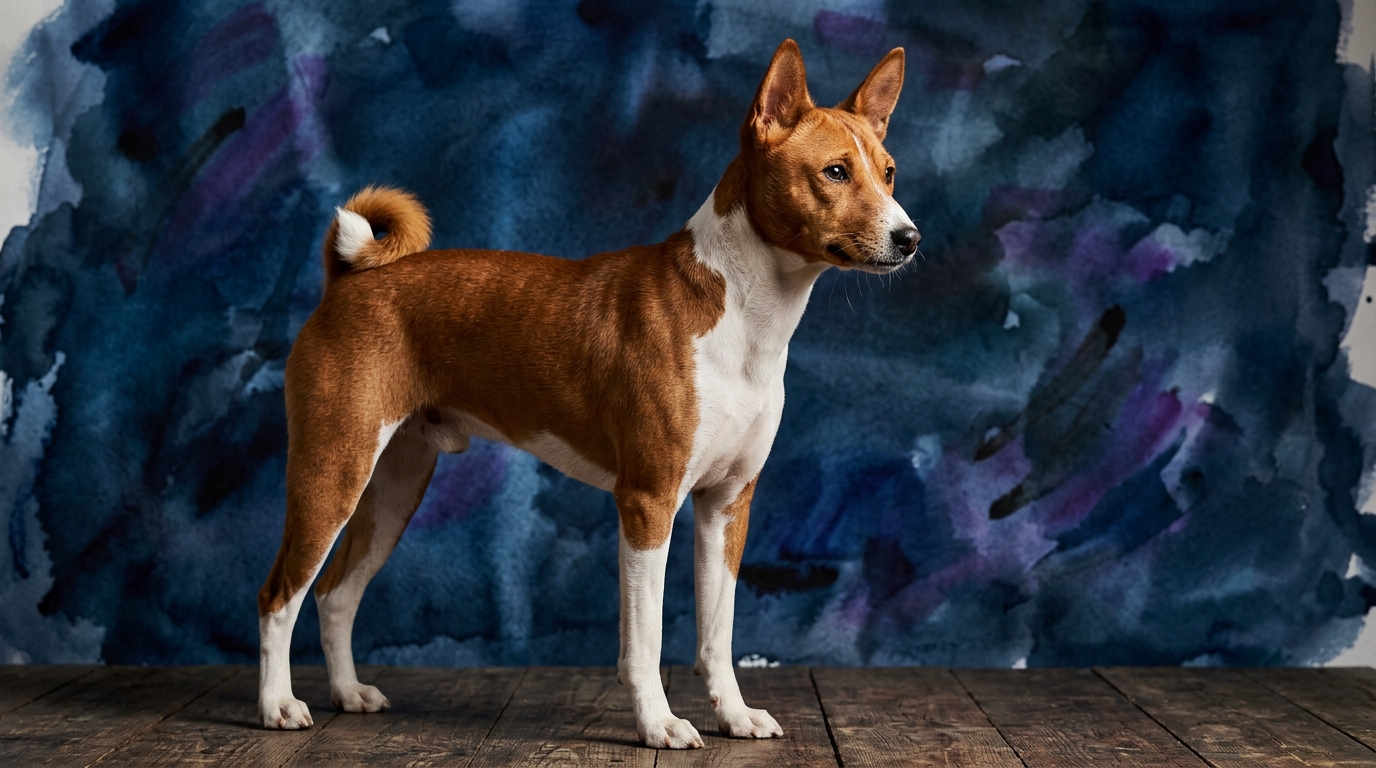
The Basenji, a sighthound originating from Central Africa, often earns a Coren rank of #78, placing it in the category of fair working intelligence. Our Pet IQ Lab assessment reveals a compelling cognitive blueprint for the Basenji: Problem Solving at 5/5, indicating an exceptional capacity for independent thought and overcoming obstacles without human direction. Training Speed, however, registers a low 1/5, suggesting a strong disinclination towards repetitive instruction. Social Intelligence is a moderate 3/5, meaning they can form bonds but might not always prioritize human directives over their own agenda. Instinctive Drive is a powerful 5/5, reflecting their ancient hunting heritage and strong prey drive, while Memory is a robust 4/5, allowing them to recall complex sequences and locations.
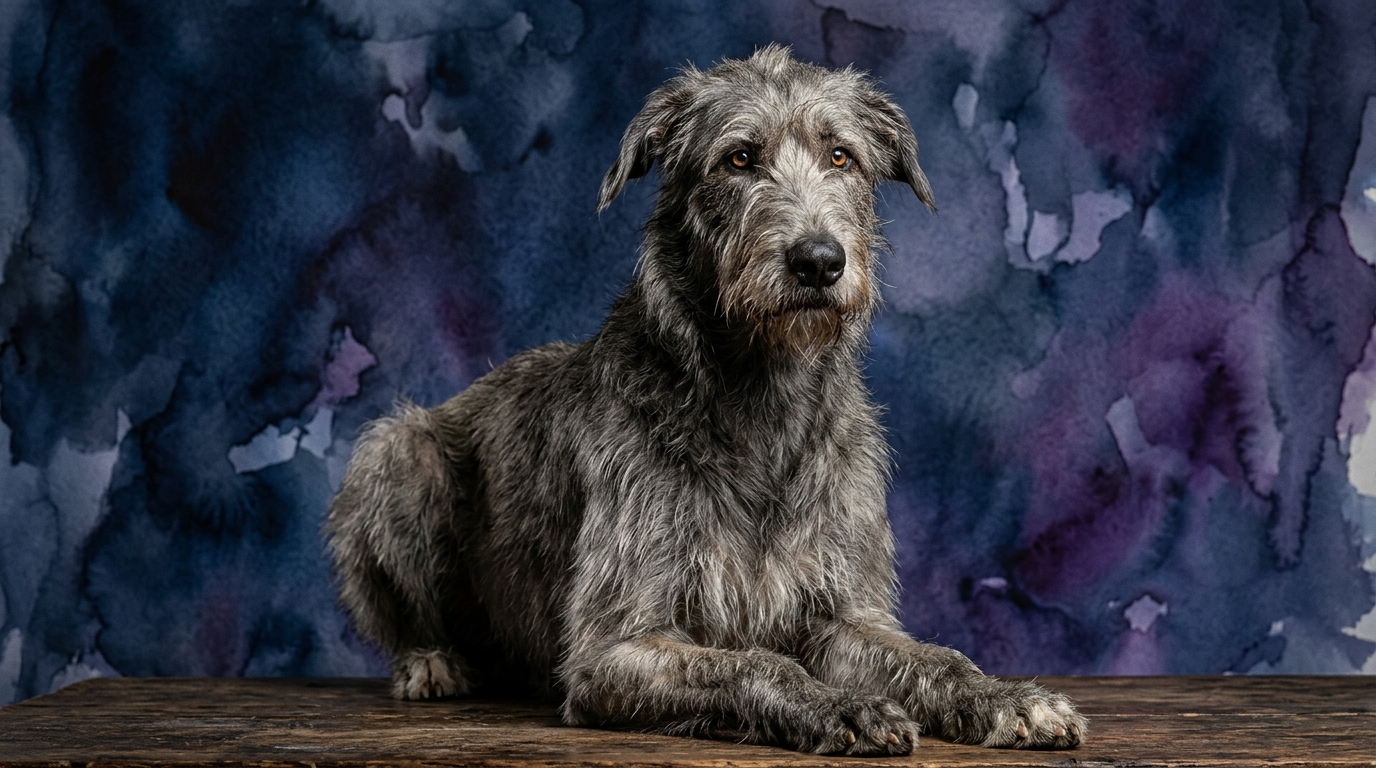
In contrast, the Irish Wolfhound, a majestic giant sighthound, is not Coren-ranked, yet our Pet IQ Lab provides valuable insight into its cognitive makeup. The Irish Wolfhound shows a balanced and moderate profile across the board: Problem Solving is 3/5, indicating a solid ability to figure things out, though perhaps not with the same independent zeal as the Basenji. Training Speed is 3/5, suggesting a reasonable willingness to learn and respond to commands, making them more receptive to instruction. Their Social Intelligence also stands at 3/5, signifying a cooperative nature and capacity for close companionship. Instinctive Drive is 3/5, present but typically less intense and more manageable than the Basenji's, and Memory is also 3/5, providing a reliable but not extraordinary recall of experiences.
Where the Basenji Excels Cognitively
The Basenji's distinct cognitive advantages lie in its exceptional problem-solving abilities and powerful instinctive drive. A 5/5 in Problem Solving means these dogs are adept at figuring out how to open gates, navigate complex environments, or access forbidden items. This isn't just mischief; it's a testament to their self-sufficiency and resourcefulness, a trait honed over centuries of independent hunting.
Furthermore, their 5/5 Instinctive Drive fuels a relentless pursuit of prey or interesting scents, making them highly motivated by their natural inclinations. Paired with a 4/5 Memory, a Basenji can recall intricate escape routes or the location of a buried treasure from weeks past. This combination creates a deeply independent thinker, one who often operates on its own internal logic rather than waiting for human cues.
Where the Irish Wolfhound Shines Cognitively
The Irish Wolfhound's cognitive strengths are found in its balanced and cooperative nature, particularly its Training Speed. With a 3/5 in Training Speed, they are generally more amenable to learning and responding to human instruction than the Basenji. This willingness to engage in the training process makes them more predictable and easier to guide through complex social situations.
While their Problem Solving and Instinctive Drive are moderate at 3/5, this balance can be a significant advantage. They possess enough discernment to navigate daily life without being overly driven by impulse or an insatiable need to outsmart their environment. Their 3/5 Social Intelligence further supports a more harmonious household dynamic, as they are typically more inclined to seek companionship and follow established routines.
Which is Easier to Train and Why
Based on their cognitive profiles, the Irish Wolfhound is unequivocally easier to train than the Basenji. The Irish Wolfhound's Training Speed of 3/5 reflects a moderate receptiveness to learning commands and a willingness to cooperate. Their moderate Instinctive Drive (3/5) means they are less likely to be completely consumed by external stimuli during training sessions, allowing them to focus more readily on their handler.
Conversely, the Basenji's Training Speed of 1/5 is a clear indicator of their challenge in traditional obedience. Their exceptional Problem Solving (5/5) means they're often figuring out how to get what *they* want, rather than what *you* want. Coupled with a powerful Instinctive Drive (5/5), they are quick to follow their noses or spot potential 'prey,' easily overriding any learned commands. Their strong independent nature means training requires immense patience, creativity, and a deep understanding of their unique motivations, often relying on shaping desired behaviors rather than direct instruction.
Suitability for Active vs. Relaxed Owners
The Basenji, with its intense Instinctive Drive (5/5) and high Problem Solving (5/5), thrives with active owners who enjoy engaging with a highly independent and curious animal. They require consistent mental stimulation and physical outlets to channel their energy, making them suitable for individuals who appreciate a challenge and are prepared for a dog that will always keep them on their toes. Their resourcefulness means owners must be proactive in managing their environment to prevent escapes or unwanted explorations.
The Irish Wolfhound, characterized by more moderate drives and a balanced cognitive profile, suits owners who appreciate a calm, companionable presence, even if their physical size demands space. While they need regular exercise, their cognitive makeup doesn't demand the same constant intellectual sparring as a Basenji. They are typically more content with a relaxed household routine and gentle, consistent engagement, making them a better fit for owners seeking a more laid-back yet still engaged canine partner.
The Verdict: When to Choose Each
The Verdict
Choose a Basenji if you are an experienced, active owner seeking a highly independent, problem-solving companion who thrives on mental challenges and you're prepared for an unconventional training journey.
Opt for an Irish Wolfhound if you desire a gentle giant, a cooperative companion who is more amenable to training and fits well into a calm, yet adequately active, family environment.
🧠 Find Your Pet's IQ Score
Our Pet IQ Lab assessment covers 25+ tests across 5 cognitive dimensions — personalized to your breed.
Take the Full IQ Test →Frequently Asked Questions
Are Basenjis truly difficult to train?
Yes, Basenjis are often considered challenging to train in traditional obedience due to their 1/5 Training Speed and high independent problem-solving. They respond best to positive reinforcement, short sessions, and owners who understand their sighthound instincts.
Do Irish Wolfhounds need a lot of mental stimulation?
Irish Wolfhounds benefit from consistent mental engagement, but their 3/5 Problem Solving and Instinctive Drive mean they don't typically demand the intense, constant intellectual challenges a Basenji might. Regular training, puzzle toys, and social interaction are usually sufficient.
Which breed is better for a first-time dog owner?
For a first-time dog owner, the Irish Wolfhound's more balanced cognitive profile, including its 3/5 Training Speed and moderate drives, generally makes it an easier and more forgiving choice compared to the highly independent and challenging Basenji.