Side-by-Side Cognitive Profiles
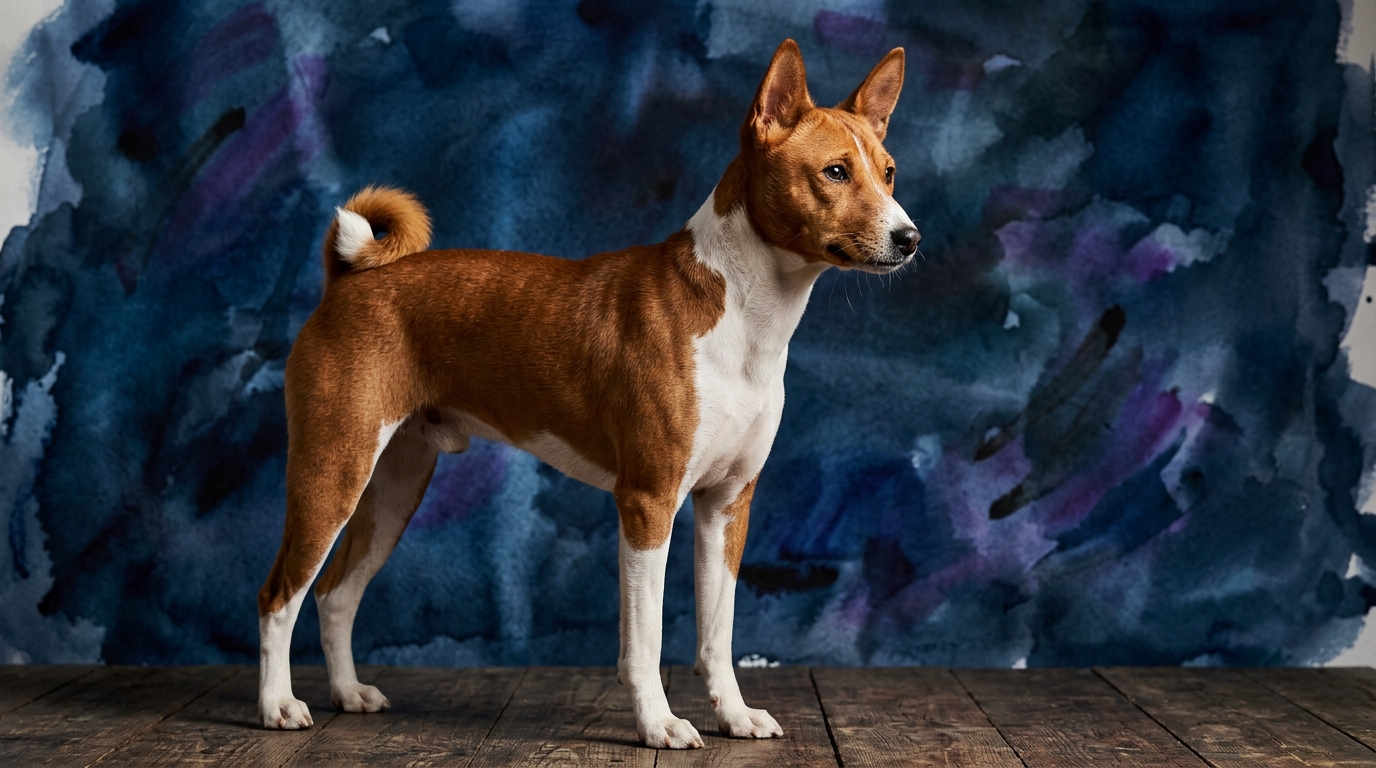
The Cosmic Pet Pet IQ Lab employs five key dimensions to evaluate canine intelligence, offering a nuanced understanding beyond simple obedience. For the Basenji, ranked #78 by Coren, its profile highlights a unique blend of traits: Problem Solving at 5/5, Training Speed at 1/5, Social Intelligence at 3/5, Instinctive Drive at 5/5, and Memory at 4/5. This suggests a highly resourceful but challenging learner with strong innate urges.
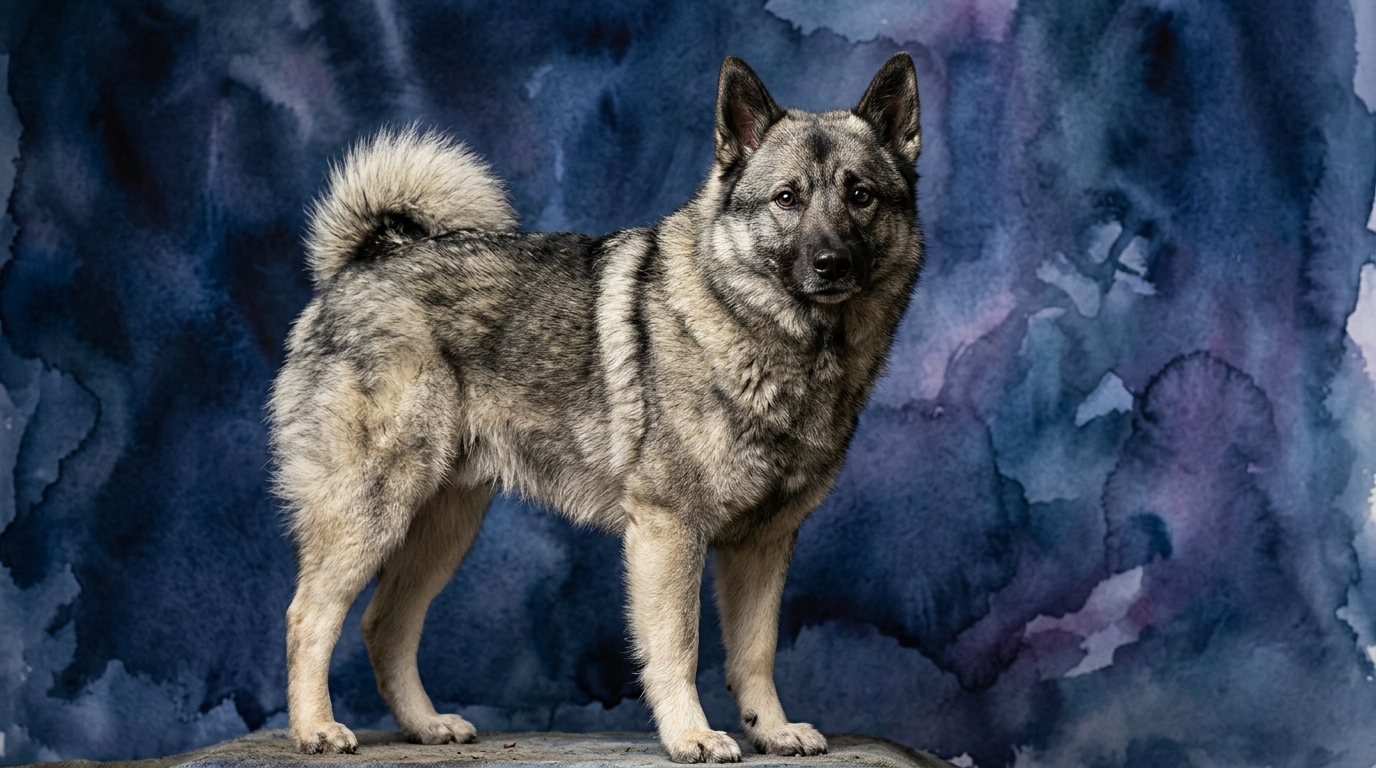
In contrast, the Norwegian Elkhound, holding a Coren rank of #36, presents a different cognitive blueprint: Problem Solving at 4/5, Training Speed at 4/5, Social Intelligence at 3/5, Instinctive Drive at 3/5, and Memory at 4/5. This indicates a capable problem-solver who is also more amenable to training, possessing a balanced set of social and instinctive qualities.
Where the Basenji Excels Cognitively
The Basenji truly shines in its Problem Solving ability, scoring a perfect 5/5. This isn't about solving human-presented puzzles but rather their remarkable capacity for independent thought and ingenuity in navigating their environment. Basenjis are adept at figuring out how to open gates, raid pantries, or creatively access forbidden spaces, often devising solutions that surprise their human companions. Their cunning is a hallmark of their intellect, reflecting a deep capacity for self-directed strategy.
Furthermore, the Basenji's Instinctive Drive is rated at 5/5, indicating an exceptionally strong connection to their ancestral hunting behaviors. This high drive translates into acute sensory perception, relentless tracking abilities, and an unwavering focus when pursuing an interesting scent or movement. While challenging for owners, this intense drive showcases a profound, innate intelligence geared towards survival and exploration, making them incredibly self-sufficient in certain contexts.
Where the Norwegian Elkhound Leads Cognitively
The Norwegian Elkhound's significant cognitive advantage lies in its Training Speed, achieving a 4/5 score compared to the Basenji's 1/5. This higher score reflects the Elkhound's greater willingness and aptitude for learning and executing human-directed commands and tasks. They tend to grasp new concepts and routines more quickly, showing a cooperative spirit that makes structured training sessions more productive and rewarding. Their desire to engage with and please their owners plays a crucial role in their faster learning curve.
While their Problem Solving is a robust 4/5, it often manifests in a more collaborative way than the Basenji's independent approach. Elkhounds are capable of thinking through situations, particularly in hunting or tracking scenarios, but they are generally more receptive to guidance and instruction from their human partners. Their cognitive strengths are geared towards effective partnership, making them excellent candidates for activities requiring teamwork and consistent application of learned behaviors.
Training Dynamics: Basenji vs. Norwegian Elkhound
When it comes to ease of training, the Norwegian Elkhound is generally considered the more approachable breed due to its superior Training Speed (4/5). Elkhounds possess a natural inclination to work alongside their humans, absorbing commands and routines with relative efficiency. Their problem-solving skills, while strong, are often channeled into understanding and executing tasks presented by their owners, making them responsive and eager participants in training. This cooperative nature means they are more likely to repeat desired behaviors for reinforcement.
The Basenji, with its 1/5 Training Speed, presents a considerably greater challenge. Their exceptional Problem Solving (5/5) is frequently applied to independent pursuits rather than following human directives, often leading to what's perceived as stubbornness. A Basenji might understand a command perfectly but choose not to comply if it doesn't align with its own immediate interests or if a more compelling distraction arises, fueled by their 5/5 Instinctive Drive. This translates to a need for highly creative, consistent, and reward-based training methods that can capture and sustain their attention, often requiring owners to out-think their clever canine companions.
Suitability for Active vs. Relaxed Lifestyles
Both breeds require active engagement, though the nature of that activity differs significantly. The Norwegian Elkhound thrives with owners who enjoy structured outdoor activities and cooperative endeavors. Their balanced Instinctive Drive (3/5) and higher Training Speed (4/5) make them excellent partners for hiking, jogging, dog sports like agility or obedience, and even carting. They need consistent physical exercise combined with mental challenges that allow them to work with their owner, ensuring their energy is channeled productively and preventing boredom-induced behaviors like excessive barking.
The Basenji, while appearing more relaxed indoors, demands a different kind of active owner—one who appreciates and can manage their intense independent spirit and high Instinctive Drive (5/5). They need secure environments for off-leash running, such as lure coursing, to satisfy their powerful prey drive. Owners must be proactive in providing mental stimulation that caters to their 5/5 Problem Solving, like complex puzzle toys or scent work, to prevent them from creating their own, potentially destructive, entertainment. For truly relaxed owners, neither breed is ideal, as both require significant time and effort to thrive, but the Basenji demands a particularly patient and resourceful approach to engagement.
The Verdict
Choose a Basenji if you are captivated by a dog's independent thought, resourcefulness, and unique challenge, and are prepared for a profound, selective bond with a cunning companion.
Opt for a Norwegian Elkhound if you seek a robust, cooperative partner for outdoor adventures and dog sports, valuing a responsive dog that enjoys working closely alongside you.
🧠 Find Your Pet's IQ Score
Our Pet IQ Lab assessment covers 25+ tests across 5 cognitive dimensions — personalized to your breed.
Take the Full IQ Test →Frequently Asked Questions
How does the Basenji's 'barkless' nature relate to its intelligence?
The Basenji's unique 'barkless' trait, often described as a yodel, is a behavioral characteristic rather than a direct indicator of its cognitive capacity. However, their high Problem Solving and Instinctive Drive mean they find other, often clever, ways to communicate their needs or alert their owners, demonstrating their intelligence through varied vocalizations and actions.
Does the Norwegian Elkhound's vocal nature affect its perceived intelligence?
The Norwegian Elkhound's tendency to be quite vocal, particularly with their characteristic 'bay,' is an ingrained trait stemming from their hunting heritage. While it doesn't directly measure their cognitive abilities, their vocalizations are often purposeful, used for communication or alerting, reflecting their awareness and engagement with their environment, which aligns with their solid Problem Solving and Social Intelligence scores.
Which breed is better suited for first-time dog owners?
For first-time dog owners, the Norwegian Elkhound is generally a more manageable choice due to its higher Training Speed and more cooperative nature. The Basenji's strong independence and challenging training speed often require an experienced owner who understands how to motivate a highly self-willed and resourceful breed.