Side-by-Side Cognitive Profile
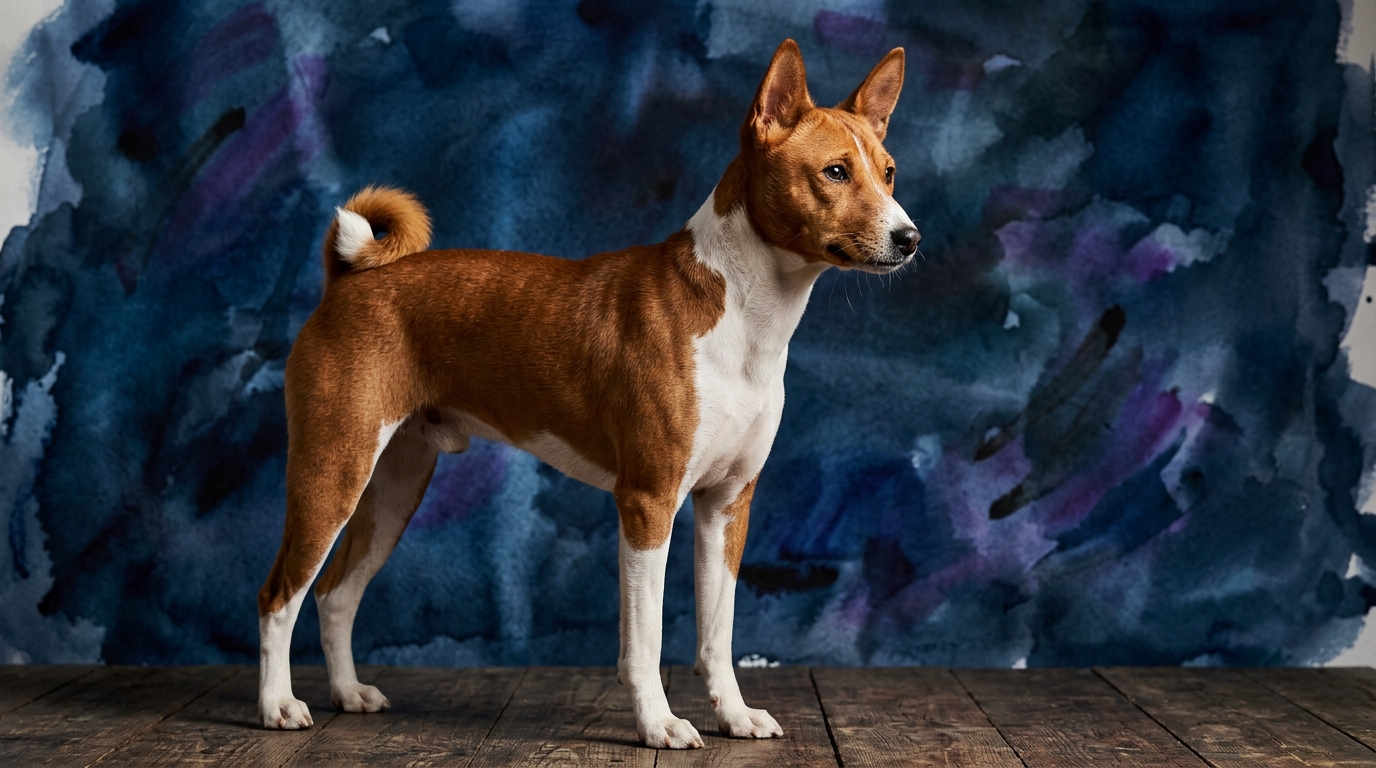
**Basenji (Coren rank #78):** This breed’s cognitive makeup leans heavily into independent thought and environmental engagement. Their **Problem Solving (5/5)** demonstrates a formidable capacity for figuring things out, whether unlocking gates or devising creative ways to reach forbidden treats. This indicates a breed that actively analyzes and manipulates its environment. Their **Training Speed (1/5)** highlights a significant challenge; Basenjis are not typically driven by a desire to please, demanding immense patience and innovative methods from handlers. In **Social Intelligence (3/5)**, while capable of deep bonds with family, Basenjis can be reserved with strangers, interacting on their own terms and not always actively seeking or interpreting human social cues. An exceptionally strong **Instinctive Drive (5/5)** means Basenjis are highly attuned to their surroundings; every rustle, scent, or movement is noted, making them constantly engaged with primal environmental aspects. Finally, a robust **Memory (4/5)** enables them to recall past experiences, learned behaviors, and even negative associations with clarity, impacting future interactions.
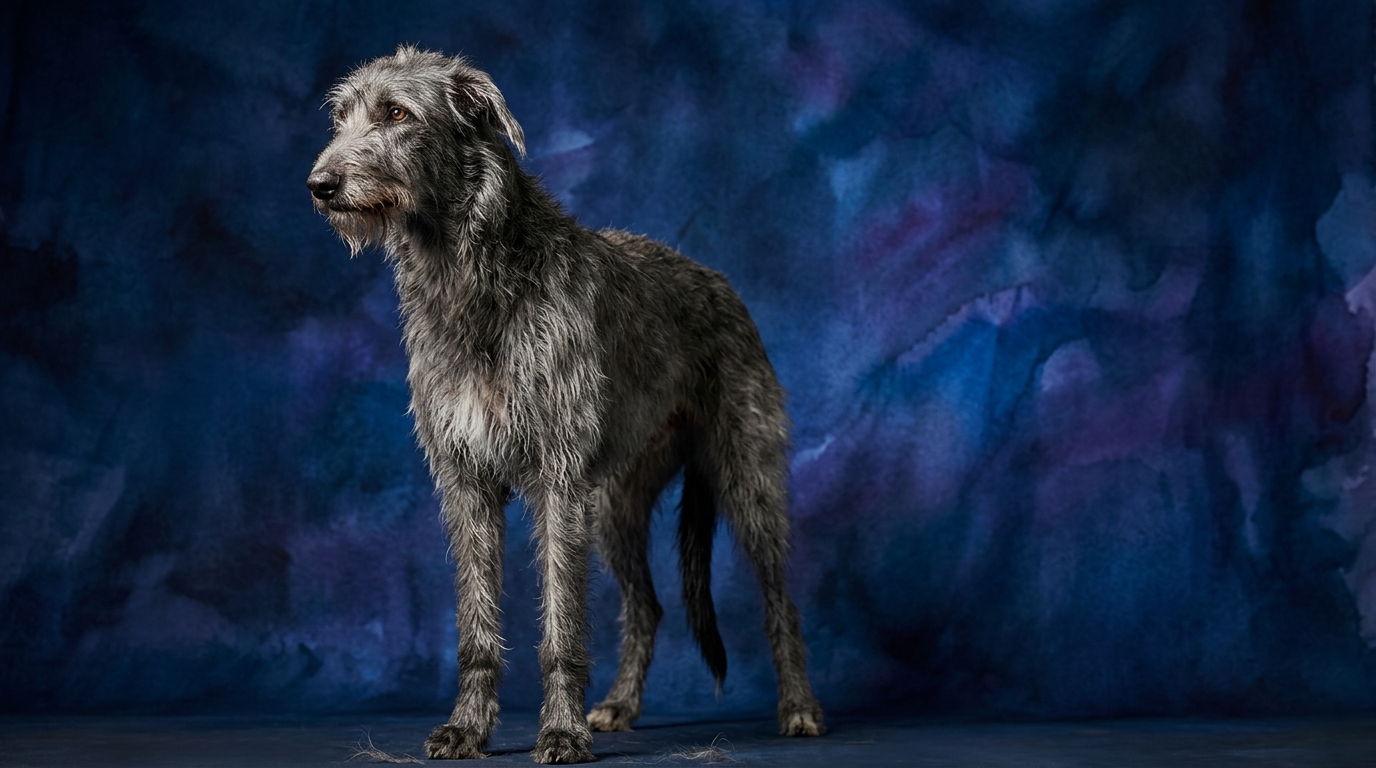
**Scottish Deerhound (Not Coren-ranked):** The Scottish Deerhound’s cognitive profile is characterized by a more balanced and cooperative approach. Their **Problem Solving (3/5)** indicates practical capabilities for routine challenges but generally not a drive to unravel complex puzzles; their approach is typically more straightforward. For **Training Speed (3/5)**, these gentle sighthounds fall into a moderate category, being generally responsive and willing to learn, particularly with positive reinforcement and a kind approach, as they are sensitive to harsh methods. In **Social Intelligence (3/5)**, Deerhounds are known for their polite, gentle nature, forming strong, affectionate family bonds and usually displaying quiet dignity around new people and animals. While retaining a sighthound’s instinct to pursue moving objects, their overall **Instinctive Drive (3/5)** is more moderate. They possess keen awareness but are less constantly 'on alert' than breeds with higher scores. Their **Memory (3/5)** demonstrates adequate retention for learned commands and routines, sufficient for daily living but not marked by intense detail.
Where the Basenji Wins Cognitively
The Basenji’s cognitive profile excels in **Problem Solving (5/5)**. These dogs are adept at analytical thinking, often observed meticulously planning escapes or manipulating objects to achieve a goal. This capacity for understanding cause and effect means a Basenji will continually test boundaries and creatively engage with its surroundings. Their **Instinctive Drive (5/5)** also provides a cognitive edge in environmental awareness. They process sensory information with intense focus, making them exceptional at detecting subtle changes, whether a distant scent or an unusual sound. This heightened alertness translates into constant, active engagement with the world. Furthermore, their **Memory (4/5)** is sharp, allowing recall of complex sequences or past experiences with clarity, impacting future training and interactions.
Where the Scottish Deerhound Wins Cognitively
While the Basenji shines in independent thought, the Scottish Deerhound’s cognitive strengths foster a more harmonious partnership. Their **Training Speed (3/5)** is a significant advantage over the Basenji's 1/5. Deerhounds are generally more amenable to instruction, processing commands with greater willingness to cooperate, making learning smoother. Their moderate **Instinctive Drive (3/5)** also presents a cognitive win for domestic manageability. Deerhounds are less prone to constant overstimulation from every scent or sight. Their internal cognitive landscape tends to be calmer, allowing them to relax more readily and engage less intensely with every environmental stimulus. This mental composure contributes to their gentle nature, less driven by an overwhelming urge to constantly challenge boundaries based on instinct.
Which is Easier to Train and Why
Without question, the **Scottish Deerhound is the easier breed to train**. Their **Training Speed (3/5)** reflects a cooperative nature, sensitivity to handler cues, and general willingness to learn. Deerhounds respond well to positive reinforcement, praise, and gentle guidance, often taking pleasure in pleasing their human companions. Their behavioral makeup is less about independent thought and more about connection, making them receptive to structured lessons. In contrast, the Basenji, with a **Training Speed (1/5)**, presents a substantial challenge. Often described as 'cat-like,' Basenjis possess a strong will and skepticism towards instruction. They don't typically exhibit an inherent desire to please and weigh commands against their self-interest. Training a Basenji requires extreme patience, creativity, and making learning feel advantageous for the dog. This fundamental difference in motivation makes the Deerhound significantly more straightforward for obedience.
Active Owners vs. Relaxed Owners
The cognitive profiles align with different owner lifestyles. The **Basenji** suits **active owners** who thrive on intellectual engagement and are prepared for a dynamic companionship. Their high problem-solving aptitude and intense instinctive drive demand constant mental stimulation and physical outlets. Owners who enjoy creative training and managing a clever, independent spirit will find a rewarding partner. Conversely, the **Scottish Deerhound** is better for **relaxed owners** appreciating a calm, gentle presence. While requiring regular exercise, their moderate instinctive drive and cooperative training speed mean they are generally content with a comfortable routine and quiet companionship, offering a serene choice for a graceful, affectionate dog.
The Verdict
Opt for a Basenji if you are an experienced, patient owner who relishes the intellectual challenge of a highly independent, problem-solving companion and can provide consistent, creative mental engagement.
Select a Scottish Deerhound if you desire a gentle, dignified, and responsive companion who thrives on quiet affection and moderate activity, offering a serene presence in your home.
🧠 Find Your Pet's IQ Score
Our Pet IQ Lab assessment covers 25+ tests across 5 cognitive dimensions — personalized to your breed.
Take the Full IQ Test →Frequently Asked Questions
Are Basenjis truly "barkless" and how does this relate to their social intelligence?
Basenjis typically produce a unique yodel-like sound instead of conventional barking, which reflects their unique communication. This doesn't indicate lower social intelligence; their 3/5 score suggests a discerning rather than overtly demonstrative social approach, interacting on their own terms.
Do Scottish Deerhounds require a lot of space due to their size, and does this impact their cognitive needs?
Scottish Deerhounds are large and benefit from ample space to move, but their cognitive needs aren't directly tied to this. While they need regular exercise, their moderate instinctive drive and problem-solving scores mean they don't require constant intense mental stimulation in the same way some other breeds might.
Can a Basenji and a Scottish Deerhound coexist peacefully given their different cognitive styles?
Coexistence is possible with careful management. The Basenji's high instinctive drive and independent problem-solving might challenge the Deerhound's more serene nature, requiring owner intervention to ensure both dogs feel secure and have their individual cognitive and physical needs met.