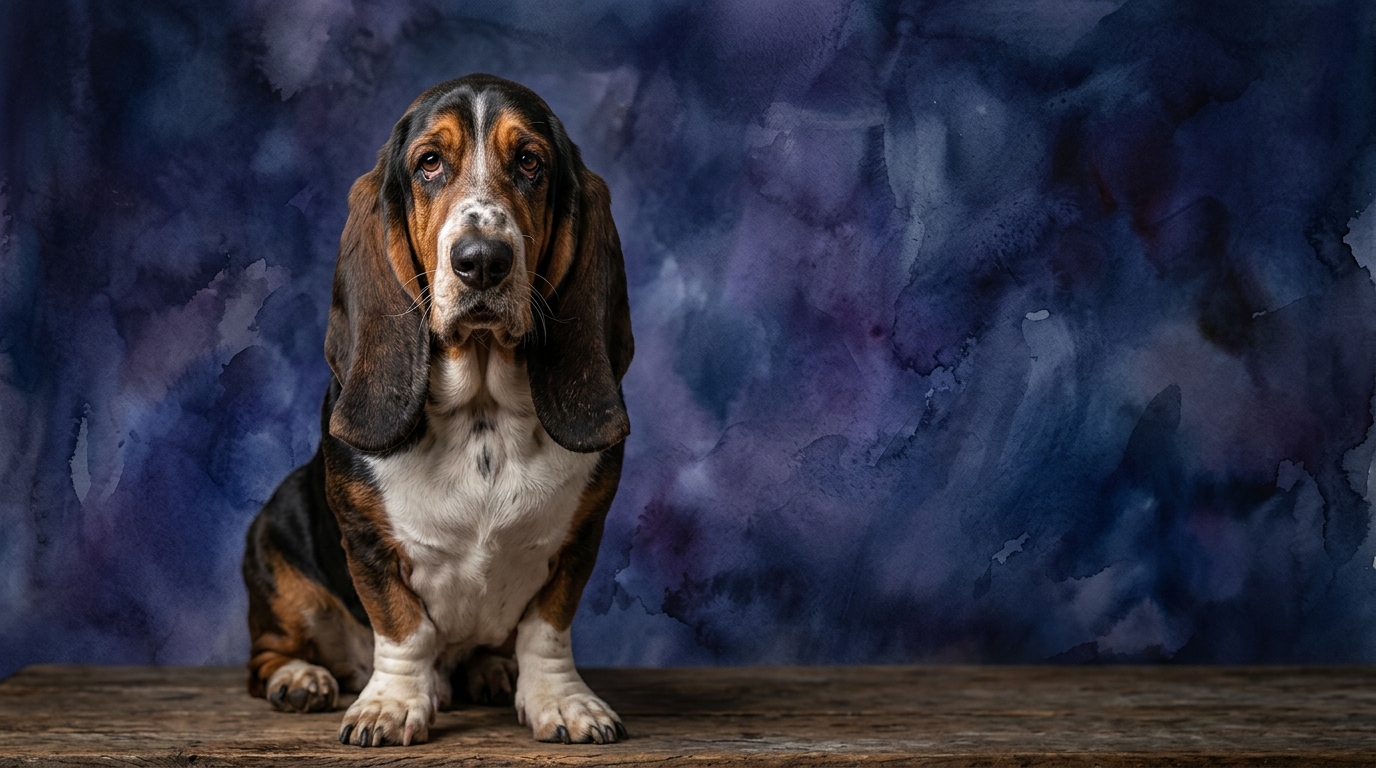
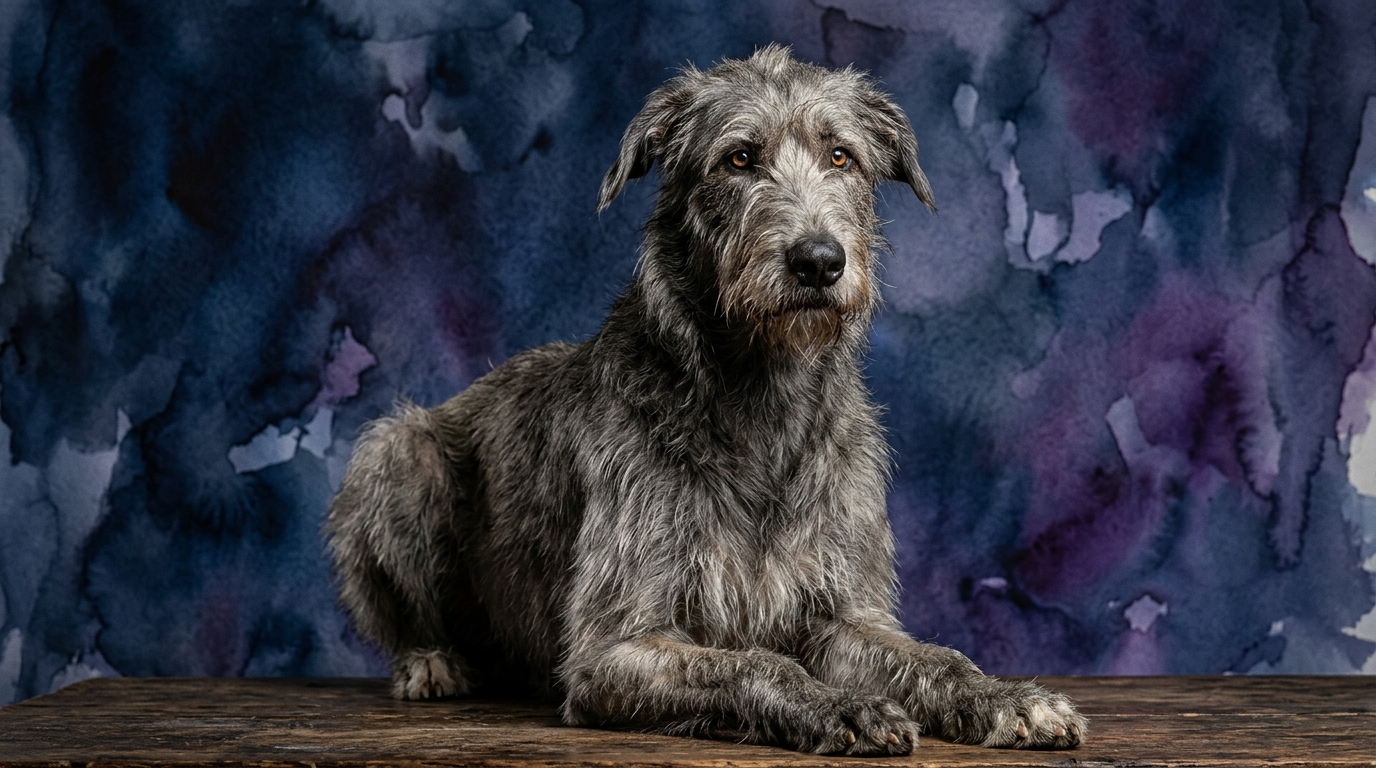
Side-by-Side Cognitive Profile
**Basset Hound - Cognitive Profile**
**Problem Solving (3/5):** Basset Hounds demonstrate a persistent, methodical approach to problem-solving, particularly when a compelling scent is involved. Their cognitive efforts are often directed at intricate navigation and overcoming minor physical barriers to reach a scent source, showcasing a focused, linear thought process rather than rapid strategic shifts.
**Training Speed (3/5):** Learning for a Basset Hound is a steady process, often requiring consistent, positive reinforcement and an understanding of their deep-seated motivations. Their independent nature, particularly when engaged by an olfactory stimulus, means that while they are capable of learning, their progress is more deliberate than swift.
**Social Intelligence (3/5):** These hounds exhibit a calm and generally amiable social disposition, forming deep attachments with their human families and typically coexisting well with other pets. They effectively interpret human emotional states and cues related to comfort or affection, though their strong independent streak can sometimes lead them to prioritize their own interests over immediate human directives.
**Instinctive Drive (3/5):** The Basset Hound's instinctive drive is overwhelmingly centered on scent work, compelling them to follow intriguing odors with remarkable tenacity. This profound olfactory focus is a powerful intrinsic motivator, shaping much of their cognitive engagement with the world around them.
**Memory (3/5):** Basset Hounds possess a reliable memory for established routines, familiar individuals, and, most notably, for locations and experiences tied to rewarding scents. Their capacity to recall complex scent trails over time highlights a robust form of associative memory, deeply integrated with their primary sensory input.
**Irish Wolfhound - Cognitive Profile**
**Problem Solving (3/5):** Irish Wolfhounds typically approach novel situations with a thoughtful, observant demeanor, often assessing their surroundings before initiating action. Their problem-solving might manifest as figuring out how to navigate tight spaces gracefully despite their size or interacting gently with smaller beings, indicating a careful, rather than impulsive, cognitive strategy.
**Training Speed (3/5):** Despite their imposing stature, Irish Wolfhounds are generally quite receptive to training, responding favorably to gentle, consistent methods. Their learning pace is moderate, as they tend to process information steadily and often seek to understand the underlying purpose of a command rather than merely performing rote repetitions.
**Social Intelligence (3/5):** These “gentle giants” display a sophisticated social intelligence, frequently exhibiting empathy and a protective, yet rarely aggressive, temperament towards their family unit. They are skilled at discerning emotional nuances in both humans and other animals, which contributes significantly to their reputation as serene and considerate companions.
**Instinctive Drive (3/5):** While their lineage includes large game hunting, the modern Irish Wolfhound's instinctive drive is more commonly expressed as a vigilant guardianship and a profound desire for companionship. They retain a sighthound's acute visual awareness but temper it with a calm disposition, channeling their drive into a watchful presence rather than relentless pursuit.
**Memory (3/5):** Irish Wolfhounds demonstrate a solid memory for individuals, environments, and learned behaviors, particularly those associated with positive social interactions or comfort. They reliably recall complex social dynamics and household routines, which underpins their stable and predictable temperament within a family setting.
Where the Basset Hound Wins Cognitively
The Basset Hound truly excels in the specialized domain of olfactory processing and sustained, single-minded pursuit of a scent. Their cognitive machinery is uniquely wired to interpret and follow intricate scent trails, demonstrating an unparalleled ability to filter out visual and auditory distractions when a compelling odor is present. This profound focus allows them to solve complex 'scent puzzles,' navigating through varied terrains and overcoming minor obstacles with unwavering determination, where a dog less specialized in olfaction might abandon the task. Their persistence in tracking, often for extended periods, showcases a specific type of cognitive endurance and dedicated problem-solving that is a hallmark of their breed.
Where the Irish Wolfhound Wins Cognitively
Conversely, the Irish Wolfhound exhibits a distinct cognitive advantage in areas related to spatial awareness and nuanced social interaction within a diverse household. Their thoughtful observation of their environment allows them to navigate their large bodies with surprising grace, avoiding collisions and understanding the spatial relationships between objects and individuals. Furthermore, their social intelligence shines in their ability to gently interact with smaller pets and children, demonstrating an understanding of vulnerability and a capacity for restraint that requires subtle cognitive processing. They often display a deep empathy, reading human emotional states and responding with calm, reassuring presence, indicating a sophisticated understanding of social dynamics that goes beyond simple obedience.
Which Is Easier to Train and Why
When considering ease of training, the Irish Wolfhound generally presents a more straightforward experience for most owners. Their disposition leans towards being biddable and eager to please, coupled with a steady processing speed that helps them grasp commands effectively. Their social intelligence means they are often attuned to their handler’s intentions and emotional state, which facilitates communication and strengthens the learning bond. While their large size necessitates early and consistent training for manners and leash work, they respond well to positive reinforcement and clear, calm instruction, making them relatively responsive pupils. The Basset Hound, however, can be a more challenging trainee due to their potent instinctive drive. Their primary motivation often lies in following their nose, which can make them appear stubborn or inattentive when a compelling scent distracts them from a training session. Their independent streak means they require high-value rewards and immense patience, as convincing a Basset to prioritize a human command over an interesting odor demands a deep understanding of their unique cognitive framework and motivations. Training a Basset Hound is more about collaboration and harnessing their natural drives than expecting immediate compliance.
Which Suits Active Owners vs. Relaxed Owners
The choice between these two breeds also hinges on an owner's lifestyle and activity preferences. For relaxed owners, the Basset Hound often proves to be an excellent fit. While they do require daily walks to stay healthy and mentally stimulated, these are typically leisurely strolls where they can indulge their passion for scent exploration. They are not built for intense athletic endeavors and are content with significant periods of napping and lounging at home, making them ideal companions for those who prefer a less demanding exercise routine. However, their cognitive needs for scent work should still be met through engaging sniff games. The Irish Wolfhound, while appearing formidable, also suits owners who appreciate a calmer pace, though they do require more space and a moderate amount of daily exercise to maintain their physical condition and mental well-being. They enjoy long, steady walks or supervised time in a securely fenced yard, but they are not typically hyperactive. Their contentment often comes from being near their family, rather than constant physical activity. Therefore, owners who are active in a gentle, consistent way, and who have ample space for a large dog, will find the Irish Wolfhound a fitting companion.
The Verdict
Choose the Basset Hound if you seek a charming, low-energy companion whose deepest joy lies in exploring the world through scent, and who appreciates a dog with an independent spirit and a knack for olfactory puzzles.
Opt for the Irish Wolfhound if you desire a majestic, gentle giant known for its calm demeanor, empathetic nature, and ability to form deep, protective bonds, provided you can accommodate its size and moderate exercise needs.
🧠 Find Your Pet's IQ Score
Our Pet IQ Lab assessment covers 25+ tests across 5 cognitive dimensions — personalized to your breed.
Take the Full IQ Test →Frequently Asked Questions
Are Basset Hounds difficult to train?
Basset Hounds are not inherently difficult, but their strong scent drive and independent nature require patience and consistency in training. They respond best to positive reinforcement and motivation that acknowledges their love for sniffing and food.
Do Irish Wolfhounds need a lot of exercise?
While large, Irish Wolfhounds have moderate exercise needs, enjoying long, steady walks or free play in a secure area. They are not high-energy athletes but require regular activity to maintain their health and prevent boredom.
Which breed is better with children?
Both breeds can be good with children, but the Irish Wolfhound's gentle, patient nature and social intelligence often make them particularly adept at interacting carefully with young ones. Basset Hounds are also generally tolerant, but their low stature means kids need to be taught gentle handling.