Side-by-Side IQ Profile: Unpacking the 3/5 Score
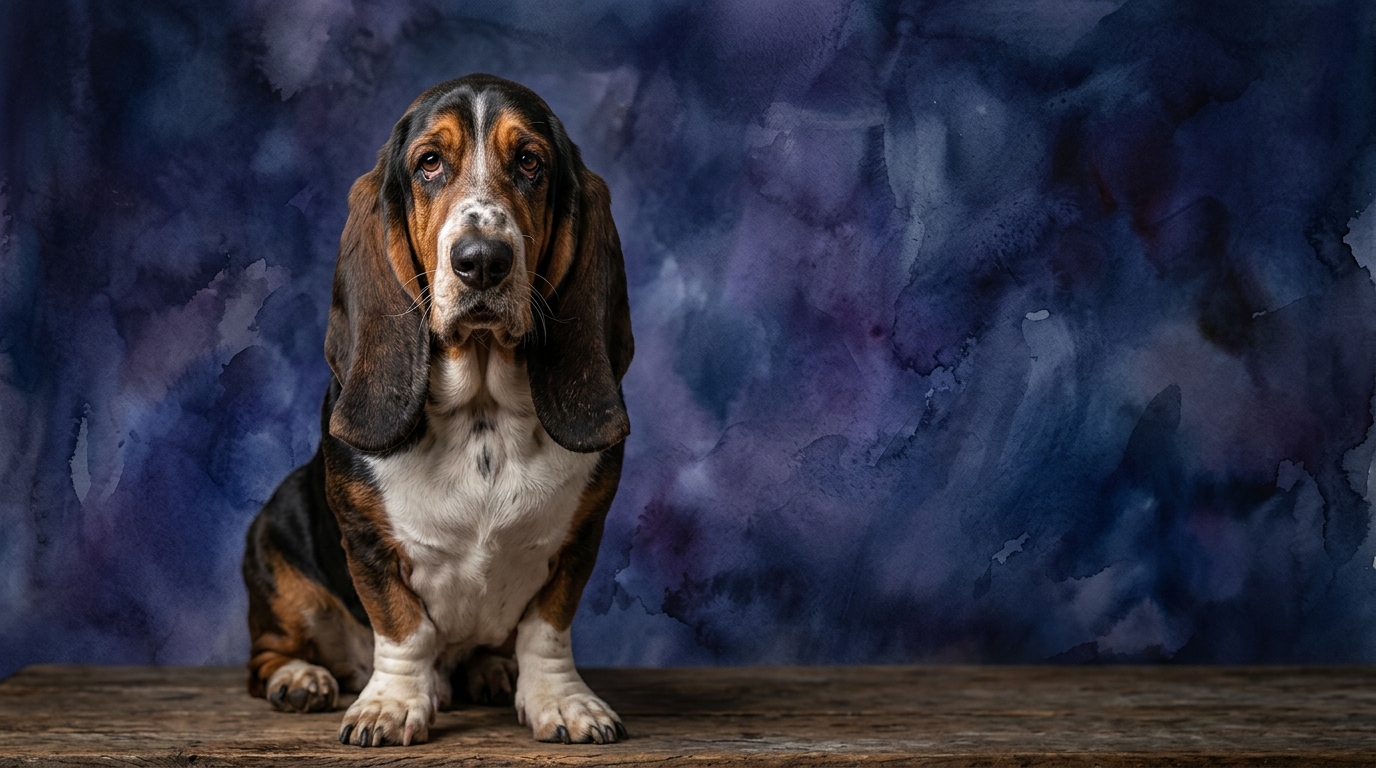
At The Cosmic Pet Pet IQ Lab, we assess canine intelligence across five key dimensions, and it's intriguing to find both the Basset Hound and Miniature Pinscher scoring a consistent 3/5 in each. This 'average' rating doesn't imply a lack of mental capacity, but rather a balanced cognitive aptitude that manifests uniquely in each breed. For the Basset Hound, a Coren rank #71 breed from the Hound group, their 3/5 in problem-solving often involves a methodical, scent-driven approach; they excel at following a trail to its conclusion, even if it takes time. Their training speed, also 3/5, reflects a need for patience, as their independent nature and powerful nose can make them seem less eager to comply with human directives than other breeds. Social intelligence at 3/5 means they are generally amiable but might prioritize an interesting scent over human interaction. Their instinctive drive, a strong 3/5, is almost entirely dedicated to scent tracking, and their memory, another 3/5, is exceptional for remembering specific scents and the routes associated with them.
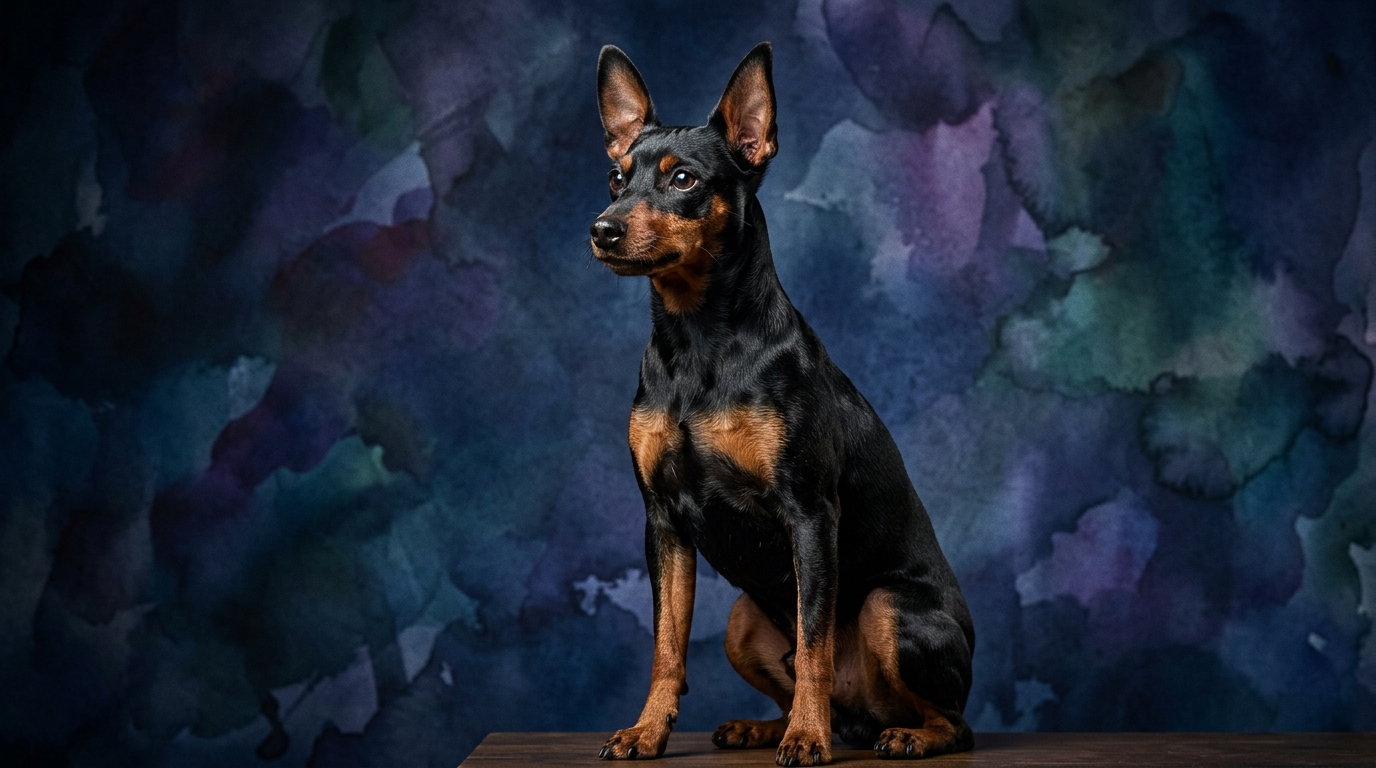
The Miniature Pinscher, a spirited member of the Toy group and not Coren-ranked, also scores 3/5 across the board, but their cognitive expression is remarkably different. Their problem-solving at 3/5 often manifests as a quick, agile assessment of their environment, looking for solutions that involve speed or clever manipulation rather than methodical tracking. Training speed, also 3/5, indicates they can learn commands relatively quickly, but their strong will and occasional 'selective hearing' mean consistency is paramount. Their social intelligence at 3/5 is characterized by a keen awareness of their human's moods and a protective instinct, often expressed through alert barking. Instictive drive, a 3/5 for the Min Pin, leans heavily into prey drive for small vermin and a strong guarding impulse. Finally, their memory, a solid 3/5, is excellent for routines, remembering specific commands, and recalling which people are 'safe' and which are not.
Where the Basset Hound Excels Cognitively
The Basset Hound's cognitive strengths are deeply rooted in their historical purpose as scent hounds. Their problem-solving, while perhaps not rapid, is incredibly persistent and precise when it involves olfactory challenges. A Basset presented with a puzzle feeder that requires nudging or rolling will often apply a steady, unhurried effort until the reward is retrieved, driven by the scent of the treat within. This methodical approach extends to navigating complex environments by scent, an aptitude unmatched by many other breeds. They don't just 'find' something; they reconstruct the path to it with remarkable detail.
Furthermore, their instinctive drive, centered on scent work, grants them a unique form of cognitive endurance. While other breeds might tire of a repetitive task, a Basset Hound can remain engrossed in following a scent trail for extended periods, demonstrating a focused mental stamina that is a testament to their specialized intelligence. This means they are less likely to be distracted by visual cues or noise when on a scent, showcasing a singular dedication in their cognitive engagement that is a clear winning trait for the breed.
Where the Miniature Pinscher Shows Cognitive Prowess
The Miniature Pinscher, with its 'King of Toys' moniker, exhibits cognitive strengths in alertness and adaptability. Their 3/5 problem-solving often involves quick, decisive actions, such as swiftly figuring out how to get to a desired location or manipulating objects with their agile paws and muzzle. Unlike the Basset's slow deliberation, a Min Pin might try several solutions rapidly until one works, showcasing a more experimental and reactive problem-solving style. Their compact size and quick reflexes are mirrored in their mental agility, allowing them to assess and react to changes in their environment with surprising speed.
Their social intelligence, though rated 3/5, often manifests as a nuanced understanding of household dynamics and a protective awareness of their family. A Min Pin is often the first to notice a stranger approaching or an unusual sound, demonstrating a keen observational intelligence that translates into effective communication through barks or body language. This hyper-awareness, combined with their instinctive drive for guarding and vermin control, makes them exceptional sentinels. Their memory for routines and specific people also contributes to a stable home environment, as they quickly learn who belongs and what the daily schedule entails, allowing them to anticipate events and react accordingly.
Training Dynamics: Basset Hound vs. Miniature Pinscher
When it comes to training speed, both breeds are rated 3/5, suggesting a moderate pace of learning, but the 'why' behind this rating differs significantly. The Basset Hound's training requires immense patience and positive reinforcement, largely due to their independent nature and powerful olfactory distractions. A Basset's nose is their world, and once a compelling scent is detected, it can override any command. Training a Basset isn't about their inability to learn, but rather their strong inclination to prioritize their instincts over human requests. They learn best when training is framed as a game that leverages their scent drive, and rewards must be highly motivating. Consistency is key, and owners must understand that a Basset will often 'think' about a command before executing it, weighing it against the more interesting smells around them.
The Miniature Pinscher, while also 3/5 in training speed, presents a different set of challenges. They are often eager to please their primary human, which can aid in faster initial learning. However, their strong-willed personality and tendency towards 'selective hearing' if they deem a task boring or unnecessary can make sustained training difficult. Min Pins thrive on engaging, varied training sessions that challenge their quick minds and prevent boredom. They respond well to clear, consistent commands and can excel in activities like agility or obedience once their independent streak is channeled. Their alertness means they can be easily distracted by novel sights or sounds, requiring a focused training environment. The key difference lies in motivation: Bassets are driven by scent, Min Pins by engagement and a desire for interaction, albeit on their own terms.
Lifestyle Fit: Active Owners vs. Relaxed Owners
Considering their cognitive profiles, the Basset Hound generally suits more relaxed owners, or those who appreciate a leisurely pace and are content with scent-driven activities. While they do require regular exercise, it often takes the form of long, sniff-filled walks rather than intense running or jumping. Their lower energy level and methodical problem-solving style mean they are content to ponder a puzzle toy for a while or simply observe the world from a comfortable spot. Owners who enjoy exploring nature's scents and are patient with a dog that follows its nose will find a Basset a delightful companion. Their social intelligence allows them to bond closely with their family, but they are not typically demanding of constant interaction, making them suitable for owners who appreciate an affectionate but somewhat independent presence.
The Miniature Pinscher, on the other hand, is better suited for active owners who can provide consistent mental and physical stimulation. Their quick problem-solving and higher instinctive drive for guarding and exploration mean they thrive on varied activities, from brisk walks to interactive games and training sessions. An owner who enjoys teaching tricks, participating in dog sports, or simply engaging in frequent, playful interactions will find a Min Pin's cognitive energy a good match. Their social intelligence and alertness mean they are often 'on duty,' observing everything around them, which requires an owner who can manage this vigilance and provide appropriate outlets for their keen senses. Without sufficient engagement, a Min Pin's cognitive energy can turn into undesirable behaviors like excessive barking or destructive tendencies, making them a better fit for owners who embrace an active, hands-on approach to pet ownership.
The Verdict
Choose a Basset Hound if you appreciate a methodical, scent-driven companion who enjoys leisurely exploration and a calm home environment, and you possess the patience for their independent training style.
Opt for a Miniature Pinscher if you desire an alert, agile, and spirited companion who thrives on consistent mental and physical engagement, and you are prepared to channel their quick wit and protective instincts.
🧠 Find Your Pet's IQ Score
Our Pet IQ Lab assessment covers 25+ tests across 5 cognitive dimensions — personalized to your breed.
Take the Full IQ Test →Frequently Asked Questions
Do Basset Hounds get easily distracted during training?
Yes, Basset Hounds are highly scent-driven, which can make them easily distracted by interesting smells during training sessions. Their strong independent nature means owners need to be patient, consistent, and use high-value rewards to maintain their focus and overcome these natural inclinations.
How does a Miniature Pinscher's protective nature affect their social intelligence?
A Miniature Pinscher's protective nature means their social intelligence is often directed towards observing and reacting to their environment, especially regarding perceived threats to their family. They are highly attuned to changes and can quickly assess situations, using barks or body language to alert their owners, showcasing a vigilant form of social awareness.
Can Basset Hounds participate in dog sports like agility?
While Basset Hounds are not typically built for high-speed agility due to their body structure, some do enjoy scent work trials or even slower, more deliberate forms of obedience. Their cognitive strength lies in persistence and scent tracking, making activities like nose work or tracking more suitable outlets for their intelligence than physically demanding sports.