Side-by-Side IQ Profile: Basset Hound vs. Norwegian Elkhound
At The Cosmic Pet Pet IQ Lab, we evaluate canine intelligence across five key dimensions, providing a nuanced understanding beyond simple rankings. Let's delve into the cognitive blueprints of these two captivating hound breeds.
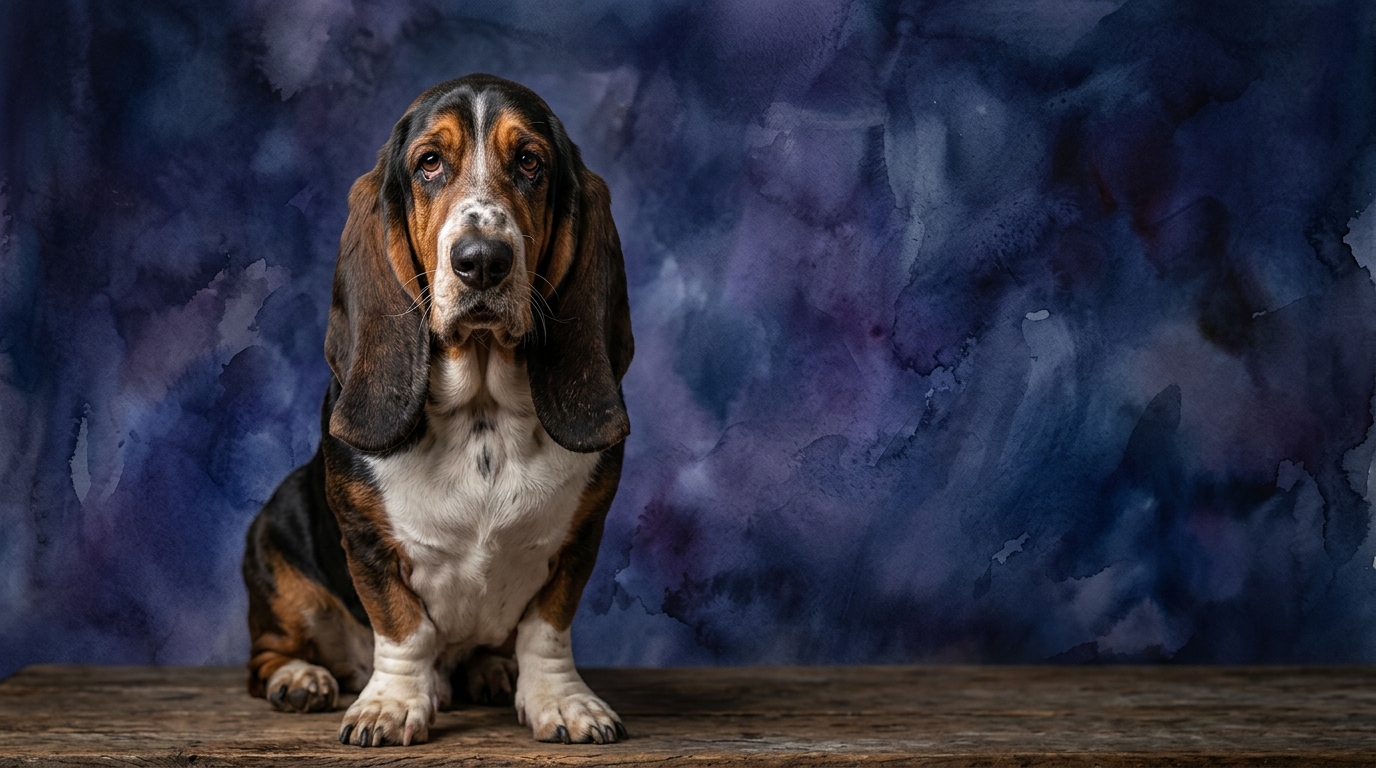
The Basset Hound, ranking #71 on the Coren scale, presents a unique cognitive profile. Their Problem Solving is rated 3/5, reflecting a methodical, persistent approach primarily driven by scent. They excel at figuring out scent trails, not complex abstract puzzles. Training Speed also sits at 3/5; while capable of learning, their independent nature and powerful olfactory distractions often mean training progresses at a deliberate pace. Social Intelligence is 3/5, indicating they are generally amiable and form strong family bonds, though their world can often be dominated by intriguing smells over subtle human cues. Instinctive Drive is 3/5, heavily weighted towards their incredible scenting ability and tracking. Finally, Memory is 3/5, good for remembering familiar scents and routines, but perhaps less reliable for commands if a compelling distraction is present.
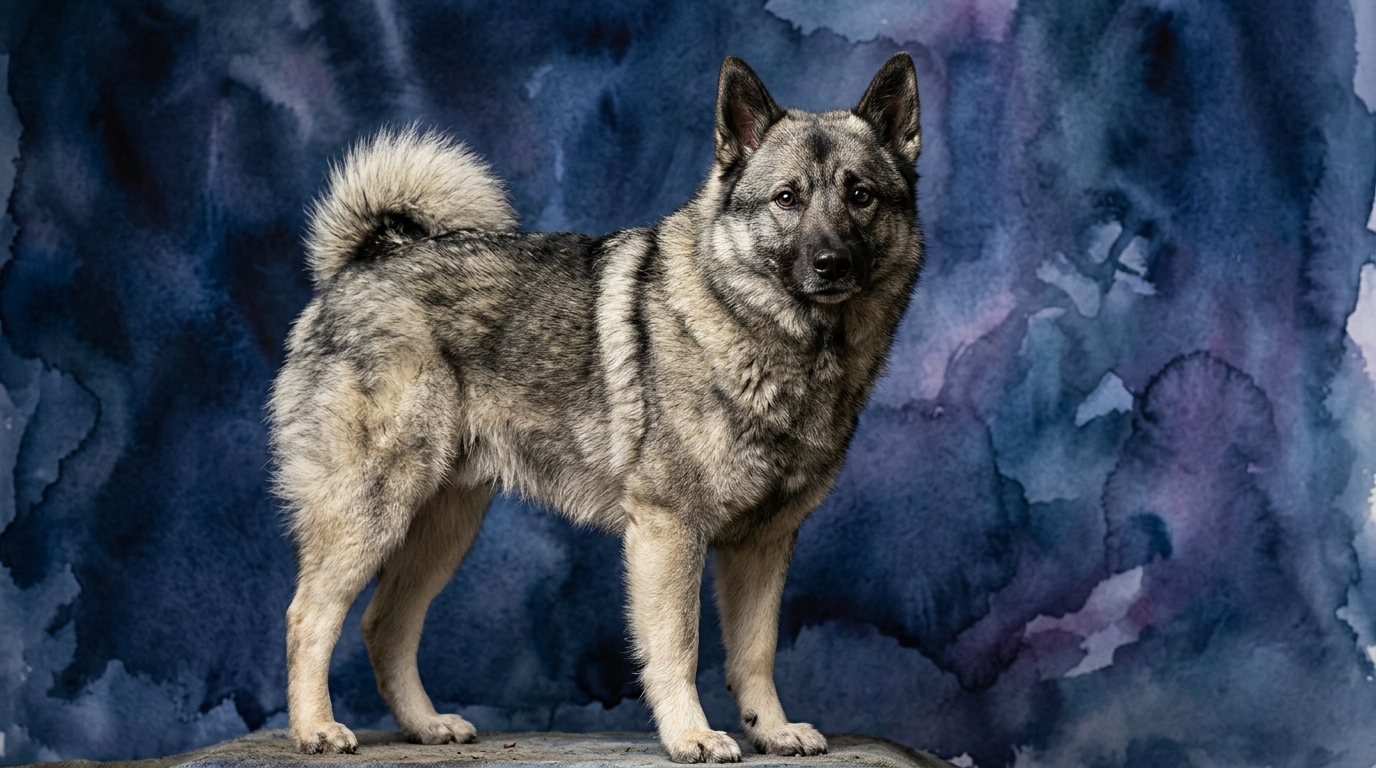
In contrast, the Norwegian Elkhound, with a Coren ranking of #36, exhibits a more agile cognitive framework. Their Problem Solving is rated 4/5, showcasing a capacity for independent thought and resourceful decision-making, particularly in navigating varied terrains or outsmarting game. Training Speed is 4/5; they tend to grasp new concepts and commands relatively quickly, often eager to engage with their handler. Social Intelligence is 3/5, meaning they are deeply loyal to their family and can interpret human intentions, though they might be more reserved with strangers. Instinctive Drive is 3/5, characterized by a strong prey drive, keen sight, and a distinctive baying bark used to hold game. Memory is 4/5, allowing them to retain commands, routines, and learn effectively from past experiences, contributing to their trainability and adaptability.
Where the Basset Hound's Cognition Shines Brightest
The Basset Hound's cognitive strengths are deeply rooted in their specialized purpose: scent tracking. Their 3/5 Problem Solving score, while moderate overall, is a profound strength when applied to olfactory challenges. A Basset doesn't 'solve' a problem with abstract thought; they solve it by methodically, relentlessly following a scent trail until the source is found. This singular focus, often perceived as stubbornness, is a cognitive superpower for their intended work, allowing them to tune out visual and auditory distractions that would derail other breeds. Their instinctive drive, rated 3/5, is almost entirely dedicated to this pursuit, making them unparalleled in sustained scent work.
Furthermore, their moderate social intelligence (3/5) allows them to maintain a calm, unassuming demeanor. They are not prone to overthinking social dynamics or becoming anxious in novel, low-stimulus environments. This placid disposition, combined with a memory (3/5) that reliably stores scent maps, means a Basset Hound excels at navigating familiar territories by smell and maintaining a consistent, low-key presence within the home, valuing comfort and routine over constant mental stimulation. Their cognitive architecture prioritizes persistence and olfactory processing above all else, making them masters of their niche.
Where the Norwegian Elkhound Holds a Cognitive Edge
The Norwegian Elkhound's cognitive profile reveals a dog built for adaptability and independent action in challenging environments. Their 4/5 Problem Solving score reflects a capacity for more complex, varied decision-making beyond a single sensory input. They can assess situations, figure out how to bypass obstacles, or adapt hunting strategies on the fly, demonstrating a greater cognitive flexibility. This is crucial for a breed historically tasked with hunting large game in rugged northern landscapes, where quick, intelligent decisions are paramount for survival and success.
Their superior Training Speed (4/5) and Memory (4/5) also give them a significant advantage in learning and retention. Elkhounds are typically more engaged with their handlers during training, quicker to grasp new commands, and more likely to remember them consistently. This isn't just about rote memorization; it's about connecting actions to outcomes and understanding human cues, which speaks to a broader capacity for associative learning. Their social intelligence (3/5), while similar to the Basset's score, often manifests as a more discerning connection, valuing purpose and partnership in their interactions, leading to a strong, working bond. This combination of faster learning, better recall, and adaptable problem-solving makes them highly capable across a wider range of tasks and situations.
Ease of Training: Understanding Behavioral Differences
When considering which breed is easier to train, the Norwegian Elkhound generally presents fewer challenges due to their higher Training Speed (4/5) and Memory (4/5). Elkhounds often display a keen willingness to learn and please, responding well to consistent, positive reinforcement. Their history as independent hunters also imbues them with a certain self-reliance and focus that, when channeled, makes them receptive to commands. They tend to form strong working partnerships with their owners, eager to engage in activities that provide mental and physical stimulation, making tasks like obedience, agility, or even advanced trick training more straightforward to teach and solidify.
Conversely, the Basset Hound, with its 3/5 Training Speed and powerful instinctive drive, requires a different approach. Their primary motivation often lies in following a compelling scent, which can make competing for their attention a significant hurdle. A Basset might 'forget' a command if a tantalizing smell crosses their path, not out of defiance, but because their cognitive processing is singularly focused on that olfactory input. Training a Basset demands immense patience, high-value rewards (often food-based), and a consistent, positive reinforcement strategy. Owners must understand that while Bassets are capable of learning, their pace is their own, and reliable recall in an open, scent-rich environment will be a long-term project requiring unwavering dedication. Their real behavioral difference lies in their internal compass: the Elkhound looks to its human for direction, while the Basset often looks to its nose.
Matching Breeds to Lifestyles: Active vs. Relaxed Owners
The distinct cognitive and behavioral profiles of these breeds lend themselves to different owner lifestyles. For active owners, the Norwegian Elkhound is an ideal match. Their heritage as resilient hunting dogs means they thrive on purpose, physical activity, and mental engagement. They require regular, vigorous exercise, such as long hikes, running, or participation in dog sports like agility or tracking, to prevent boredom and potential destructive behaviors. Owners who enjoy spending time outdoors and want a dog to accompany them on adventures will find the Elkhound's energy, problem-solving skills, and eagerness to learn a rewarding fit. Their robust memory and trainability mean they can be excellent companions for complex outdoor activities, reliably responding to commands even in varied environments.
For relaxed owners, the Basset Hound is often a more suitable companion. While they certainly need daily walks for exercise and mental stimulation (especially to indulge their powerful nose), their overall energy levels are considerably lower than the Elkhound's. Bassets are generally content with leisurely strolls and ample time spent napping comfortably indoors. Their calm demeanor and lower demand for constant mental challenges make them excellent companions for individuals or families who prefer a more sedate pace of life. Owners who appreciate a dog's independent yet affectionate presence, and are prepared for the specific challenges of scent-driven training, will find the Basset Hound's laid-back nature a perfect complement to a quieter household.
The Verdict
Choose a Basset Hound if you appreciate a calm, amiable companion with an unparalleled dedication to scent, and are prepared for patient, consistent training that respects their unique, nose-driven focus.
Opt for a Norwegian Elkhound if you seek an engaged, adaptable, and quicker-learning partner who thrives on activity, mental challenges, and a strong, purposeful bond in an active lifestyle.
🧠 Find Your Pet's IQ Score
Our Pet IQ Lab assessment covers 25+ tests across 5 cognitive dimensions — personalized to your breed.
Take the Full IQ Test →Frequently Asked Questions
Are Basset Hounds difficult to train?
While not inherently 'difficult,' Basset Hounds require significant patience and high-value motivation due to their independent nature and powerful scent drive. Their training speed is moderate, meaning consistency and understanding their primary sensory focus are key to achieving reliable responses over time.
Do Norwegian Elkhounds need a lot of exercise?
Yes, Norwegian Elkhounds are active dogs that benefit from substantial daily exercise to satisfy their working heritage and robust energy levels. They thrive on activities like long walks, running, hiking, and mental challenges to keep them engaged, content, and prevent boredom or restlessness.
How do their social skills compare?
Both breeds exhibit a moderate level of social intelligence, forming strong bonds with their families. Basset Hounds are generally more universally friendly and placid, while Norwegian Elkhounds can be more reserved or discerning with strangers, preferring their established pack and forming deep, loyal connections within their inner circle.