Side-by-Side Cognitive Profile: Basset Hound vs. Norwegian Lundehund
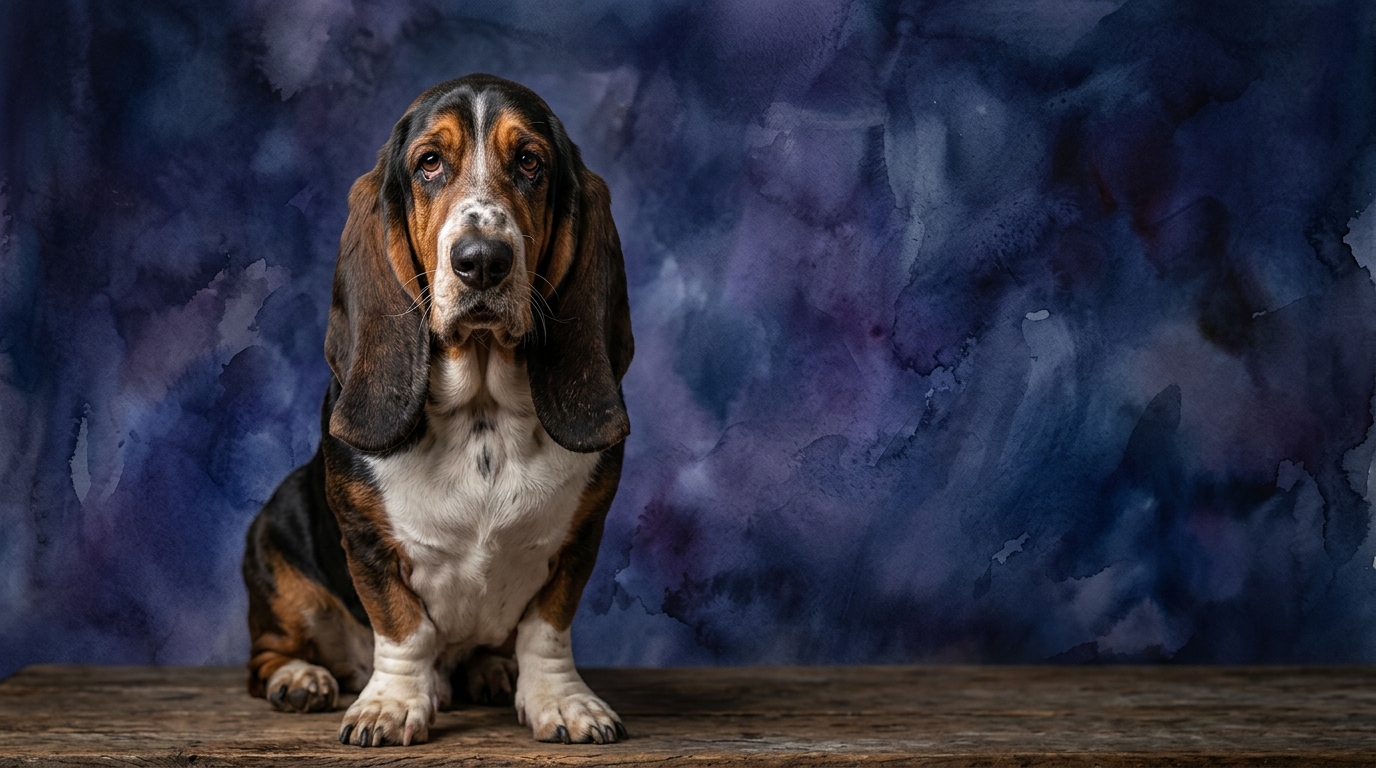
**Basset Hound (Hound, Coren Rank #71)**: This breed’s cognitive strengths are deeply rooted in its heritage as a scent hound. Their **Problem Solving (3/5)** centers on methodically deciphering complex scent trails, demonstrating profound persistence to achieve their olfactory goal rather than quick, varied solutions. **Training Speed (3/5)** requires considerable patience; while capable learners, their powerful nose often overrides commands, leading to perceived stubbornness. Their **Social Intelligence (3/5)** is evident in their strong pack instinct, thriving on family companionship and accurately interpreting human emotions, though they can be single-minded when following a scent. The **Instinctive Drive (3/5)** is overwhelmingly dominated by their genetic imperative to track, a force that guides their explorations and focus. Finally, their **Memory (3/5)** is exceptional for scent patterns, familiar routes, and household routines, allowing them to anticipate daily events with precision.
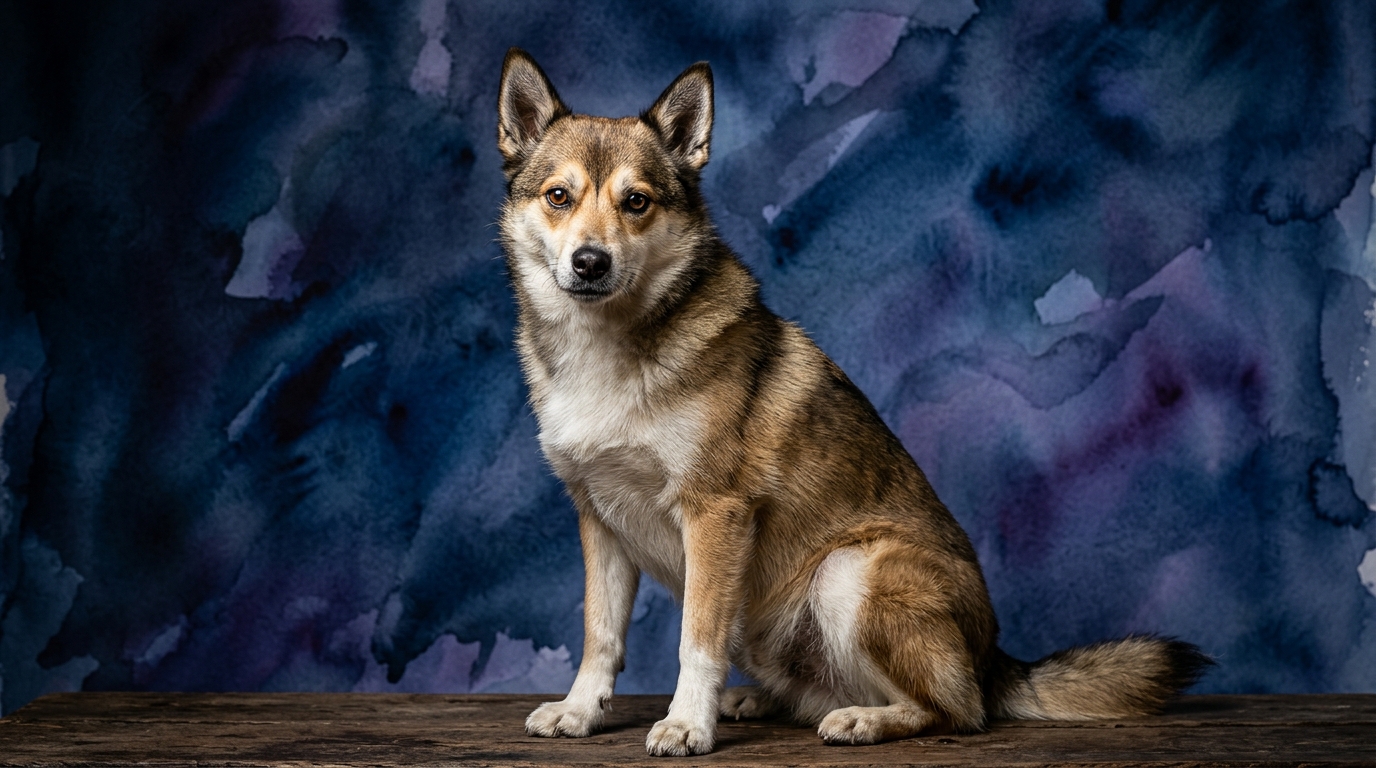
**Norwegian Lundehund (Non-Sporting, Not Coren-Ranked)**: This unique breed’s intelligence is shaped by its specialized role as a puffin hunter in rugged coastal environments. Their **Problem Solving (3/5)** involves remarkable spatial reasoning and physical ingenuity, navigating treacherous cliffs and tight crevices, demanding rapid adaptation and strategic movement rather than scent-based tracking. **Training Speed (3/5)** can be a nuanced process due to their independent nature, historically working alone; they require creative engagement and consistency to learn, often prioritizing self-reliance over immediate human direction. Their **Social Intelligence (3/5)** is characterized by deep loyalty to their family and a cautious reserve towards strangers, observing their human companions closely without always being overtly demonstrative. The **Instinctive Drive (3/5)** manifests as a strong urge for exploration, climbing, and investigating small spaces, mirroring their historical foraging and hunting behaviors. Their **Memory (3/5)** is highly developed for complex environmental details and routes, crucial for recalling diverse hunting grounds and territory layouts.
Where the Basset Hound Wins Cognitively
When it comes to sustained, single-sensory focus, the Basset Hound's cognitive profile truly shines. Their superior olfactory processing allows them to meticulously track and differentiate scents, a task requiring immense concentration and an ability to filter out visual and auditory distractions. This isn't just about sniffing; it's about building a complex mental map based solely on scent information, a cognitive feat few breeds can match with such dedication. While their Coren rank of 71 might suggest a different type of intelligence compared to breeds excelling in obedience, it underscores their specialized genius in scent work, where persistence and detailed sensory analysis are paramount. A Basset can hold a scent trail in its mind for extended periods, recalling nuances that would be imperceptible to other canines, demonstrating a specialized form of long-term memory tied to olfaction.
Where the Norwegian Lundehund Wins Cognitively
The Norwegian Lundehund's cognitive strengths lie in its exceptional spatial reasoning and physical problem-solving, particularly in dynamic, three-dimensional environments. Their history as puffin hunters on steep, rocky cliffs demanded an unparalleled ability to assess and navigate complex terrain, utilizing their unique physical adaptations like extra toes and flexible joints. This involves rapid decision-making, adapting to changing circumstances, and an understanding of physical mechanics to climb, squeeze, and balance. Their problem-solving isn't about following a scent, but about strategizing movement and utilizing their body as a tool to access difficult spaces. This specific form of intelligence showcases adaptability and physical ingenuity, a valuable asset for tasks requiring agility and environmental awareness.
Which is Easier to Train and Why
Both breeds share a 3/5 Training Speed score, indicating that neither is inherently 'easy' to train in the conventional sense, requiring consistent effort and understanding from their owners. However, their challenges differ. The Basset Hound's training can be perceived as more challenging due to its overwhelming instinctive drive for scent. When a Basset's nose is engaged, it becomes 'selectively deaf' to commands, requiring owners to compete with a primal urge. Training success hinges on patience, high-value rewards, and incorporating scent work into their learning to leverage, rather than fight, their strongest drive. The Norwegian Lundehund, on the other hand, presents training challenges rooted in its independent nature and historical self-reliance. They were bred to work alone, making them less inherently inclined to seek human direction for every task. Their wariness of strangers can also impact socialization and training in novel environments. While they are capable of learning complex tasks, their independence means owners must build a strong, trust-based relationship, making training feel more like a negotiation than a command-and-response exercise.
Which Suits Active Owners vs. Relaxed Owners
When considering lifestyle compatibility, the differences between these two breeds become quite clear, despite their similar IQ scores. The Basset Hound, while possessing an impressive scenting drive, generally suits owners who appreciate a balance of moderate activity and relaxed companionship. They require consistent daily walks and opportunities for mental stimulation through scent games, but they are equally content to lounge and be part of the family's calm routine. Their lower energy output after a good sniff-session makes them excellent companions for those who enjoy a cozy evening. In contrast, the Norwegian Lundehund is distinctly better suited for active owners. Their history as agile puffin hunters means they possess a deep-seated need for physical challenge, exploration, and opportunities to climb and navigate varied terrain. They thrive with owners who can provide daily, vigorous exercise, engage them in dog sports like agility or hiking, and satisfy their natural curiosity and desire to explore. A Lundehund with insufficient mental and physical outlets can become restless or destructive, making them a poor fit for a purely relaxed home.
The Verdict
Choose a Basset Hound if you seek a loyal, affectionate companion who enjoys moderate activity, excels at scent games, and offers a calm presence after their investigative walks. They thrive in homes that appreciate their unique blend of persistence and laid-back charm.
Opt for a Norwegian Lundehund if you are an active individual or family ready to embrace a dog with a strong independent streak, a love for physical challenges, and a need for varied outdoor exploration and mental engagement. They are best for those who can provide extensive opportunities for climbing and agility.
🧠 Find Your Pet's IQ Score
Our Pet IQ Lab assessment covers 25+ tests across 5 cognitive dimensions — personalized to your breed.
Take the Full IQ Test →Frequently Asked Questions
Do Basset Hounds and Norwegian Lundehunds get along with other pets?
Basset Hounds, being pack animals, generally get along well with other dogs and pets, especially if socialized early. Norwegian Lundehunds can also live harmoniously with other pets, though their independent nature means they might prefer their own space at times, and early socialization is key to fostering positive multi-pet relationships.
Are Basset Hounds or Norwegian Lundehunds good with children?
Basset Hounds are typically gentle and patient with children, making them good family pets, though supervision is always advised. Norwegian Lundehunds can be good with respectful children within their immediate family, but their wary nature towards strangers means careful introductions and proper guidance for both dog and child are essential.
What are the main health considerations for these breeds?
Basset Hounds are prone to back issues (IVDD), ear infections due to their long ears, and bloat. Norwegian Lundehunds have a unique digestive condition called Lundehund Syndrome, which requires careful dietary management, and can also be prone to luxating patellas.