Side-by-Side IQ Profile
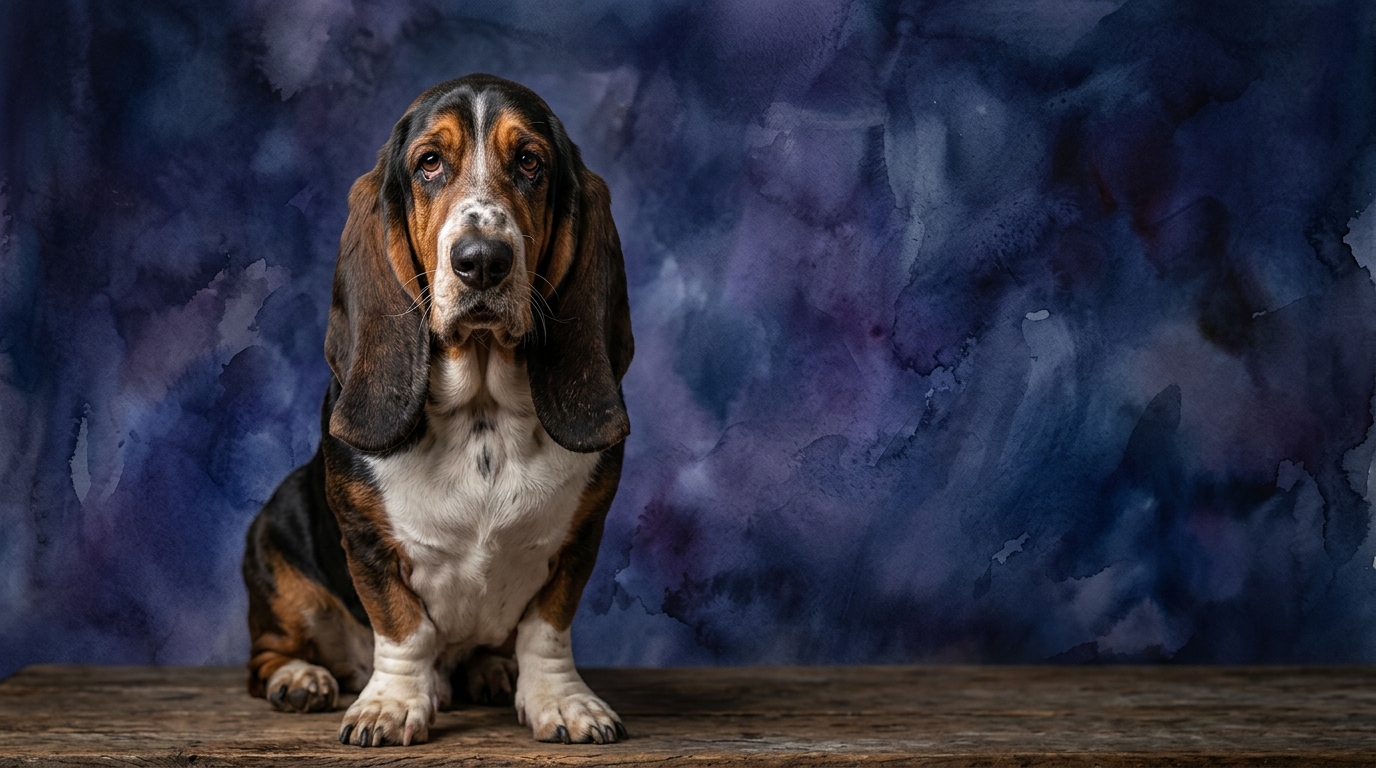
**Basset Hound (IQ: Problem Solving 3/5, Training Speed 3/5, Social Intelligence 3/5, Instinctive Drive 3/5, Memory 3/5)**: The Basset Hound's problem-solving often revolves around scent-based challenges, meticulously tracing complex trails rather than quick, abstract puzzles. Their training speed, while moderate, is heavily influenced by their powerful olfactory focus; they learn best when tasks align with their natural drive to follow a scent. Socially, Bassets are generally amiable, forming strong bonds with their human families and often displaying a placid tolerance towards other pets, though their social interactions can sometimes be dictated by a captivating smell. Their instinctive drive is overwhelmingly scent-oriented, pushing them to pursue a trail with unwavering determination. Memory for a Basset is excellent for scent patterns and routines, recalling where specific smells were encountered or the sequence of events leading to a reward.
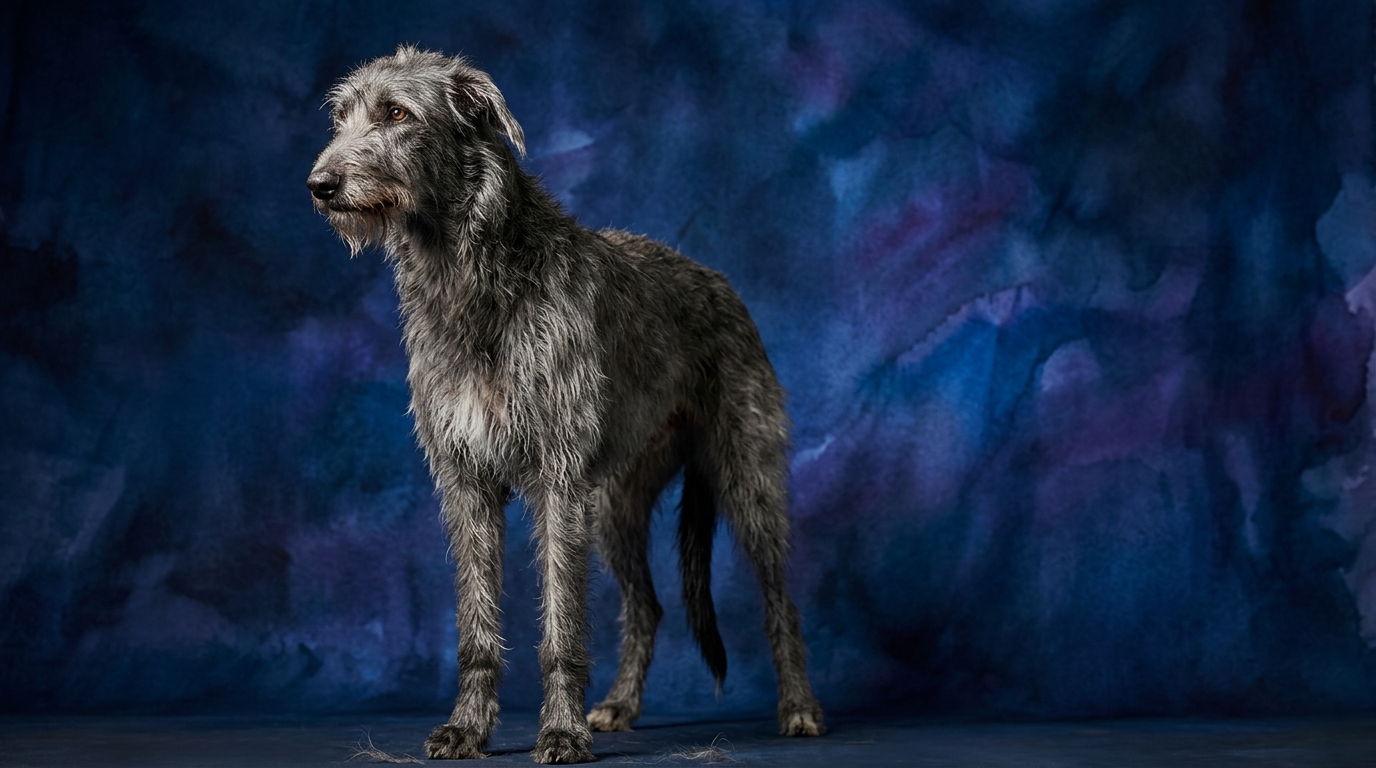
**Scottish Deerhound (IQ: Problem Solving 3/5, Training Speed 3/5, Social Intelligence 3/5, Instinctive Drive 3/5, Memory 3/5)**: The Scottish Deerhound's problem-solving, like the Basset, is moderately rated, but it manifests in a different context – often related to sight-hunting and open-field pursuit. They might strategize how to corner prey or navigate varied terrain efficiently. Their training speed is also moderate, requiring consistent, positive reinforcement, and patience, as their sighthound nature means they can be easily distracted by movement or distant objects. Socially, Deerhounds are typically gentle and affectionate with their family, often described as “velcro dogs,” but can be reserved with strangers. Their social intelligence allows them to read subtle cues from their owners, fostering deep companionship. Their instinctive drive is strongly visual and prey-oriented, propelling them to chase anything that moves quickly. Deerhound memory is robust for learned commands, familiar routes, and the faces of those they trust, allowing them to recall past experiences and adapt to new situations over time.
Where Basset Hound Wins Cognitively
The Basset Hound truly shines in scenarios requiring sustained focus on a single sensory input: scent. While both breeds score 3/5 in problem-solving, a Basset's cognitive strength lies in its ability to systematically process and follow incredibly complex scent trails, demonstrating a unique form of analytical persistence. This isn't about quick, agile solutions, but rather a methodical, step-by-step unraveling of an olfactory puzzle. Their memory, also rated 3/5, is particularly adept at recalling intricate scent patterns and the spatial memory associated with them, making them exceptional at tracking. This deep specialization in scent work gives them a cognitive edge in tasks demanding olfactory discrimination and enduring, ground-level investigation.
Where Scottish Deerhound Wins Cognitively
The Scottish Deerhound's cognitive strengths, while also rated 3/5, lean towards spatial awareness and visual processing, distinct from the Basset. Their problem-solving often involves navigating open spaces and reacting to visual stimuli with swift, coordinated movements, a different kind of analytical skill. Their instinctive drive, focused on sight-hunting, requires a cognitive ability to quickly assess distances, speeds, and trajectories. This translates into a capacity for rapid decision-making in dynamic environments. Furthermore, their social intelligence, while rated the same, often manifests as a deep, sensitive bond with their primary caregivers, allowing them to pick up on subtle emotional cues and body language, fostering a profound empathetic connection not typically seen in the more scent-driven Basset.
Which is Easier to Train and Why
Both breeds score 3/5 in training speed, indicating moderate trainability, but the nuances of *how* they are trained differ significantly due to their intrinsic motivations. The Basset Hound, with its overwhelming instinctive drive for scent, can be challenging to train in distraction-rich environments. Their nose often dictates their attention, making recall particularly difficult if a compelling scent trail is present. Training a Basset requires immense patience, positive reinforcement, and leveraging their love for food or scent-related rewards. The Scottish Deerhound, while also scoring 3/5, presents different training considerations. Their sighthound nature means they are prone to chasing, and their independent spirit can make them seem less responsive to commands if something visually stimulating catches their eye. However, their desire to please their family, a facet of their social intelligence, can be a powerful motivator. Training a Deerhound benefits from consistency, short engaging sessions, and focusing on building a strong bond, making them generally more amenable to obedience commands when distractions are managed.
Which Suits Active Owners vs Relaxed Owners
For active owners, the Scottish Deerhound is generally a better fit. Despite their calm demeanor indoors, they require significant bursts of exercise, ideally in a securely fenced area where they can stretch their long legs and satisfy their need for speed. Their cognitive engagement benefits from varied outdoor experiences and opportunities to observe and react to their environment, aligning well with owners who enjoy hiking or spacious walks. Relaxed owners might find the Basset Hound more suitable. While they need regular, moderate walks to prevent obesity and keep their noses engaged, they are content with a more leisurely pace and are less demanding of high-intensity physical activity. Their ideal day might involve a sniff-filled stroll followed by a long nap on the couch, making them excellent companions for those seeking a more sedate canine presence.
The Verdict
Opt for a Basset Hound if you appreciate a dog with a steadfast, scent-driven focus and a placid, affectionate nature, thriving in a home that values consistent routines and moderate physical activity. They are ideal for owners who enjoy unraveling the world through a dog's nose and can manage a strong tracking instinct.
Select a Scottish Deerhound if you seek a gentle giant with a deep, sensitive bond, who enjoys bursts of energetic outdoor play followed by quiet indoor companionship, fitting well with owners who appreciate their reserved elegance and capacity for swift, open-field exercise.
🧠 Find Your Pet's IQ Score
Our Pet IQ Lab assessment covers 25+ tests across 5 cognitive dimensions — personalized to your breed.
Take the Full IQ Test →Frequently Asked Questions
Do Basset Hounds and Scottish Deerhounds learn at the same pace?
Both breeds are rated 3/5 for training speed, suggesting a moderate learning pace. However, the Basset Hound's strong scent drive means their focus can be easily diverted by smells, while the Scottish Deerhound's visual focus and independent sighthound nature can sometimes lead to selective hearing if something moves quickly.
How do their problem-solving skills differ despite identical ratings?
While both score 3/5, a Basset Hound's problem-solving often involves methodically following complex scent trails, a form of analytical persistence. A Scottish Deerhound's problem-solving is more about quick visual assessment and agile navigation in open spaces, reacting to dynamic environments.
Are Basset Hounds or Scottish Deerhounds more social?
Both breeds are rated 3/5 for social intelligence. Basset Hounds are generally amiable and tolerant with family and other pets, often driven by their placid nature. Scottish Deerhounds form deep, sensitive bonds with their families but can be more reserved with strangers, valuing quiet companionship.