Side-by-Side Cognitive Profiles
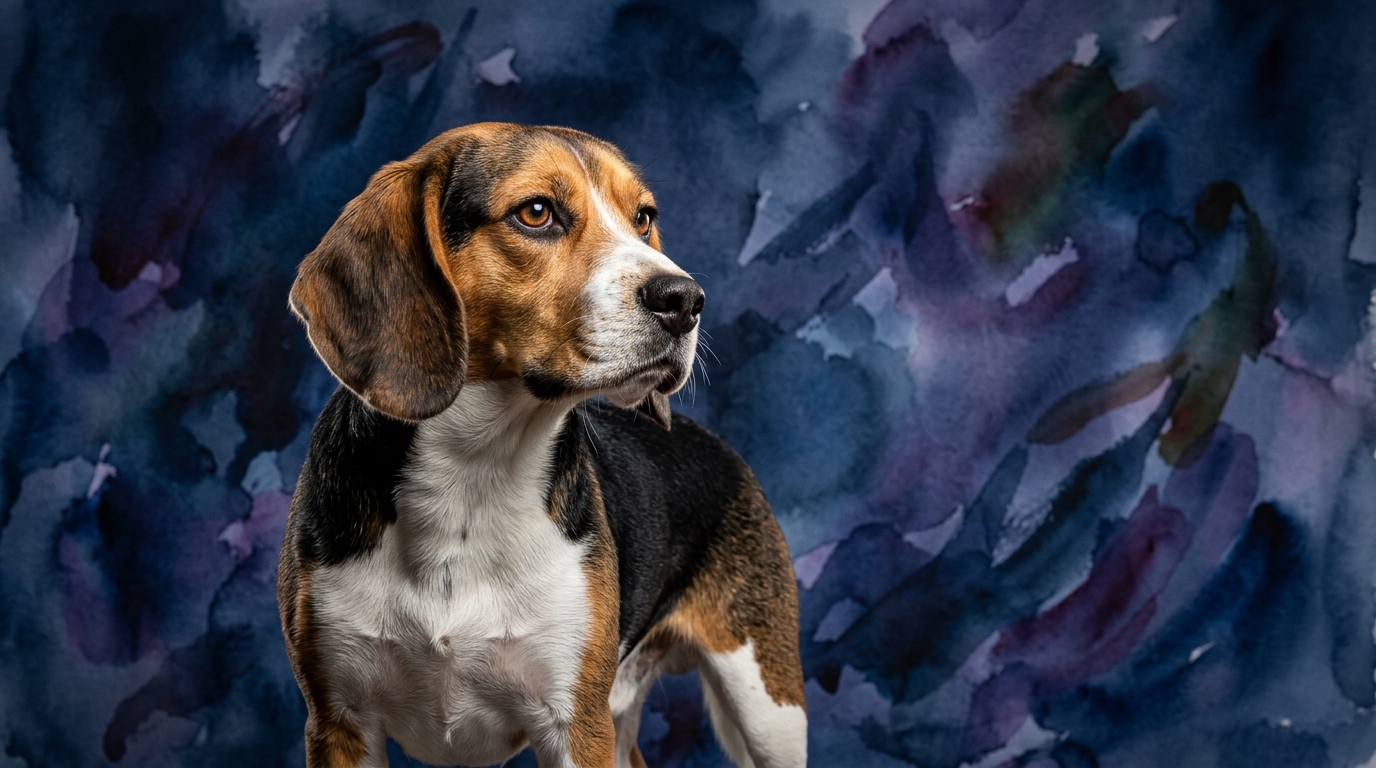
When we examine the cognitive makeup of the Beagle, a breed ranked #72 by Coren, we find a mind exquisitely tuned to its environment through scent. Their problem solving, rated 4/5, excels in deciphering complex scent trails, demonstrating remarkable persistence and ingenuity to locate a hidden source. This isn't just about detecting a smell, but processing a rich tapestry of information to unravel environmental puzzles. Training speed for Beagles is 2/5; while capable, their intense focus on scent often overrides commands, demanding patient and consistent effort. Social intelligence stands at 3/5; they are generally amiable and enjoy companionship, but their strong independent drive when on a scent can sometimes overshadow immediate social responsiveness. Instictive drive is a defining 5/5, manifesting as an exceptionally powerful urge to follow, bay, and track, making it a dominant force in their behavior. Finally, their memory, rated 4/5, is remarkable for recalling locations, particularly those associated with rewarding scents or experiences, crucial for their hunting heritage.
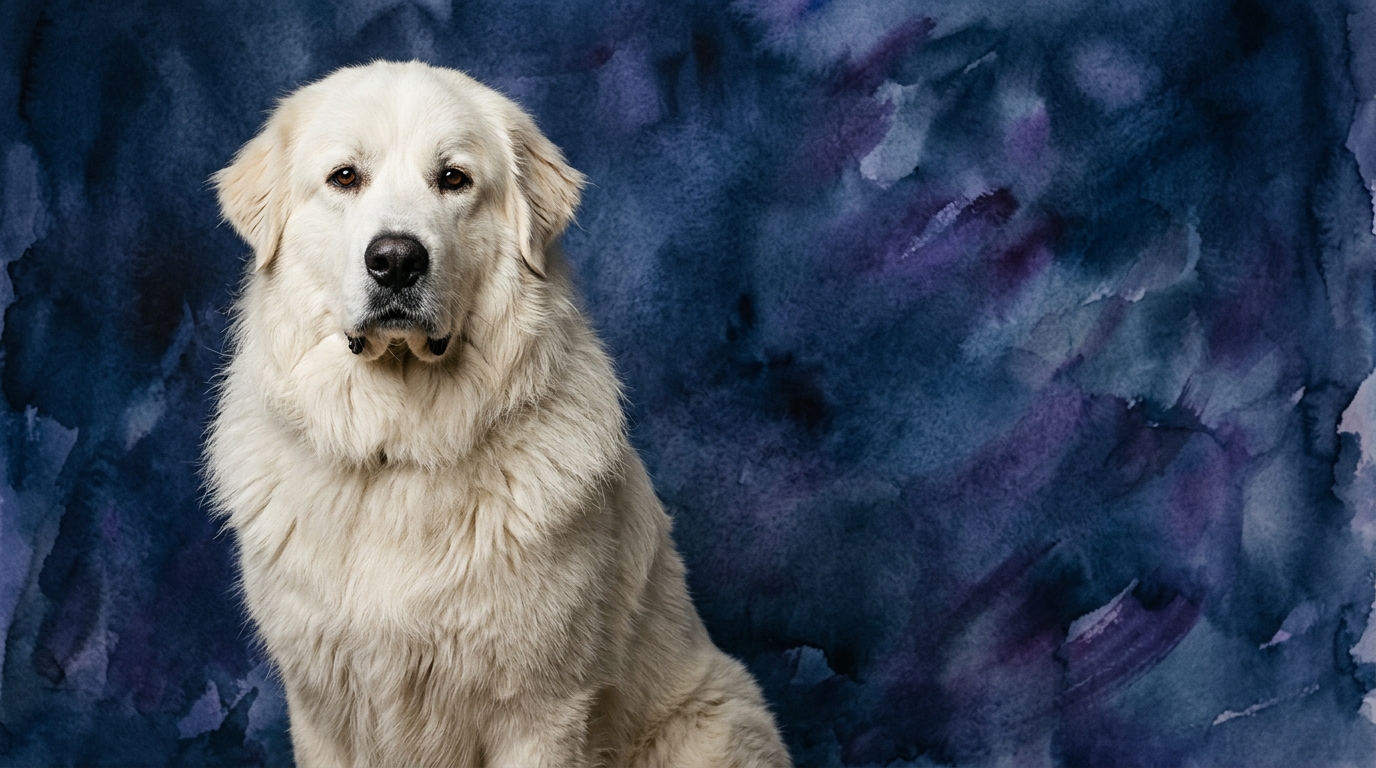
The Great Pyrenees, ranked #64 by Coren, presents a cognitive profile shaped by its guardian role, focusing on independent decision-making and protective vigilance. Their problem solving, rated 3/5, leans towards strategic, protective thinking, such as assessing threats and positioning themselves to oversee a flock or responding to perceived dangers, rather than intricate puzzle-solving. Training speed for the Great Pyrenees is 3/5; they learn commands at a moderate pace, but their independent nature means they often weigh a command against their own judgment or perceived need. Social intelligence is 3/5; they are typically gentle and tolerant with their family and charges, displaying a calm and observant social demeanor, attuned to needs but reserved with strangers due to their guardian role. Their instinctive drive is 3/5, primarily focused on guardianship—protecting their charges and territory, manifesting as vigilance and a gentle but firm presence. Memory, rated 3/5, allows them to remember their charges, territory, and routines well, retaining training and past experiences related to security and family bonds.
Where the Beagle Wins Cognitively
The Beagle's cognitive strengths are profoundly rooted in its olfactory prowess and the relentless pursuit it enables. When it comes to problem-solving tied to sensory input, specifically scent, the Beagle demonstrates a clear advantage. Their ability to meticulously follow a faint, convoluted scent trail, navigating obstacles and deciphering complex environmental cues purely through olfaction, is unparalleled. This isn't just about detecting a smell; it's about processing a rich tapestry of information, discerning direction, age, and individual identity from molecular traces. Their instinctive drive for tracking is not merely strong; it's a fundamental operating system that prioritizes and interprets scent data with exceptional cognitive focus. This single-minded dedication allows them to sustain concentration on a task that most other breeds would quickly abandon. Furthermore, their memory for scent maps and past locations where interesting smells were found is incredibly robust, allowing them to revisit productive areas or recall the path of a previous "target."
Where the Great Pyrenees Wins Cognitively
The Great Pyrenees' cognitive strengths lie in their capacity for independent decision-making and strategic guardianship. Unlike the Beagle's pursuit-oriented problem-solving, the Pyr excels at assessing broader environmental situations and acting autonomously to protect their charges. Their cognitive advantage manifests in a subtle yet constant vigilance, where they process ambient information – sounds, movements, changes in the environment – to identify potential threats. This requires a different type of problem-solving, one focused on risk assessment and preventative action, such as strategically positioning themselves or issuing a warning bark. Their social intelligence, while not overtly effusive, is deeply calibrated to the well-being of their family or flock. They possess a nuanced understanding of their charges' needs and vulnerabilities, acting as a calm, reassuring presence while maintaining a watchful eye. This isn't just about interacting; it's about anticipating and mitigating harm. Their instinctive drive for protection is a complex cognitive program that dictates their actions, often requiring them to make judgments without direct human command, showcasing a sophisticated form of situational awareness and self-reliance.
Which is Easier to Train and Why
When evaluating ease of training, the Great Pyrenees generally presents a more straightforward, albeit independent, learning curve compared to the Beagle. The Great Pyrenees' training speed (3/5) is moderate, and while they possess an independent streak, their motivation often aligns with pleasing their trusted human or fulfilling their inherent guardian role. They respond well to positive reinforcement and clear, consistent commands, provided they understand the purpose and it doesn't conflict with their protective instincts. Their relative calm and observational nature mean they are less prone to being overwhelmed by external stimuli during training sessions. In contrast, the Beagle's training speed (2/5) is slower, primarily due to their exceptionally strong instinctive drive (5/5) for scent. A Beagle's nose is almost always "on," making it incredibly challenging to hold their attention when a compelling scent is present. They are easily distracted by the olfactory world, and their single-minded pursuit of a scent can make them seem stubborn or disobedient. This isn't a lack of intelligence, but rather a profound prioritization of their natural instincts over human commands. Training a Beagle requires immense patience, creativity to make training more rewarding than a scent trail, and a deep understanding of their innate motivations. While both breeds can learn, the Great Pyrenees' willingness to consider human direction, even if they occasionally ponder its necessity, makes them generally easier to guide through formal training protocols than a Beagle perpetually engrossed in a fragrant mystery.
Which Suits Active Owners vs Relaxed Owners
For active owners seeking a companion for adventures, the Beagle often presents a more suitable match, provided those activities align with their energetic nature and love for exploration. Beagles possess substantial stamina and an insatiable curiosity, making them excellent partners for long walks, hikes, or scent-work games. Their instinctive drive (5/5) for tracking means they thrive on activities that engage their nose and body, turning a simple walk into an investigative expedition. Owners who enjoy structured outdoor activities, such as canine nose work or agility, and are prepared to manage a strong prey drive and potential for wandering, will find a Beagle a lively and engaging companion. Their moderate social intelligence (3/5) also means they generally enjoy interacting during these activities. Conversely, relaxed owners or those seeking a calm, watchful presence will find the Great Pyrenees a better fit. While they require regular, moderate exercise to maintain their health, their energy levels are generally lower than a Beagle's, and their activities are often more about patrolling and observing than high-intensity exertion. Their instinctive drive (3/5) for guardianship means they are content to oversee their domain from a comfortable vantage point, preferring a consistent routine and a secure environment. Owners who appreciate a serene presence, are prepared for occasional barking to alert to perceived threats, and can offer a large, secure yard where the Pyr can survey its "flock" will find this breed's calm demeanor and protective instincts a comforting presence in their home. They are less about constant engagement and more about steadfast companionship.
The Verdict
Opt for a Beagle if you are an active individual or family who thrives on engaging a dog's extraordinary sense of smell, enjoys consistent training challenges, and can provide ample opportunities for scent-driven exploration and mental stimulation. Their boundless energy and focused drive make them ideal for those who appreciate a dog with a strong, specialized purpose.
Select a Great Pyrenees if you seek a calm, independent, and protective companion for a more relaxed lifestyle, possess a secure property, and value a dog whose intelligence manifests as watchful guardianship and a gentle, steadfast presence. They are best for owners who understand and respect their autonomous nature.
🧠 Find Your Pet's IQ Score
Our Pet IQ Lab assessment covers 25+ tests across 5 cognitive dimensions — personalized to your breed.
Take the Full IQ Test →Frequently Asked Questions
Is a Beagle's stubbornness a sign of low intelligence?
No, a Beagle's perceived stubbornness primarily stems from its extremely high instinctive drive for scent, which often overrides human commands. Their problem-solving abilities within their natural domain are quite advanced, demonstrating a specialized form of intelligence rather than a lack of it.
Do Great Pyrenees need a lot of exercise despite their relaxed nature?
While Great Pyrenees aren't high-energy dogs like Beagles, they still require regular, moderate exercise to maintain their physical and mental well-being. Daily walks and access to a secure outdoor space for patrolling are important to satisfy their need for movement and supervision.
How do their social intelligence scores of 3/5 compare in practice?
Both breeds score 3/5, but its manifestation differs: Beagles are generally outgoing and enjoy social interaction with people and other dogs, while Great Pyrenees are more reserved, showing their social intelligence through calm observation and protective devotion to their family rather than overt boisterousness.