Side-by-Side IQ Profile: Beagle vs. Miniature Pinscher
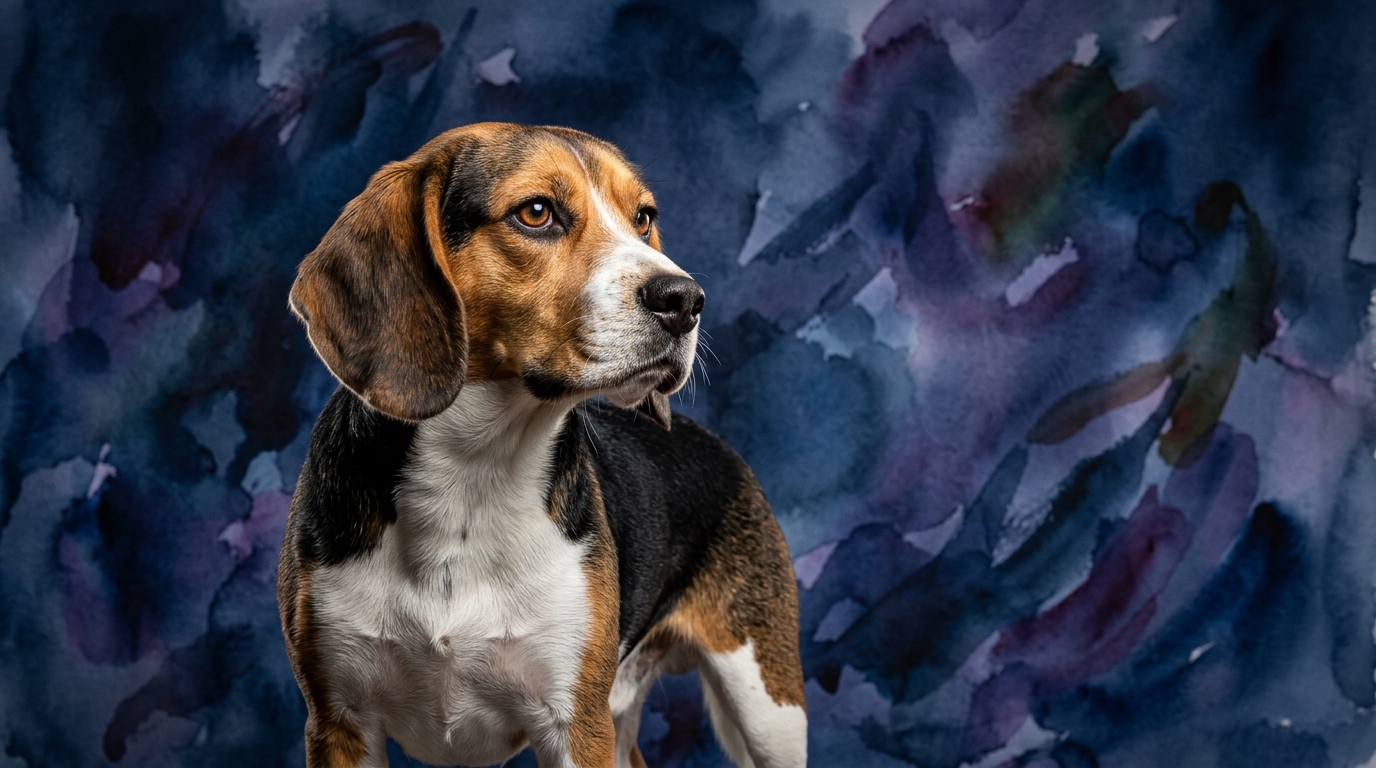
At The Cosmic Pet Pet IQ Lab, we dissect canine intelligence into five key dimensions to offer a nuanced understanding. For the Beagle, a breed ranked #72 by Coren, its cognitive profile reflects its ancient lineage as a scent hound. Its Problem Solving ability scores a robust 4/5, primarily manifesting in its ingenious methods for tracking and navigating complex scent trails, rather than abstract puzzles. Training Speed, however, registers a 2/5; while capable of learning, the Beagle's powerful olfactory distractions often make focused instruction a persistent challenge. Social Intelligence is rated 3/5, indicating a generally amiable nature within a pack or family, though their independent drive can sometimes override social cues. Its Instinctive Drive is a perfect 5/5, reflecting an overwhelming compulsion to hunt and follow scents, a trait deeply embedded in its genetic makeup. Lastly, Memory scores 4/5, particularly strong in recalling specific scent paths and locations, crucial for its primary function.
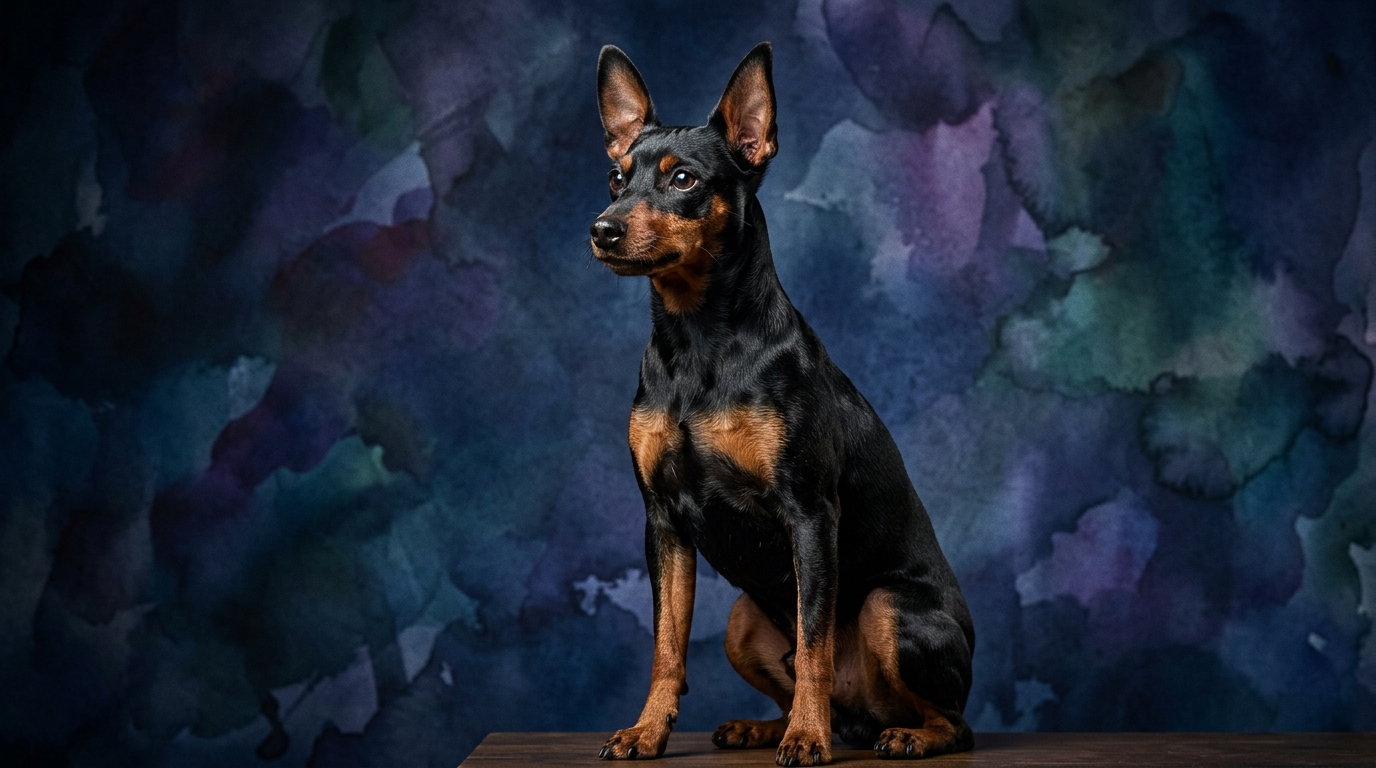
The Miniature Pinscher, while not holding a Coren ranking, presents a different set of cognitive strengths tailored to its role as an alert companion and mini-guardian. Its Problem Solving ability is 3/5; these dogs often exhibit cleverness in navigating their environment, figuring out how to gain access to desired items or escape enclosures through observation and persistence. Training Speed is 3/5, suggesting a moderate learning curve where they can pick up commands with consistency, though their independent streak can sometimes lead to willful behavior. Social Intelligence also stands at 3/5; Miniature Pinschers are often devoted to their inner circle but can display wariness or assertiveness towards strangers, reflecting their alert nature. Instinctive Drive scores 3/5, encompassing a pronounced prey drive towards small animals and a strong protective instinct over their territory and people. Memory is 3/5, indicating a capacity to remember routines, learned behaviors, and the identities of familiar individuals and places.
Where the Beagle Wins Cognitively
The Beagle's cognitive superiority undeniably lies in its specialized sensory intelligence and the subsequent problem-solving capabilities it unlocks. Its 4/5 Problem Solving score, when combined with its 5/5 Instinctive Drive and 4/5 Memory, creates a formidable tracking machine. Beagles excel at tasks requiring sustained focus on a singular sensory input – scent – and can mentally map complex environments based solely on olfactory information. They can differentiate between old and fresh trails, extrapolate the direction of travel, and persist for hours, demonstrating an unparalleled cognitive endurance in scent work. This specific cognitive strength makes them adept at activities like scent discrimination games, tracking sports, and even certain types of search and rescue, where their unique mental architecture truly shines compared to breeds with more generalized cognitive profiles.
Where the Miniature Pinscher Wins Cognitively
The Miniature Pinscher, while lacking the Beagle's specialized olfactory prowess, exhibits a distinct cognitive advantage in adaptable alertness and observational learning, reflected in its 3/5 Problem Solving and Social Intelligence. Their keen awareness of their surroundings allows them to quickly assess changes in their environment or the mood of their human companions, making them excellent watchdogs. Miniature Pinschers often learn by observing and mimicking, picking up on household routines and expectations with relative speed. Their cognitive flexibility allows them to adapt to varied living situations, from bustling city apartments to quieter suburban homes, requiring less specific environmental enrichment than a scent-driven breed. This breed's quick perception and ability to respond dynamically to varied stimuli represent a cognitive strength in practical, everyday living scenarios.
Which Is Easier to Train and Why?
Comparing training ease, the Miniature Pinscher generally offers a more straightforward experience than the Beagle, primarily due to their respective Training Speed scores of 3/5 and 2/5. The Beagle's pervasive 5/5 Instinctive Drive to follow scents makes it notoriously distractible; once a compelling odor is detected, the world, including its trainer, often fades into irrelevance. This requires immense patience and creative strategies from trainers to maintain focus, as their natural inclination is to independently pursue olfactory information. While they possess good memory (4/5) for what they've learned, accessing that memory amidst a sensory overload is the challenge.
The Miniature Pinscher, with its 3/5 Training Speed, is more amenable to consistent instruction. While they possess an independent and sometimes willful streak, their motivation often lies in pleasing their primary human or earning a reward, making them more receptive to traditional command-response training. Their lower instinctive drive score (3/5) means they are less likely to become completely consumed by external stimuli during a training session. While neither breed is inherently 'easy' in the sense of being a perpetually eager-to-please working breed, the Miniature Pinscher's ability to maintain focus and its responsiveness to structured learning environments typically makes the training journey less fraught with olfactory detours.
Which Suits Active Owners vs. Relaxed Owners?
For active owners seeking a canine partner for specific outdoor pursuits, the Beagle is an excellent match, provided those activities align with its cognitive strengths. Owners who enjoy hiking, long walks, or participating in scent work and tracking sports will find the Beagle's 5/5 Instinctive Drive and 4/5 Problem Solving a perfect complement. These dogs thrive on mental stimulation that engages their powerful noses, turning a simple walk into a rich, exploratory cognitive exercise. A relaxed owner, however, might struggle with the Beagle's inherent need to follow its nose, which can lead to independent excursions or a lack of responsiveness in low-stimulus environments.
The Miniature Pinscher, while possessing an active nature and a 3/5 Instinctive Drive that benefits from regular exercise, offers more versatility for both active and moderately relaxed owners. They enjoy varied activities, from brisk walks to indoor games that challenge their observational skills and quick reflexes. Their 3/5 Problem Solving means they appreciate interactive toys and puzzles, but their engagement is often more human-centric. A moderately relaxed owner who can provide consistent, varied enrichment and interactive play, alongside daily walks, will find the Miniature Pinscher a suitable companion. They are less likely than a Beagle to become singularly fixated on an external sensory input to the exclusion of their human connection, making them adaptable to a wider range of lifestyle paces.
The Verdict
Choose the Beagle if you are an active individual or family eager to engage with a dog's extraordinary olfactory intelligence and are prepared for a persistent, scent-driven companion.
Opt for the Miniature Pinscher if you desire an alert, adaptable, and spirited companion who thrives on interaction and can integrate more flexibly into varied daily routines.
🧠 Find Your Pet's IQ Score
Our Pet IQ Lab assessment covers 25+ tests across 5 cognitive dimensions — personalized to your breed.
Take the Full IQ Test →Frequently Asked Questions
Are Beagles stubborn during training?
Beagles aren't necessarily stubborn, but their intense instinctive drive to follow scents (5/5) often overrides their desire to comply with commands. This means that while they can learn, their focus is easily diverted by compelling odors, making training a consistent effort.
Do Miniature Pinschers learn tricks easily?
Miniature Pinschers have a moderate training speed (3/5) and can learn tricks with consistency and positive reinforcement. Their observational skills and desire for interaction can make them quick studies, though an independent streak sometimes requires patience.
Which breed is better for a first-time dog owner?
For a first-time dog owner, the Miniature Pinscher might be a slightly more manageable choice due to its more adaptable training speed and less overwhelming instinctive drives. Beagles, with their intense scent drive and potential for independent exploration, often require an owner ready for a more specialized and persistent training approach.