Side-by-Side IQ Profile: Unpacking Breed Cognition
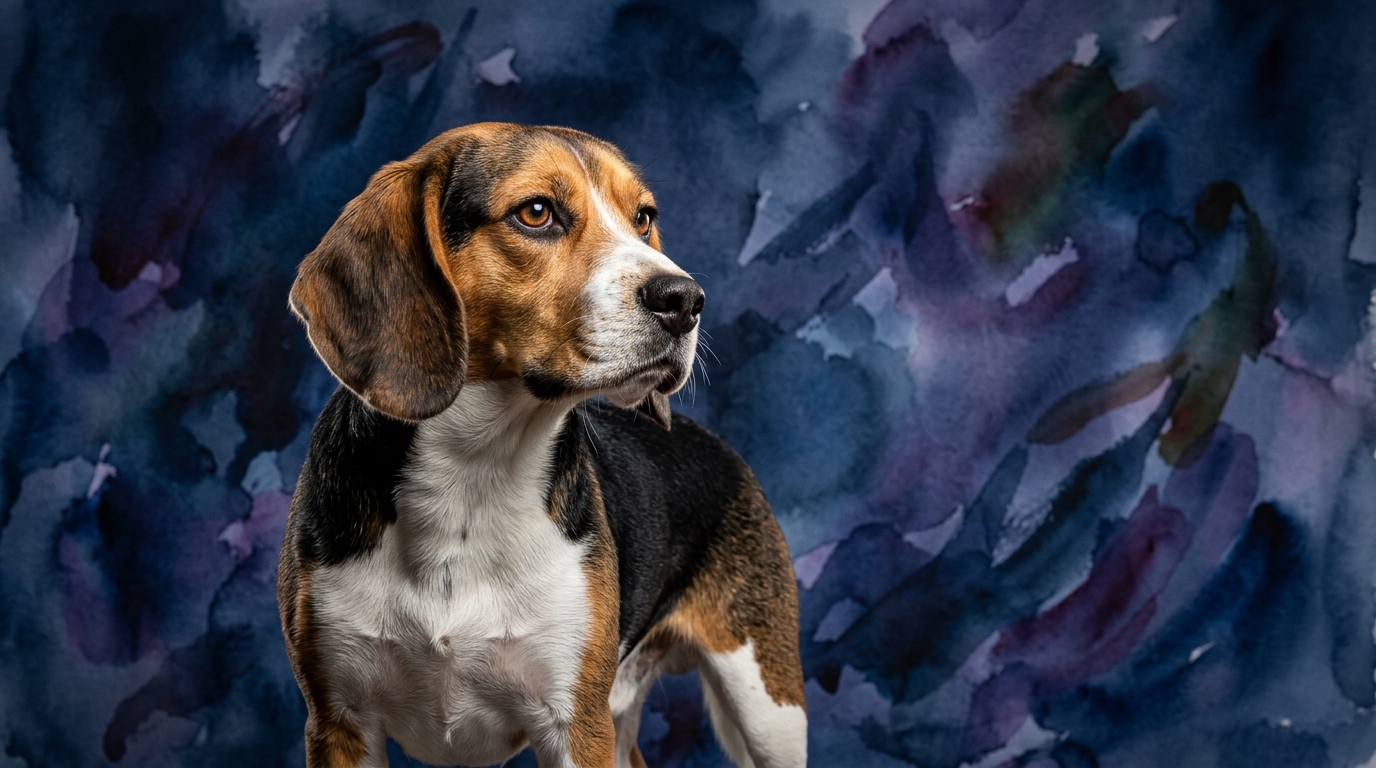
At The Cosmic Pet Pet IQ Lab, we analyze canine intelligence across five critical dimensions, revealing the nuanced mental architecture of each breed. For the Beagle, ranked #72 by Coren, its cognitive makeup is distinctly shaped by its olfactory prowess. Its Problem Solving score of 4/5 indicates a resourceful mind, particularly adept at figuring out puzzles involving scent or hidden rewards. Training Speed, however, stands at 2/5, reflecting a strong independent streak and a tendency to prioritize compelling scents over human directives. Social Intelligence is rated 3/5, meaning Beagles are generally amiable but can be somewhat self-absorbed, not always seeking human guidance in complex situations. Their Instinctive Drive is a commanding 5/5, an undeniable force driven by their incredible nose and an unwavering pursuit instinct. Finally, their Memory is strong at 4/5, allowing them to recall locations, routines, and especially the intricate details of scent trails with remarkable accuracy.
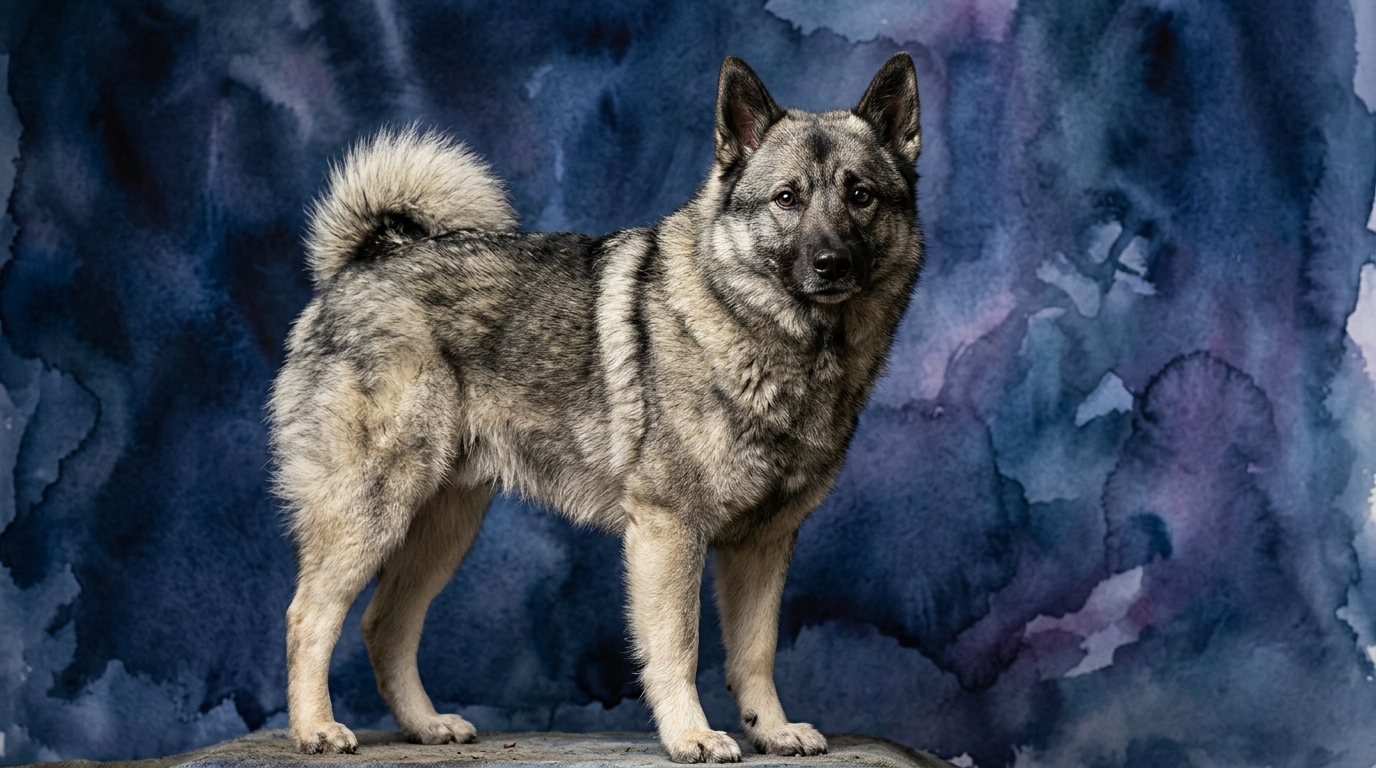
The Norwegian Elkhound, with a more favorable Coren rank of #36, presents a different cognitive blueprint, reflecting its heritage as a big-game hunter. Its Problem Solving ability also scores 4/5, showcasing a clever and independent mind capable of strategic thinking, particularly in scenarios requiring resourcefulness. Where it notably diverges from the Beagle is in Training Speed, achieving a solid 4/5; Elkhounds are generally more receptive to instruction and learn new commands with relative efficiency. Like the Beagle, their Social Intelligence is 3/5, indicating loyalty and affection towards their family but often a reserved demeanor with strangers, coupled with a degree of self-reliance. Their Instinctive Drive is 3/5, present and potent for hunting but not as singularly all-consuming as the Beagle’s. Their Memory also scores 4/5, enabling them to retain complex hunting patterns and learned tasks effectively.
Where the Beagle's Cognition Shines Brightest
The Beagle's most pronounced cognitive advantage lies in its unparalleled Instinctive Drive, rated a perfect 5/5. This isn't merely a physical attribute; it's a profound cognitive orientation. Beagles possess a mind that is fundamentally wired for scent work, demonstrating an almost obsessive focus when tracking. Their problem-solving capabilities, while rated 4/5 like the Elkhound, are uniquely specialized for olfactory challenges. They excel at deciphering complex scent puzzles, demonstrating a persistence that few other breeds can match. This singular cognitive focus allows them to filter out distractions that would overwhelm other dogs, honing in on a specific odor with incredible precision and endurance.
Furthermore, their robust memory (4/5) is intrinsically linked to this drive, enabling them to recall intricate scent patterns and environmental details relevant to their tracking pursuits. While their social intelligence (3/5) might not always translate to biddability, their inherent friendliness can be a cognitive asset in novel social environments. They approach new interactions with a curious, open disposition, often navigating unfamiliar situations through amiable investigation rather than caution or apprehension, a distinct form of social problem-solving.
Norwegian Elkhound: A Cognitive Edge in Adaptability
The Norwegian Elkhound’s cognitive strengths are most evident in its higher Training Speed, scoring 4/5 compared to the Beagle’s 2/5. This metric reflects a greater cognitive readiness to interpret and respond to human cues, indicating a more direct path to structured learning. Their problem-solving ability, also rated 4/5, tends to be more versatile and applicable across a broader range of human-directed tasks, not solely focused on a single sensory input. The Elkhound's intelligence allows for quicker comprehension of complex commands and a more consistent application of learned behaviors, making them more adaptable to various roles beyond their primary hunting function.
Their Coren rank of #36 also suggests a broader cognitive capacity for understanding and executing commands with greater reliability. The Elkhound’s Instinctive Drive, while strong at 3/5, is more balanced than the Beagle’s. This allows for easier redirection of focus; an Elkhound can be engaged in a scent game but then readily switch to an obedience drill, whereas a Beagle might remain cognitively fixated on the scent trail. This balance contributes to their superior training speed and overall cognitive flexibility, enabling them to integrate human expectations more seamlessly into their natural drives.
Training Dynamics: Elkhound's Responsiveness vs. Beagle's Drive
When considering ease of training, the Norwegian Elkhound holds a distinct advantage due to its 4/5 Training Speed. Elkhounds generally process commands efficiently and are more inclined to comply, often motivated by a desire to collaborate with their handler. Their moderate instinctive drive means they are less likely to be overwhelmed by environmental stimuli that could hijack their attention, allowing for more consistent focus during training sessions. They respond well to positive reinforcement, quickly forming associations between desired behaviors and rewards, leading to a more streamlined learning process for both basic obedience and more advanced tasks.
Conversely, the Beagle, with its 2/5 Training Speed, presents a greater challenge. Their formidable 5/5 Instinctive Drive, particularly their scenting obsession, means that when a compelling odor is present, the Beagle's cognitive apparatus is almost entirely dedicated to tracking it, often rendering them 'deaf' to human commands. Training a Beagle necessitates immense patience, creativity, and highly motivating rewards to compete with their internal, powerful cognitive program. Handlers must learn to work with, rather than against, their scent-driven nature, incorporating scent games into training to maintain engagement and channel their natural instincts productively.
Matching Canine Cognition to Owner Lifestyles
For active owners, both breeds require substantial engagement, but the nature of that activity differs significantly based on their cognitive profiles. An active owner for a Beagle must be prepared to engage their dog's extraordinary olfactory intelligence. This means providing ample opportunities for scent work, long walks where they can 'read' the world with their nose, and secure environments to prevent them from following an irresistible trail. Their boundless energy isn't just physical; it's a cognitive drive to explore and investigate through scent, making them ideal for owners who enjoy consistent, stimulating outdoor adventures focused on exploration and discovery.
For the Norwegian Elkhound, an active owner would provide challenging hikes, structured training sessions, and mental puzzles that engage their problem-solving skills and moderate instinctive drive. They thrive on having a 'job' and appreciate variety in their activities, making them suitable for owners who enjoy a range of outdoor pursuits and value a partner who is eager to participate. While both breeds are not ideal for entirely relaxed owners, the Elkhound might be slightly more adaptable to a routine that prioritizes mental engagement and structured physical activity over the Beagle's constant, instinct-driven physical and olfactory output. A relaxed owner may struggle to provide the consistent, specialized stimulation a Beagle's cognitive makeup demands, potentially leading to frustration for both dog and human.
The Verdict
If you cherish a dog driven by an extraordinary olfactory world, delight in engaging with a persistent and curious sniff-hound, and are ready for the unique training challenges that come with a powerful independent spirit, the Beagle is an excellent companion.
Opt for the Norwegian Elkhound if you seek a loyal, robust partner eager to learn and participate in structured activities, appreciating a balance of independence and biddability in a dog that thrives on outdoor adventures and mental engagement.
🧠 Find Your Pet's IQ Score
Our Pet IQ Lab assessment covers 25+ tests across 5 cognitive dimensions — personalized to your breed.
Take the Full IQ Test →Frequently Asked Questions
Which breed is better for first-time dog owners?
The Norwegian Elkhound, with its higher training speed and more manageable instinctive drive, generally presents fewer initial training hurdles for new owners compared to the scent-driven Beagle. Its cognitive receptiveness makes the learning curve smoother.
Do Beagles and Norwegian Elkhounds get along with other pets?
Both breeds possess a social intelligence rating of 3/5, suggesting they can coexist with other pets, though early socialization is crucial for harmonious living. Their hound instincts mean careful introductions, especially with smaller animals, are always recommended.
How much mental stimulation do these breeds require daily?
Beagles need consistent mental engagement through scent games, puzzle toys, and problem-solving related to their drives to prevent boredom and destructive behaviors. Norwegian Elkhounds thrive on varied training sessions, challenging walks, and exploring new environments to satisfy their intellectual curiosity and moderate prey drive.