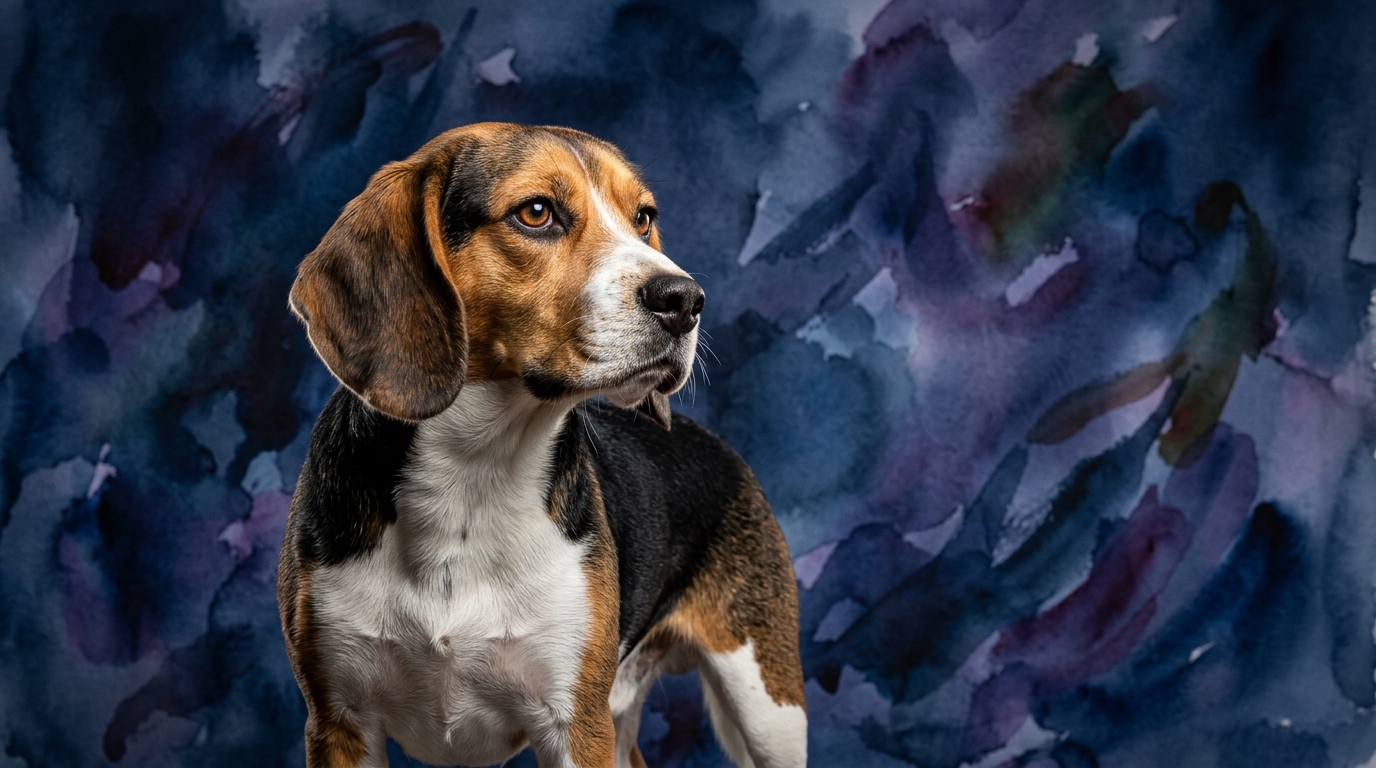
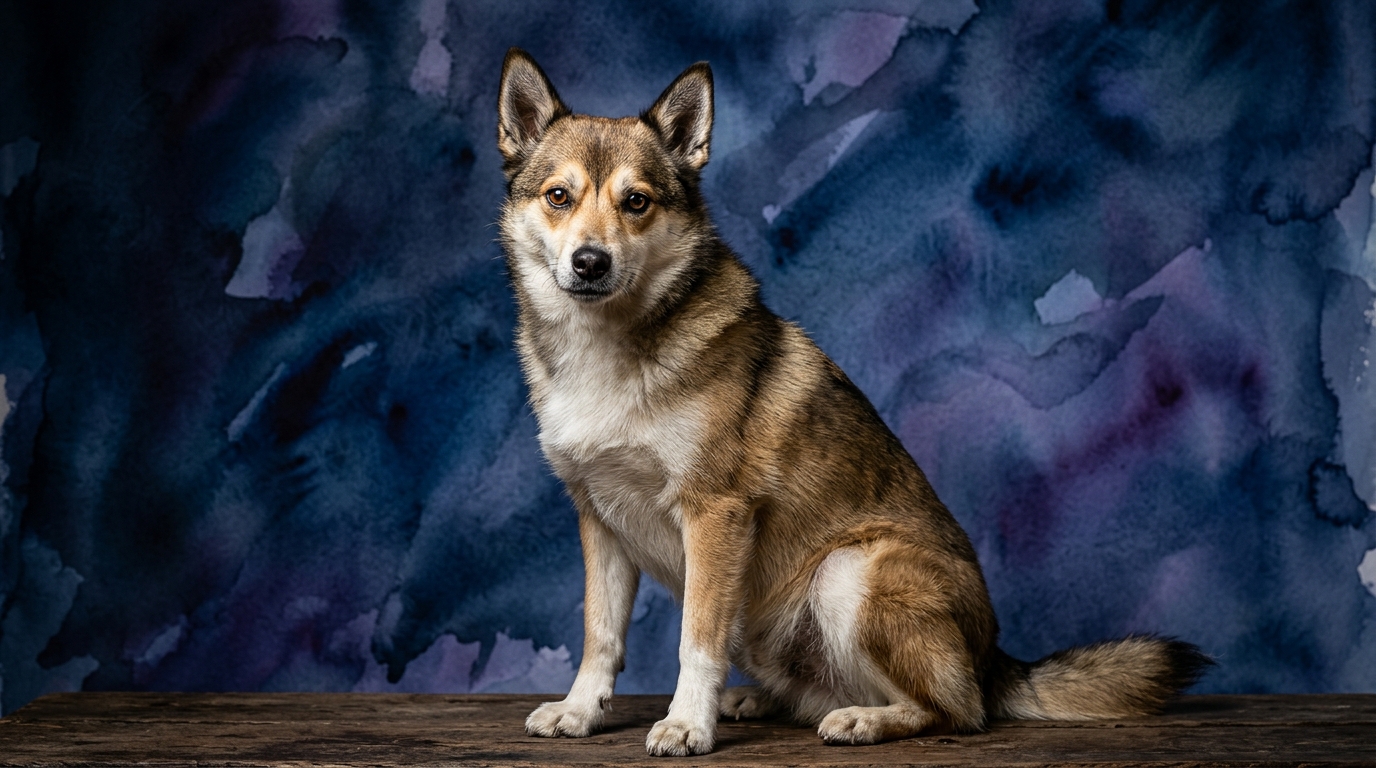
Side-by-Side IQ Profile: Beagle vs. Norwegian Lundehund
The Cosmic Pet IQ Lab's assessment offers a granular view into the cognitive makeup of these two distinct breeds. The Beagle, a Hound breed ranked #72 by Coren, exhibits a mental landscape dominated by its olfactory prowess. Its Problem Solving is rated 4/5, primarily excelling in tasks involving scent discrimination and tracking. Training Speed is a moderate 2/5, reflecting their independent nature when a compelling scent is present. Social Intelligence stands at 3/5, indicating a generally agreeable but often self-focused demeanor. Their Instincitve Drive is a commanding 5/5, almost exclusively tied to their powerful sense of smell. Finally, their Memory is 4/5, particularly strong for scent trails and rewarding locations.
In contrast, the Norwegian Lundehund, a Non-Sporting breed with no Coren ranking, presents a different cognitive blueprint, shaped by its specialized hunting role. Its Problem Solving scores 3/5, reflecting an aptitude for physical navigation and spatial puzzles rather than scent. Training Speed is 3/5, suggesting a moderate capacity for learning, tempered by independence. Social Intelligence is also 3/5, indicating a reserved but loyal disposition within their family unit. Their Instincitve Drive is 3/5, manifesting as a general curiosity and agility-driven exploration. Memory is rated 3/5, solid for routines and successful physical strategies within their environment.
Where the Beagle's Mind Shines Brightest
The Beagle's cognitive brilliance is almost exclusively illuminated in the realm of olfaction. Their 4/5 problem-solving capability is not generic; it's a sophisticated process of dissecting complex scent landscapes, differentiating subtle nuances, and tracking over vast distances with unwavering determination. This isn't merely sniffing; it’s a high-level cognitive function involving identification, filtering, and persistent pursuit of specific molecular signatures. Their 5/5 instinctive drive is the tireless engine for this, making them relentless in their pursuit of a perceived trail.
A Beagle's 4/5 memory is particularly adept at recalling the locations of previously interesting smells or the precise sequence of a successful hunt. They can re-trace steps or revisit productive areas with remarkable accuracy, demonstrating a spatial memory intricately linked to their olfactory experiences. Their endurance for mental engagement, when focused on a scent task, is exceptional, showcasing a sustained cognitive effort that few other breeds can match, truly embodying their hound heritage.
The Unique Cognitive Edge of the Norwegian Lundehund
The Norwegian Lundehund’s cognitive strengths are deeply intertwined with its historical role as a Puffin hunter in the challenging, rocky terrain of Norway. Their 3/5 problem-solving ability manifests as remarkable physical ingenuity and spatial awareness. They excel at navigating rocky cliffs, squeezing into tight crevices, and climbing to access nests, demonstrating a unique blend of physical and mental adaptability that is less about following a trail and more about manipulating their immediate environment. This requires an understanding of physics and body mechanics that is distinct.
Their moderate 3/5 instinctive drive encourages independent exploration and self-reliant action. Lundehunds are adept at assessing situations and making decisions without constant human direction, a trait crucial for their solitary hunting past. While not driven by a singular, overwhelming pursuit like a Beagle's scent fixation, their cognitive flexibility in adapting to varied physical challenges is a distinct advantage. This is complemented by a solid 3/5 memory for successful physical strategies and environmental layouts, allowing them to learn from experience and refine their approach to new obstacles.
Training Dynamics: Who Learns Faster?
The training speed scores (Beagle 2/5, Lundehund 3/5) indicate that neither breed is a rapid learner in the traditional obedience sense, but their specific challenges differ significantly. Beagles, with their overwhelming 5/5 instinctive drive for scent, are notoriously difficult to train for off-leash reliability. Their nose is a constant, powerful distraction, making sustained attention to human commands a significant hurdle. They require immense patience, unwavering consistency, and highly motivating, high-value rewards to break through their olfactory focus. A Beagle might understand a command perfectly, but their primal urge to follow a compelling scent often overrides compliance.
In contrast, the Norwegian Lundehund, while possessing an independent streak, is less prone to being hijacked by a singular sensory input. Their 3/5 training speed is hampered more by a general primitive breed stubbornness and a desire to think for themselves, rather than an external distraction. They respond better to positive reinforcement and varied training methods that engage their physical and mental agility, rather than repetitive drills. While both breeds demand dedication, the Lundehund's challenge is often about convincing them to comply through mutual respect and engaging activities, whereas the Beagle's is a constant battle against their overwhelming primal drive.
Matching Minds to Lifestyles: Active vs. Relaxed Owners
For active owners seeking a canine companion for specific outdoor pursuits, the choice between these two breeds hinges on the nature of that activity. An owner who enjoys scent work, tracking, or long walks where the dog can engage its nose would find the Beagle an immensely rewarding partner. Their 5/5 instinctive drive means they thrive when given a job related to their natural talents. However, this same drive means a Beagle isn't a 'relaxed' dog in terms of mental stimulation; they need consistent outlets for their sniffing compulsion, lest they become bored or engage in destructive behaviors. A truly relaxed owner might struggle significantly with a Beagle's need for consistent mental engagement and physical exercise.
The Norwegian Lundehund, while active in its own right, suits an owner who appreciates a dog with an independent streak and enjoys activities that engage their agility and unique physical capabilities, such as climbing, navigating obstacle courses, or exploring varied terrains. They are less about relentless pursuit and more about adaptable exploration. Their 3/5 instinctive drive suggests a more manageable level of 'busyness' compared to a Beagle. For truly relaxed owners, neither breed is a natural couch potato. However, a Lundehund might be slightly more adaptable to periods of calm once their physical and mental needs are met, as their drives are less singularly overwhelming than a Beagle's.
The Verdict
Opt for a Beagle if you are prepared to channel their formidable scent drive into engaging activities like tracking or scent work, and can commit to consistent, patient training to manage their independent nature. They are ideal for owners who appreciate a dog with an unwavering focus on the olfactory world.
Select a Norwegian Lundehund if you value a unique, independent companion with remarkable physical agility and a curious mind, and are willing to engage their problem-solving skills through varied activities. They suit owners who appreciate a dog that thinks for itself and thrives on exploring its environment.
🧠 Find Your Pet's IQ Score
Our Pet IQ Lab assessment covers 25+ tests across 5 cognitive dimensions — personalized to your breed.
Take the Full IQ Test →Frequently Asked Questions
Are Beagles difficult to train for basic obedience?
Beagles can present challenges in basic obedience training, primarily due to their intense scent drive. Their strong instinct to follow a compelling smell often overrides commands, requiring exceptional patience, high-value rewards, and consistent reinforcement to keep them focused on human instruction.
What kind of mental stimulation does a Norwegian Lundehund need?
Norwegian Lundehunds thrive on mental stimulation that engages their problem-solving and physical agility. Activities like puzzle toys, agility courses, climbing opportunities, and varied exploration walks satisfy their curious and independent nature, preventing boredom.
Which breed is better for a first-time dog owner?
Neither breed is typically recommended for first-time dog owners due to their unique challenges. Beagles require significant effort to manage their potent scent drive, and Lundehunds possess an independent, sometimes stubborn, streak. Both benefit from experienced owners who understand breed-specific traits.