Side-by-Side Cognitive Profiles: Beagle vs. Scottish Deerhound
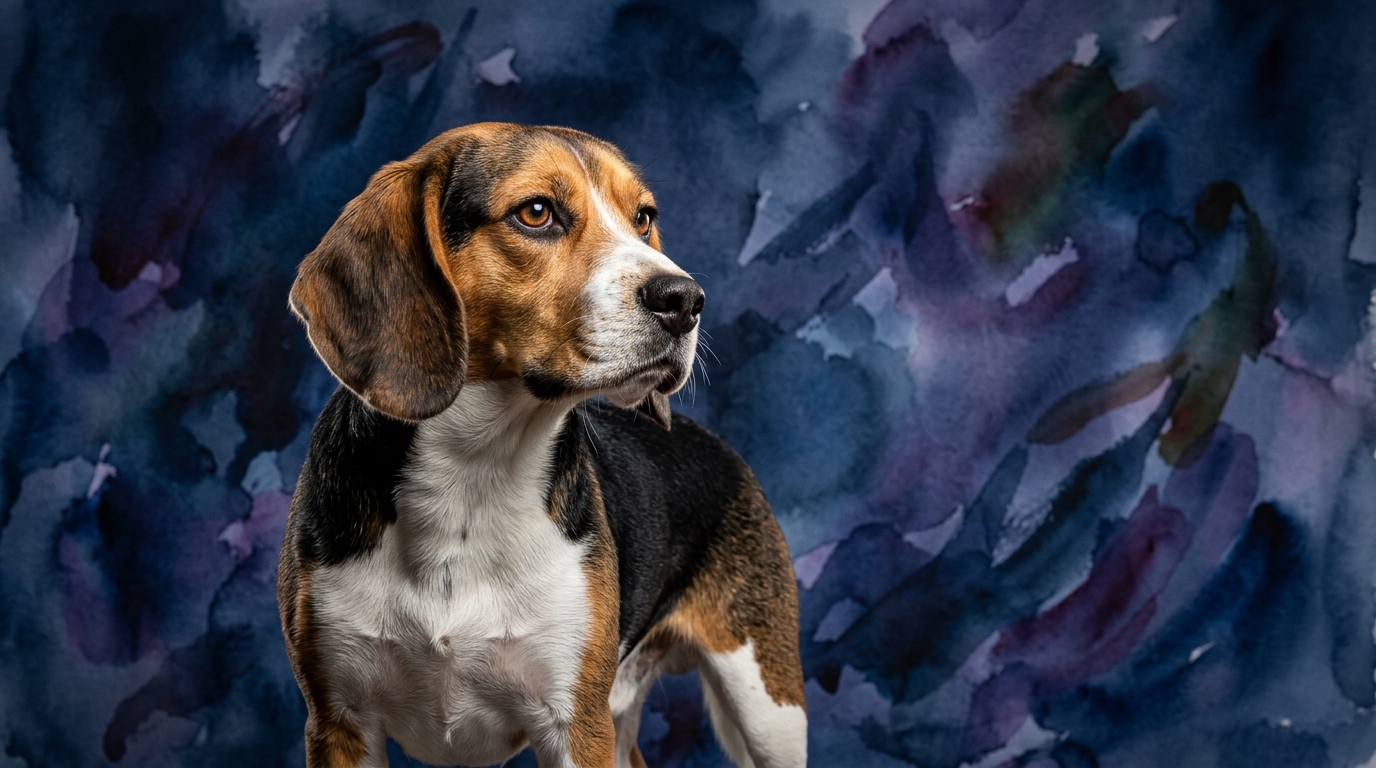
Our Cosmic Pet Pet IQ Lab delves into the unique cognitive makeup of these two distinct hound breeds. The Beagle, a smaller scent hound, holds a Coren rank of #72, suggesting a solid foundation in working and obedience contexts, though with specific cognitive leanings. Its problem-solving ability is rated 4/5, indicating a strong capacity for navigating complex scenarios, particularly those involving olfaction. However, its training speed sits at 2/5, hinting at a more deliberate learning process. Social intelligence for the Beagle is 3/5, reflecting a generally congenial nature. Its instinctive drive is a formidable 5/5, an overwhelming force guiding much of its behavior, and its memory, at 4/5, is particularly adept at recalling scent-related information.
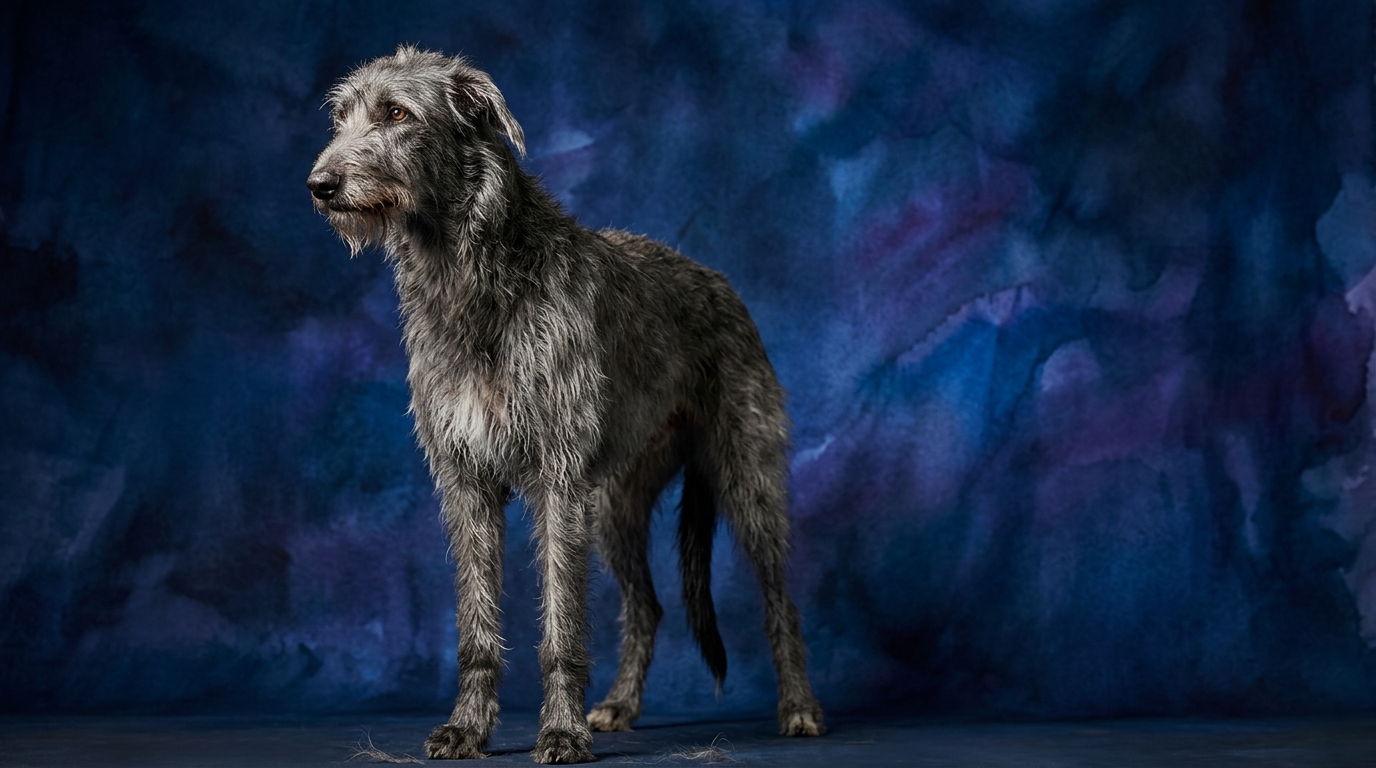
In contrast, the Scottish Deerhound, a majestic sight hound, is not Coren-ranked, which often signifies less emphasis on traditional obedience-style intelligence in its historical role. Its problem-solving ability is rated 3/5, suggesting practical intelligence geared towards its sighthound heritage rather than intricate puzzles. The Deerhound's training speed is a moderate 3/5, indicating a reasonable pace of learning. Social intelligence is also 3/5, pointing to a dignified yet polite interaction style. Its instinctive drive is 3/5, focused primarily on visual pursuit, and its memory is likewise 3/5, sufficient for routines and learned behaviors but not specialized in the same way as the Beagle's.
Where the Beagle's Cognition Excels
The Beagle truly shines in the realm of intricate problem-solving, particularly when a challenging scent trail is involved. With a 4/5 rating, their cognitive processing for disentangling complex olfactory information is remarkable; they can meticulously follow a faint scent over varied terrain, demonstrating sustained focus and sequential reasoning to reach a hidden objective. This isn't just sniffing; it's a sophisticated mental mapping process.
Furthermore, the Beagle's instinctive drive, rated at a powerful 5/5, is a double-edged sword that also represents a profound cognitive strength. This intense, singular focus on scent allows for unparalleled persistence in tasks. While it can make them appear stubborn when distracted by an irresistible smell, it's also the engine behind their relentless determination and capacity for prolonged mental engagement in scent-based activities. Their 4/5 memory rating is intrinsically linked to this, showing a superior ability to recall specific scent patterns and the locations associated with them, which is vital for their historical role as a tracking companion.
Cognitive Strengths of the Scottish Deerhound
The Scottish Deerhound demonstrates its cognitive strengths in areas distinct from the Beagle. While its problem-solving is rated 3/5, this reflects a practical intelligence honed for its sighthound role. They excel at real-time spatial problem-solving, quickly assessing distances, speeds, and trajectories of moving objects across open landscapes. This involves rapid visual processing and decision-making crucial for a successful chase, a different form of mental agility compared to scent-based puzzles.
One notable area where the Scottish Deerhound edges out the Beagle is in training speed, rated 3/5 versus the Beagle's 2/5. While they possess an independent streak typical of sighthounds, their moderate instinctive drive (3/5) means they are generally less consumed by overwhelming sensory input. This allows them to maintain focus on handler cues for longer periods, potentially leading to a smoother and quicker acquisition of basic obedience commands, provided the training is engaging and consistent. Their cognitive resources are not as singularly occupied by one sensory modality, allowing for broader attentional focus.
Training Dynamics: Which Breed is Easier and Why?
When considering ease of training, the Scottish Deerhound generally presents a more straightforward experience for basic obedience, despite their independent nature. Their training speed of 3/5 suggests they process and respond to commands at a reasonable pace. The key lies in their moderate instinctive drive (3/5), which, while present, doesn't typically override their attention to the handler with the same intensity as a Beagle's scent drive. They can focus on the task at hand and, with positive reinforcement, are capable of learning and retaining a range of commands efficiently. Their gentle disposition also contributes to a more cooperative training dynamic, as long as sessions are kept interesting and fair.
The Beagle, with its training speed of 2/5 and an overwhelming instinctive drive of 5/5, presents a more significant training challenge. Their powerful nose is their primary cognitive filter; a compelling scent can render them temporarily 'deaf' to commands, as their cognitive resources are almost entirely dedicated to following that olfactory trail. This isn't a lack of understanding, but rather a profound prioritization of their natural instinct. Training a Beagle requires immense patience, creative engagement, and unwavering consistency, often leveraging scent-based games to harness their natural inclinations rather than fighting against them. Owners must be prepared for a journey of redirecting and managing this powerful inherent drive.
Matching Breeds to Lifestyles: Active vs. Relaxed Owners
For active owners, both breeds require specific types of engagement. A Beagle thrives with owners who enjoy structured outdoor activities where their exceptional scent work can be channeled, such as tracking games or nose work. They demand daily walks and ample opportunities to explore with their nose, which provides crucial mental stimulation. Owners must also be prepared for vigilant management of their powerful drive, particularly concerning secure fencing and leash manners, as their nose can lead them far astray. Their activity is less about sustained speed and more about consistent exploration and mental puzzles.
The Scottish Deerhound, while calm and dignified indoors, requires an owner who can provide bursts of intense, high-speed exercise in secure, expansive areas. Their sighthound heritage means they need opportunities to gallop and stretch their long legs, ideally in a large, fenced yard or a safe, off-leash park. While they also enjoy regular, moderate walks, the opportunity for a full-throttle sprint is paramount for their physical and mental well-being. They suit active owners who appreciate their quiet indoor presence but are committed to facilitating their need for explosive outdoor activity, rather than constant, prolonged endurance.
The Verdict: When to Choose Each Breed
The Verdict
Choose the Beagle if you are captivated by a dog with an unparalleled sense of smell, enjoy engaging in scent work or tracking, and are prepared for a consistent, patient training approach to manage a powerful independent drive.
Choose the Scottish Deerhound if you appreciate a gentle giant with bursts of incredible speed, value a quieter indoor companion, and can provide regular opportunities for expansive, safe running.
🧠 Find Your Pet's IQ Score
Our Pet IQ Lab assessment covers 25+ tests across 5 cognitive dimensions — personalized to your breed.
Take the Full IQ Test →Frequently Asked Questions
Are Beagles difficult to train?
Beagles can be challenging to train due to their intense scent drive, which often overrides other commands. They require consistent, patient training methods, often leveraging their love of scent work to keep them engaged and focused.
Do Scottish Deerhounds need a lot of exercise?
Scottish Deerhounds need specific types of exercise, primarily opportunities for high-speed running in large, secure areas. While they are calm indoors, they require these intense bursts of activity to maintain their physical and mental health.
What is the main difference in their hunting styles?
Beagles are scent hounds, relying on their superior sense of smell to track prey over long distances. Scottish Deerhounds are sight hounds, using their keen vision and incredible speed to spot and pursue prey in open spaces.