Side-by-Side Cognitive Profiles
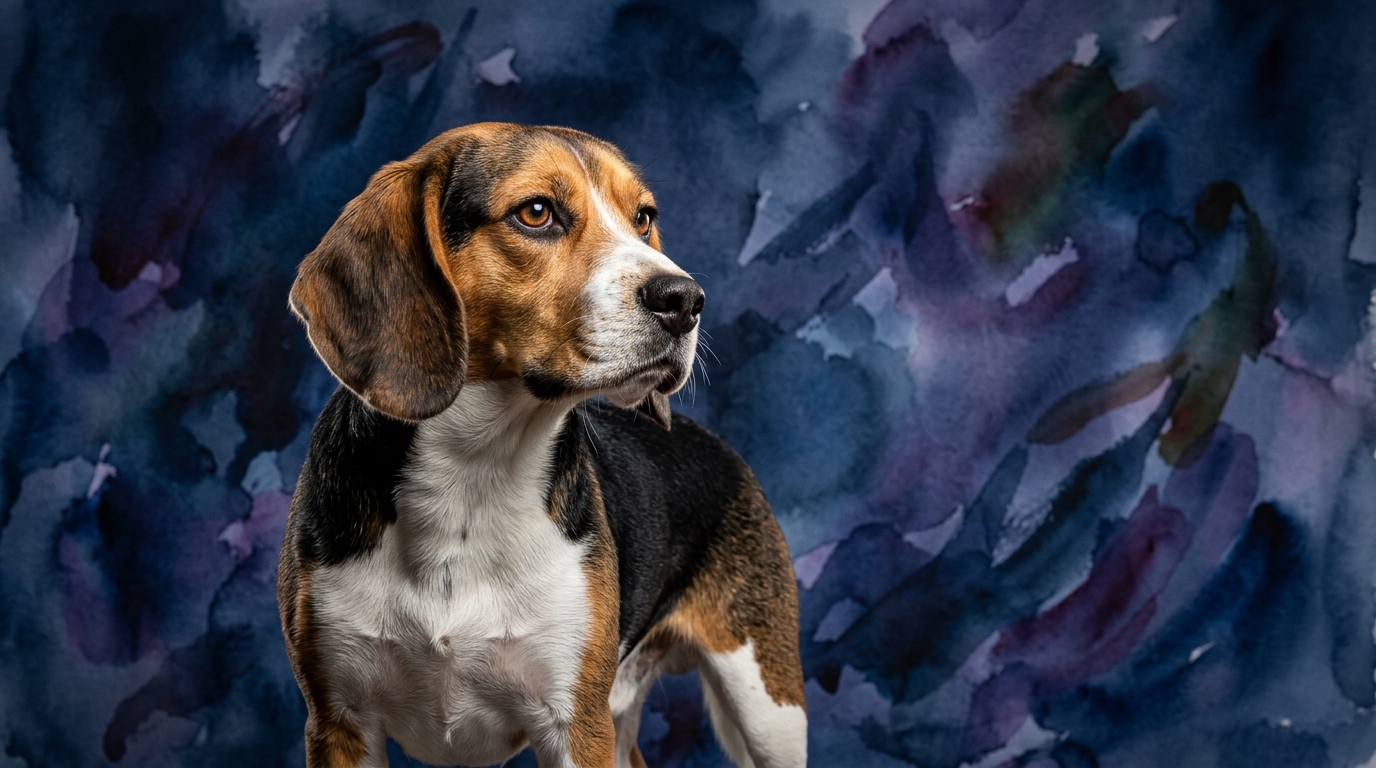
The Beagle, a member of the Hound group, is ranked #72 by Coren, reflecting a solid capacity for learning and understanding. Their cognitive profile highlights a strong Problem Solving ability at 4/5, often manifesting in their adeptness at following complex scent trails and navigating obstacles to reach a target. Training Speed is rated 2/5, indicating they require consistent, patient methods, as their focus can easily be redirected by compelling scents. Social Intelligence stands at 3/5, suggesting they can form bonds and understand social cues, though their independent drive can sometimes override this. Their Instinctive Drive is a robust 5/5, primarily centered around their powerful olfactory senses and the drive to track. Finally, their Memory is impressive at 4/5, allowing them to recall scent patterns and previous experiences with remarkable accuracy.
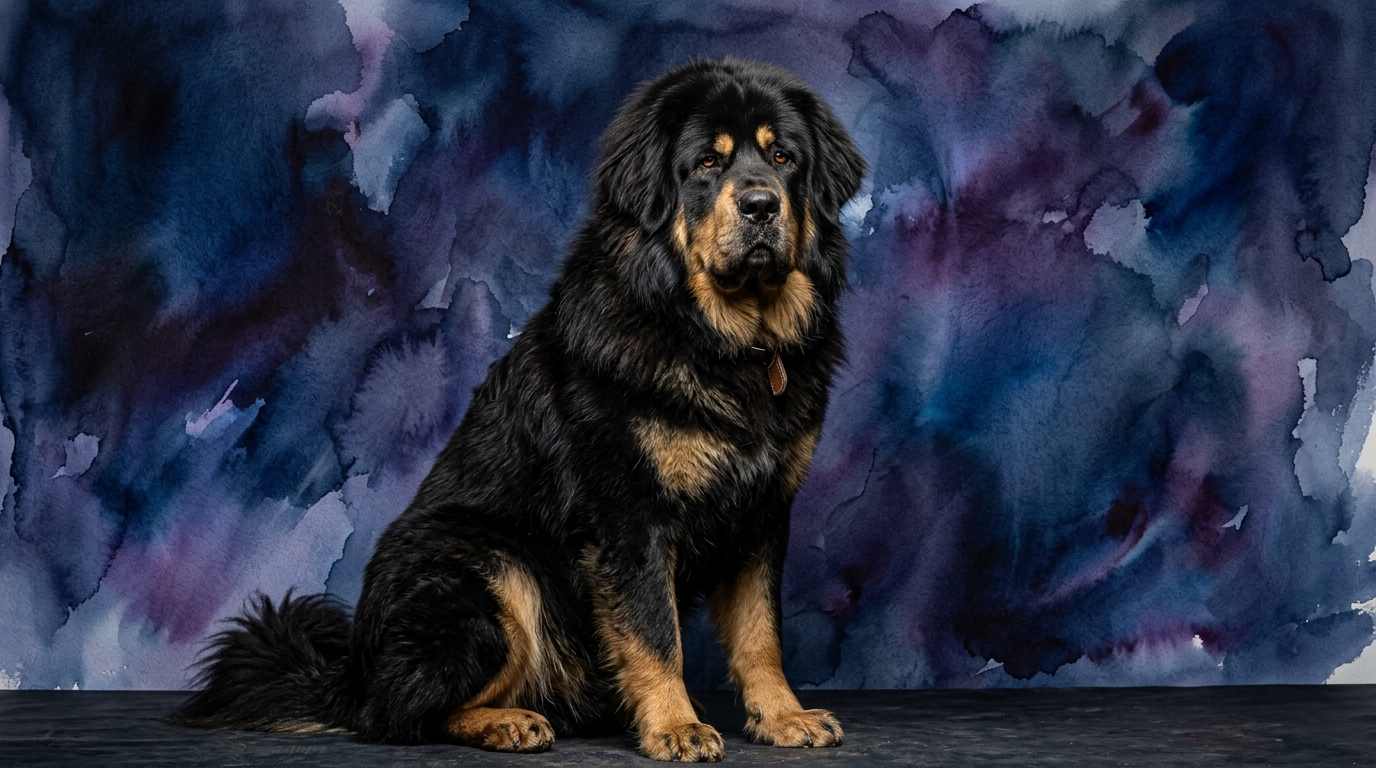
The Tibetan Mastiff, a Working group dog, does not have a Coren ranking, which often signifies a breed whose intelligence is expressed differently than traditional obedience metrics. Their Problem Solving ability is rated 3/5, indicating a capacity for independent thought and situational assessment, particularly in their role as guardians. Training Speed is 3/5, suggesting they can learn at a moderate pace, but often require motivation beyond simple eagerness to please. Social Intelligence is also 3/5, reflecting their ability to form deep bonds with their family while often maintaining a reserved demeanor with strangers. Their Instinctive Drive is 3/5, largely focused on territorial protection and independent decision-making. Lastly, their Memory is 3/5, allowing them to remember threats, safe zones, and family routines effectively within their environment.
Where the Beagle Excels Cognitively
The Beagle's cognitive strengths are profoundly tied to their ancestral role as scent hounds. Their superior olfactory processing allows them to parse an intricate tapestry of smells, distinguishing a target scent even amidst a cacophony of others. This isn't just about smelling; it's about complex cognitive mapping, where they build a mental representation of a trail, remembering turns, dead ends, and the progression of a scent over time. Their Problem Solving score of 4/5 is a testament to this, as they must continuously evaluate and adapt their approach to tracking, demonstrating impressive persistence and ingenuity in overcoming environmental challenges.
Furthermore, the Beagle's 4/5 Memory score is particularly evident in their ability to recall specific scent profiles and the associated experiences. A Beagle can remember a particular rabbit trail from weeks prior or the scent of a lost family member, retaining this information for extended periods. This memory isn't just passive recall; it actively informs their future search strategies, allowing them to learn from past successes and failures in their pursuit. Their high Instinctive Drive (5/5) fuels this entire process, making them relentless and focused when engaged in a task that aligns with their natural predispositions, such as sniffing out interesting odors or following a trail.
Where the Tibetan Mastiff Shines Cognitively
The Tibetan Mastiff's cognitive prowess lies in its independent judgment and environmental awareness, honed over centuries as a guardian of livestock and property in challenging terrains. Their 3/5 Problem Solving ability is less about following a pre-set path and more about assessing dynamic situations. They excel at evaluating potential threats, distinguishing between a harmless passerby and an intruder, and making decisions about intervention without constant human direction. This requires a sophisticated understanding of their territory, the behavior of various animals and people, and the implications of their actions.
Their Social Intelligence, while rated 3/5, manifests uniquely in their ability to form deep, protective bonds with their immediate family, discerning who belongs and who does not. This is crucial for a guardian breed, as it underpins their selective social interactions and their innate capacity to act as a deterrent. The Tibetan Mastiff's moderate Instinctive Drive (3/5) is precisely channeled into these protective behaviors, making them vigilant and observant, constantly scanning their environment. Their Memory (3/5) supports this by allowing them to recall specific individuals, past events that posed a threat, and the layout of their territory, contributing to their effective and consistent guardianship.
Ease of Training: Beagle vs. Tibetan Mastiff
When considering ease of training, the Beagle presents a unique set of challenges compared to the Tibetan Mastiff. The Beagle's Training Speed is rated 2/5, largely due to their powerful 5/5 Instinctive Drive for scent. Their nose is their world, and once engaged on a scent, it can be incredibly difficult to redirect their attention. This means recall can be particularly challenging in off-leash environments, as the allure of a compelling smell often outweighs the desire to comply with a command. Training requires immense patience, creativity, and high-value rewards to consistently capture and maintain their focus against their primary instinct.
The Tibetan Mastiff, with a Training Speed of 3/5, offers a different training dynamic. They are not as easily distracted by environmental stimuli as a Beagle, but their independent nature and lower eagerness to please mean they may not see the immediate value in every command. They are intelligent and capable of learning, but they often require a trainer to demonstrate the purpose or benefit of a task. Forceful or repetitive training methods are often counterproductive, leading to stubbornness. Instead, training with a Tibetan Mastiff thrives on mutual respect, clear communication, and understanding their inherent desire for autonomy. Early and consistent socialization is paramount to channel their protective instincts positively.
Matching Breeds to Lifestyles: Active vs. Relaxed Owners
For active owners seeking a companion that thrives on engagement and exploration, the Beagle is often a more suitable choice. Despite their smaller stature, Beagles possess considerable stamina and a deep-seated need for mental stimulation through scent work. An owner who enjoys long walks, hikes, or participates in canine scent sports would find a Beagle's cognitive and physical needs well-met. Their persistent nature in following a trail means they enjoy activities that allow them to use their nose, making them excellent partners for active individuals who can provide consistent outlets for their instinctive drive.
Conversely, the Tibetan Mastiff generally suits owners who appreciate a more relaxed, yet vigilant, presence. While they require regular, moderate exercise to maintain physical health, their cognitive engagement is less about constant activity and more about observation and guardianship. Owners who live in homes with secure, spacious yards where the Mastiff can patrol and survey their territory will find this breed content. They are not typically high-energy dogs seeking constant human-initiated play; rather, they are content to be near their family, observing their surroundings, and acting as a calm, watchful presence. This makes them a better fit for owners who prefer a steady, independent companion rather than one constantly seeking vigorous interaction.
The Verdict
Choose a Beagle if you are an active individual or family eager to engage a dog in scent-driven activities, providing consistent training to channel their powerful instincts and manage their independent focus. They excel with owners who appreciate a curious, persistent companion for outdoor adventures and mental puzzles.
Opt for a Tibetan Mastiff if you are a confident, experienced owner seeking a loyal, independent guardian for a secure home environment, understanding their need for respect, early socialization, and a consistent, fair approach to training their protective nature.
🧠 Find Your Pet's IQ Score
Our Pet IQ Lab assessment covers 25+ tests across 5 cognitive dimensions — personalized to your breed.
Take the Full IQ Test →Frequently Asked Questions
Are Beagles good family dogs?
Beagles typically make excellent family dogs due to their generally cheerful and tolerant nature, often getting along well with children and other pets. However, their strong scent drive means they require secure environments and consistent supervision to prevent them from following their nose into trouble.
How much exercise does a Tibetan Mastiff need?
Tibetan Mastiffs require moderate, consistent exercise to stay healthy, such as daily walks or supervised time in a securely fenced yard. They are not typically high-energy dogs and prefer to conserve their energy for their primary role as a vigilant guardian, rather than constant vigorous activity.
What is the biggest challenge in training a Beagle?
The biggest challenge in training a Beagle is often their strong instinctive drive for scent, which can make them easily distracted and less responsive to commands when on a compelling trail. Consistent, positive reinforcement and high-value rewards are crucial to maintaining their focus and achieving reliable recall.