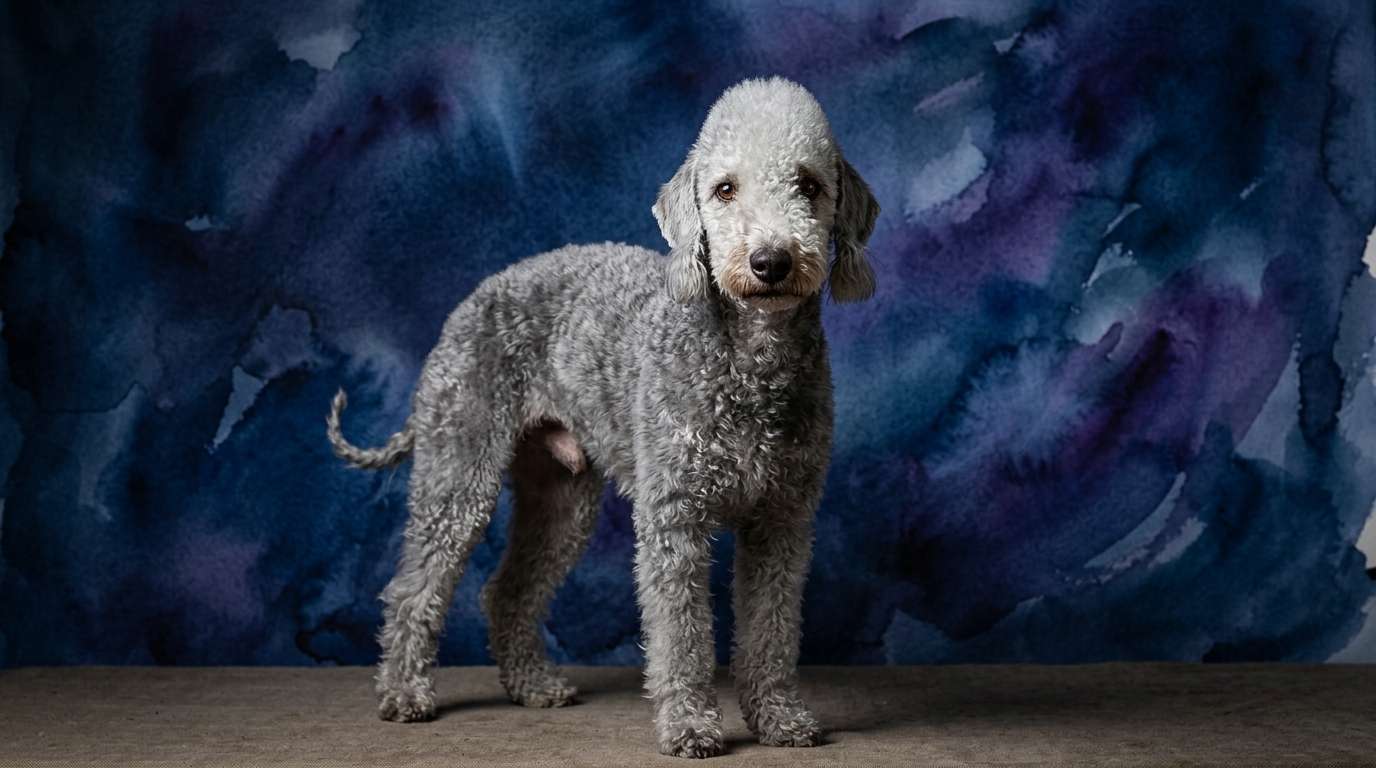
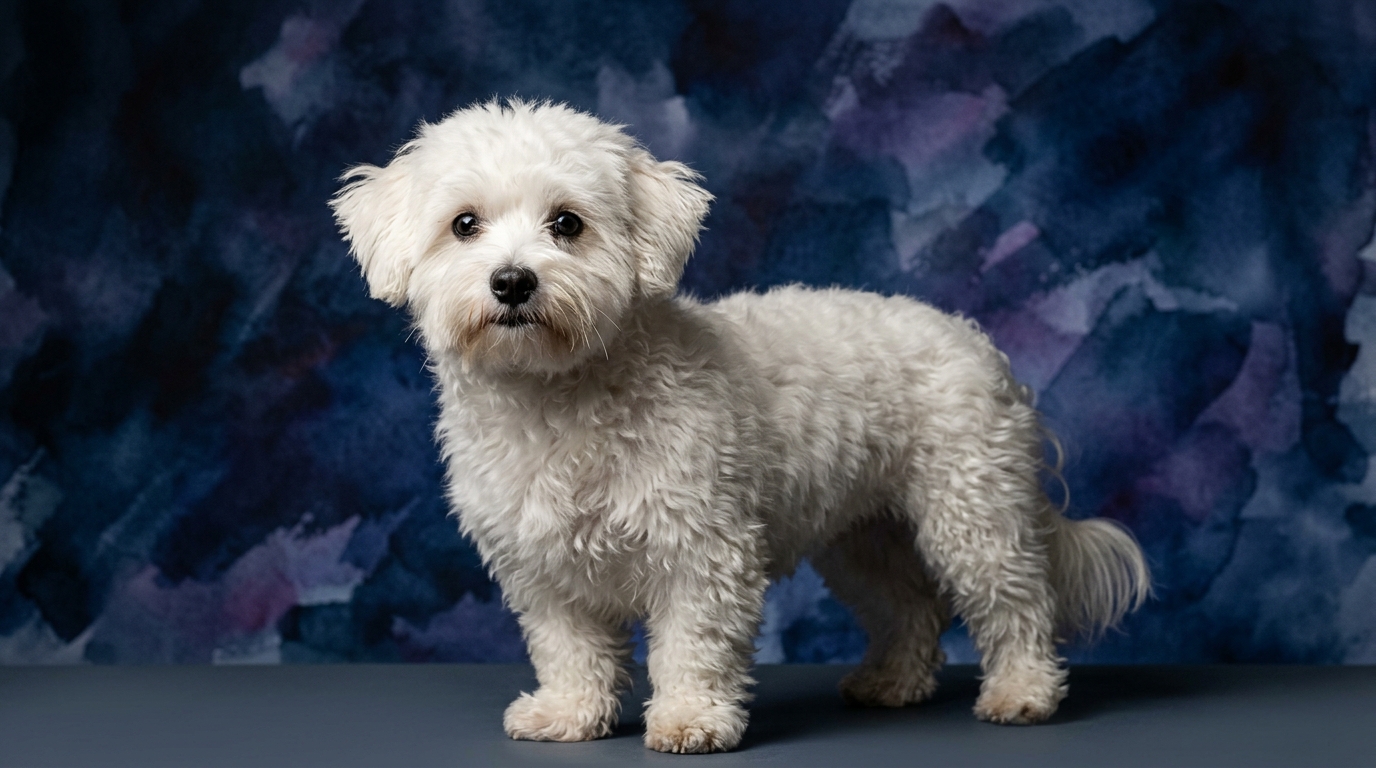
Side-by-Side IQ Profile: Bedlington Terrier vs Coton de Tuléar
At first glance, the Pet IQ Lab scores for both the Bedlington Terrier and the Coton de Tuléar appear identical, with each breed achieving a 3 out of 5 across all five cognitive dimensions. However, these scores represent a 'good' or 'moderate' ability, and their expression is profoundly shaped by each breed's historical role and inherent temperament.
For the **Bedlington Terrier**, a breed traditionally used for hunting vermin, a **Problem Solving (3/5)** score translates to a resourceful and determined approach, often involving physical persistence to achieve a goal, like figuring out how to access a hidden toy or navigate a tricky obstacle. Their **Training Speed (3/5)** suggests they can learn new commands and routines effectively, but their independent terrier spirit means engagement and consistency are key to maintaining their focus. **Social Intelligence (3/5)** for a Bedlington implies they are capable of reading human cues and forming strong bonds, yet they may exhibit a more discerning approach to strangers or other animals, reflecting their protective instincts. Their **Instinctive Drive (3/5)** is notably expressed as a strong prey drive, a natural inclination to chase, dig, and investigate, which profoundly influences their interactions with their environment. Finally, their **Memory (3/5)** allows them to retain learned behaviors and routines, and they are known to remember experiences, both positive and negative, shaping their future responses.
The **Coton de Tuléar**, a breed cherished as a companion, interprets these identical scores through a different lens. Their **Problem Solving (3/5)** often manifests as cleverness in social contexts, such as using charm or appealing behaviors to solicit attention or treats from their owners, rather than brute physical determination. A **Training Speed (3/5)** for a Coton highlights their eagerness to please and quick grasp of commands, especially when positive reinforcement is employed, making them generally receptive learners. Their **Social Intelligence (3/5)** is particularly refined, enabling them to be highly attuned to human emotions and social dynamics, adapting their behavior to maintain harmony and maximize companionship. The Coton's **Instinctive Drive (3/5)** is primarily geared towards interaction and play, with a strong desire to be involved in their family's activities, and a lower, though present, prey drive compared to a terrier. Their **Memory (3/5)** is excellent for recalling routines, people, and the specific nuances of their home environment, contributing to their adaptability and strong relational bonds.
Where Bedlington Terrier Wins Cognitively
While both breeds score identically, the Bedlington Terrier often demonstrates a particular cognitive advantage in areas demanding physical tenacity and independent resourcefulness. Their Problem Solving (3/5) is distinctly applied to tasks requiring determination and a 'can-do' attitude, such as navigating complex physical environments or persistent pursuit of a goal. This is directly linked to their strong Instinctive Drive (3/5), which fuels their cognitive efforts in ways that a companion breed might not prioritize. A Bedlington is more likely to spend significant time figuring out how to dig under a fence or retrieve a toy from a tight space, driven by their inherent terrier spirit, making them adept at practical, hands-on challenges.
Where Coton de Tuléar Wins Cognitively
The Coton de Tuléar, conversely, shines in cognitive domains that emphasize social acumen and emotional responsiveness. Their Social Intelligence (3/5) is arguably more sophisticated in its application to human interaction, allowing them to read subtle cues and adapt their behavior to maintain strong bonds and receive affection. Their Problem Solving (3/5) often involves 'people-centric' solutions, like charming their way into an extra treat or a longer cuddle session, rather than tackling a physical puzzle. The Coton's Memory (3/5) is exceptionally attuned to social patterns and emotional states within the household, enabling them to remember who gives the best belly rubs or the precise routine for morning greetings, fostering a deep and responsive companionship.
Which is Easier to Train and Why
When it comes to ease of training, the Coton de Tuléar generally holds an edge, primarily due to their intrinsic motivations and social structure. Their Training Speed (3/5) is complemented by a strong desire to please their human companions, a direct outcome of their high Social Intelligence (3/5). Cotons thrive on positive reinforcement and will readily engage in learning activities that strengthen their bond with their owner. Their moderate Instinctive Drive (3/5) means they are less likely to be distracted by overwhelming external stimuli, making focus during training sessions more attainable. They respond well to gentle, consistent methods and can be quite sensitive to harsh tones.
The Bedlington Terrier, while possessing a comparable Training Speed (3/5), presents a different training dynamic. Their powerful Instinctive Drive (3/5), particularly their prey drive and independent nature, means they can be more challenging to motivate if training doesn't align with their inherent interests. They can learn quickly, but their strong will often requires a more patient, creative, and consistent approach to override ingrained terrier behaviors like chasing squirrels or digging. For instance, a Coton might be easily taught to 'stay' by your side in a park, whereas a Bedlington's focus might shatter at the sight of a small, scurrying creature, demanding more specialized impulse control training.
Which Suits Active Owners vs Relaxed Owners
Understanding the nuances of their cognitive profiles helps align these breeds with suitable lifestyles. The Bedlington Terrier, with its Problem Solving (3/5) geared towards physical challenges and a robust Instinctive Drive (3/5), is better suited for active owners. They thrive on engaging activities such as long hikes, agility training, earthdog trials, or even just consistent, stimulating play sessions that channel their energy and intelligence. Their physical prowess and mental determination require outlets to prevent boredom and destructive behaviors. An owner who enjoys structured activities and can provide mental stimulation alongside physical exercise will find a rewarding partnership with a Bedlington.
Conversely, the Coton de Tuléar, whose Social Intelligence (3/5) is paramount and whose Instinctive Drive (3/5) is centered on companionship, is an ideal match for more relaxed owners. While playful and enjoying walks, their primary cognitive need is to be close to their family and involved in daily routines. They are content with moderate exercise and excel in roles where their charm and adaptability are appreciated, whether it's cuddling on the couch or accompanying their owner on errands. Owners who prioritize a strong emotional bond and desire a highly responsive, affectionate companion will find the Coton's cognitive makeup perfectly suited to their lifestyle.
The Verdict: When to Choose Each
The Verdict
Choose the Bedlington Terrier if you seek an active, spirited partner for outdoor adventures and mental challenges, appreciating a dog with a distinct independent streak and keen problem-solving skills rooted in their terrier heritage.
Opt for the Coton de Tuléar if you desire a charming, highly adaptable companion who thrives on close social interaction, offering an empathetic presence and a delightful willingness to engage in family life.
🧠 Find Your Pet's IQ Score
Our Pet IQ Lab assessment covers 25+ tests across 5 cognitive dimensions — personalized to your breed.
Take the Full IQ Test →Frequently Asked Questions
Do Bedlington Terriers bark a lot?
Bedlingtons can be vocal, especially when alerting to perceived threats or expressing excitement, a trait tied to their strong instinctive drive. Consistent training can help manage this, but their terrier nature means they'll likely always have an opinion to share.
Are Coton de Tuléars good with children?
Coton de Tuléars, with their high social intelligence, generally adapt well to children, especially if properly socialized from a young age. Their gentle nature and desire for companionship make them suitable family pets, though supervision is always advised with younger kids.
How do their grooming needs impact their cognitive engagement?
While not directly cognitive, regular grooming for both breeds (especially the Coton's long coat) can be a significant bonding and training opportunity. It tests their memory for routines and their social intelligence in cooperating during a potentially tedious process, turning it into a calm, learned experience.