Side-by-Side IQ Profile
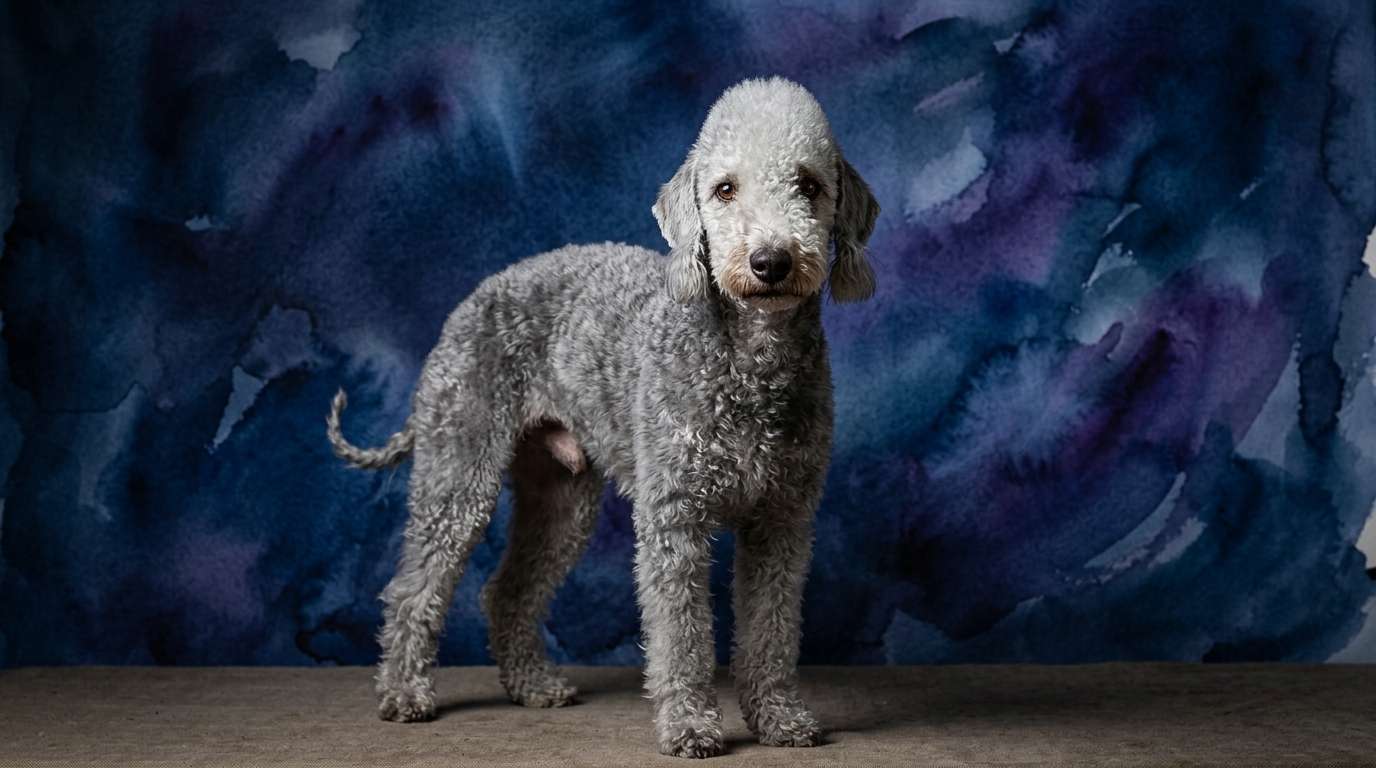
**Bedlington Terrier:** This distinctive breed, originating as a working terrier, applies its cognitive abilities with a characteristic blend of persistence and independence.
**Problem Solving (3/5):** This score reflects a capacity for moderate ingenuity, often expressed in practical, goal-oriented tasks. A Bedlington might methodically work to retrieve a toy stuck under furniture or strategize how to access a forbidden treat, driven by their terrier persistence. Their solutions tend to be physical and direct, reflecting their historical need to navigate complex underground tunnels or outmaneuver small prey.
**Training Speed (3/5):** Bedlingtons generally grasp new commands at a steady pace. They are capable learners, but their independent spirit means consistency and engaging methods are crucial. While they understand quickly, their compliance might vary, requiring an owner who can make training feel like a partnership rather than a command-and-obey exercise.
**Social Intelligence (3/5):** Bedlingtons exhibit a moderate ability to interpret human moods and intentions, forming strong, often singular bonds. They might not be overtly demonstrative with strangers but are keenly observant of their chosen family. Their social awareness often translates into a watchful, perceptive presence, understanding unspoken cues within their trusted circle.
**Instinctive Drive (3/5):** A notable aspect of the Bedlington's cognition is their pronounced instinctive drive, rooted deeply in their terrier heritage. This manifests as a strong prey drive, a propensity for digging, and an alert nature. While a 3/5, it's a powerful force, channeling their energy towards exploring, scent-following, and patrolling their environment with focused determination.
**Memory (3/5):** Bedlingtons possess a solid memory for routines, learned commands, and past experiences. They can recall specific people, places, and events with moderate accuracy, which can be beneficial for consistent training but also means they might remember negative experiences or inconsistencies. Their memory supports their ability to navigate familiar environments and anticipate daily happenings.
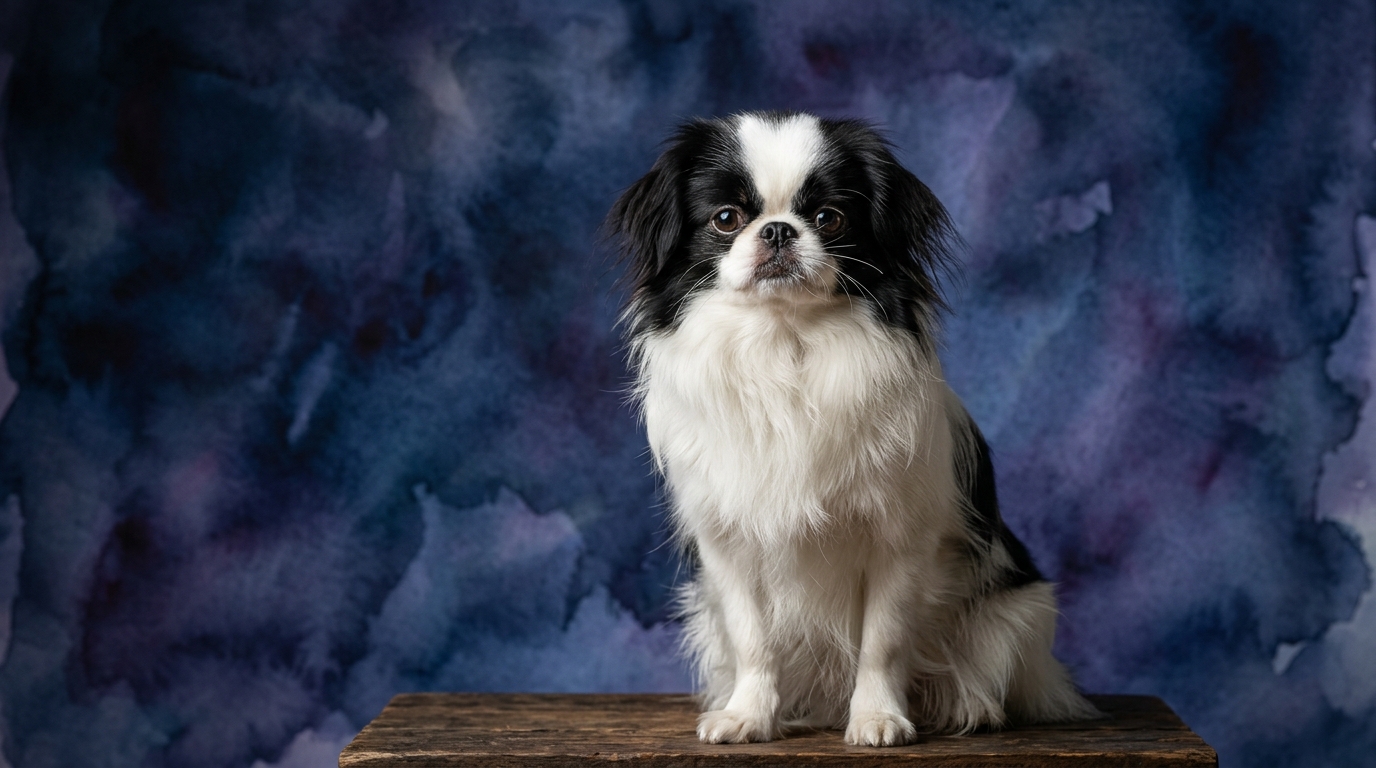
**Japanese Chin:** As a breed steeped in companionship and courtly life, the Japanese Chin's cognitive strengths are finely tuned for social interaction and comfort.
**Problem Solving (3/5):** The Japanese Chin's problem-solving aptitude, also rated 3/5, often manifests in more refined, socially-oriented ways. They might cleverly figure out how to gain an owner's attention, manipulate a situation for a favored lap spot, or discover the quickest route to a comfortable sunbeam. Their solutions are often subtle and charming, leveraging their companion nature to achieve desired outcomes within a domestic setting.
**Training Speed (3/5):** Japanese Chins learn new cues at a moderate rate, often motivated by positive reinforcement and a desire to please their primary caregiver. Their training benefits from gentle, engaging sessions, as their delicate nature means harsh methods are counterproductive. While capable of learning a wide range of commands, their focus might waver with overly repetitive drills, preferring variety and interaction.
**Social Intelligence (3/5):** This breed excels in social nuance, demonstrating a keen awareness of human emotions and interactions. A Japanese Chin's 3/5 social intelligence often means they are highly attuned to their family's moods, offering comfort or seeking play at appropriate times. They thrive on companionship, using their perceptive abilities to foster close bonds and navigate complex household dynamics with grace.
**Instinctive Drive (3/5):** The instinctive drive of a Japanese Chin, while also rated 3/5, is fundamentally different from a terrier's. Their drives are geared more towards comfort, companionship, and perhaps a gentle alert system for household disturbances. They possess an innate desire for warmth and soft surfaces, and their 'hunting' might be limited to chasing dust bunnies rather than vermin, reflecting their long history as pampered companions.
**Memory (3/5):** Japanese Chins exhibit a good memory for their daily routines, favorite people, and preferred comfort spots. They can recall specific cues and past interactions, especially those associated with positive experiences like treats or cuddles. Their memory helps them anticipate events and navigate their home environment, contributing to their adaptable and well-adjusted demeanor.
Where Bedlington Terrier Wins Cognitively
Given their identical IQ scores, discerning a 'win' requires looking at the *application* of their cognitive traits. The Bedlington Terrier's cognitive strengths lean into their historical purpose. Their problem-solving, while rated 3/5, is often more robustly applied to physically demanding or persistent tasks. For instance, a Bedlington might excel at puzzle toys requiring physical manipulation or demonstrate greater tenacity in figuring out how to bypass a child-proof gate. This stems from their terrier drive to overcome obstacles. Their instinctive drive, though numerically equivalent, is far more intensely focused on environmental interaction and exploration; a Bedlington's 3/5 drive compels them to investigate scents, dig, and chase with a focused determination. This translates into a heightened awareness of their surroundings and a tenacious approach to novel stimuli in an outdoor setting. Their memory, while 3/5, is particularly adept at recalling the layout of territories or the locations of perceived 'pests,' making them exceptionally good at patrolling and maintaining a mental map of their domain.
Where Japanese Chin Wins Cognitively
Conversely, the Japanese Chin's cognitive advantages manifest in areas crucial for a devoted companion. Their 3/5 social intelligence, while equal in score, shines brighter in its nuanced application to human interaction. A Chin is often more adept at reading subtle shifts in human body language or tone, offering comfort or seeking interaction with exquisite timing. This makes them profoundly empathetic companions, capable of anticipating needs and responding with charming sensitivity. Their problem-solving, also 3/5, is frequently directed at social engineering – figuring out the most effective way to elicit a cuddle or secure a prime spot on a lap. This requires a different kind of cleverness, one focused on social dynamics rather than physical conquest. Furthermore, their memory (3/5) often prioritizes the recall of positive social routines and preferred comfort zones, contributing to their deeply affectionate and adaptable nature within a family setting. They remember who gives the best scratches and the exact time for an afternoon nap.
Which is Easier to Train and Why
While both breeds hold a 3/5 rating for training speed, their underlying temperaments create distinct training experiences. The Japanese Chin is generally perceived as easier to train due to their strong desire to please and their intrinsic motivation for human companionship. They respond exceptionally well to positive reinforcement, gentle guidance, and short, engaging sessions. Their social intelligence means they quickly pick up on an owner's cues and intentions, often eager to comply to maintain harmony and affection. Repetitive drills might bore them, but they excel with varied, reward-based methods. In contrast, the Bedlington Terrier, despite an identical training speed score, presents a different challenge. Their terrier independence and strong instinctive drives mean they can quickly understand commands but might choose to obey only when it aligns with their current interest or if the reward is sufficiently motivating. Training a Bedlington requires more patience, consistency, and a firm but fair approach to overcome their inherent willfulness and distractibility by environmental stimuli. They are certainly capable learners, but their compliance is often less automatic than a Chin's, requiring an owner who can make training feel like a stimulating game rather than a chore.
Which Suits Active Owners vs Relaxed Owners
The choice between these two breeds for active versus relaxed owners hinges less on their cognitive scores and more on their inherent energy levels and drives. The Bedlington Terrier, with its 3/5 instinctive drive rooted in its working heritage, is an excellent match for active owners. They possess a moderate but consistent need for physical and mental stimulation, thriving on regular walks, engaging playtime, and opportunities to explore. Their problem-solving (3/5) and memory (3/5) are well-suited to learning dog sports, agility, or even advanced trick training that provides an outlet for their intelligence and tenacity. An active owner can channel their curiosity and moderate prey drive into constructive activities, preventing boredom-induced mischief. Conversely, the Japanese Chin is ideally suited for more relaxed owners. Their 3/5 instinctive drive is geared towards comfort and companionship, making them content with moderate indoor play, short strolls, and ample cuddle time. Their social intelligence (3/5) means they are happiest when interacting closely with their family, preferring a cozy lap to an arduous hike. A relaxed owner will appreciate their calm demeanor and their ability to adapt gracefully to a quiet, predictable home environment, finding joy in their charming, affectionate presence rather than demanding physical exertion.
The Verdict
Choose the Bedlington Terrier if you are an active owner seeking a moderately energetic companion who enjoys engaging in stimulating activities and can handle a terrier's independent streak with consistent, positive training. They thrive with owners who appreciate a dog with a keen sense of purpose and a desire to explore their world.
Opt for the Japanese Chin if you are a relaxed owner looking for an affectionate, charming companion content with a calmer lifestyle, moderate activity, and ample close interaction. They are ideal for those who value a dog's social intelligence and their ability to bring quiet joy and comfort to the home.
🧠 Find Your Pet's IQ Score
Our Pet IQ Lab assessment covers 25+ tests across 5 cognitive dimensions — personalized to your breed.
Take the Full IQ Test →Frequently Asked Questions
Do Bedlington Terriers and Japanese Chins learn at the same pace?
While both breeds share a '3/5' training speed rating, the *way* they learn and their motivation differs. Japanese Chins often learn readily to please their owners, while Bedlington Terriers grasp commands but may require more motivation and consistency due to their independent nature.
How do their problem-solving abilities differ despite the same IQ score?
Their problem-solving, rated 3/5 for both, is applied differently. Bedlingtons often use their ingenuity for physical tasks or overcoming obstacles, driven by terrier tenacity. Japanese Chins typically apply their cleverness to social situations or finding comfort, leveraging their charm and companion nature.
Which breed is more adaptable to different living situations?
The Japanese Chin generally demonstrates greater adaptability to various living situations, particularly quieter ones, due to their lower energy needs and strong focus on companionship. Bedlington Terriers, while adaptable, thrive best in environments where their moderate energy and instinctive drives can be constructively channeled.