Side-by-Side Cognitive Profile
Despite identical numerical scores, the Bedlington Terrier and Tibetan Terrier exhibit their cognitive strengths through distinct lenses shaped by their breed origins and intended purposes. Understanding these nuances is key to appreciating their individual forms of mental prowess.
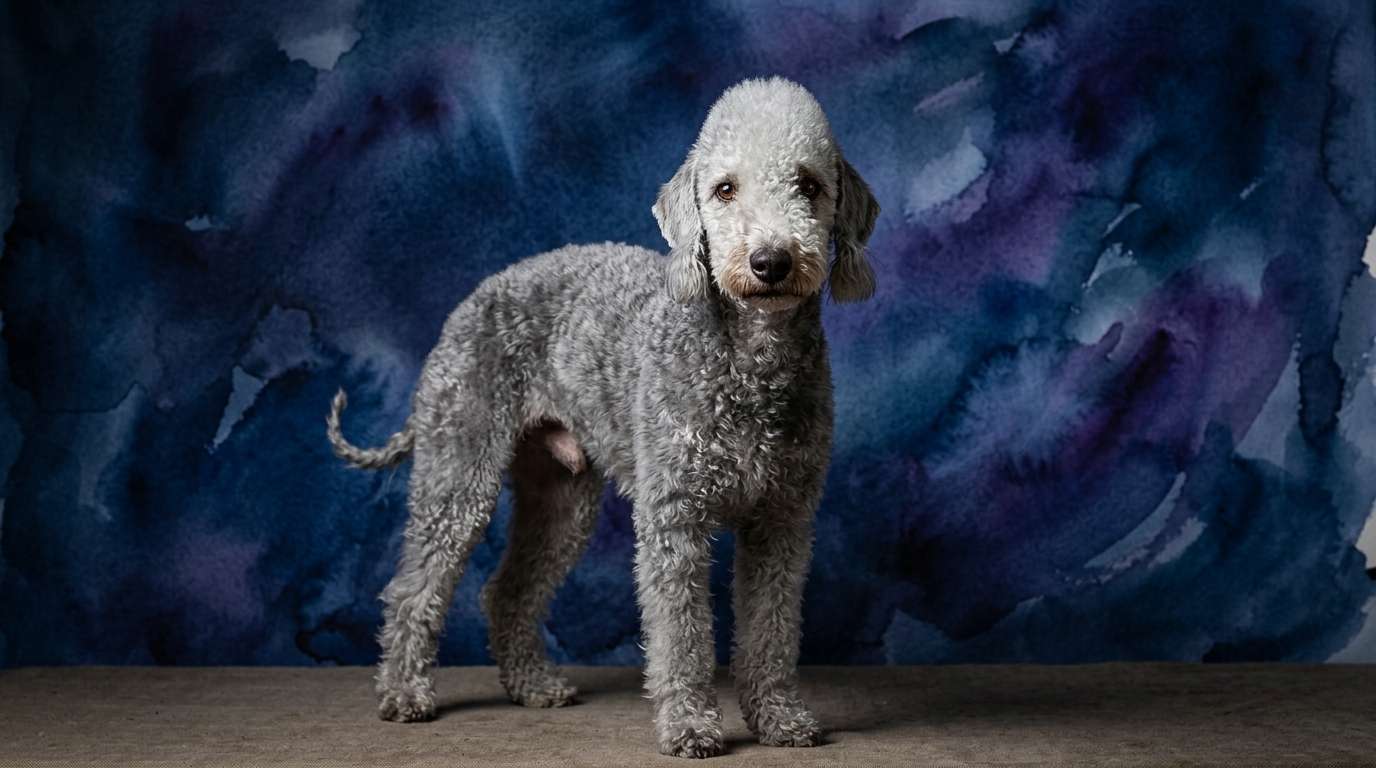
The Bedlington Terrier, a breed hailing from Northumberland, England, was historically tasked with hunting vermin, a role that honed specific cognitive traits. Their Problem Solving (3/5) is rooted in this practical, independent pursuit, often demonstrating a cleverness in navigating environments to achieve a goal, whether it's outmaneuvering a small critter or figuring out how to access a forbidden treat. Training Speed (3/5) for a Bedlington means they can learn, but their strong will and independent Terrier spirit necessitate engaging, consistent, and positive reinforcement; they learn quickly but might choose when to apply that knowledge. Social Intelligence (3/5) allows them to form deep, perceptive bonds with their immediate family, though they can be reserved with strangers, reflecting a discerning nature. Their Instinctive Drive (3/5) is robust, characterized by a natural eagerness to chase, dig, and explore, driven by an ingrained motivation to investigate their surroundings. Finally, their Memory (3/5) is reliable for routines, commands, and particularly for the locations of interesting smells or previously hidden treasures, serving their curious and resourceful disposition.
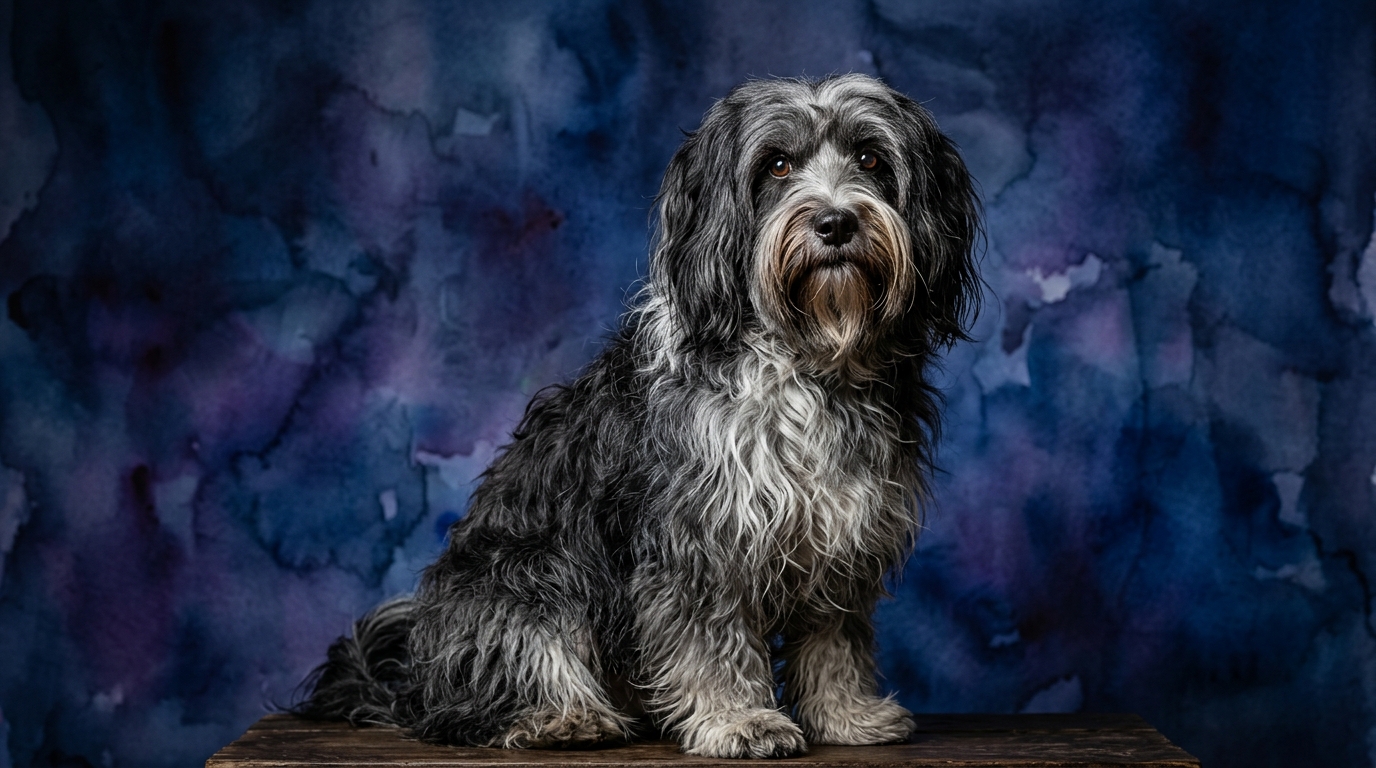
In contrast, the Tibetan Terrier, often called the 'Holy Dog of Tibet,' served as a companion, watchdog, and good luck charm in monasteries and homes. Their Problem Solving (3/5) tends to manifest in navigating social situations or environmental challenges, such as strategizing the best way to gain attention or alerting their family to perceived novelties. Training Speed (3/5), supported by their Coren ranking of #63, indicates they learn at a steady pace, generally requiring consistent positive reinforcement; they are typically eager to please their loved ones but possess a thoughtful independence that requires patient guidance. Social Intelligence (3/5) is a cornerstone of the Tibetan Terrier's cognitive makeup, making them highly attuned to human emotions and household dynamics, excelling at understanding social cues and anticipating their family's needs. Their Instinctive Drive (3/5) is primarily expressed through their watchdog tendencies, alerting to new sounds or visitors, and a natural agility and hardiness stemming from their origins in the rugged Tibetan mountains, rather than a strong prey drive. Their Memory (3/5) is good for people, places, and established household routines, aiding their role as integrated family members and contributing to their adaptable nature within a familiar environment.
Where the Bedlington Terrier Wins Cognitively
While both breeds score identically across the board, the Bedlington Terrier's cognitive strengths shine particularly bright in areas demanding independent resourcefulness and tenacity. Their Problem Solving at a 3/5 level is distinctively geared towards practical, often physical, challenges; imagine a Bedlington meticulously plotting how to retrieve a toy from under a sofa or tirelessly digging to investigate an intriguing scent, demonstrating a singular focus on achieving a self-directed goal. This breed exhibits a remarkable resilience in the face of perceived obstacles, leveraging their inherent drive to overcome rather than seeking human intervention immediately. Their Instinctive Drive, also rated 3/5, fuels a cognitive process that quickly assesses and reacts to environmental stimuli, making them incredibly adept at tasks requiring quick decisions and persistent follow-through, especially in scenarios that tap into their historical role as vermin hunters. This isn't just about speed, but about an unwavering mental commitment to the task at hand, often displaying a cleverness born from their independent spirit and ability to work autonomously.
Where the Tibetan Terrier Wins Cognitively
The Tibetan Terrier, despite the same 3/5 ratings, demonstrates a nuanced cognitive advantage in areas emphasizing social acumen and adaptability within a human household. Their Problem Solving at 3/5 often manifests as a keen ability to interpret complex social situations, perhaps figuring out how to subtly solicit attention or mediating interactions between family members with a gentle nudge. This breed's Social Intelligence, also 3/5, is particularly refined, allowing them to grasp human intentions and emotional states with notable accuracy, making them deeply empathetic and responsive companions. Unlike the Bedlington's more independent approach, the Tibetan Terrier often uses their cognitive skills to enhance their bond with their family, adapting their behavior to fit household rhythms and expectations. Their Memory, while rated similarly, serves to reinforce these social connections, enabling them to recall specific interactions, preferences, and routines that strengthen their integration into the family unit, showcasing a different yet equally valuable form of cognitive prowess centered on harmonious coexistence.
Which Is Easier to Train and Why
Evaluating ease of training when both breeds hold a 3/5 training speed score requires delving into their intrinsic motivations and behavioral tendencies. The Bedlington Terrier's training journey is often characterized by their independent Terrier spirit; they learn commands effectively but might choose to obey only when adequately motivated or when the task aligns with their self-determined interests. Their strong Instinctive Drive, a 3/5, means that distractions like interesting scents or perceived prey can easily divert their focus, demanding engaging, reward-based training that makes learning feel like a compelling game. Owners must be prepared for moments of stubbornness, which isn't a lack of understanding, but rather a strong preference for their own agenda. Building a strong bond and making training exciting are paramount.
In contrast, the Tibetan Terrier, while also possessing an independent streak, generally approaches training with a greater eagerness to please their human companions, a trait bolstered by their refined Social Intelligence. Their Coren rank of #63 suggests a moderate biddability; they learn reliably with consistent, positive reinforcement, and while they aren't machines, their desire for harmonious interaction often translates into a more cooperative attitude in structured training environments. They often respond well to gentle guidance and praise, thriving on positive feedback. Consequently, for an owner seeking a slightly more predictable and generally biddable training partner, the Tibetan Terrier might present a marginally smoother path, provided consistency is maintained and training is approached with patience and understanding of their thoughtful nature.
Suitability for Active vs. Relaxed Owners
The choice between these two breeds for active or relaxed owners hinges on the *type* of activity and mental engagement desired. The Bedlington Terrier, with its historical role and inherent Terrier energy, is an ideal match for active owners who relish consistent engagement. Their 3/5 Instinctive Drive translates into a need for vigorous daily exercise, structured play sessions, and mental puzzles that challenge their problem-solving abilities. They thrive in environments where they can chase, dig in designated areas, and participate in dog sports like agility or earthdog trials, making them superb companions for hikers, joggers, or those who enjoy active outdoor pursuits. A less active lifestyle can lead to boredom and potentially destructive behaviors for this spirited breed, requiring owners to be prepared for substantial daily interaction.
Conversely, the Tibetan Terrier presents a more adaptable profile, suitable for a range of lifestyles. While they certainly enjoy and require daily walks and playtime, their needs are often less intensely driven than a Bedlington's. Their 3/5 Social Intelligence means they are content to be close companions, enjoying both energetic romps and quiet evenings on the couch. They adapt well to apartment living provided they receive adequate daily exercise and mental stimulation, making them a fitting choice for owners who appreciate regular activity but also value periods of calm companionship without a relentless demand for high-octane engagement. They possess a natural hardiness and agility but are equally happy to settle down with their family.
The Verdict
Choose the Bedlington Terrier if you seek an agile, independent, and spirited companion, prepared to engage in creative, consistent training and provide ample physical and mental challenges for a resilient and resourceful dog.
Opt for the Tibetan Terrier if you desire a perceptive, adaptable, and loyal companion who balances playful energy with a calm demeanor, valuing a dog with a distinct personality and a moderate, biddable nature.
🧠 Find Your Pet's IQ Score
Our Pet IQ Lab assessment covers 25+ tests across 5 cognitive dimensions — personalized to your breed.
Take the Full IQ Test →Frequently Asked Questions
Are Bedlington Terriers good family dogs?
Bedlington Terriers can be excellent family dogs, forming strong bonds with their immediate human family members. They are playful and affectionate but require consistent training and socialization from a young age due to their independent and sometimes assertive Terrier nature. They generally do best with older, respectful children who understand how to interact with a spirited dog.
Are Tibetan Terriers good for first-time owners?
Tibetan Terriers can be a good choice for first-time owners who are committed to consistent training and socialization. They are intelligent and generally eager to please, making them relatively trainable, but their independent streak means patience and positive reinforcement are key. Their adaptability and moderate exercise needs make them manageable, but understanding their social sensitivities is important.
Do either of these breeds shed much?
Neither the Bedlington Terrier nor the Tibetan Terrier are heavy shedder, making them popular choices for individuals seeking lower-shedding breeds. However, both require regular grooming to maintain their unique coats. Bedlingtons need professional clipping every few months, while Tibetan Terriers have a double coat that needs frequent brushing to prevent matting.