Side-by-Side Cognitive Profile: Groenendael vs. Great Pyrenees
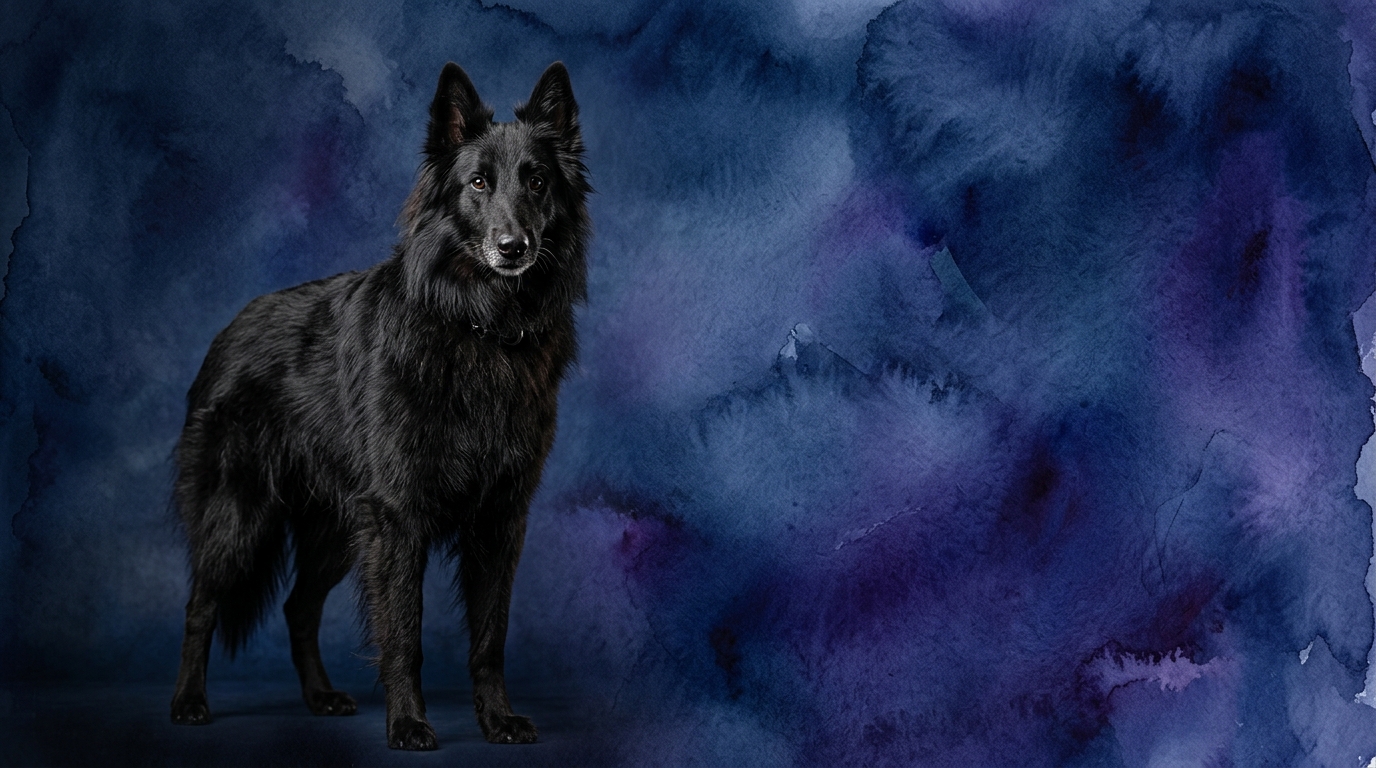
Delving into the cognitive makeup of these two distinct breeds, we observe how their ancestral purposes have refined their mental attributes. The Belgian Sheepdog (Groenendael), a herding breed with a Coren ranking of #15, presents a profile marked by agility and responsiveness. Its problem-solving capacity scores 5/5, indicating a strong ability to analyze and navigate new challenges. Training speed also rates 5/5, suggesting rapid command acquisition. Social intelligence stands at 3/5, reflecting an ability to bond deeply within its trusted circle while being discerning of outsiders. Instinctive drive, at 3/5, points to a manageable yet present herding impulse. Finally, memory is exceptional at 5/5, allowing for complex task retention and recall.
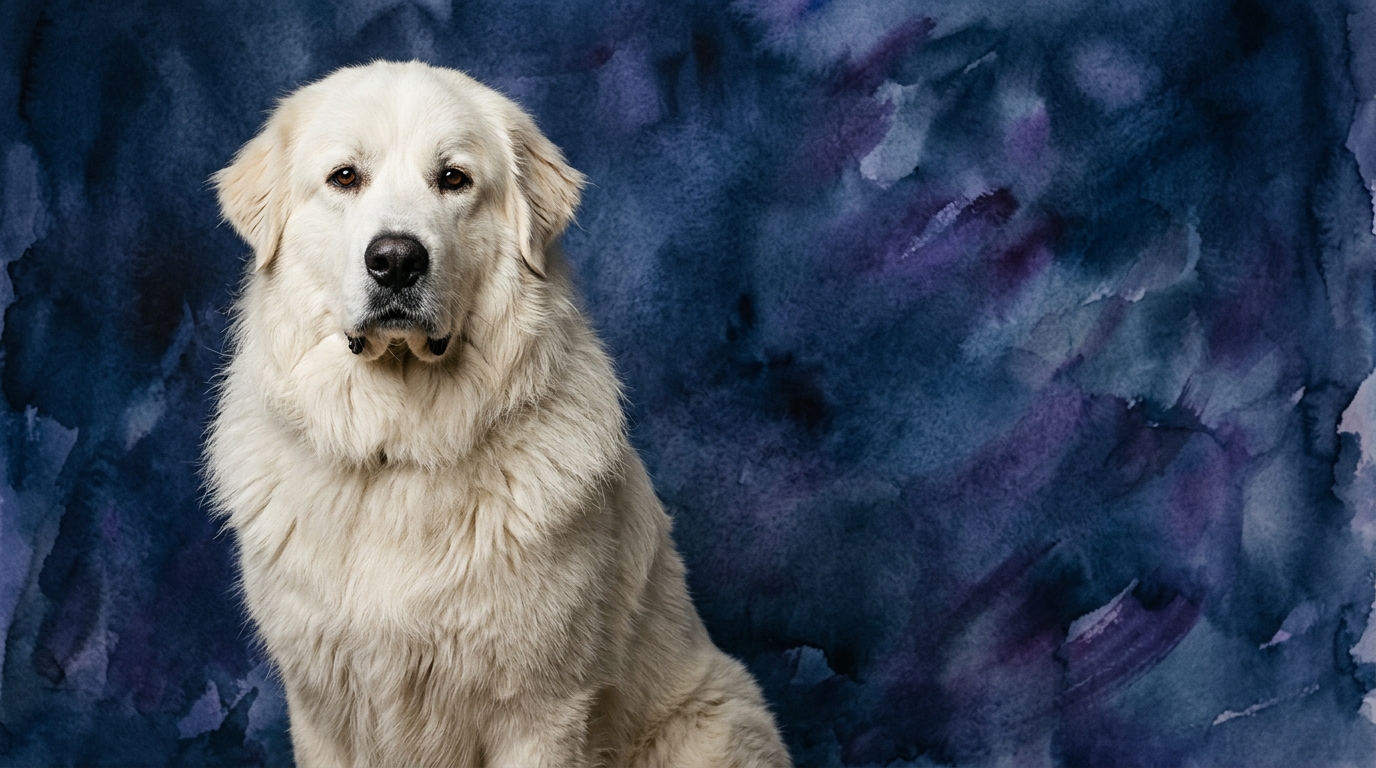
In contrast, the Great Pyrenees, a working breed ranked #64 by Coren, demonstrates a profile geared towards independent guardianship. Its problem-solving ability sits at 3/5, indicating a practical, often deliberate approach to obstacles. Training speed is also 3/5, suggesting a more measured pace for learning. Social intelligence, like the Groenendael, is 3/5, signifying a reserved yet loyal disposition. Instinctive drive, at 3/5, reflects a powerful, self-directed protective impulse. Memory, too, is rated 3/5, providing a solid foundation for recalling territory and routines without the need for exceptional detail.
Where the Belgian Sheepdog (Groenendael) Excels Cognitively
The Groenendael’s cognitive profile showcases several areas of distinct advantage, particularly in dynamic, interactive scenarios. Their 5/5 problem-solving ability means they are not simply reactive; they proactively analyze and strategize. This can be observed when they quickly learn to manipulate environmental elements, such as unlatching a gate or figuring out a novel puzzle toy, demonstrating a capacity for abstract reasoning beyond mere rote memorization. Their herding heritage instilled a need to think independently and make swift decisions in dynamic situations.
Coupled with their problem-solving, the Groenendael's 5/5 training speed and 5/5 memory contribute to exceptional training efficacy and retention. This breed absorbs and retains complex command sequences with remarkable efficiency. They don't just learn a trick; they master it and embed it into their behavioral repertoire for the long term, making them prime candidates for competitive obedience, protection work, or intricate performance sports where precision and recall are paramount.
These combined cognitive strengths—quick learning, strong memory, and proactive problem-solving—enable Groenendaels to excel across a diverse range of tasks. From intricate scent work to agility courses requiring rapid decision-making and precise execution, they demonstrate a mental agility that allows them to adapt and master new challenges with consistent success and enthusiasm for engagement.
Where the Great Pyrenees Excels Cognitively
While their numerical scores may appear lower, the Great Pyrenees possesses cognitive strengths perfectly tailored to their historical role as independent livestock guardians. Their 3/5 instinctive drive, while not higher numerically, represents a profound cognitive strength in its specific manifestation. Their guarding instinct is deeply self-directed, requiring minimal human prompting to assess and deter threats to their flock or family. This isn't about learning complex commands, but about an innate, reliable judgment and unwavering commitment to protection, a vital cognitive function for a livestock guardian.
The Pyrenees' 3/5 problem-solving manifests as a preference for observing and evaluating situations with a stoic demeanor before acting. Unlike breeds that might react with immediate, agile responses, the Pyrenees' cognitive strength lies in their ability to maintain a calm, imposing presence, often deterring threats through sheer size and steady watchfulness. This deliberate approach to "problem-solving" is highly effective for their role, prioritizing sustained vigilance over rapid, physical intervention.
Their 3/5 social intelligence translates into a discriminating social awareness crucial for a guardian. They form deep, loyal bonds with their trusted family and livestock but maintain a reserved, cautious stance towards strangers, evaluating intentions rather than seeking universal approval. This cognitive trait ensures they are not easily distracted from their protective duties by unfamiliar individuals, maintaining their focus on their perceived responsibilities.
Training Dynamics: Groenendael Responsiveness vs. Pyrenees Independence
When it comes to trainability, the differences between these breeds are pronounced, largely influenced by their historical roles and cognitive profiles. The Belgian Sheepdog (Groenendael), with its 5/5 training speed and 5/5 problem-solving, is generally considered more straightforward to train. They are eager to learn, quickly grasp concepts, and genuinely enjoy the mental engagement that comes with structured training sessions. Their herding background means they are receptive to direction and thrive on working in partnership with their handler, readily accepting and executing commands with precision and enthusiasm. They thrive on structure and consistent challenges.
The Great Pyrenees, on the other hand, presents a different training experience due to its 3/5 training speed, 3/5 problem-solving, and profound independence. Bred to work autonomously, making their own decisions about flock protection in vast, remote areas, they often question commands or require clear reasoning for compliance rather than immediate, enthusiastic obedience. Training a Pyrenees demands immense patience, unwavering consistency, and an understanding of their deep-seated self-reliance. Their deliberate processing and evaluation of commands against their perceived purpose mean they may take longer to master tasks, and compliance often comes from respect and trust rather than an inherent desire to please.
Lifestyle Match: Active Engagement vs. Calm Vigilance
The ideal owner for each breed aligns closely with their cognitive and behavioral tendencies. The Belgian Sheepdog (Groenendael) is an excellent match for active owners who can provide significant physical and mental stimulation. Their high problem-solving and memory capacities mean they get bored without engaging activities like dog sports (agility, obedience, Schutzhund), advanced obedience training, or a consistent 'job' to perform. An owner who enjoys hiking, running, competitive dog sports, or engaging in complex trick training will find a fulfilling and responsive partner in a Groenendael, thriving on shared activities and mental challenges.
Conversely, the Great Pyrenees is better suited for owners who appreciate a more relaxed yet vigilant companion. While they need regular exercise, it often manifests as patrolling their territory rather than high-intensity bursts of activity. Their independence and lower training speed mean they aren't constantly seeking direction or complex tasks, but rather a secure outdoor space to oversee. An owner who values a stoic, steady presence, is comfortable with a less 'needy' or 'always-on' dog, and understands their self-sufficient guarding instincts will find a loyal and dedicated companion in a Great Pyrenees, content with a calm, consistent routine and a secure home to protect.
The Verdict: When to Choose Each Breed
The Verdict
Opt for a Groenendael if you seek a highly engaged, responsive canine partner for advanced training, dog sports, or a working role, and are prepared to provide consistent mental and physical challenges.
Select a Great Pyrenees if you value a stoic, independent guardian with a calm demeanor, requiring a secure territory and an owner who respects their self-sufficient nature and steady vigilance.
🧠 Find Your Pet's IQ Score
Our Pet IQ Lab assessment covers 25+ tests across 5 cognitive dimensions — personalized to your breed.
Take the Full IQ Test →Frequently Asked Questions
Does a lower Coren rank mean a dog isn't intelligent?
Not at all; Coren's ranking primarily assesses 'working and obedience intelligence,' reflecting how quickly a breed learns human-directed tasks. It doesn't fully capture adaptive intelligence, problem-solving in natural contexts, or the specific cognitive strengths crucial for a breed's original purpose, like the Great Pyrenees' autonomous guarding.
Can a Great Pyrenees be trained for advanced obedience or dog sports?
While Great Pyrenees can certainly learn obedience, their independent nature and deliberate training speed mean they may not achieve the same level of precision or enthusiasm for competitive sports as a Groenendael. Success requires immense patience, positive reinforcement, and understanding their inherent drive to make their own decisions rather than follow every command instantly.
How do the social intelligence scores (3/5 for both) manifest differently in these breeds?
For the Groenendael, a 3/5 social intelligence often means they form deep bonds and are attuned to their family, but might be reserved or watchful with strangers, typical of a protective herder. For the Great Pyrenees, this score reflects their discerning nature; they are loyal to their flock (family) but remain aloof and independent, observing social dynamics without necessarily seeking to actively participate or please.