Side-by-Side IQ Profile: Unpacking Canine Cognition
At The Cosmic Pet Pet IQ Lab, we evaluate canine intelligence across five critical dimensions: Problem Solving, Training Speed, Social Intelligence, Instinctive Drive, and Memory. These metrics provide a nuanced understanding beyond simple rankings, revealing how each breed processes information and interacts with their world.
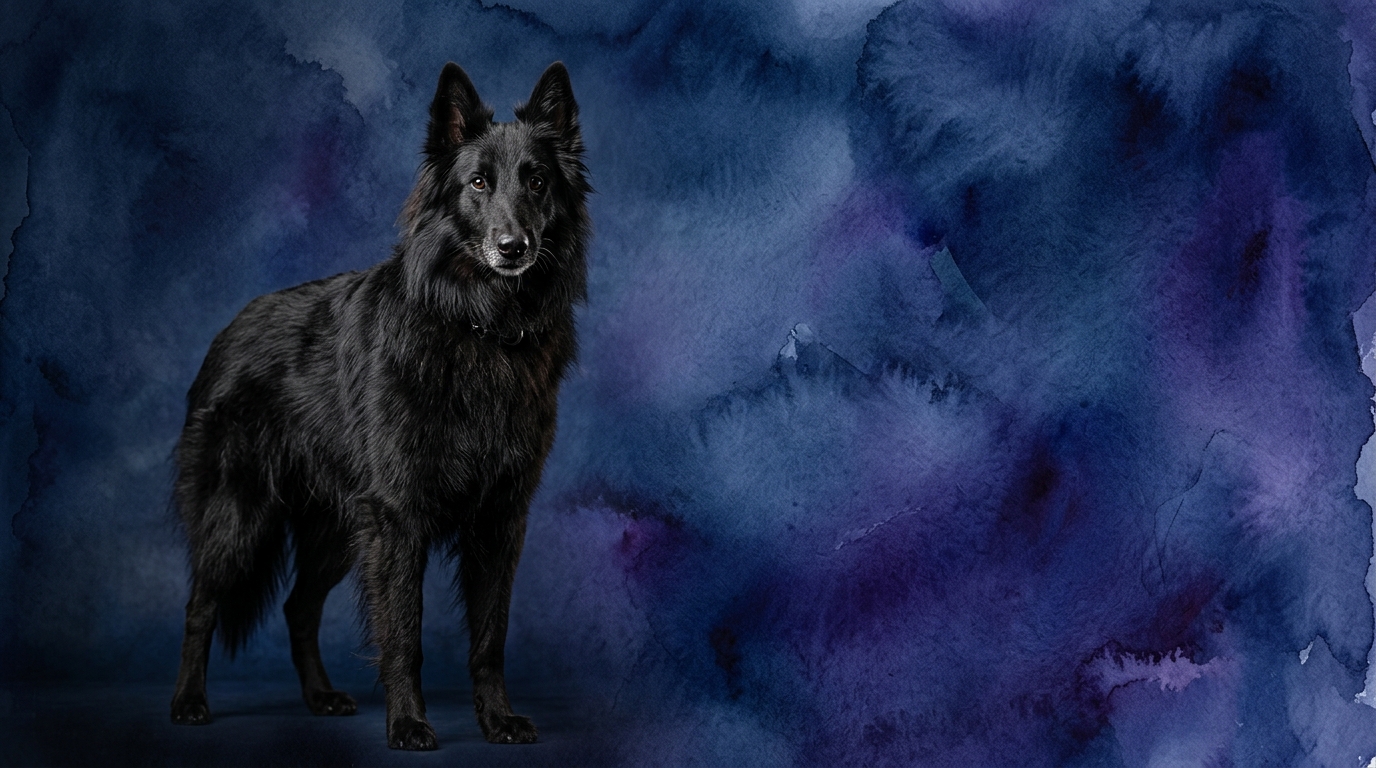
The Belgian Sheepdog (Groenendael), a Herding breed with a Coren rank of #15, presents a formidable cognitive profile. They score 5/5 in Problem Solving, indicating a strong capacity for abstract thought and quick adaptation to novel situations. Their Training Speed is also a perfect 5/5, reflecting an eagerness and rapid absorption of commands. Social Intelligence is rated 3/5, suggesting a reserved but deeply loyal nature, while Instinctive Drive sits at 3/5, representing manageable herding impulses. Their Memory is exceptional, earning a 5/5, allowing for the retention of complex sequences and information.
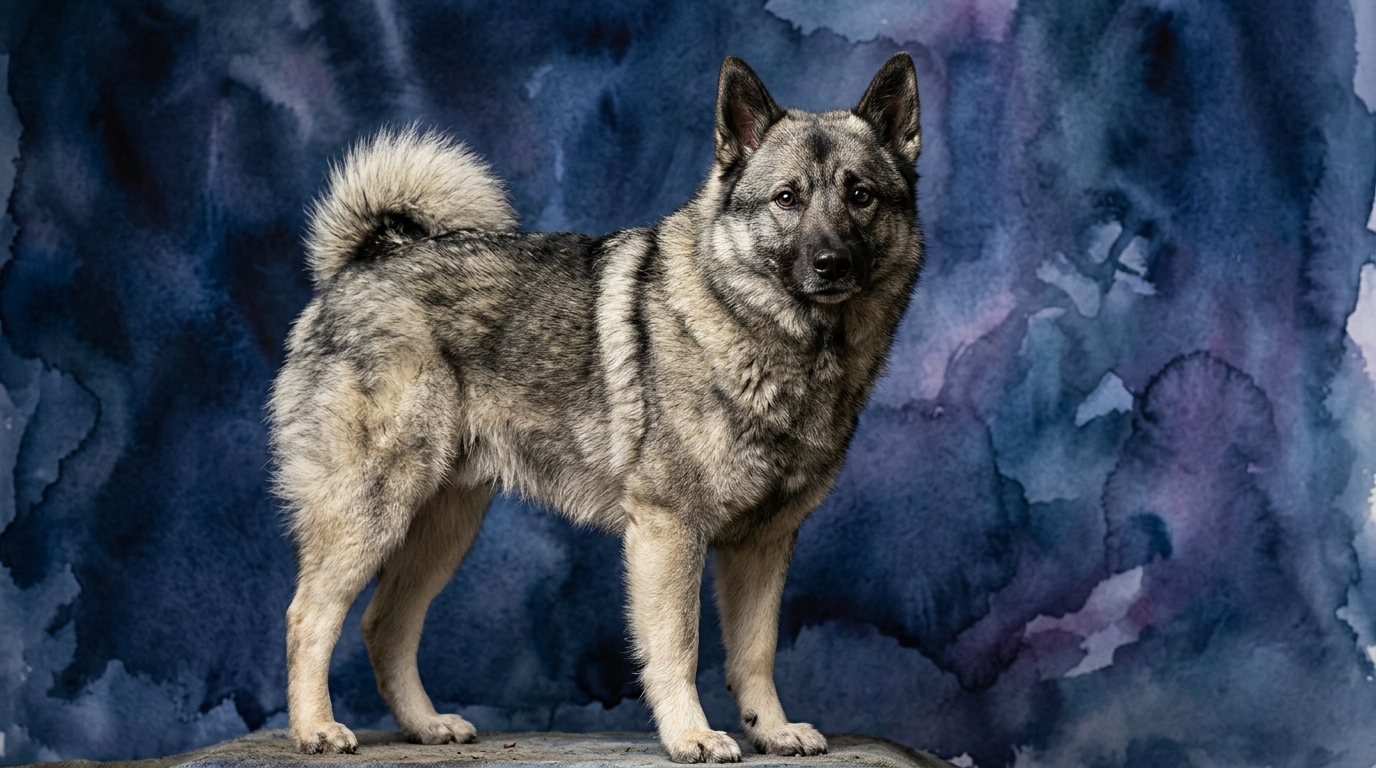
In contrast, the Norwegian Elkhound, a Hound breed ranked #36 by Coren, demonstrates a different set of strengths. Their Problem Solving is a solid 4/5, characterized by independent, resourceful thinking rather than abstract strategy. Training Speed is 4/5, showing good learning ability but often with a more self-directed approach. Like the Groenendael, their Social Intelligence is 3/5, indicating a friendly yet self-reliant disposition. Instinctive Drive is also 3/5, largely centered around their hunting and tracking heritage, and their Memory is a strong 4/5, functional and practical for their working role.
While both breeds exhibit admirable cognitive abilities, a closer look reveals the Groenendael's edge in rapid learning and abstract problem-solving, contrasting with the Elkhound's robust, practical intelligence rooted in self-sufficiency and environmental awareness. This fundamental difference shapes their interactions and suitability for various roles.
Where the Belgian Sheepdog (Groenendael) Shines Cognitively
The Belgian Sheepdog's cognitive prowess is most evident in its exceptional Problem Solving (5/5) and Memory (5/5). This combination allows them to not only quickly grasp complex instructions but also strategize and adapt to new challenges with remarkable agility. They don't just learn a task; they understand its underlying principles, enabling them to generalize knowledge to unfamiliar scenarios.
This aptitude is a direct reflection of their Herding heritage, where anticipating livestock movement, responding to subtle hand signals from a distance, and executing intricate patterns are daily requirements. A Groenendael will excel in activities requiring sequential learning, such as mastering advanced agility courses, performing intricate trick routines, or even understanding and responding to nuanced verbal cues that signify different household expectations. Their capacity for retaining vast amounts of information means they rarely forget what they've learned, making training a cumulative and rewarding experience.
Furthermore, their perfect 5/5 Training Speed means new commands and behaviors are often acquired in very few repetitions. This isn't merely about obedience; it's about a dog that actively seeks to understand and collaborate, absorbing information at a pace that allows for rapid progression through advanced training levels. They are often one step ahead, anticipating the next command, which can be both a joy and a challenge for an owner.
Where the Norwegian Elkhound Excels Cognitively
The Norwegian Elkhound's cognitive strengths lie in its distinct brand of Problem Solving (4/5) and its functional Instinctive Drive (3/5), which are deeply intertwined with its history as a big-game hunter. While not boasting the same abstract problem-solving speed as the Groenendael, the Elkhound demonstrates exceptional resourcefulness and persistence in navigating its environment and pursuing objectives independently. Their intelligence is geared towards practical application in the field.
This breed excels at tasks requiring independent thought and sensory acuity, such as tracking game over varied terrain or finding ingenious ways to overcome physical obstacles to reach a desired scent. For example, an Elkhound might not wait for a human to open a gate but will systematically try different methods to bypass it if a compelling scent lies beyond. Their problem-solving isn't about pleasing a handler but about achieving their own, often instinct-driven, goals. They remember complex trails and scent profiles with impressive accuracy, vital for their original purpose.
While their Memory is rated 4/5, it is highly effective for their role, enabling them to recall vast amounts of environmental data crucial for hunting and navigation. Their Social Intelligence (3/5) allows for sufficient cooperation without fostering an overly dependent nature, meaning they are capable partners but retain a strong sense of self. This blend of practical problem-solving and self-reliance makes them adept at tasks requiring endurance, focus, and a degree of autonomy.
Training Dynamics: Groenendael's Eagerness vs. Elkhound's Independence
Training a Belgian Sheepdog is often characterized by their remarkable 5/5 Training Speed and 5/5 Memory, making them highly responsive and eager pupils. They thrive on structure, consistency, and a clear understanding of expectations, often viewing training as a collaborative intellectual exercise with their handler. Their inherent drive to participate and please means they pick up new commands and complex routines quickly, often with minimal repetition. However, this same quickness means they can also learn undesirable behaviors with equal speed if not provided with consistent guidance and mental stimulation.
The Norwegian Elkhound, with a 4/5 Training Speed and a more independent nature, requires a different approach. They are capable learners, but their motivation often stems from their own interests rather than an inherent desire to please. Training an Elkhound requires patience, creativity, and a deep understanding of what truly motivates them, whether it's a high-value treat, a favorite toy, or the opportunity for a fulfilling scent-tracking exercise. They will learn, but often with a 'what's in it for me?' attitude, and they may test boundaries more frequently than the Groenendael. Consistency and positive reinforcement are paramount to building a strong working relationship that respects their self-reliant spirit.
Both breeds share a 3/5 Social Intelligence, meaning neither is overly effusive with strangers, preferring their inner circle. However, the Groenendael's desire for handler approval significantly aids in training, as they are often looking to their person for direction and affirmation. The Elkhound, while loyal and affectionate with its family, is generally more self-contained, meaning the bond must be exceptionally strong and trust-based to inspire consistent compliance, especially when their instincts pull them in another direction.
Matching Breeds to Lifestyles: Active Owners vs. Relaxed Owners
For owners seeking an intensely interactive and mentally stimulating companion, the Belgian Sheepdog is an excellent fit. Their high cognitive demands—manifested in 5/5 problem-solving and 5/5 memory—mean they require consistent mental engagement alongside vigorous physical exercise. They are not content to merely observe; they need a job or a purpose. Owners involved in dog sports like agility, obedience, or protection work will find a dedicated and capable partner in the Groenendael. Without adequate mental and physical outlets, their sharp minds can lead to boredom-driven behaviors like destructive chewing or excessive barking, making them unsuitable for a truly 'relaxed' or hands-off ownership style.
The Norwegian Elkhound also demands an active lifestyle, but their needs are often geared towards endurance and exploration rather than intense, structured mental work. They thrive on long hikes, jogging, scent work, and opportunities to patrol a yard or trail. Their independent nature (though still requiring engagement) means they might tolerate periods of less direct interaction than a Groenendael, provided their robust exercise requirements are met. They are excellent companions for outdoor enthusiasts who enjoy consistent, sustained activity that taps into their hound instincts. While they can be calm indoors, this calm is contingent upon having their outdoor needs thoroughly satisfied.
It's crucial to note that neither the Belgian Sheepdog nor the Norwegian Elkhound is suitable for truly 'relaxed' owners in the sense of minimal engagement. Both are working breeds with significant needs for activity and purpose. However, the Elkhound's independence might make them appear less demanding for constant interactive games or training sessions, whereas the Groenendael's inherent drive for collaboration and direction makes them less suited for an owner who prefers a largely hands-off approach to their dog's daily mental life.
The Verdict: When to Choose Each
The Verdict
Select the Belgian Sheepdog (Groenendael) if you seek a highly trainable, quick-witted partner for advanced dog sports, complex tasks, and a deep, interactive bond, provided you can meet their intense mental and physical stimulation needs.
Opt for the Norwegian Elkhound if you appreciate an independent, resourceful companion for outdoor adventures, scent work, and a dog that is self-reliant yet loyal, understanding that their training requires patience and motivation tailored to their hound nature.
🧠 Find Your Pet's IQ Score
Our Pet IQ Lab assessment covers 25+ tests across 5 cognitive dimensions — personalized to your breed.
Take the Full IQ Test →Frequently Asked Questions
Which breed is better for first-time dog owners?
Neither breed is typically recommended for absolute first-time owners due to their strong working drives and specific needs. However, a highly committed and educated first-timer might find the Groenendael's eagerness to please slightly easier to manage than the Elkhound's independence, given consistent training.
Do these breeds get along with other pets?
Both breeds can coexist with other pets, especially if socialized from a young age. The Groenendael's herding instinct might lead to 'herding' other animals, while the Elkhound's prey drive could be a concern with smaller, fast-moving pets, requiring careful introductions and supervision.
What are the key exercise differences between them?
The Groenendael needs varied, high-intensity exercise often combined with mental challenges like agility or obedience work to prevent boredom. The Elkhound thrives on endurance activities like long hikes, jogging, or scent tracking, benefiting from consistent, sustained physical output rather than just bursts of speed.