
Side-by-Side Cognitive Profiles: Groenendael vs. Deerhound
The Belgian Sheepdog (Groenendael), a member of the Herding group, registers a notable Coren rank of #15, indicating a high capacity for obedience and working intelligence. Its individual IQ dimensions paint a picture of sharp mental acuity: Problem Solving at 5/5, Training Speed at 5/5, and Memory at 5/5. Social Intelligence stands at 3/5, suggesting an understanding of human cues but perhaps less generalized social adaptability than some breeds, while Instinctive Drive is also 3/5, reflecting a manageable yet present herding impulse.
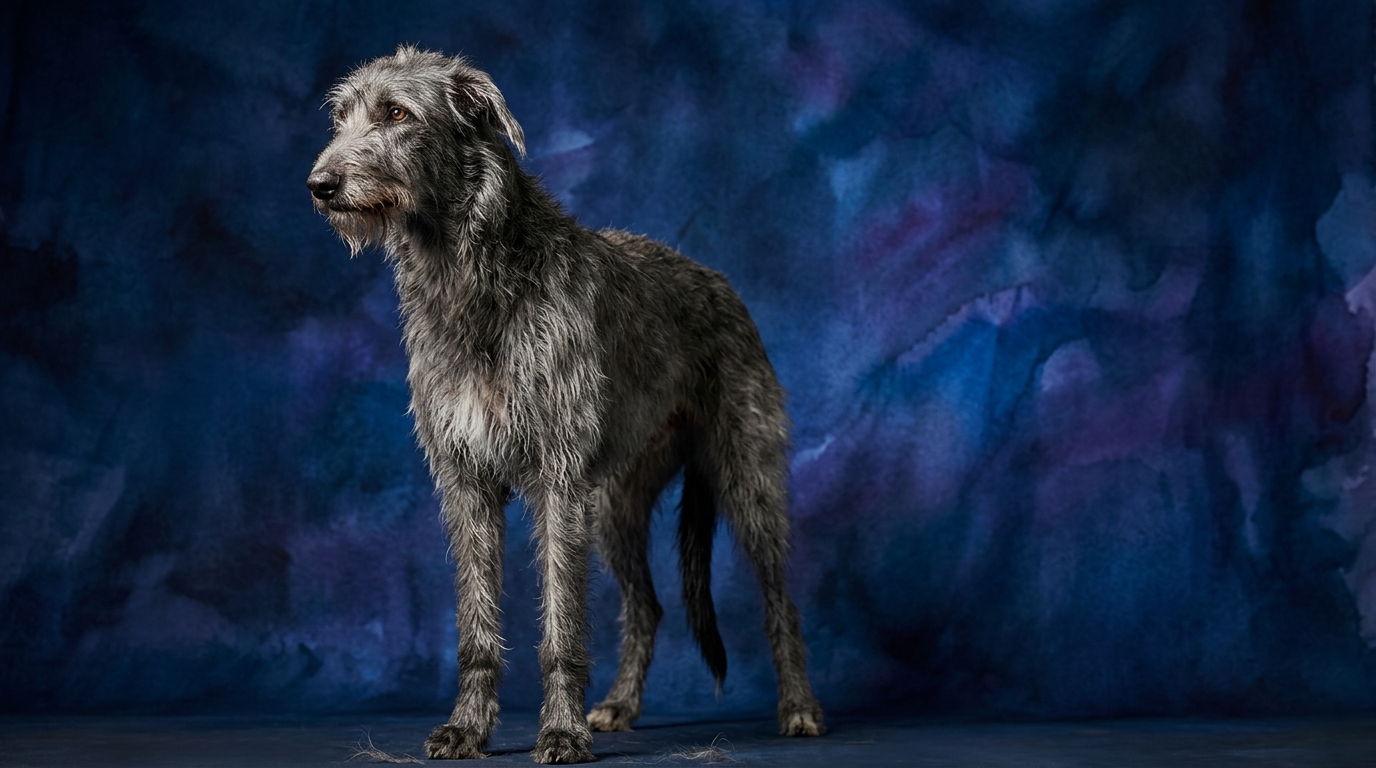
In contrast, the Scottish Deerhound, a majestic member of the Hound group, is not listed on Coren's ranking, which is common for breeds whose primary drive isn't obedience-based work. Across all five IQ dimensions, the Deerhound scores 3/5: Problem Solving, Training Speed, Social Intelligence, Instinctive Drive, and Memory. This consistent mid-range scoring suggests a balanced, perhaps more independent, cognitive approach, where their intelligence is geared towards specific sighthound tasks rather than broad, human-directed endeavors.
Where the Belgian Sheepdog (Groenendael) Excels Cognitively
The Groenendael's strengths are rooted deeply in its heritage as a herding dog, demanding rapid, adaptive thinking and precise execution. A 5/5 in Problem Solving signifies an impressive ability to analyze complex situations, devise strategies to move livestock, or navigate intricate obedience courses. This isn't about brute force but about anticipating outcomes and adjusting tactics on the fly, whether it’s blocking an escape route for a sheep or deciphering a multi-step command sequence.
Their 5/5 in Training Speed is a testament to their exceptional receptiveness to instruction. Groenendaels absorb new commands and behaviors with remarkable alacrity, often requiring fewer repetitions than many other breeds. This quick uptake is coupled with a 5/5 Memory, ensuring that once a lesson is learned, it is retained for the long term. This combination makes them highly reliable in performing complex routines, remembering intricate agility courses, or executing a series of commands flawlessly, even after a significant time lapse. Their cognitive makeup drives them to seek and understand patterns, making them exceptional students in structured learning environments.
Where the Scottish Deerhound Shines Cognitively
While the Deerhound's 3/5 scores across the board might seem less spectacular on paper, they reflect a form of intelligence perfectly suited to its original purpose: hunting deer. Their Problem Solving at 3/5 isn't about abstract puzzles, but about practical, real-world application. This manifests as an innate ability to assess terrain during a high-speed chase, identify the quickest route to intercept prey, or gauge the most efficient way to navigate obstacles. It’s a reactive, situational intelligence, honed for survival and pursuit rather than human-directed tasks.
The Deerhound's 3/5 in Instinctive Drive highlights a powerful yet often self-directed prey drive, requiring keen observation and independent decision-making in the field. Their Memory at 3/5, while not as robust for complex sequences as the Groenendael, is likely excellent for remembering specific hunting grounds, safe running paths, or the scent trails of past quarry. Similarly, their 3/5 Social Intelligence often translates to a gentle, observant demeanor, allowing them to interact harmoniously within a household or pack, understanding subtle social cues without necessarily seeking intense direction or validation, preferring a more independent coexistence.
Training Dynamics: Biddable Student vs. Independent Thinker
Training a Groenendael often feels like collaborating with an eager, highly motivated partner. Their 5/5 Training Speed means they pick up cues and behaviors rapidly, and their strong memory ensures these lessons stick. They thrive on consistency, clear communication, and positive reinforcement, often demonstrating a deep desire to please their handler. This makes them ideal candidates for advanced obedience, agility, protection sports, and any role requiring precision and a high degree of responsiveness. Their herding background instills a natural inclination to work in partnership, making them highly biddable and attentive to human direction.
Conversely, training a Scottish Deerhound requires a different approach, one that respects their independent nature and sighthound instincts. With a 3/5 in Training Speed, they learn at a moderate pace, often requiring more patience and creative motivation than a Groenendael. Their 3/5 in Instinctive Drive means they can be easily distracted by visual stimuli or scents, and their sighthound independence means they might question the necessity of a command if it doesn't align with their immediate interests. Success with Deerhounds often comes from making training fun, short, and highly rewarding, focusing on building a strong bond rather than demanding rote obedience. They respond best to fairness and understanding, rather than forceful methods, which can lead to withdrawal or stubbornness.
Lifestyle Match: Engaged Partner vs. Graceful Companion
The Belgian Sheepdog (Groenendael) is an excellent match for active owners who relish mental engagement and physical exertion. Their high Problem Solving and Training Speed mean they require consistent mental stimulation through training, puzzle toys, and challenging activities. They are not content to simply exist; they thrive when given a job or a purpose. Owners who enjoy dog sports like agility, obedience, flyball, or even simply long, vigorous hikes and training sessions will find a deeply rewarding partnership with a Groenendael. They are typically always 'on,' ready for the next adventure or learning opportunity.
The Scottish Deerhound, while requiring bursts of intense exercise, particularly secure off-leash running opportunities, also possesses a calm and dignified demeanor indoors. They are suited for owners who can provide these essential outlets for their sighthound instincts but also appreciate a relaxed, quiet companion for the majority of the day. While they need mental engagement, it might manifest as thoughtful observation or gentle interaction rather than constant 'work.' They are not typically suited for highly structured, competitive dog sports in the same vein as a Groenendael, preferring perhaps lure coursing or simply a good gallop in a safe, expansive area, followed by a long nap on the sofa. Owners who value grace, independence, and a calm presence, along with the ability to facilitate their intense, albeit brief, physical needs, will find a wonderful companion in the Deerhound.
The Verdict
Choose the Belgian Sheepdog (Groenendael) if you seek a highly trainable, mentally agile partner for structured activities, dog sports, or a demanding working role.
Opt for the Scottish Deerhound if you desire a gentle, independent companion who enjoys bursts of intense exercise balanced with quiet, dignified relaxation at home.
🧠 Find Your Pet's IQ Score
Our Pet IQ Lab assessment covers 25+ tests across 5 cognitive dimensions — personalized to your breed.
Take the Full IQ Test →Frequently Asked Questions
Are Belgian Sheepdogs good for first-time dog owners?
Belgian Sheepdogs are intelligent and trainable, but their high drive and need for mental stimulation can be challenging for inexperienced owners. They thrive with consistent training and an owner dedicated to engaging their sharp minds and active bodies.
Do Scottish Deerhounds bark a lot?
Scottish Deerhounds are not typically excessive barkers. They tend to be quiet and reserved, often only barking to alert to something unusual or during play, making them relatively peaceful companions indoors.
What kind of mental stimulation do Scottish Deerhounds need?
Scottish Deerhounds benefit from activities that engage their sighthound senses, such as lure coursing, exploring new scents on walks, or puzzle toys that encourage problem-solving. While not as focused on obedience drills, they appreciate thoughtful interaction and opportunities to use their natural instincts.