Side-by-Side IQ Profile: Herder vs. Guardian
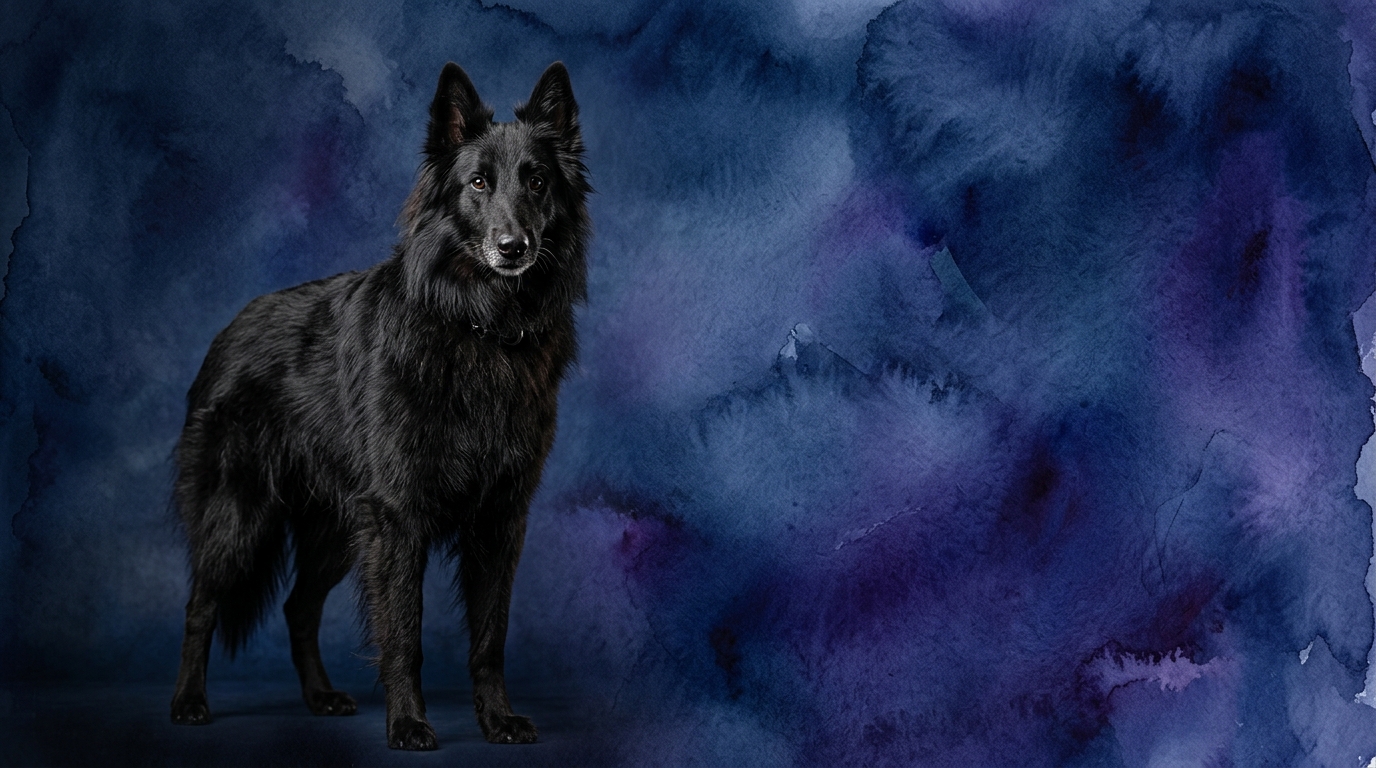
The Belgian Sheepdog (Groenendael), a member of the herding group, presents a cognitive blueprint optimized for dynamic interaction and rapid learning. Its Problem Solving is exceptional at 5/5, indicating a profound capacity to analyze situations, devise solutions, and adapt to changing conditions, a trait invaluable for managing livestock. This breed's Training Speed also stands at an impressive 5/5, reflecting its eagerness to learn and ability to quickly grasp new commands and complex routines. Memory is equally strong at 5/5, allowing for extensive retention of learned behaviors and experiences. Social Intelligence is rated 3/5, suggesting a thoughtful approach to interactions that benefits from structured socialization, while its Instinctive Drive at 3/5 indicates a controlled yet present herding impulse that can be channeled effectively.
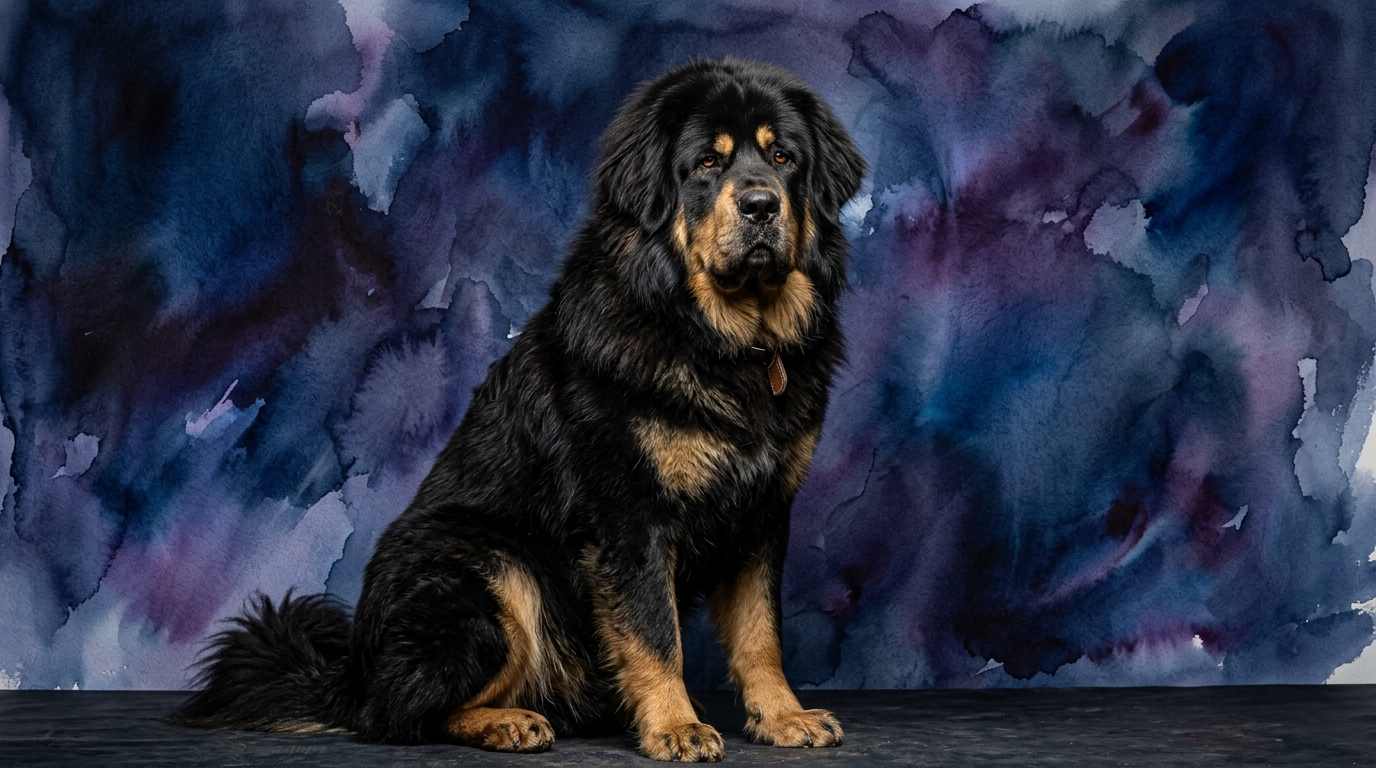
In contrast, the Tibetan Mastiff, a stalwart working breed, exhibits a more independent and deliberate cognitive style. Its Problem Solving is rated 3/5, signifying a solid capability for assessing situations and making autonomous decisions, particularly in its historical role as a protector. Training Speed is 3/5, suggesting a steady learning pace that requires patience and consistency, as this breed often evaluates the utility of a command before complying. Memory is also 3/5, indicating reliable retention of routines, boundaries, and who belongs to its inner circle. Both Social Intelligence and Instinctive Drive are rated 3/5; for the Tibetan Mastiff, this manifests as deep loyalty to its family unit combined with a pronounced territorial instinct and reserved demeanor towards strangers, prioritizing vigilant guardianship over constant social engagement.
Where the Belgian Sheepdog (Groenendael) Excels Cognitively
The Groenendael's cognitive strengths are evident in its exceptional capacity for complex, multi-stage tasks and its rapid assimilation of new information. With a 5/5 rating in both Problem Solving and Training Speed, this breed demonstrates an unparalleled ability to not only understand novel commands quickly but also to apply that understanding in varied contexts. This translates into proficiency in advanced obedience, agility, and protection work, where precision and swift execution are paramount. Their mental agility allows them to generalize learned behaviors, applying principles from one situation to another, rather than merely memorizing individual cues.
Furthermore, the Groenendael's 5/5 Memory contributes significantly to its cognitive prowess. This robust memory allows them to build a vast repertoire of skills and to recall intricate sequences, making them highly responsive companions for owners dedicated to ongoing training and engagement. This breed thrives on having a 'job' to do, and their cognitive makeup enables them to excel at virtually any task presented, from intricate scent work to competitive sports, showcasing a profound aptitude for learning and retention.
Where the Tibetan Mastiff Excels Cognitively
The Tibetan Mastiff's cognitive strengths are rooted in its ancient purpose: independent guardianship. While its Problem Solving at 3/5 and Instinctive Drive at 3/5 might not align with rapid obedience, they signify a profound ability for autonomous decision-making and situational assessment crucial for a protector. This breed's intellect excels in evaluating potential threats, discerning friend from foe, and maintaining territorial boundaries without constant human direction. Their cognitive process is less about performing a trick on command and more about making sound, independent judgments to ensure the safety of their charge.
The Tibetan Mastiff's 3/5 Social Intelligence and 3/5 Memory are perfectly calibrated for its role. It forms deep, unwavering bonds with its family, remembering every member and recognizing intruders, while maintaining a natural wariness of strangers. This combination allows them to be discerning protectors, not indiscriminately aggressive, but rather thoughtful in their vigilance. Their cognitive excellence lies in their self-reliance and the consistent application of their protective instincts, demonstrating a steadfast, deliberate intelligence tailored for unwavering watchfulness rather than eager compliance.
Training: Which is Easier and Why?
When it comes to ease of training, the Belgian Sheepdog (Groenendael) holds a clear advantage, largely due to its 5/5 Training Speed and inherent desire to work collaboratively. Groenendaels are typically eager to please, highly focused, and quick to understand new concepts, making them exceptionally responsive to positive reinforcement methods. Their strong memory and problem-solving skills mean they learn complex sequences rapidly and retain them effectively, often anticipating the next command. This makes them suitable for diverse activities requiring precision and quick reflexes, from competitive obedience to search and rescue.
The Tibetan Mastiff, with a 3/5 Training Speed, presents a different training dynamic. This breed is known for its independence and strong will, often requiring more patience, consistency, and a deep understanding of its guardian temperament. While capable of learning, the Tibetan Mastiff tends to be less motivated by pleasing an owner and more by what it perceives as logical or beneficial. Training requires establishing a respectful partnership built on trust and clear boundaries, rather than expecting instant, unquestioning obedience. Commands may be questioned or performed at a deliberate pace, reflecting their self-reliant nature, which is a hallmark of their working breed heritage.
Suitability for Active vs. Relaxed Owners
The Belgian Sheepdog (Groenendael) is an ideal match for active, engaged owners who can commit to providing ample physical exercise and consistent mental stimulation. Their high energy levels and strong work ethic, supported by their exceptional problem-solving and training speed, mean they thrive in environments where they have a purpose. Owners interested in dog sports like agility, obedience, herding, or protection work will find a highly capable and enthusiastic partner in a Groenendael. A truly 'relaxed' owner who prefers minimal interaction and exercise might find the Groenendael's needs overwhelming, leading to boredom and potential behavioral issues.
The Tibetan Mastiff, while appearing calm indoors, is not suited for truly 'relaxed' owners in the sense of minimal engagement. They require owners who are calm, confident, and experienced with large, independent guardian breeds. While they do not demand the constant high-intensity physical activity of a herding dog, they need consistent structure, early and extensive socialization, and a secure environment to manage their protective instincts. Their cognitive profile suits owners who appreciate a watchful, self-reliant companion and are prepared for the commitment of managing a powerful dog with strong territorial drives, understanding that their 'relaxation' often involves quiet vigilance rather than passive companionship.
The Verdict
Choose the Belgian Sheepdog (Groenendael) if you seek a highly trainable, versatile, and eager partner for dog sports, advanced obedience, or a demanding working role, and can provide consistent mental and physical challenges. This breed thrives with owners who enjoy active collaboration and can channel its exceptional cognitive abilities into productive activities.
Opt for the Tibetan Mastiff if you are an experienced, patient owner who appreciates an independent, watchful, and deeply loyal guardian, understanding that their intelligence manifests as deliberate protection rather than immediate compliance. This breed is best for those who can provide a structured home, extensive socialization, and respect its self-reliant nature.
🧠 Find Your Pet's IQ Score
Our Pet IQ Lab assessment covers 25+ tests across 5 cognitive dimensions — personalized to your breed.
Take the Full IQ Test →Frequently Asked Questions
Is the Tibetan Mastiff difficult to train due to its lower training speed score?
The Tibetan Mastiff's 3/5 training speed doesn't mean it can't be trained, but rather that it requires a different approach. They are intelligent but independent, often needing more patience, consistency, and motivation rooted in their own perceived purpose rather than constant eagerness to please. Successful training focuses on building a respectful partnership and understanding their deliberate nature.
How does the Groenendael's high memory score benefit an owner?
A Groenendael's 5/5 memory means they quickly learn and retain a vast array of commands, routines, and experiences. This allows them to master complex tasks, recall past training with ease, and adapt to new situations by drawing on prior knowledge, making them highly responsive and capable partners in various activities and daily life.
Do these breeds require different types of mental stimulation?
Absolutely. The Groenendael thrives on mental challenges that involve problem-solving and learning new skills, such as puzzle toys, advanced obedience, or dog sports that engage their rapid training speed. The Tibetan Mastiff benefits from mental stimulation that taps into its guardian instincts, like observing its territory, structured walks that allow for environmental assessment, and consistent reinforcement of boundaries rather than constant novel tricks.