Side-by-Side Cognitive Profile: Groenendael vs. Tibetan Spaniel
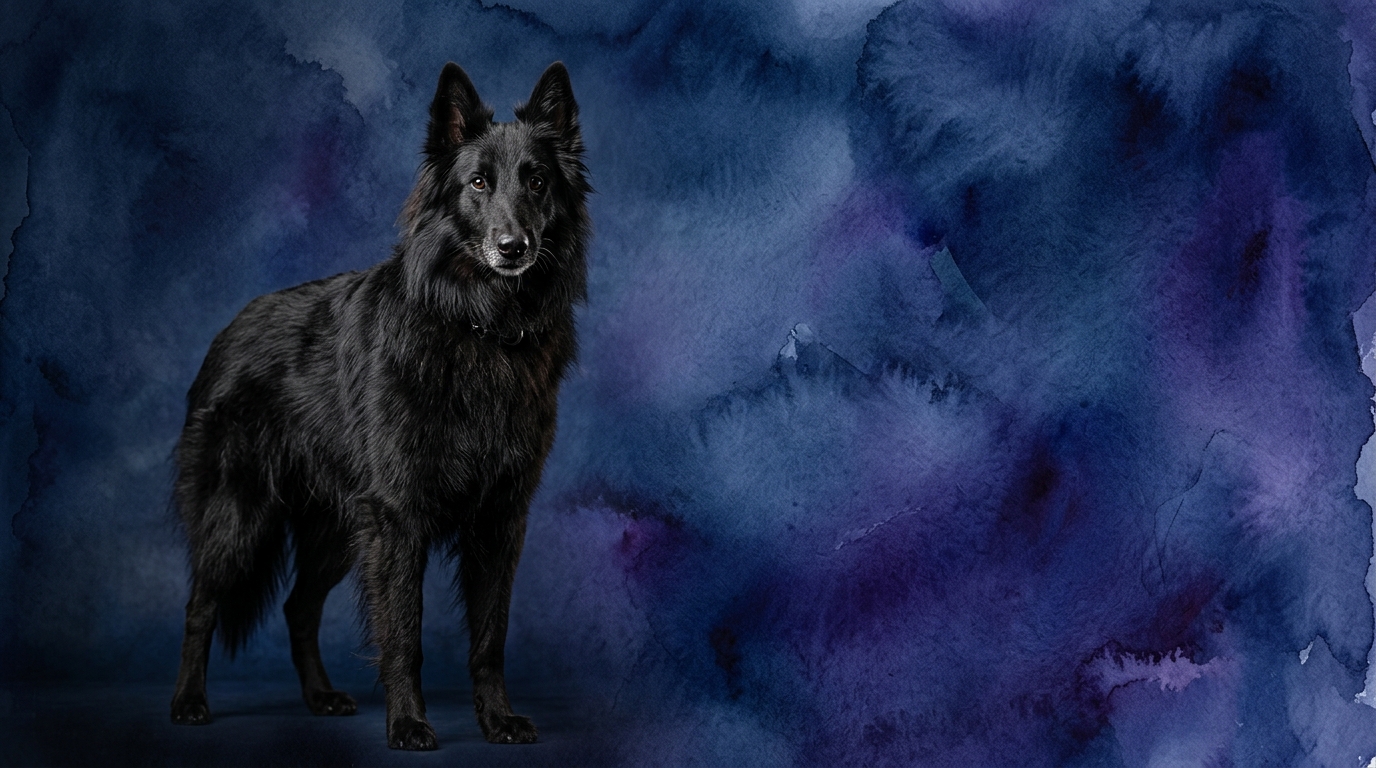
At The Cosmic Pet Pet IQ Lab, we evaluate canine intelligence across five key dimensions. For the Belgian Sheepdog (Groenendael), a breed ranked #15 by Coren, their profile reflects a formidable working dog heritage. They score an exceptional 5/5 in Problem Solving, indicating a profound ability to analyze situations and devise intricate solutions. Their Training Speed also stands at a perfect 5/5, meaning they absorb and execute new commands with remarkable rapidity. Social Intelligence is rated 3/5, suggesting they are capable of forming strong bonds but might be discerning or reserved with strangers. Instinctive Drive is a moderate 3/5, reflecting a balanced urge for purpose without being overwhelmingly single-minded. Finally, their Memory is a stellar 5/5, allowing them to retain vast amounts of information and learned behaviors over long periods, contributing significantly to their consistent performance.
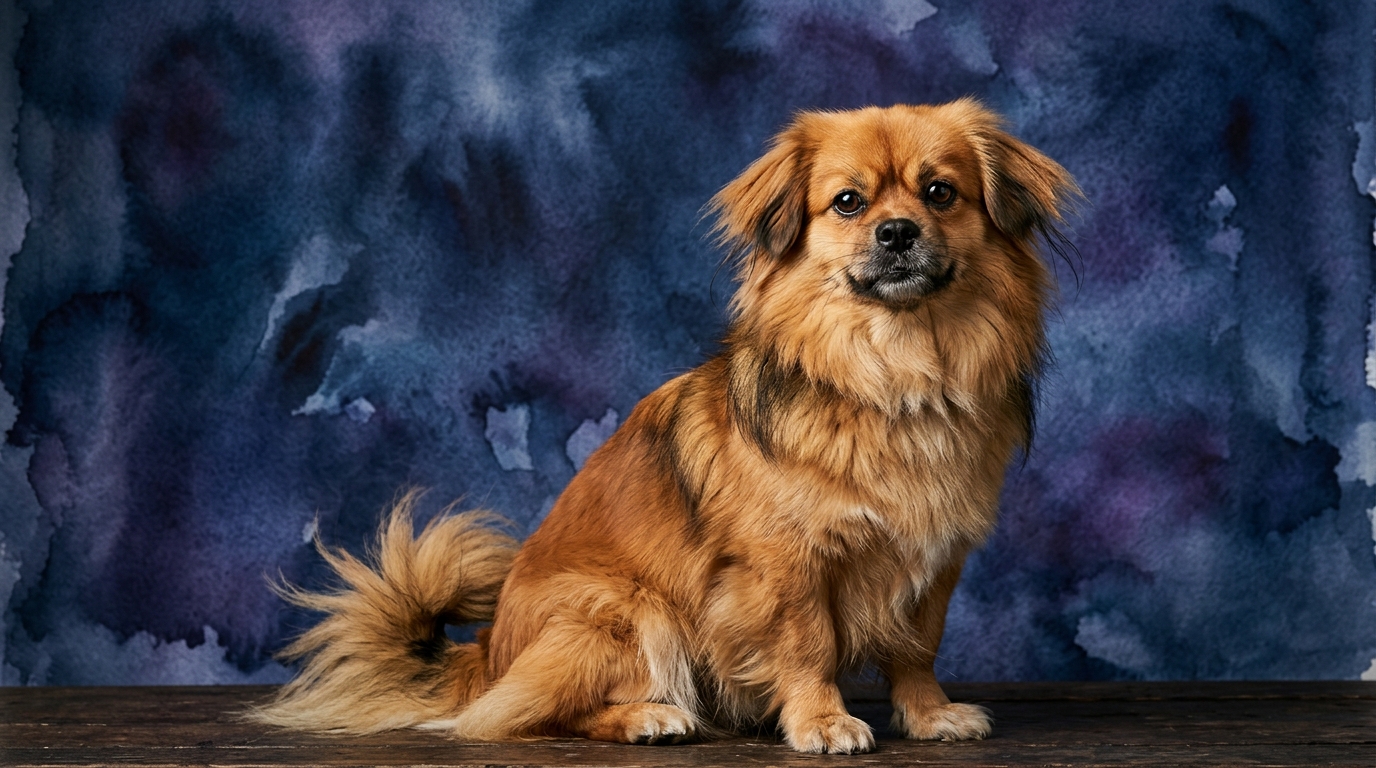
The Tibetan Spaniel, a Non-Sporting breed not specifically ranked by Coren, presents a different yet equally fascinating cognitive blueprint, well-suited to its companion role. Across all five dimensions—Problem Solving, Training Speed, Social Intelligence, Instinctive Drive, and Memory—the Tibetan Spaniel consistently scores 3/5. This indicates a moderate but capable aptitude in each area. Their 3/5 Problem Solving suggests they can navigate everyday challenges and enjoy puzzle toys without the intense, analytical approach of a working breed. A 3/5 Training Speed means they are receptive to learning but typically require more repetition and patience to solidify new behaviors. Their 3/5 Social Intelligence points to an amiable nature that can be independent or watchful, similar to the Groenendael. A 3/5 Instinctive Drive signifies a natural curiosity and desire for interaction without the intense, task-oriented focus of a herding dog. Lastly, their 3/5 Memory ensures they recall routines and commands, though perhaps not with the near-perfect retention of a top-tier working breed.
Where the Belgian Sheepdog (Groenendael) Wins Cognitively
The Groenendael's cognitive strengths distinctly shine in areas demanding high-level mental processing and precision. Their 5/5 Problem Solving means they don't just react; they actively strategize, quickly understanding complex sequences or environmental cues to achieve a goal, such as mastering a multi-stage puzzle or navigating an elaborate obstacle course. This ability to 'think through' situations makes them exceptional candidates for advanced dog sports or even assistance roles where quick, independent decisions are crucial. Coupled with a 5/5 Training Speed, these dogs can assimilate a broad and deep vocabulary of commands, from nuanced hand signals to intricate multi-step tasks, often after just a few repetitions. Furthermore, their 5/5 Memory ensures that once a skill is learned, it is deeply embedded, allowing for consistent, reliable performance even after extended breaks. This robust cognitive package allows Groenendaels to excel in demanding disciplines where sustained focus, rapid learning, and unwavering recall are paramount.
Where the Tibetan Spaniel Wins Cognitively
While the Tibetan Spaniel’s cognitive scores are moderate across the board, these traits translate into unique advantages perfectly suited for their role as adaptable companions. Their 3/5 Problem Solving allows them to be clever and resourceful in their daily lives, capable of figuring out how to get to a favorite sunbeam or subtly communicate their desires, without becoming overly obsessive or destructive in their pursuit of mental challenges. This moderate problem-solving contributes to their independent yet charming nature, making them engaging without being constantly demanding. Furthermore, their balanced 3/5 Instinctive Drive is a significant win for a companion animal. Unlike breeds with intense, specialized drives that can manifest as relentless herding of children or excessive barking at perceived threats, the Tibetan Spaniel’s drive is manageable and integrates smoothly into a home environment. This means less redirection is typically needed from owners, fostering a more relaxed and harmonious coexistence. Their cognitive balance promotes an adaptable, easygoing temperament that thrives on companionship rather than intense mental 'work'.
Training Dynamics: Groenendael's Eagerness vs. Tibbie's Steady Pace
When it comes to ease of training, the Belgian Sheepdog (Groenendael) generally offers a faster, more direct experience for an engaged owner, thanks to their exceptional 5/5 Training Speed and 5/5 Memory. These dogs are eager students, often picking up new commands in just a few repetitions and retaining them with remarkable consistency. Their strong desire for purposeful activity means they thrive on structured training sessions, viewing them as an opportunity to engage their minds and bodies. For example, a Groenendael might master complex scent work or a multi-stage agility course in a fraction of the time it would take many other breeds, consistently performing with precision due to their excellent recall.
The Tibetan Spaniel, with its 3/5 Training Speed and 3/5 Memory, requires a more patient and consistent approach. They are certainly trainable, but new concepts may take more repetitions to solidify, and owners should expect a steady rather than instantaneous learning curve. Their moderate 3/5 Problem Solving can sometimes manifest as a charming independence or a tendency to weigh the 'value' of a command, meaning consistent motivation and positive reinforcement are key to keeping them engaged. For instance, while a Groenendael might quickly learn to 'stay' for extended periods in distracting environments, a Tibetan Spaniel might need shorter, more frequent sessions and a higher value reward to achieve the same reliability, especially if they deem the task less immediately rewarding. Real behavioral differences include the Groenendael's natural inclination to look to their handler for direction and tasks, while the Tibetan Spaniel might offer a more 'what's in it for me?' attitude, requiring the owner to make training consistently fun and rewarding.
Lifestyle Suitability: Active Minds vs. Content Companions
The distinct cognitive profiles of these two breeds make them suitable for vastly different owner lifestyles. The Belgian Sheepdog (Groenendael), with its 5/5 Problem Solving and 5/5 Memory, demands an active owner who can provide rigorous mental and physical stimulation. These dogs are not content to simply exist; they need a 'job'—whether it's advanced obedience, competitive dog sports like agility, protection work, or extensive trick training—to satisfy their profound cognitive needs and channel their moderate 3/5 Instinctive Drive. An owner who enjoys daily vigorous exercise, structured training, and continuous learning opportunities will find a Groenendael an incredibly rewarding and collaborative partner, thriving in an environment where their intellect is constantly challenged.
Conversely, the Tibetan Spaniel, with its balanced 3/5 scores across all cognitive dimensions, is an ideal match for more relaxed owners seeking a devoted companion without the demanding cognitive workload. While they benefit from regular walks and engaging play, their mental needs are met with moderate stimulation, such as basic obedience, interactive toys, and consistent social interaction. They are generally content to be part of family life, observing and participating at a comfortable pace. Their cognitive profile suggests they are adaptable and less prone to intense frustration from a lack of constant 'work,' making them well-suited for owners who appreciate a calm, affectionate presence and can provide consistent, gentle guidance rather than rigorous, high-intensity training schedules. They are happy to curl up on the couch after a pleasant stroll, requiring mental engagement that is enriching rather than exhaustive.
The Verdict: Choosing Your Canine Companion
The Verdict
Choose the Belgian Sheepdog (Groenendael) if you are an experienced, active owner eager to delve into advanced training, competitive dog sports, or roles requiring sophisticated problem-solving and rapid learning. This breed flourishes with a dedicated partner who can consistently meet their extensive cognitive and physical needs, providing a truly collaborative and challenging canine relationship.
Choose the Tibetan Spaniel if you seek an adaptable, charming companion for a more relaxed lifestyle, appreciating their moderate training needs and balanced cognitive profile that allows for a harmonious presence in the home without demanding intense mental or physical exertion.
🧠 Find Your Pet's IQ Score
Our Pet IQ Lab assessment covers 25+ tests across 5 cognitive dimensions — personalized to your breed.
Take the Full IQ Test →Frequently Asked Questions
Can a Tibetan Spaniel participate in dog sports?
Yes, Tibetan Spaniels can certainly participate in dog sports like obedience or agility, especially at beginner to intermediate levels. While their training speed is moderate, consistent positive reinforcement and patience can lead to enjoyable and successful participation, though they may not achieve the same speed or precision as a Groenendael.
Are Groenendaels good for first-time dog owners?
Due to their high cognitive demands, intense training speed, and need for significant mental engagement, Groenendaels are generally recommended for experienced dog owners who understand working breeds. First-time owners might find their intelligence and energy overwhelming without proper preparation and commitment to extensive training.
How do their social intelligence scores (3/5 for both) compare in real life?
While both breeds share a 3/5 social intelligence score, it can manifest differently; Groenendaels might be more reserved or discerning with strangers due to their protective instincts, while Tibetan Spaniels might display independence or a watchful aloofness. Both benefit from early, broad socialization to develop confidence in various social settings, but neither is typically an 'everyone's friend' type of dog.