Side-by-Side IQ Profile: Bichon Frisé vs. Akita
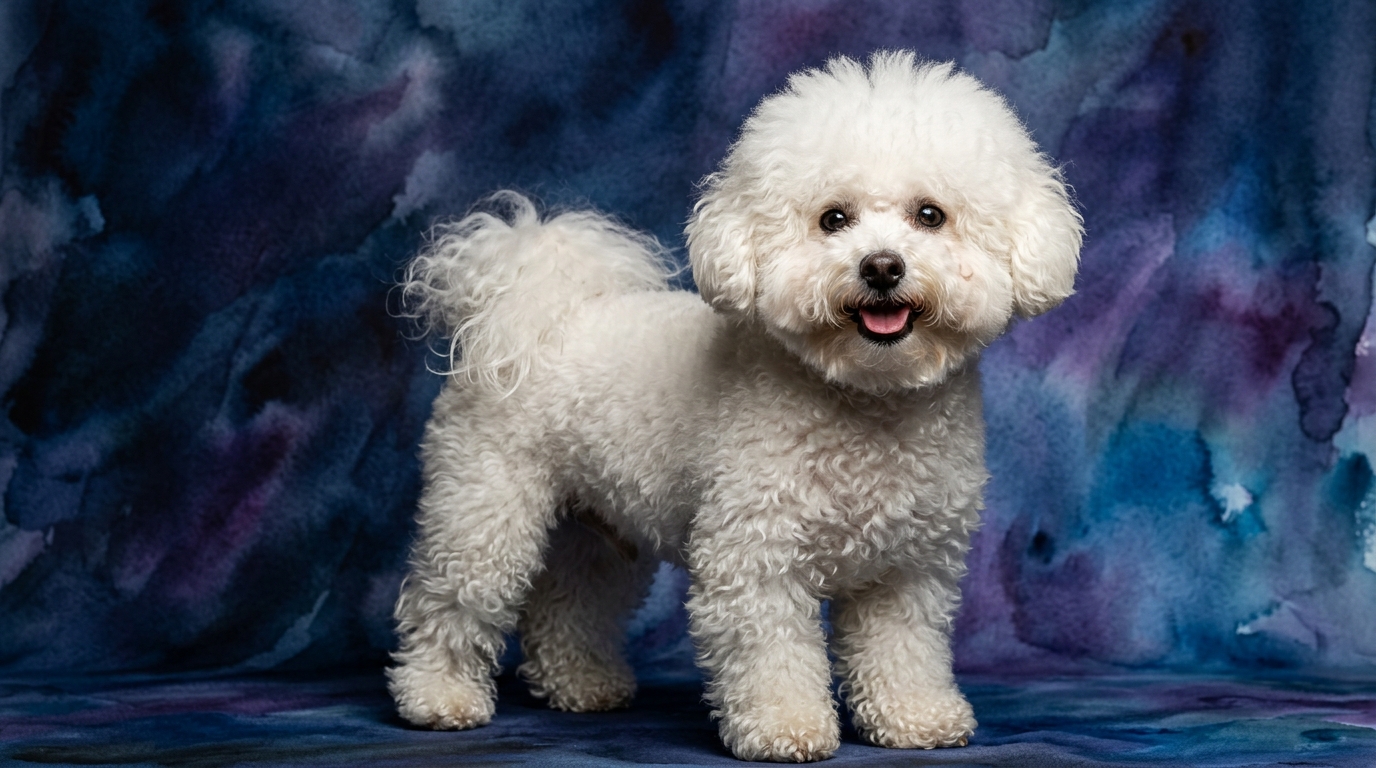
The Cosmic Pet Pet IQ Lab provides a comprehensive framework to understand the unique cognitive landscapes of different breeds, and the Bichon Frisé and Akita offer a prime example of divergent evolutionary paths. The Bichon Frisé, ranked #45 by Coren, presents a cognitive profile optimized for companionship. Their problem-solving ability scores a balanced 3 out of 5, indicating a capacity for moderate learning and adaptability to new situations without necessarily inventing complex solutions. Their training speed is also rated 3 out of 5, suggesting they are receptive and capable of learning commands at a steady pace. The hallmark of the Bichon's cognition is its exceptional social intelligence, earning a perfect 5 out of 5; this reflects a profound ability to interpret human emotions and cues, fostering deep, intuitive bonds. With an instinctive drive of 2 out of 5, they are less compelled by innate working behaviors, aligning with their role as a companion, and their memory at 3 out of 5 allows them to retain learned information and routines effectively.
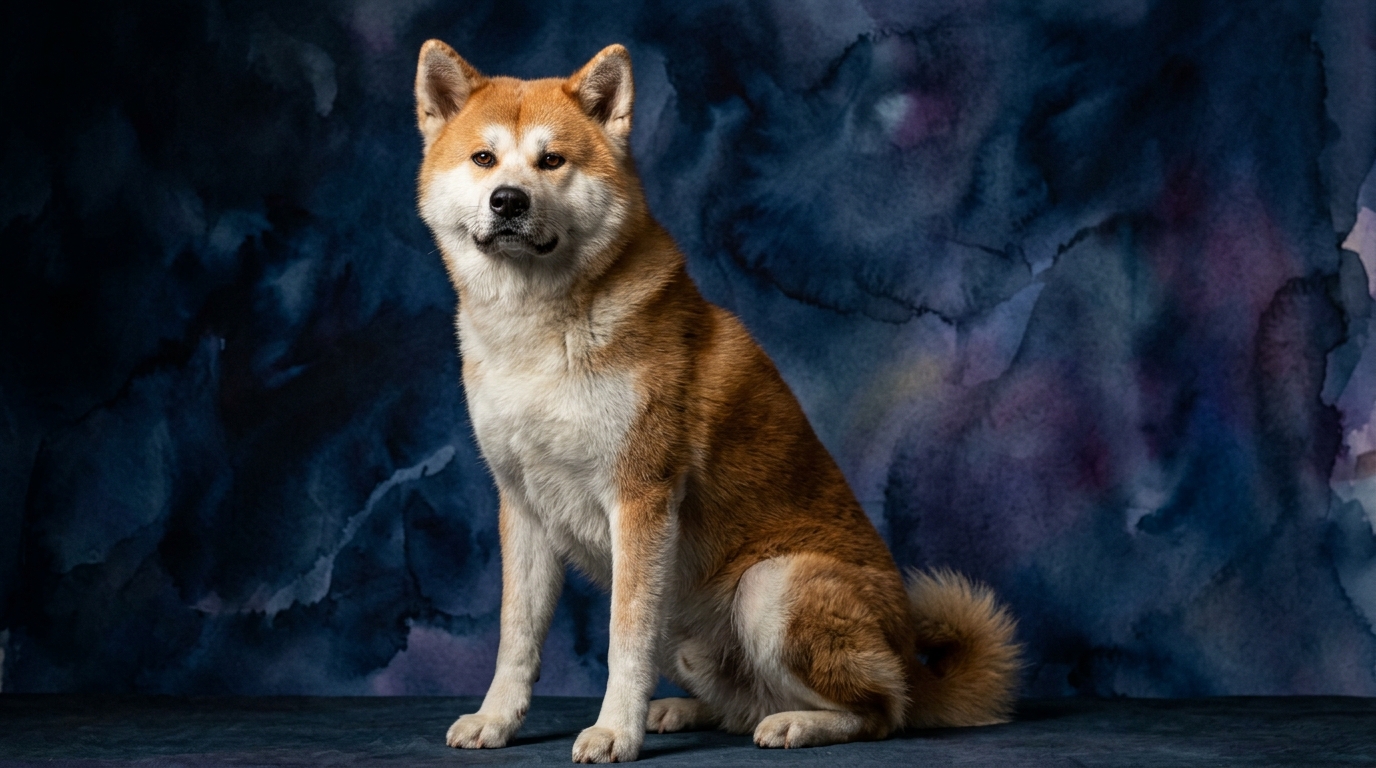
In contrast, the Akita, ranked #54 by Coren, showcases a cognitive design tailored for independent working roles. Their problem-solving score mirrors the Bichon's at 3 out of 5, demonstrating an equivalent aptitude for navigating challenges, often with a self-reliant approach. However, their training speed is rated lower at 2 out of 5, indicating that while they can learn, they may require more patience and consistent methods, often due to a strong independent will rather than a lack of capacity. The Akita’s social intelligence is 3 out of 5, meaning they understand social dynamics but are less driven by a constant need for human validation or interaction compared to the Bichon. Their most defining cognitive trait is an instinctive drive of 5 out of 5, reflecting a powerful innate compulsion for tasks such as guarding, hunting, and protection, deeply rooted in their heritage. Complementing this is a robust memory, rated 4 out of 5, allowing Akitas to recall past experiences, learned boundaries, and specific individuals with impressive longevity and detail.
Where the Bichon Frisé Wins Cognitively
The Bichon Frisé's cognitive strengths are most evident in its unparalleled social intelligence, scoring a perfect 5 out of 5. This superior aptitude means they possess an exceptional ability to interpret subtle human gestures, vocal inflections, and emotional states, allowing them to respond with remarkable empathy and appropriateness. This isn't just about being affectionate; it’s a sophisticated capacity for social cognition that allows them to anticipate their owner’s needs, offer comfort, or initiate play at precisely the right moment, fostering an intuitive bond. Their balanced training speed of 3 out of 5, combined with this profound social awareness, makes them highly responsive to positive reinforcement and eager to engage in cooperative learning. They actively seek to understand and align with their human companions, making communication feel intuitive and leading to fewer behavioral misunderstandings driven by independent impulses. This cognitive blend makes the Bichon an exceptionally adaptable and harmoniously integrated family member, excelling in environments where close, communicative interaction is valued above all else.
Where the Akita Wins Cognitively
The Akita's cognitive advantages are deeply rooted in its heritage as a powerful working dog, particularly shining in its instinctive drive and robust memory. With a perfect 5 out of 5 in instinctive drive, Akitas possess an unparalleled innate compulsion for tasks such as guarding, protecting, and even hunting. This isn't merely a physical tendency but a cognitive orientation that enables them to process environmental stimuli through the lens of their purpose, making them incredibly alert, discerning, and decisive in their actions. Their impressive memory, rated 4 out of 5, significantly enhances this capability, allowing them to recall specific individuals, situations, and learned boundaries over extended periods with remarkable precision. This means an Akita remembers who belongs and who doesn't, and what constitutes a threat, with enduring clarity. While their problem-solving score matches the Bichon's at 3 out of 5, the Akita often applies this problem-solving ability with a strong independent rationale, utilizing their keen memory and powerful drive to assess situations and act decisively, often without needing explicit human direction. This combination makes them formidable, self-reliant, and capable of making judgments based on past experiences and ingrained protective instincts.
Which Is Easier to Train and Why
When considering ease of training, the Bichon Frisé generally offers a more straightforward experience for the average owner, primarily due to its superior social intelligence and balanced training speed. A Bichon's 5 out of 5 social intelligence means they are inherently motivated to please their human companions, deeply attuned to social cues, and generally more compliant. They interpret praise and approval as significant rewards, making positive reinforcement highly effective and leading to rapid learning. Their training speed of 3 out of 5, coupled with this social drive, allows them to grasp new commands and routines relatively quickly and with less resistance, often eager to participate in interactive learning sessions. They thrive on the reciprocal communication inherent in training, viewing it as an opportunity for connection.
In contrast, the Akita, with a training speed of 2 out of 5 and social intelligence of 3 out of 5, often requires a more experienced and patient handler. Their strong instinctive drive and independent nature mean they are less inherently motivated to simply 'obey' for the sake of pleasing; they need to understand the purpose or benefit of a command from their own perspective. While Akitas are certainly capable of learning, their strong will and tendency towards self-reliance mean training sessions must be engaging, consistent, and respectful of their independent thought process. This often requires more creative motivation than just social praise, and a handler who can establish clear boundaries and earn their respect through fair and consistent methods. Without proper structure, their independent problem-solving and strong memory can lead to self-taught behaviors that are not always desirable.
Suiting Active vs. Relaxed Owners
The choice between a Bichon Frisé and an Akita largely depends on an owner’s lifestyle and their capacity to meet specific cognitive and physical needs. The Bichon Frisé, with its high social intelligence and lower instinctive drive, is an excellent match for relaxed owners or those seeking a highly interactive companion that thrives on close human connection. While they still require mental engagement through play and training, their needs are generally met within a home environment and moderate daily activity. Their cognitive profile makes them adaptable to various living situations, content to be a shadow to their owner, and less prone to independent ventures driven by strong innate urges. They are fulfilled by companionship and social interaction, making them ideal for individuals or families who can integrate them closely into their daily lives without requiring extensive outdoor adventures.
On the other hand, the Akita, with its powerful instinctive drive and robust memory, is better suited for active, experienced owners who can provide consistent structure, mental stimulation, and a clear sense of purpose. An Akita needs more than just physical exercise; their cognitive makeup demands tasks, boundaries, and opportunities to utilize their strong drive and independent problem-solving skills in constructive ways. Owners who appreciate a dog with a strong presence, a discerning mind, and a need for a clear leadership dynamic will find the Akita incredibly rewarding. They thrive with owners who understand the working breed mentality, providing consistent training, early socialization, and engaging activities that challenge their intellect and channel their powerful instincts appropriately. This is not a breed for the casually engaged or first-time dog owner, as their cognitive needs require dedicated commitment.
The Verdict
Choose the Bichon Frisé if you seek a highly social, adaptable, and emotionally attuned companion who thrives on close interaction and cooperative learning within a relaxed home environment.
Opt for the Akita if you are an experienced, active owner prepared to provide consistent leadership, engage a powerful instinctive drive, and appreciate a discerning, independent companion with a formidable memory.
🧠 Find Your Pet's IQ Score
Our Pet IQ Lab assessment covers 25+ tests across 5 cognitive dimensions — personalized to your breed.
Take the Full IQ Test →Frequently Asked Questions
Do Bichon Frisés learn tricks easily?
Yes, Bichon Frisés generally learn tricks with relative ease due to their balanced training speed (3/5) and exceptional social intelligence (5/5). They are highly motivated by human attention and praise, making them eager participants in positive reinforcement training.
Are Akitas difficult to train for basic obedience?
Akitas can be more challenging for basic obedience compared to some breeds due to their strong independent streak and lower training speed (2/5). They require consistent, patient, and engaging training methods from an experienced handler who understands their need for purpose and clear boundaries.
How does the Akita's strong instinctive drive manifest in daily life?
The Akita's high instinctive drive (5/5) often manifests as a strong protective instinct towards their family and territory, keen awareness of their surroundings, and a potential prey drive. This requires early socialization and consistent training to channel these powerful instincts appropriately and safely.