A Side-by-Side Look at Cognitive Profiles
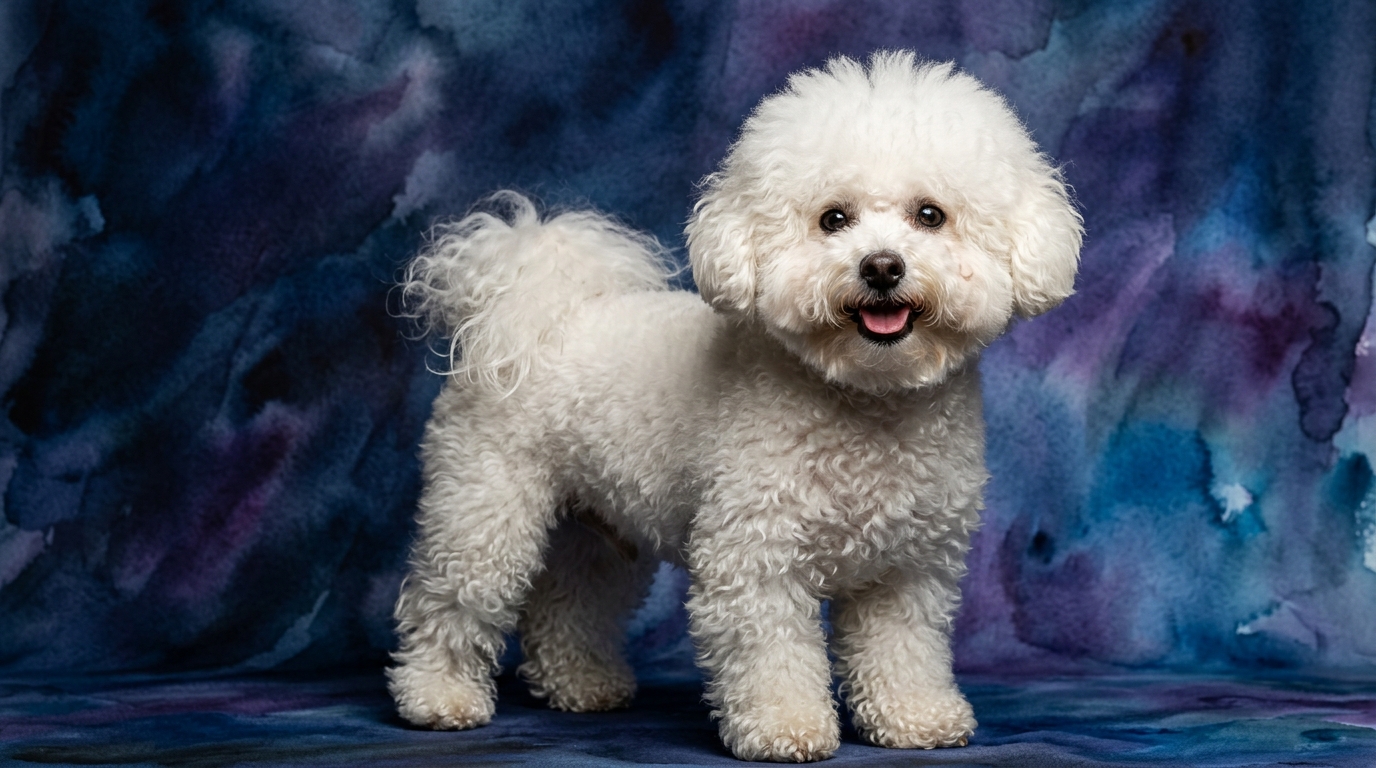
The Cosmic Pet Pet IQ Lab assesses canine intelligence across five key dimensions, providing a nuanced understanding of each breed's cognitive strengths. The Bichon Frisé, ranked #45 by Coren, exhibits a balanced profile with a notable peak in social understanding. Their Problem Solving is rated 3/5, indicating a moderate capacity for navigating novel challenges and strategizing. Training Speed also scores 3/5, suggesting they learn new commands at an average pace. Where the Bichon truly distinguishes itself is in Social Intelligence, scoring an impressive 5/5, reflecting a profound ability to interpret human cues and integrate into family dynamics. Their Instinctive Drive is a low 2/5, meaning less inclination towards independent hunting or herding behaviors, while Memory stands at 3/5.
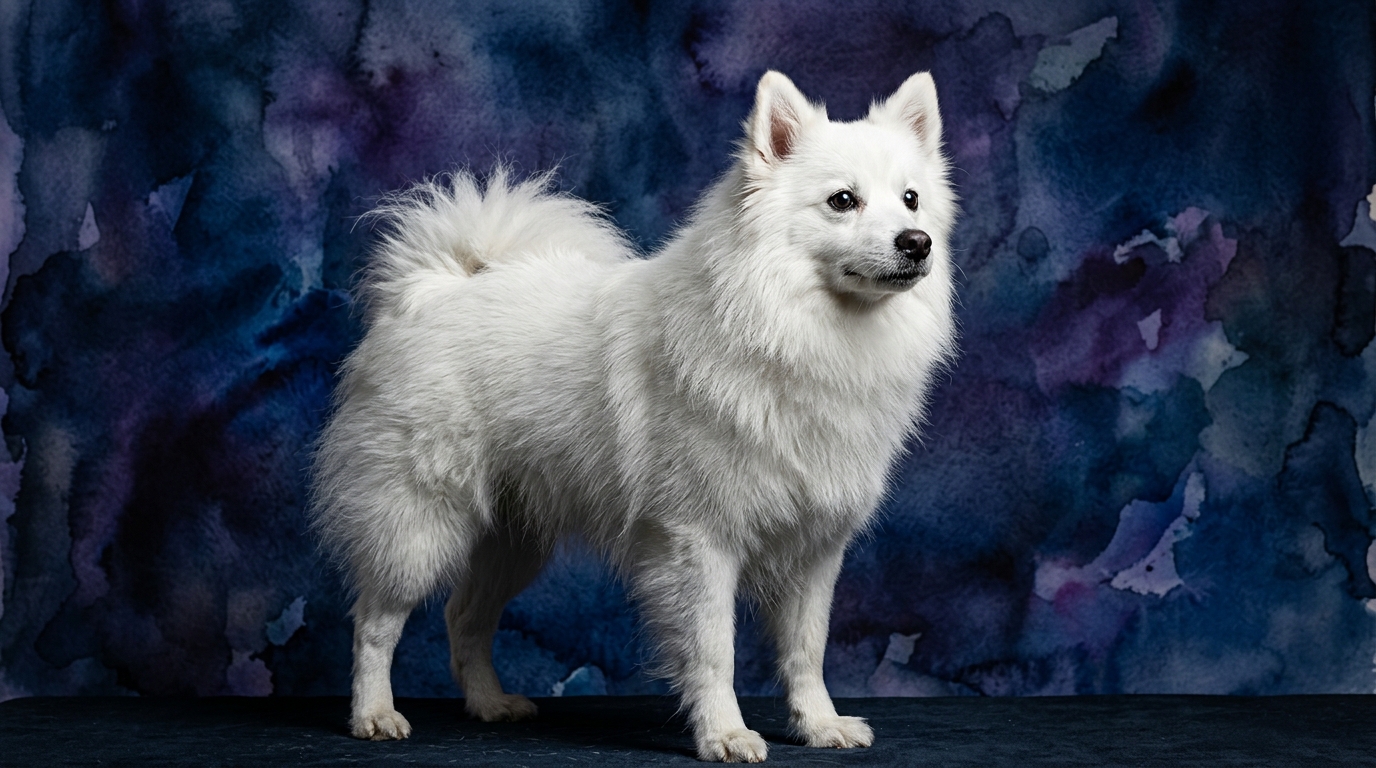
In contrast, the American Eskimo Dog, while not Coren-ranked, presents a remarkably consistent cognitive blueprint. This breed scores 3/5 across all five IQ dimensions: Problem Solving, Training Speed, Social Intelligence, Instinctive Drive, and Memory. This uniformity suggests a well-rounded and adaptable intellect, rather than a specialized one. While their Social Intelligence is a solid 3/5, indicating good rapport with humans, it doesn't reach the same empathic heights as the Bichon. Their Instinctive Drive, also 3/5, hints at a greater internal motivation for activity and engagement compared to the Bichon, aligning with their history as performers and farm companions.
Where the Bichon Frisé Shines Cognitively
The Bichon Frisé's standout cognitive strength lies unequivocally in its Social Intelligence, scoring a perfect 5/5. This dimension reflects a dog's capacity to understand and respond to human emotions, intentions, and social cues. For the Bichon, this translates into an exceptional ability to form deep, reciprocal bonds, often anticipating their owner's moods and reacting with comforting presence or playful antics. They are masters of companionship, seamlessly integrating into family life by observing and adapting to household routines and interpersonal dynamics, making them incredibly intuitive and emotionally resonant companions.
Furthermore, the Bichon's lower Instinctive Drive of 2/5 can be seen as a cognitive advantage in a companion setting. Unlike breeds with strong predatory or herding instincts, Bichons are generally less inclined to chase small animals, dig extensively, or wander off on independent explorations. This reduced internal drive often results in a more focused and present companion, less distracted by environmental stimuli and more attuned to human interaction. This cognitive trait contributes to their reputation as adaptable and amiable house dogs, requiring less stringent management of innate urges.
American Eskimo Dog's Distinct Cognitive Strengths
The American Eskimo Dog's consistent 3/5 across all IQ dimensions, particularly its Instinctive Drive at 3/5, reveals a different kind of cognitive strength. While not as low as the Bichon's, this drive provides a foundational motivation for purposeful activity and engagement. Historically, Eskies were celebrated circus performers and farm assistants, roles that demanded a blend of agility, problem-solving, and a willingness to work. Their moderate instinctive drive means they are often eager to participate in structured activities, deriving satisfaction from tasks that engage both their bodies and minds, making them excellent candidates for dog sports and advanced trick training.
Although the Eskie shares a 3/5 in Problem Solving with the Bichon, its historical context suggests a practical application of this ability. Their background as working dogs implies a capacity to solve real-world problems, such as navigating complex performance routines or adapting to varied farm duties, often with a degree of independence. This consistent cognitive profile across problem-solving, training speed, and memory indicates a robust, adaptable intellect capable of sustained mental effort when appropriately channeled, rather than a singular, specialized genius.
Training Dynamics: Who Learns with Greater Ease?
When considering ease of training, both the Bichon Frisé and the American Eskimo Dog share a 3/5 rating for Training Speed, suggesting they learn new commands at an average, comparable pace. However, the *experience* of training can differ significantly due to their distinct social and instinctive profiles. The Bichon Frisé's exceptional 5/5 Social Intelligence plays a pivotal role here; they are inherently more attuned to human desires and subtle cues, often striving to please their owners. This intrinsic desire for connection and approval makes the training process feel more intuitive and collaborative for the owner, as the Bichon is often eager to engage and respond to reinforce their bond.
Conversely, the American Eskimo Dog, with its 3/5 Social Intelligence and 3/5 Instinctive Drive, might approach training with a more independent spirit. While certainly capable of learning, their motivation might stem more from the engagement of the task itself or the rewards offered, rather than solely from a desire to please. Owners may find Eskies require more consistent boundaries and clear, structured training methods that appeal to their inherent drive and intelligence. Their history as performers suggests they can master complex sequences, but they might also test limits or require more persuasive motivation than the highly socially compliant Bichon, demanding an owner who understands their need for purpose and mental stimulation during sessions.
Companion Archetypes: Active Engagement vs. Relaxed Rapport
For owners seeking a companion that thrives on relaxed rapport and deep emotional connection, the Bichon Frisé is an exemplary choice. Their high Social Intelligence (5/5) means they are profoundly attuned to human interaction, making them incredibly empathetic and comforting presences. Coupled with a low Instinctive Drive (2/5), Bichons are typically content with moderate daily activity, preferring to spend their time in close proximity to their human family. They integrate seamlessly into a household, often happy to be a lap dog or a cheerful presence during quiet activities, making them ideal for individuals or families who prioritize affectionate, low-key companionship.
The American Eskimo Dog, with its balanced 3/5 scores across the board and a moderate Instinctive Drive, is better suited for active owners who can provide consistent mental and physical engagement. This breed thrives when given opportunities to channel its energy and intellect into structured activities. Owners who enjoy dog sports like agility, obedience, or trick training will find a willing and capable partner in the Eskie. They require more than just passive companionship; they need purposeful interaction, regular exercise, and consistent mental challenges to prevent boredom and ensure their well-being, making them excellent for those seeking an active, participatory canine relationship.
The Verdict
If your lifestyle prioritizes a highly empathetic, emotionally responsive companion who thrives on close social bonds and moderate activity, the Bichon Frisé is an exceptional choice. They integrate effortlessly into family life, offering constant, cheerful companionship.
Opt for the American Eskimo Dog if you seek an active, engaged partner for structured activities and training, capable of sustained mental and physical effort. They excel with owners who can provide consistent mental stimulation and channel their drives into productive outlets.
🧠 Find Your Pet's IQ Score
Our Pet IQ Lab assessment covers 25+ tests across 5 cognitive dimensions — personalized to your breed.
Take the Full IQ Test →Frequently Asked Questions
Do Bichon Frisés need extensive mental stimulation?
While not requiring complex "jobs" like some working breeds, Bichons thrive on social interaction and gentle training that reinforces their bond with owners. Daily play and short training sessions satisfy their moderate cognitive needs, focusing on companionship rather than independent problem-solving.
Are American Eskimo Dogs good for first-time dog owners?
American Eskimo Dogs can be suitable for first-time owners who are committed to consistent training and providing ample mental and physical engagement. Their intelligent but independent nature requires a dedicated approach to socialization and structure from an early age.
Which breed is more prone to separation anxiety?
Bichon Frisés, with their exceptional social intelligence and strong attachment to their human companions, can be more prone to separation anxiety if not properly habituated to alone time. American Eskimo Dogs, while social, generally exhibit a slightly more independent nature, though individual personalities vary greatly.