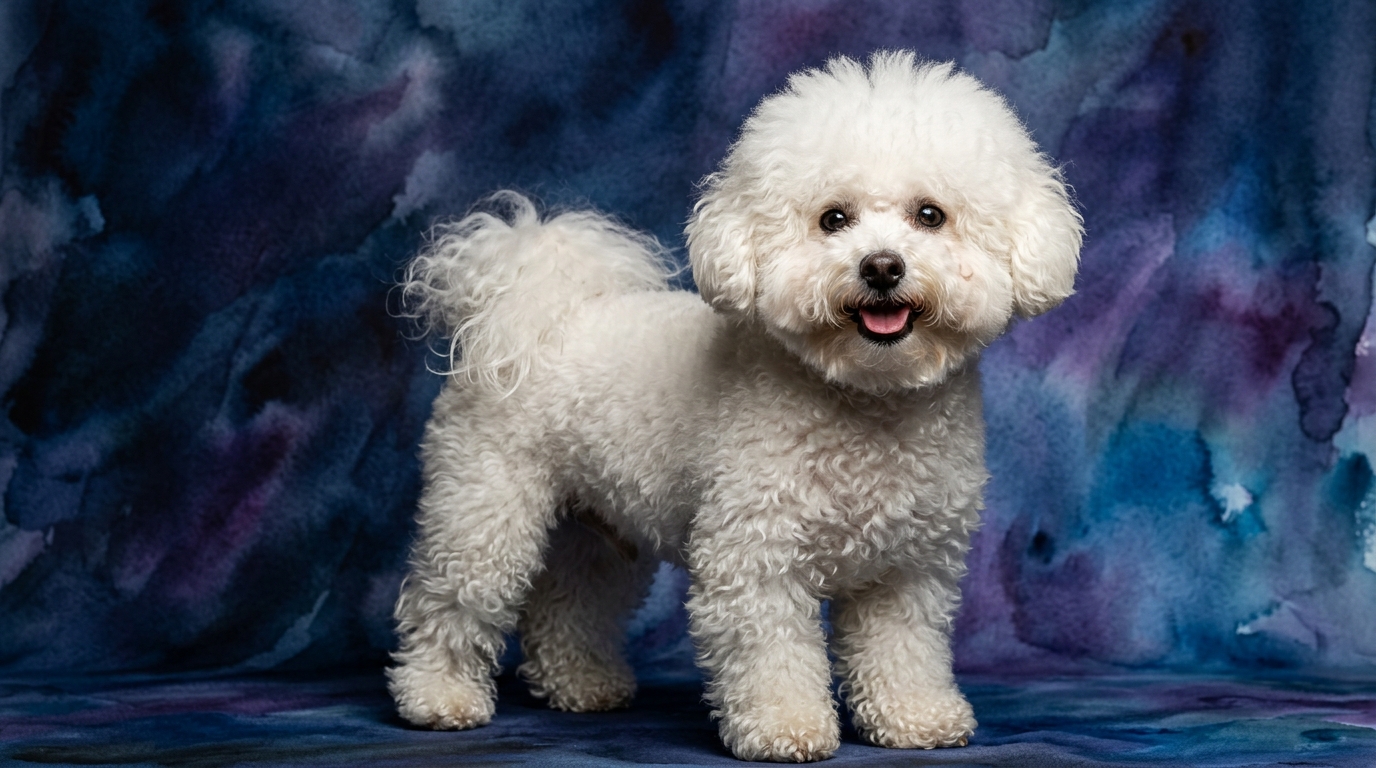
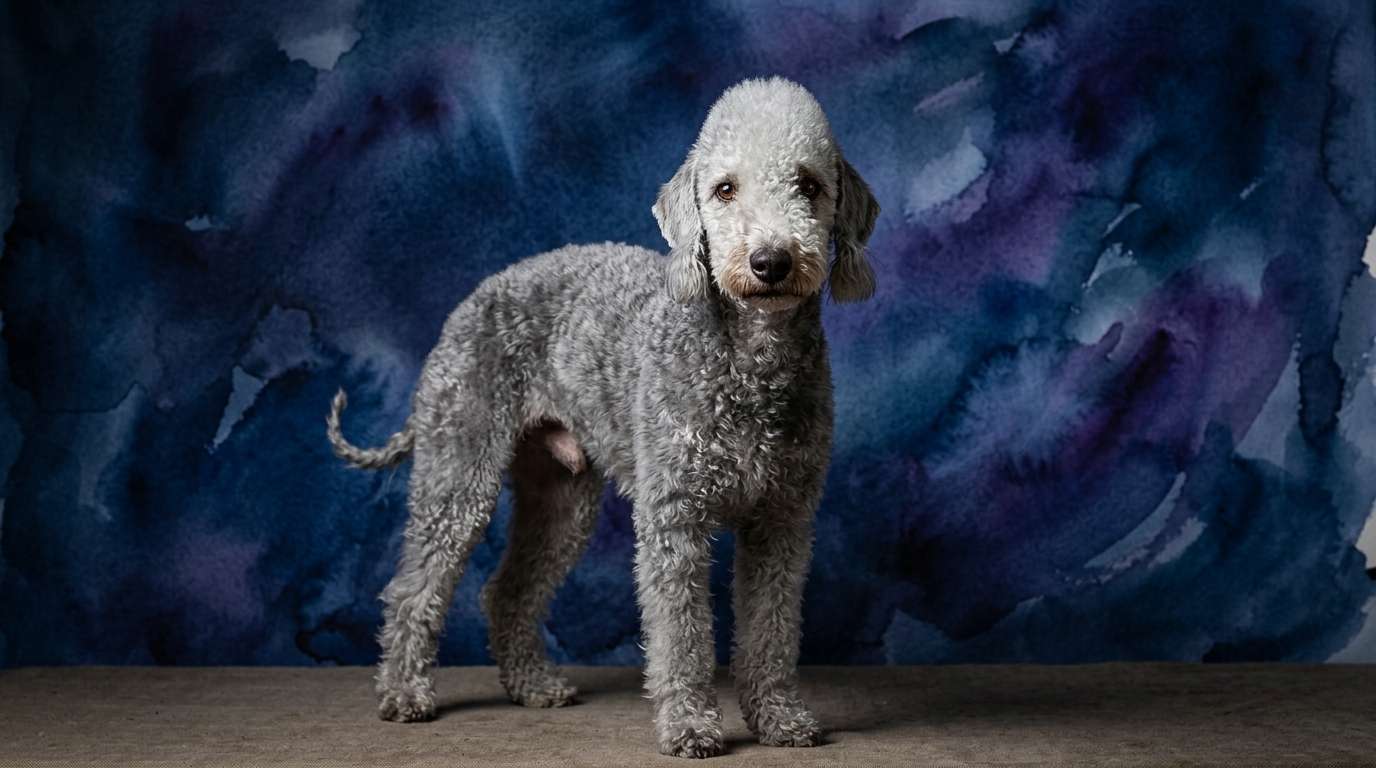
Side-by-Side IQ Profile: Bichon Frisé vs. Bedlington Terrier
The Cosmic Pet Pet IQ Lab evaluates canine intelligence across five key dimensions, revealing the nuanced cognitive landscapes of our furry companions. For the Bichon Frisé and Bedlington Terrier, understanding these scores helps illuminate their inherent capabilities and tendencies.
The Bichon Frisé, a delightful member of the Non-Sporting Group, registers a Coren rank of #45, placing it as a respectable learner. Its IQ profile includes: Problem Solving 3/5, Training Speed 3/5, Social Intelligence 5/5, Instinctive Drive 2/5, and Memory 3/5. This suggests a dog capable of moderate learning and problem-solving, with a remarkable aptitude for social connection.
The Bedlington Terrier, from the Terrier Group, is not Coren-ranked but presents its own distinct cognitive blueprint. Its IQ profile shows: Problem Solving 3/5, Training Speed 3/5, Social Intelligence 3/5, Instinctive Drive 3/5, and Memory 3/5. This indicates a dog with balanced cognitive abilities across most dimensions, hinting at a more independent spirit.
Delving deeper into the Bichon Frisé's scores, its Problem Solving at 3/5 means it possesses a practical capacity to navigate novel situations and figure out solutions to simple environmental puzzles. They can learn to manipulate objects to achieve a goal, like opening a treat-dispensing toy, but aren't typically driven to complex independent strategizing. Their Training Speed, also 3/5, signifies they absorb new commands at a moderate pace, neither lightning-fast nor particularly slow, with motivation often stemming from positive reinforcement and the desire to please their human companions. Their Social Intelligence is a standout 5/5; Bichons are exceptionally attuned to human emotions, intentions, and body language, excelling at forming strong bonds and often anticipating their owner's needs. An Instinctive Drive of 2/5 means Bichons typically exhibit minimal prey drive or independent hunting behaviors, preferring close proximity to their families. Lastly, their Memory at 3/5 indicates a reliable recall for learned commands, routines, and experiences.
For the Bedlington Terrier, a Problem Solving score of 3/5 suggests a moderate ability to tackle challenges, often employing a combination of curiosity and persistence. They can figure out how to access desired items or navigate obstacles, but their approach might be more independent and less reliant on human guidance than a Bichon's. Their Training Speed, also 3/5, means they learn new commands at a moderate pace, but their terrier nature can introduce a streak of independence, requiring compelling and consistent motivation. A Social Intelligence score of 3/5 means Bedlingtons are friendly and enjoy interaction, but their focus is less intensely on human emotional states, displaying a more balanced, independent demeanor. Their Instinctive Drive of 3/5 reflects their terrier heritage, manifesting as an inclination to chase small animals, dig, or explore independently. Finally, a Memory score of 3/5 shows a solid recall for training, routines, and past experiences, though consistency is vital to reinforcing desired behaviors over time.
Where the Bichon Frisé Wins Cognitively
The Bichon Frisé exhibits a clear cognitive advantage in social intelligence, scoring a perfect 5/5 compared to the Bedlington Terrier's 3/5. This higher score means Bichons are exceptionally adept at reading and responding to human emotional states and subtle social cues. They can often anticipate their owner's intentions or moods, fostering a deeply empathetic and responsive companionship. This superior social processing allows them to integrate more seamlessly into family dynamics, understanding nuanced communication beyond just verbal commands and building incredibly strong, intuitive bonds. They are masters at mirroring and responding to human joy or distress, making them remarkably comforting and interactive companions who thrive on connection and shared emotional experiences.
Where the Bedlington Terrier Wins Cognitively
While both breeds share a 3/5 score in problem-solving and training speed, the Bedlington Terrier's cognitive strengths are subtly influenced by its moderate instinctive drive (3/5 compared to Bichon's 2/5). This higher drive, stemming from its terrier lineage, often translates into a more persistent and self-directed application of its problem-solving abilities, particularly when driven by curiosity or an innate desire to investigate. For instance, a Bedlington might tenaciously work to unearth a scent or bypass an obstacle to explore, employing its intelligence with a unique blend of independence and determination. This manifests as a resourceful spirit, where it might apply its cognitive capacity to achieve self-selected goals, rather than solely relying on human direction or social cues for motivation.
Which is Easier to Train and Why
Despite both breeds scoring 3/5 for training speed, the Bichon Frisé is generally perceived as easier to train due to its superior social intelligence (5/5 vs. Bedlington's 3/5) and lower instinctive drive (2/5 vs. Bedlington's 3/5). The Bichon's profound desire to please its human companion and its remarkable ability to tune into human emotional states make it highly receptive to instruction. They actively seek human approval and often interpret training as a collaborative activity, making them more inclined to comply and less prone to independent decision-making during sessions. Their lower instinctive drive means fewer innate distractions like chasing or digging, allowing them to focus more intently on the task at hand and remain engaged with their handler.
The Bedlington Terrier, while capable of learning at a similar pace, often presents a different training dynamic. Its moderate instinctive drive and more balanced social intelligence mean it may be more independent-minded. A Bedlington might understand a command but choose to execute it only if sufficiently motivated, or if it doesn't conflict with a more compelling instinct like investigating a scent. Their terrier tenacity, while admirable in other contexts, can sometimes translate into stubbornness during training if they perceive a lack of clear benefit or if their independent spirit is not respected. Successful training with a Bedlington often requires a nuanced approach that harnesses their intelligence and drive, rather than expecting eager compliance based purely on social connection.
Which Suits Active Owners vs. Relaxed Owners
The cognitive profiles of these two breeds offer clear guidance for owners with different lifestyle preferences. The Bichon Frisé, with its exceptionally high social intelligence (5/5) and low instinctive drive (2/5), is an ideal companion for more relaxed owners or those seeking a highly interactive and emotionally attuned presence. Their preference for close human companionship means they thrive in environments where they can be central to family life, enjoying cuddles, gentle play, and social interaction over rigorous physical demands. They are content with moderate exercise, such as daily walks and indoor games, making them well-suited for apartment living or less physically demanding households where their primary need is social engagement.
Conversely, the Bedlington Terrier, with its moderate instinctive drive (3/5) and slightly more independent social intelligence (3/5), aligns better with active owners. While they adore their families, their terrier heritage means they possess more inherent energy and a greater inclination for exploration and physical activity. They enjoy opportunities to run, chase, and engage in activities that tap into their natural curiosity and drive. Owners who enjoy regular outdoor adventures, dog sports, or who can provide consistent mental and physical stimulation will find the Bedlington's energy and spirit a rewarding match. Their tenacity means they appreciate a structured routine that incorporates outlets for their moderate drive and independent thought.
The Verdict
Choose the Bichon Frisé if you prioritize a deeply empathetic, highly social companion who thrives on emotional connection and gentle interaction within a relaxed home environment. Their exceptional social intelligence makes them intuitive partners, content with moderate activity and focused on their human family.
Opt for the Bedlington Terrier if you appreciate a more independent yet affectionate companion with a moderate drive for activity and exploration, suitable for an active household that can provide consistent mental and physical engagement. Their terrier spirit brings a unique blend of tenacity and charm to a dynamic lifestyle.
🧠 Find Your Pet's IQ Score
Our Pet IQ Lab assessment covers 25+ tests across 5 cognitive dimensions — personalized to your breed.
Take the Full IQ Test →Frequently Asked Questions
Do Bichon Frisés need a lot of mental stimulation?
While Bichons have a moderate problem-solving score, their high social intelligence means their primary mental stimulation comes from interaction with their human family. Engaging in training, puzzle toys, and interactive play that involves human presence is more fulfilling for them than complex independent tasks.
Are Bedlington Terriers good for first-time dog owners?
Bedlington Terriers can be suitable for first-time owners who are prepared for their moderate instinctive drive and independent streak. Their moderate training speed means consistency and positive reinforcement are crucial, and understanding their terrier nature helps manage their curiosity and energy.
How do their memory scores impact daily life?
Both breeds score 3/5 in memory, indicating they reliably retain learned commands and routines. For owners, this means consistency in training and daily schedules will be well-remembered by both, leading to predictable behavior once habits are established.