The Cosmic Pet Pet IQ Lab: Side-by-Side Cognitive Profiles
The Cosmic Pet Pet IQ Lab employs a five-dimensional framework to assess canine cognition, providing a nuanced understanding of how breeds perceive, learn, and interact with their world. This framework moves beyond simple obedience to explore the intricate mechanisms of canine thought, offering a window into each breed's inherent cognitive tendencies.
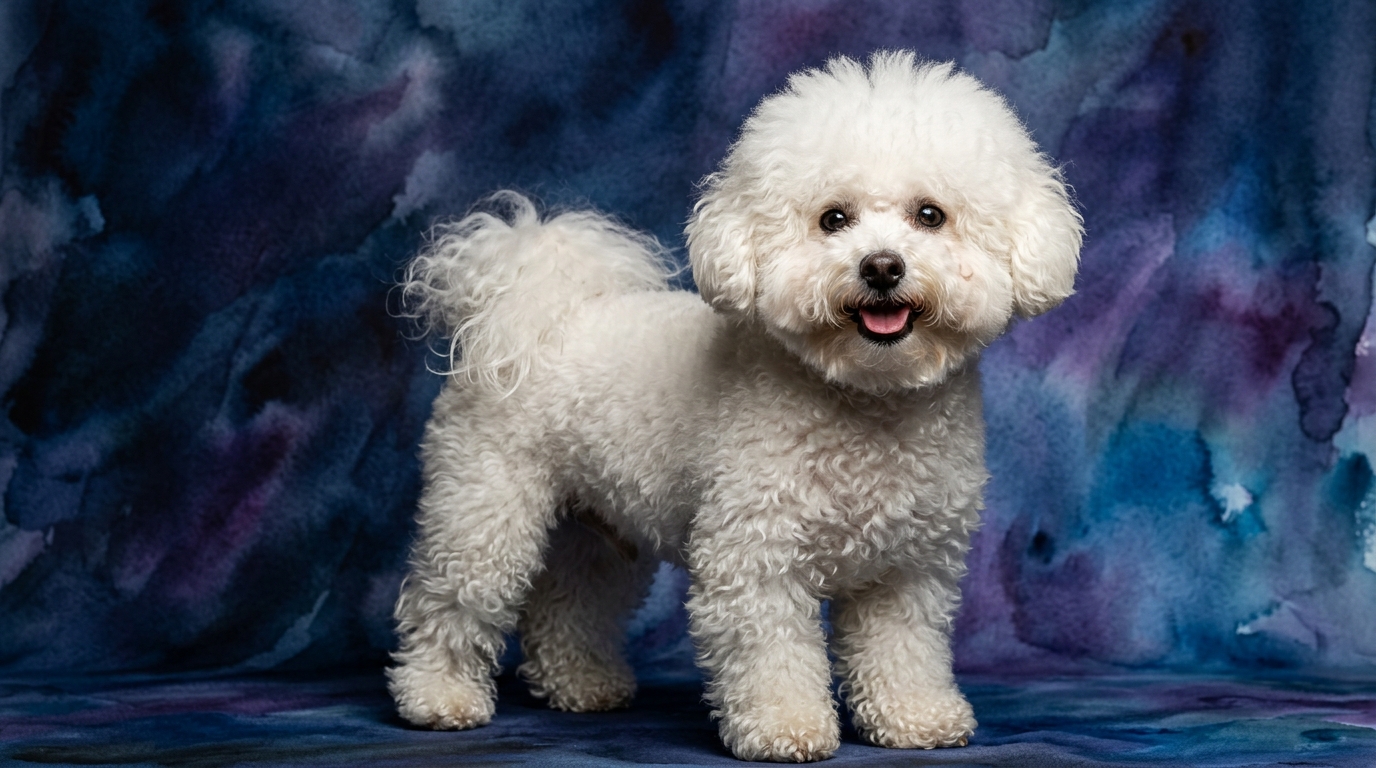
The Bichon Frisé, a charming member of the Non-Sporting group, showcases a cognitive profile indicating a strong emphasis on social connection. Its IQ scores register Problem Solving at 3/5, Training Speed at 3/5, and Memory at 3/5, suggesting a moderate and consistent capacity in these areas. However, its standout score is an exceptional Social Intelligence at 5/5, reflecting a profound ability to understand and engage with human emotions and cues. This breed also exhibits a lower Instinctive Drive at 2/5, meaning it is less inclined towards independent pursuits driven by primal urges. Furthermore, its Coren rank of #45 places it well within the top half for working and obedience intelligence, underscoring its capacity for learning human directives.
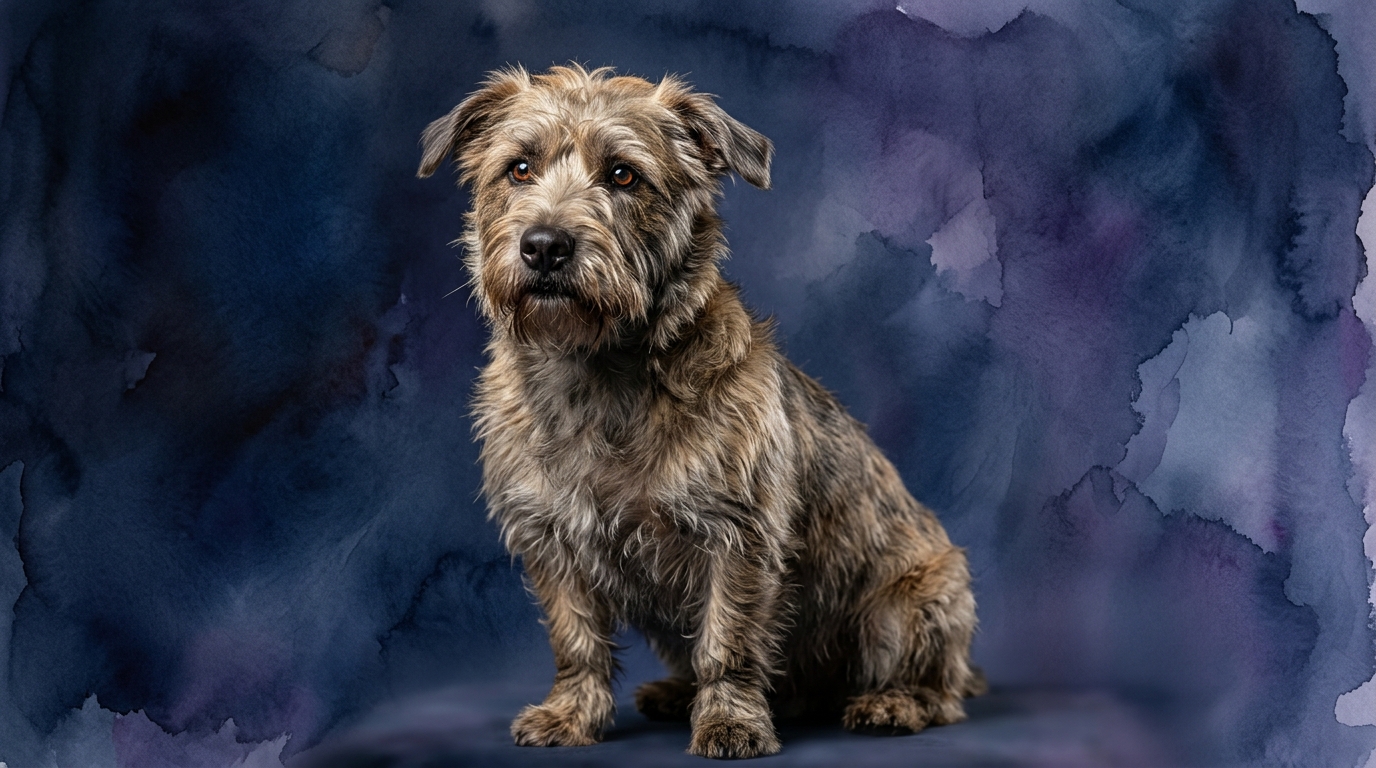
In contrast, the Glen of Imaal Terrier, a robust member of the Terrier group, presents a more uniformly balanced cognitive landscape. Unranked by Coren, this breed's IQ scores consistently land at 3/5 across all dimensions: Problem Solving, Training Speed, Social Intelligence, Instinctive Drive, and Memory. This balanced profile suggests a steady, reliable cognitive approach without any single dimension overwhelmingly dominating the others. Its moderate Instinctive Drive at 3/5 reflects its terrier heritage, indicating a capacity for purposeful work and a degree of independent thought, while its Social Intelligence at 3/5 suggests a solid but perhaps more discerning connection with its human companions compared to the effusive Bichon.
Where the Bichon Frisé Cognitively Excels
The Bichon Frisé's primary cognitive advantage lies in its unparalleled Social Intelligence, scoring a perfect 5/5. This remarkable aptitude translates into an exceptional ability to read human emotions, respond to subtle social cues, and form deep, empathetic bonds. A Bichon is not merely present; it actively seeks and interprets human interaction, making it extraordinarily attuned to its family's mood and dynamics. This high social intelligence contributes significantly to its adaptability in various home environments and its potential as a companion for individuals seeking a deeply connected canine friend.
Furthermore, the Bichon's lower Instinctive Drive (2/5) complements its social prowess. With fewer inherent urges to independently hunt, guard, or roam, the Bichon tends to remain more focused on its human companions. This cognitive trait means they are generally less distracted by environmental stimuli that might pull other breeds away from interaction. Their moderate scores in Problem Solving, Training Speed, and Memory (all 3/5) are effectively amplified by their strong desire to engage with people, making them eager participants in learning activities that involve human partnership. The Coren rank of #45 also reinforces their solid capacity for understanding and executing learned commands, often motivated by the reward of positive human attention.
Where the Glen of Imaal Terrier Cognitively Shines
The Glen of Imaal Terrier's cognitive strengths stem from its uniformly balanced profile, particularly its consistent 3/5 scores across all five dimensions: Problem Solving, Training Speed, Social Intelligence, Instinctive Drive, and Memory. This consistent scoring indicates a robust and versatile cognitive toolkit, allowing the Glen to approach various challenges with a steady, pragmatic mindset. Unlike breeds with extreme peaks and valleys in their cognitive scores, the Glen's balanced intellect suggests a reliable capacity for independent thought and a tenacious approach to tasks, characteristics inherited from its working terrier lineage.
Its moderate Instinctive Drive (3/5) is a significant asset, equipping the Glen with a purposeful persistence often seen in working breeds. While not as intense as some other terriers, this drive means a Glen can focus on tasks like scent work, exploring, or engaging with puzzle toys for sustained periods. This cognitive stamina, combined with its 3/5 Problem Solving ability, makes it adept at navigating its environment and figuring out solutions to practical challenges, such as finding hidden treats or overcoming minor obstacles. Their 3/5 Social Intelligence suggests they form loyal, meaningful bonds, though perhaps with a more reserved or discerning affection compared to the outwardly effusive Bichon.
Training Aptitude: Bichon Frisé vs. Glen of Imaal Terrier
When considering ease of training, both the Bichon Frisé and the Glen of Imaal Terrier share a Training Speed score of 3/5, suggesting a moderate pace for acquiring new behaviors. However, their divergent social and instinctive profiles create distinct training experiences. The Bichon Frisé's exceptional Social Intelligence (5/5) makes it highly responsive to human interaction and praise, often eager to comply simply to please its owner. This strong desire for connection means that while the raw speed of learning might be moderate, the motivation to engage in training is very high. Their lower Instinctive Drive (2/5) also means fewer distractions from self-directed activities, allowing them to remain more focused on the trainer's instructions and cues. Positive reinforcement, particularly with verbal praise and gentle affection, proves highly effective in shaping a Bichon's behavior.
The Glen of Imaal Terrier, with its 3/5 Social Intelligence and 3/5 Instinctive Drive, approaches training with a different mindset. While capable of learning at a moderate pace, the Glen may exhibit a more independent streak typical of terriers. Its moderate drive can be channeled into purposeful tasks, but it also means the Glen might be less inherently motivated by simply pleasing its human and more by the intrinsic reward of the task itself or a tangible treat. Training a Glen often requires more creativity, consistency, and patience, focusing on making lessons engaging and rewarding. Owners might find success by incorporating games that appeal to their problem-solving skills and moderate instinctive urges, such as scent work or short, engaging obedience drills, to maintain their focus and enthusiasm.
Suitability for Active vs. Relaxed Lifestyles
The cognitive profiles of these two breeds offer clear guidance on their suitability for different owner lifestyles. The Bichon Frisé, with its notably low Instinctive Drive (2/5) and supreme Social Intelligence (5/5), is an ideal companion for more relaxed owners. These dogs thrive on close human companionship and gentle activities that involve their family, such as short walks, indoor play, and cuddling. They are content with a less demanding physical routine and derive their greatest satisfaction from constant human presence and interaction. Their moderate Problem Solving and Memory scores (both 3/5) mean they appreciate engaging in simple tricks or puzzle toys, but they aren't mentally restless if not constantly challenged, preferring the comfort of routine and affection.
Conversely, the Glen of Imaal Terrier, with its balanced 3/5 scores across all cognitive dimensions, particularly its moderate Instinctive Drive, is better suited for owners who appreciate a dog with a more active, purposeful engagement with the world. While not hyperactive, Glens benefit from regular mental stimulation and moderate physical activity that taps into their terrier heritage. Owners who enjoy daily walks, exploring new environments, or engaging in scent games, earthdog trials, or even agility will find a willing and capable partner in a Glen. They possess a quiet tenacity and independent spirit that flourishes when given opportunities to apply their problem-solving skills and moderate drive, making them excellent companions for those seeking a dog with a bit more ‘job’ to do, even if that job is just exploring the backyard.
The Verdict
Choose the Bichon Frisé if you seek a deeply affectionate, highly sociable companion who thrives on constant human connection and gentle interaction, ideal for a relaxed, family-focused home environment. Its primary joy comes from being an integral, cherished member of your daily life.
Opt for the Glen of Imaal Terrier if you desire a balanced, tenacious companion capable of independent thought and purposeful engagement, suitable for owners who appreciate a dog with a moderate drive for exploration and interactive activities beyond simple companionship.
🧠 Find Your Pet's IQ Score
Our Pet IQ Lab assessment covers 25+ tests across 5 cognitive dimensions — personalized to your breed.
Take the Full IQ Test →Frequently Asked Questions
Are Bichon Frisé dogs easy to house train?
With a Training Speed of 3/5 and exceptional Social Intelligence (5/5), Bichons are generally responsive to house training when consistent positive reinforcement is applied. Their strong desire to please their human companions significantly aids in establishing good habits efficiently, making them eager learners in a structured environment.
Do Glen of Imaal Terriers get along with other pets?
Glen of Imaal Terriers have a Social Intelligence of 3/5, meaning they can coexist well with other pets, especially if socialized extensively from a young age. However, their moderate Instinctive Drive (3/5), a remnant of their vermin-hunting past, means they might exhibit a natural prey drive towards smaller animals, necessitating careful introductions and supervised interactions.
What kind of mental stimulation do these breeds need?
The Bichon Frisé, with its 3/5 Problem Solving and 5/5 Social Intelligence, thrives on interactive games, cuddle sessions, and training that deeply involve its human family. The Glen of Imaal Terrier, also with 3/5 Problem Solving and 3/5 Instinctive Drive, benefits from puzzle toys, scent work, or supervised digging opportunities that engage its natural terrier instincts and provide a sense of purpose.