Side-by-Side Cognitive Profiles
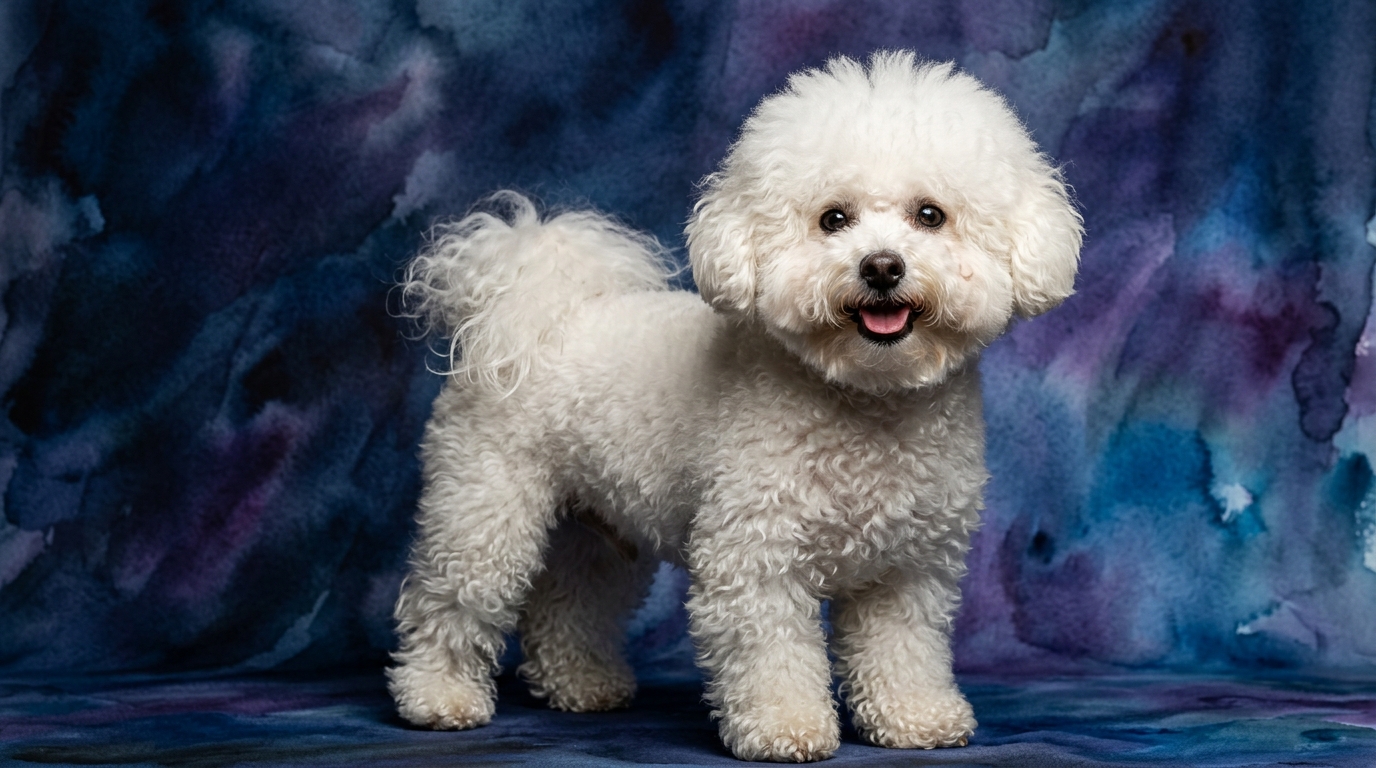
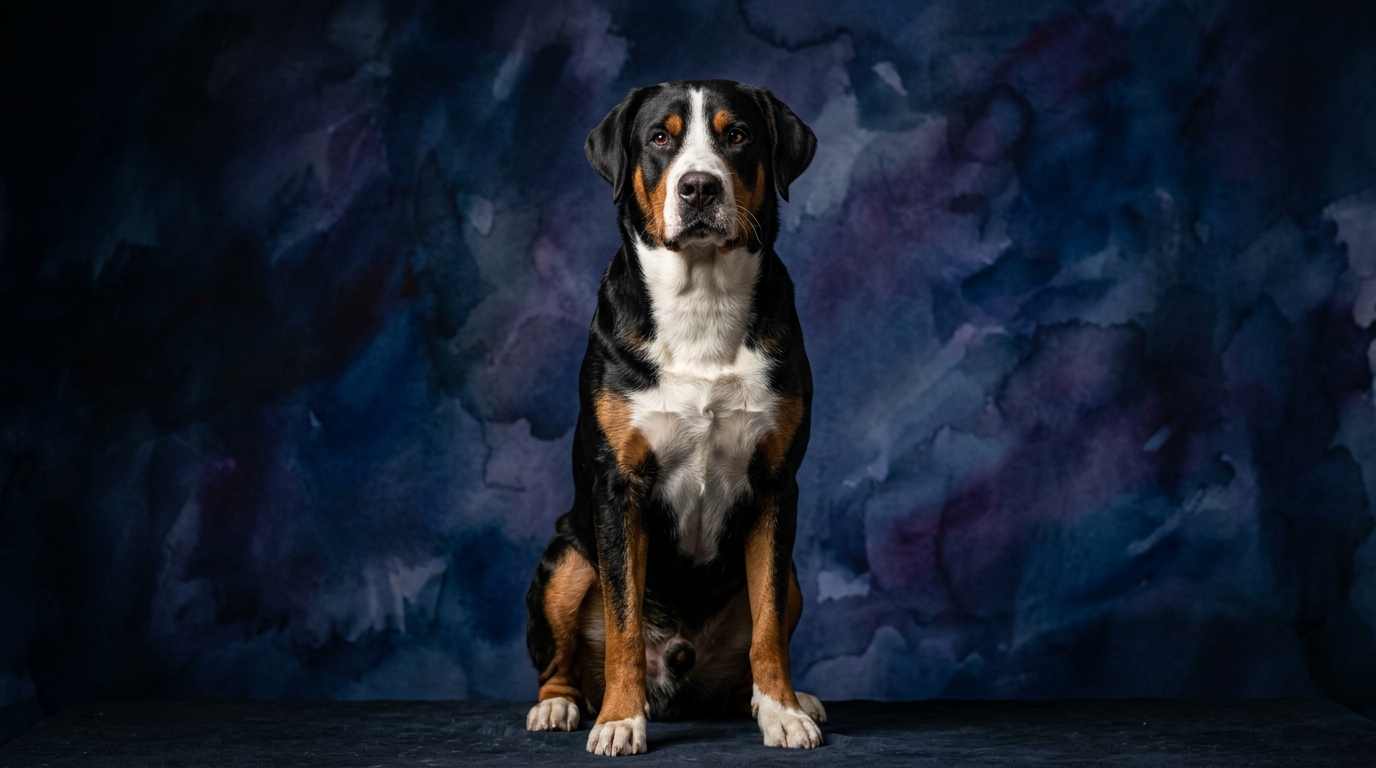
The Cosmic Pet IQ Lab assesses five crucial dimensions of canine cognition, offering a granular view into how different breeds process information and interact with their environment. For the Bichon Frisé, a Non-Sporting breed ranked #45 by Coren, and the Greater Swiss Mountain Dog, a Working breed without a Coren rank, these profiles paint a clear picture of their mental aptitudes.
The **Bichon Frisé** presents a cognitive profile heavily weighted towards social interaction. Their **Problem Solving** is rated 3/5, indicating an aptitude for navigating common household dilemmas, often centered around gaining attention or manipulating objects to achieve a comfort-related goal. **Training Speed** stands at 3/5; they learn at a moderate pace, often motivated by positive reinforcement and human connection. Their standout trait is **Social Intelligence** at a perfect 5/5, showcasing an exceptional ability to read and respond to human emotions and social cues. **Instinctive Drive** is low at 2/5, meaning they possess minimal inherent drive for tasks like hunting or guarding. Finally, their **Memory** is rated 3/5, allowing them to retain routines and commands with reasonable consistency.
In contrast, the **Greater Swiss Mountain Dog** exhibits a balanced cognitive structure, reflecting its working background. Their **Problem Solving** is also rated 3/5, but often manifests in practical, physical solutions to environmental challenges, such as figuring out how to open a gate or navigate varied terrain. Their **Training Speed** is 3/5, indicating a moderate learning curve that benefits from clear, consistent guidance. **Social Intelligence** is 3/5; they are loyal and form strong bonds within their family but may be less nuanced in reading subtle human emotional shifts compared to the Bichon. Their **Instinctive Drive** is 3/5, reflecting a moderate inherent desire for purposeful activity, whether it's drafting, guarding, or general utility. Like the Bichon, their **Memory** is 3/5, providing a solid capacity for retaining learned tasks and experiences.
Where the Bichon Frisé Shines Cognitively
The Bichon Frisé's unparalleled social intelligence is their crowning cognitive strength. At a perfect 5/5, they excel at deciphering subtle human cues, often appearing to anticipate their owner's next move or emotional state with remarkable accuracy. This manifests in their uncanny ability to offer comfort when sensing distress or to instigate play when boredom sets in, demonstrating a sophisticated understanding of relational dynamics.
Their capacity for empathy and reciprocal communication creates deeply intuitive bonds, making them highly responsive companions in social settings. This isn't just about being friendly; it's about a refined mental processing of social information. This robust social drive also aids in certain 'problem-solving' scenarios where the solution involves manipulating human behavior, like charming their way into a lap or subtly indicating a need for attention. While their overall problem-solving isn't higher, their *approach* to solving certain problems is distinctly social, leveraging their deep understanding of human interaction to achieve desired outcomes.
Where the Greater Swiss Mountain Dog Excels Cognitively
The Greater Swiss Mountain Dog's stronger instinctive drive, rated 3/5, provides a distinct cognitive advantage in purposeful activities. Rooted in its working heritage, this drive isn't solely about physical action; it's a mental inclination towards tasks, structure, and contributing to a 'pack' effort. They possess a natural inclination for roles involving responsibility, whether that's pulling a cart, guarding property, or simply being a steady, reliable presence. This translates into a resilience and focused determination when given a job, demonstrating a cognitive framework geared towards utility and steadfastness.
While both breeds share a 3/5 rating for problem-solving, the Swissy's approach often leans towards practical, physical challenges relevant to their environment or a task, rather than purely social ones. This makes them adept at navigating complex outdoor situations, understanding spatial challenges, or figuring out how to overcome physical obstacles. Their cognitive strengths are firmly grounded in their ability to perform and endure, making them effective partners in more demanding, structured environments.
Trainability: A Tale of Two Motivations
Both the Bichon Frisé and the Greater Swiss Mountain Dog share a Training Speed rating of 3/5, suggesting a moderate pace of learning. However, the *nature* of their trainability and the motivational strategies that yield the best results differ significantly due to their other cognitive profiles.
The **Bichon Frisé**, with its superior social intelligence, often appears more naturally cooperative in training scenarios that involve direct human interaction and positive reinforcement. Their eagerness to please and strong desire for connection make them highly motivated by praise, attention, and the joy of shared activity. They are quick to pick up on verbal cues and body language from their trainer, and their memory is sufficient to retain these lessons over time. However, their lower instinctive drive means they might lack the inherent motivation for repetitive, task-oriented training if it doesn't involve direct human engagement. They thrive on connection, but can become easily distracted if the human-dog bond isn't actively reinforced during sessions.
The **Greater Swiss Mountain Dog**, while equally rated in training speed, responds best to clear, consistent, and reward-based methods that appeal to their moderate instinctive drive. They understand purpose and can be motivated by the satisfaction of completing a task, as well as by tangible rewards. Their social intelligence, while strong within their family, means they might not be as finely attuned to subtle human emotional shifts as a Bichon. This breed benefits from trainers who establish clear expectations and demonstrate calm leadership, appealing to their desire for structure and a defined role. While they might not learn a trick solely for a human's delighted reaction, they will learn a command if it serves a clear purpose or provides a valued outcome. Their inherent independence can mean they occasionally test boundaries, requiring a firm but fair hand that respects their working mentality.
Matching Canine Cognition to Lifestyle
For **relaxed owners** seeking a companion primarily for social interaction and emotional connection, the **Bichon Frisé** is an excellent match. Their exceptional social intelligence means they thrive on being close to their human family, participating in daily life as an attentive and empathetic presence. While they enjoy playtime and short walks, their cognitive strengths are not rooted in demanding physical tasks or complex environmental navigation. They are content with indoor games, cuddles, and being the center of social attention, making them ideal for individuals or families whose lifestyle prioritizes companionship over strenuous activity. Their lower instinctive drive aligns perfectly with a more laid-back approach to dog ownership, where the dog's primary 'job' is to be a beloved family member.
For **active owners** who appreciate a dog with purpose and a moderate drive for engagement, the **Greater Swiss Mountain Dog** is more suitable. Their moderate instinctive drive and robust physical capabilities mean they enjoy regular exercise, outdoor adventures, and opportunities to 'work' alongside their owners, even if that work is just a long hike or a structured training session. They appreciate having a role and respond well to routines that incorporate mental and physical stimulation. While loyal and social within their family, their cognitive profile suggests a need for more than just passive companionship; they benefit from owners who can channel their inherent drive into meaningful activities. This makes them a better fit for owners who enjoy an active lifestyle and want a capable, steadfast partner to share it with.
The Verdict
Choose the Bichon Frisé if your priority is a deeply empathetic, socially astute companion who thrives on close emotional connection and intuitive understanding of human dynamics.
Opt for the Greater Swiss Mountain Dog if you seek a steadfast, purposeful partner who enjoys structured activities and possesses a moderate drive for engagement and practical tasks alongside an active family.
🧠 Find Your Pet's IQ Score
Our Pet IQ Lab assessment covers 25+ tests across 5 cognitive dimensions — personalized to your breed.
Take the Full IQ Test →Frequently Asked Questions
Do Bichon Frisés get bored easily?
Bichons can become restless if their social needs aren't met, as their primary cognitive drive is interaction. They require consistent human engagement and mental stimulation through play and attention to remain content.
Are Greater Swiss Mountain Dogs good with children?
Greater Swiss Mountain Dogs are generally patient and protective with children, demonstrating their social intelligence within the family unit. Early socialization and consistent training are crucial to ensure they understand their role and boundaries.
How do their memories compare for complex tasks?
Both breeds have a memory rating of 3/5, indicating moderate recall. The Swissy's memory might be more geared towards retaining sequences for practical tasks due to its working heritage, while the Bichon's excels in remembering social cues and preferences.