Side-by-Side IQ Profile: Unpacking Cognitive Dimensions
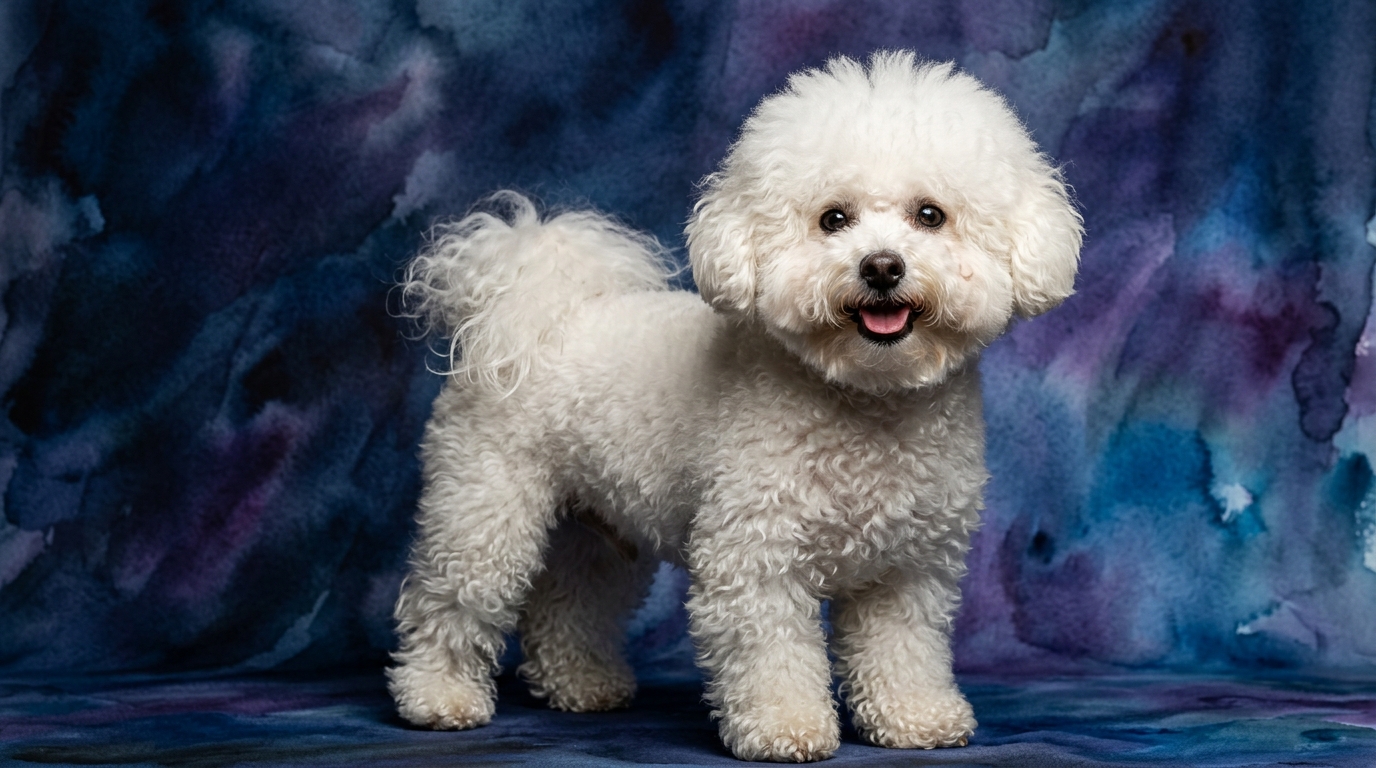
The Cosmic Pet Pet IQ Lab employs a five-dimensional framework to assess canine intelligence, offering a granular view beyond simple 'smartness.' For the Bichon Frisé, ranked #45 by Coren and belonging to the Non-Sporting group, its profile presents a balanced intellect with a standout social aptitude. Its Problem Solving is rated 3/5, suggesting a moderate capacity to navigate novel situations or figure out how to access a hidden treat, often through trial and error or by observing human cues. Training Speed also sits at 3/5, indicating a moderate pace for learning new commands, requiring consistent, positive reinforcement to solidify behaviors. The true highlight for the Bichon is its Social Intelligence at a remarkable 5/5, signifying an exceptional ability to understand and respond to human emotions, intentions, and social dynamics within a family unit. This breed often tunes into subtle shifts in mood, showing empathy and adapting its behavior to maintain harmony. Its Instinctive Drive is a modest 2/5, meaning it possesses a relatively low innate urge for tasks like retrieving, herding, or guarding, making them less prone to independent, task-oriented behaviors. Memory is rated 3/5, indicating a solid ability to retain learned commands and experiences over time.
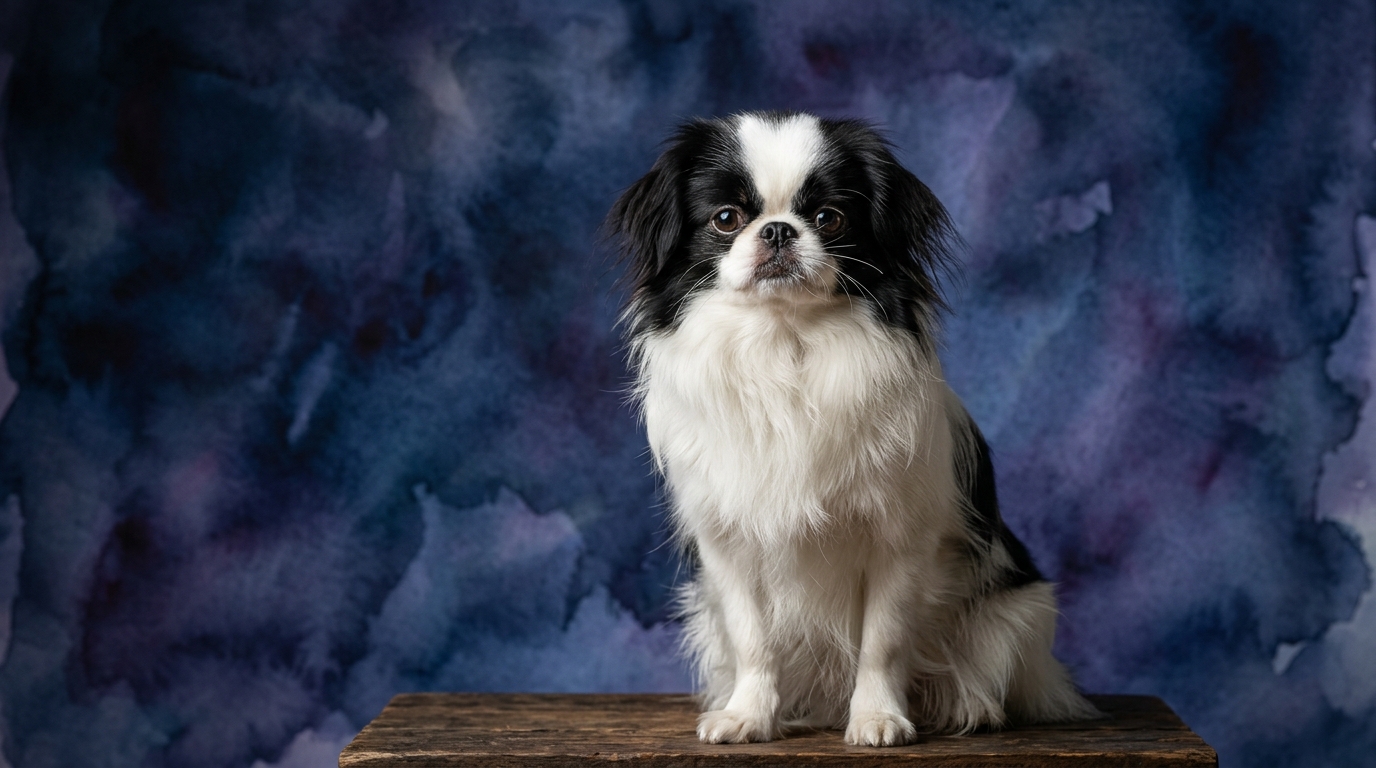
In contrast, the Japanese Chin, a distinguished member of the Toy group and not featured on Coren's ranking, presents a slightly different cognitive landscape. Its Problem Solving mirrors the Bichon at 3/5; these dogs can figure out basic puzzles or navigate familiar environments effectively, but complex, multi-step challenges might require more guidance. Training Speed also aligns at 3/5, meaning they learn at a similar pace to the Bichon, benefiting greatly from patient, reward-based methods. Where the Chin diverges notably is in its Social Intelligence, rated 3/5. While certainly capable of forming deep bonds and enjoying human companionship, its interpretation of social cues might be more direct and less nuanced than the Bichon's, often preferring a more independent presence rather than constantly seeking to attune to every human emotional shift. Its Instinctive Drive, at 3/5, is marginally higher than the Bichon's, suggesting a slightly greater natural inclination for certain innate behaviors, perhaps a touch more curiosity or a subtle inclination towards exploring or tracking scents, though still very much a companion breed. Finally, its Memory is 3/5, indicating a reliable capacity to remember routines, commands, and past interactions.
Where the Bichon Frisé Wins Cognitively
The Bichon Frisé's distinct cognitive advantage lies squarely in its exceptional Social Intelligence, scoring a perfect 5/5. This isn't merely about affection; it's a sophisticated capacity to read and respond to human emotional states and social cues with remarkable precision. A Bichon often senses when its owner is feeling down, offering gentle nudges or quiet companionship without explicit prompting. They are adept at understanding the subtle nuances of human communication, from changes in vocal tone to shifts in body language, allowing them to adapt their behavior to fit the social context. This superior social processing means they are often described as 'people pleasers' not just because they enjoy attention, but because they genuinely understand what makes their human companions happy or distressed. This high social intelligence contributes to their reputation as superb emotional support animals and family pets, as they actively seek to integrate themselves into the human social fabric and maintain harmony.
Where the Japanese Chin Wins Cognitively
The Japanese Chin demonstrates a subtle cognitive edge in its Instinctive Drive, rated 3/5 compared to the Bichon's 2/5. While neither breed possesses the intense working drives of a herding or sporting dog, the Chin's slightly elevated score suggests a more pronounced intrinsic curiosity and a greater inclination towards independent exploration within its environment. This manifests not as a desire to hunt or guard, but perhaps as a more self-directed interest in investigating new smells, sounds, or objects around the home. They might be more inclined to quietly observe their surroundings, process sensory information, and engage with toys or puzzles on their own terms, rather than constantly seeking human interaction for stimulation. This isn't to say they are aloof, but their internal drive allows for periods of contentment and engagement without constant human direction. This slightly higher instinctive drive means they might be more self-sufficient in entertaining themselves and possess a quiet determination when pursuing a minor 'task' like finding a dropped treat or exploring a new corner of the room.
Which is Easier to Train and Why
When evaluating trainability, both the Bichon Frisé and Japanese Chin share a Training Speed rating of 3/5, suggesting they learn new commands at a moderate pace. However, the Bichon Frisé's superior Social Intelligence (5/5) often gives it an edge in practical training scenarios. A Bichon is inherently motivated to please its human companions and is incredibly attuned to their reactions, making it highly responsive to positive reinforcement and praise. They actively seek to understand what is expected of them and often adjust their behavior quickly to elicit approval. Their keen awareness of social cues means they pick up on subtle training prompts and corrections more readily, often anticipating their owner's wishes.
The Japanese Chin, with its 3/5 Social Intelligence and 3/5 Instinctive Drive, learns commands effectively but might require a slightly different approach. While they are certainly capable learners, their training might be less about 'pleasing' and more about understanding the task itself and the reward associated with it. They possess a charming independence; if a Chin doesn't see the immediate value or logic in a command, they might offer a polite, yet firm, refusal. Their slightly higher instinctive drive means they can sometimes be more easily distracted by interesting environmental stimuli, requiring a trainer to maintain engagement and make sessions fun and rewarding. Both breeds thrive on positive reinforcement and patience, but the Bichon's innate desire for social harmony can make the training process feel more collaborative and less like a negotiation.
Which Suits Active Owners vs Relaxed Owners
Considering their cognitive and behavioral profiles, the Bichon Frisé often aligns well with owners seeking an engaged, socially responsive companion, while the Japanese Chin might appeal more to those who appreciate a more independent yet affectionate presence. The Bichon's high Social Intelligence means it thrives on interaction and being an integral, active part of family life. They often enjoy participating in daily routines, accompanying owners on errands, or engaging in gentle play sessions. While not requiring intense physical exertion, their need for social engagement makes them a better fit for owners who are home frequently or can provide consistent companionship and interaction. They are generally adaptable to various activity levels but require mental stimulation through social connection.
The Japanese Chin, with its moderate Social Intelligence and slightly higher Instinctive Drive, often suits relaxed owners who appreciate a dog that is content to observe or engage independently. While they cherish their human bonds, they are often less demanding of constant attention and can be perfectly happy curled up nearby, watching the world go by, or quietly exploring their immediate surroundings. Their independence means they might be more tolerant of an owner's less structured schedule or occasional quiet periods. They are also excellent candidates for apartment living and generally require minimal strenuous exercise, making them ideal for individuals or families who prefer a calm home environment but still desire a loving, charming canine presence.
The Verdict
Select the Bichon Frisé if you prioritize an exceptionally socially intelligent companion who actively seeks to engage with and respond to your emotional state, thriving on deep human connection and collaborative interaction.
Opt for the Japanese Chin if you appreciate a charming, affectionate companion with a touch more independence and a quiet curiosity, content to observe and engage on their own terms while still cherishing shared moments.
🧠 Find Your Pet's IQ Score
Our Pet IQ Lab assessment covers 25+ tests across 5 cognitive dimensions — personalized to your breed.
Take the Full IQ Test →Frequently Asked Questions
Do Bichon Frisé and Japanese Chin learn tricks easily?
Both breeds have a 3/5 Training Speed, meaning they learn new tricks at a moderate pace. The Bichon's social intelligence might make it more eager to please during training, while the Chin might require more consistent, reward-based motivation to maintain focus.
Which breed is better with children, considering their intelligence profiles?
The Bichon Frisé, with its 5/5 Social Intelligence, often excels with children due to its exceptional ability to read social cues and adapt its behavior to maintain harmony, though supervision is always essential. The Japanese Chin, at 3/5 social intelligence, can be good with respectful children but might prefer a calmer interaction and could be less tolerant of boisterous play.
How do their problem-solving skills compare when faced with a new puzzle toy?
Both breeds score 3/5 in Problem Solving, indicating a similar moderate capacity for figuring out new puzzle toys. They might approach the challenge through trial and error or by observing how their human interacts with it, eventually succeeding with persistence.