Side-by-Side Cognitive Profiles
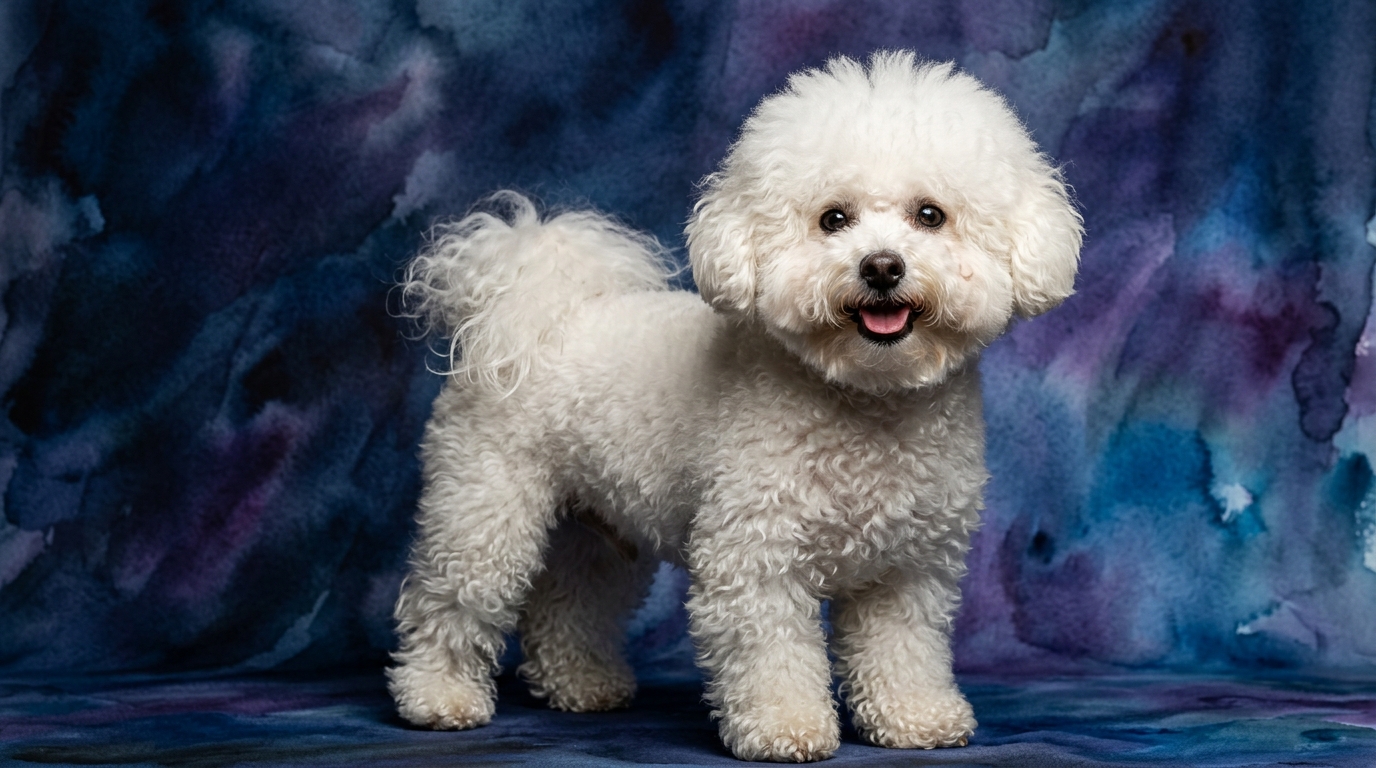
At The Cosmic Pet Pet IQ Lab, we evaluate canine intelligence across five key dimensions, offering a nuanced perspective beyond simple obedience. For the Bichon Frisé, a charming Non-Sporting breed with a Coren rank of #45, its profile reveals a creature primarily driven by connection. Its Problem Solving score of 3/5 indicates an aptitude for navigating household routines and figuring out social dynamics, rather than complex environmental puzzles. Training Speed also sits at 3/5, suggesting a steady learning curve with consistent reinforcement. Where the Bichon truly shines is in Social Intelligence, earning a perfect 5/5; these dogs are masters of reading human cues and adapting to emotional environments. Its Instinctive Drive is a modest 2/5, meaning minimal inherent urges for hunting or herding, while Memory registers at a solid 3/5 for retaining learned behaviors and familiar faces.
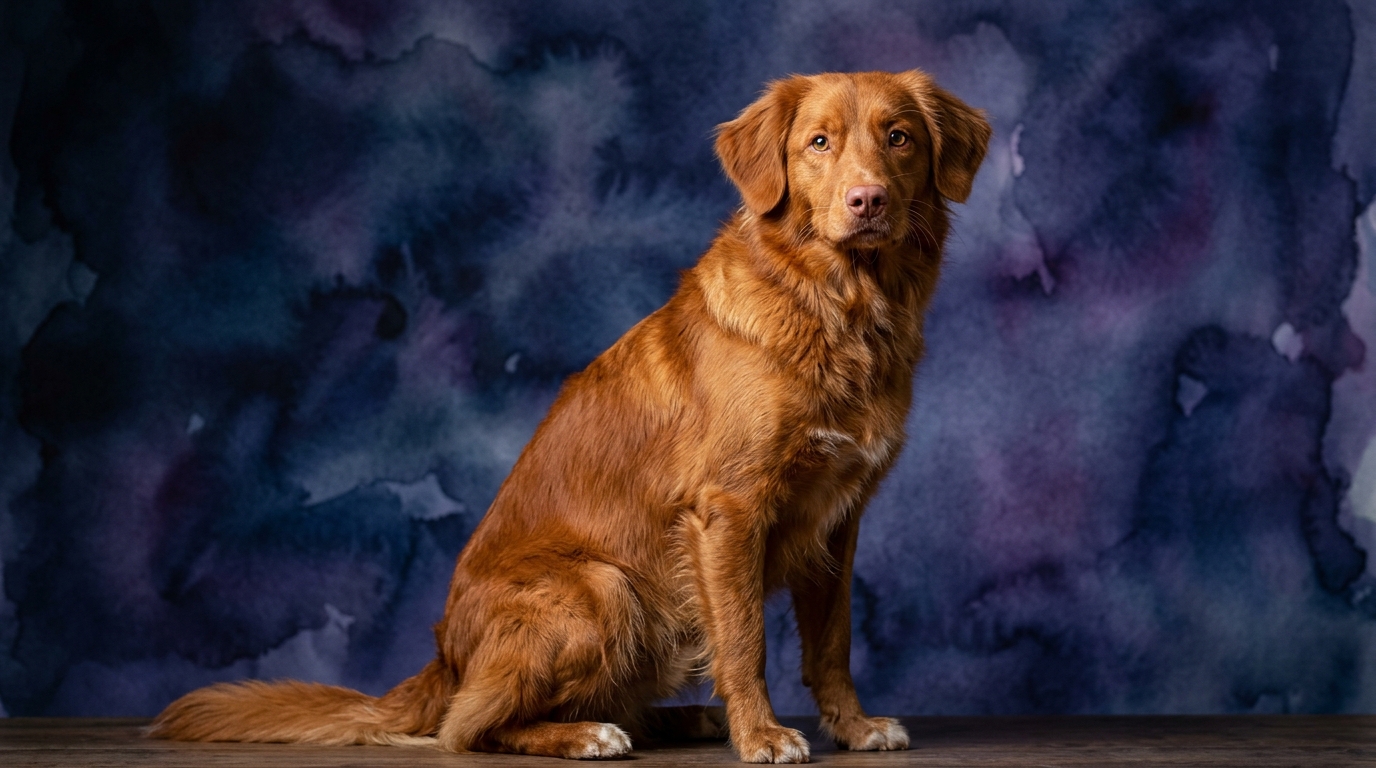
The Nova Scotia Duck Tolling Retriever, a vibrant Sporting breed, presents a different cognitive blueprint. While not included in Coren's original ranking, its IQ scores paint a picture of a capable and engaged canine. Like the Bichon, its Problem Solving ability is rated 3/5, though this often manifests in resourcefulness during active tasks or retrieving challenges. Training Speed also mirrors the Bichon at 3/5, indicating an efficient learner, particularly when tasks align with its innate drives. Its Social Intelligence, at 3/5, is competent and forms strong bonds, but perhaps less acutely sensitive to subtle human emotions compared to the Bichon. The Toller’s Instinctive Drive is a moderate 3/5, reflecting its heritage as a working retriever with a natural inclination for specific tasks. Its Memory, too, is a 3/5, allowing it to recall complex sequences and locations relevant to its activities.
Where the Bichon Frisé Excels Cognitively
The Bichon Frisé truly distinguishes itself in the realm of Social Intelligence, achieving an impressive 5/5 score. This isn't just about being friendly; it reflects a profound capacity for empathy and understanding human emotional states. Bichons are adept at interpreting subtle shifts in tone, body language, and mood, often responding with comforting gestures or engaging in playful antics to lighten the atmosphere. This superior social acumen allows them to form incredibly deep, intuitive bonds with their human companions, making them exceptional emotional support animals and family members who seem to understand their owners on a profound level. Their cognitive strengths lie in navigating the complexities of human-canine relationships, using their charm and perception to integrate seamlessly into family life and often subtly 'training' their owners through endearing behaviors.
Another cognitive advantage for the Bichon is its lower Instinctive Drive (2/5). While some might view a lower drive as a deficit, for a companion animal, it's often a significant benefit. This means Bichons are typically less prone to chasing wildlife, herding children, or exhibiting intense guarding behaviors that can be challenging in a household setting. Their cognitive energy isn't constantly diverted by deep-seated primal urges, allowing them to focus more on social interaction and domestic harmony. This makes them generally more content in urban or suburban environments with moderate exercise, as their cognitive framework isn't perpetually seeking an outlet for intense working tasks.
Where the Nova Scotia Duck Tolling Retriever Shines
The Nova Scotia Duck Tolling Retriever’s cognitive strengths are deeply rooted in its working heritage, particularly evident in its Instinctive Drive (3/5). Unlike the Bichon, the Toller possesses a moderate, purposeful drive that propels it towards engagement with its environment and specific tasks. This manifests as a keen interest in retrieving, scent work, and activities that mimic its historical role of luring and retrieving waterfowl. This drive isn't just about physical activity; it's a cognitive engine that fuels their persistence, focus, and dedication to completing a 'job.' They often exhibit a resourceful approach to problem-solving within these contexts, figuring out how to navigate obstacles or locate hidden items, driven by their innate desire to work.
While both breeds score 3/5 in Problem Solving and Training Speed, the Toller's application of these cognitive skills often leans towards practical, task-oriented intelligence. Their problem-solving might involve strategizing the best route to retrieve a toy from water or figuring out how to open a puzzle feeder. Their training speed benefits from their willingness to engage in repetitive, structured tasks when sufficiently motivated by play, treats, or the satisfaction of a job well done. Tollers demonstrate a focused mental stamina, able to sustain attention on complex training sequences or agility courses for extended periods. This cognitive profile makes them particularly adept at dog sports and activities that require both mental agility and physical coordination, showcasing a different but equally valuable form of canine ingenuity.
Training Aptitude: A Tale of Motivation
When it comes to ease of training, both breeds share a 3/5 Training Speed score, suggesting neither is inherently 'easier' in a universal sense; rather, their motivations differ. The Bichon Frisé, with its exceptional Social Intelligence, is often highly motivated by praise, attention, and the desire to please its human companions. They respond well to positive reinforcement and thrive in training environments that feel like a fun, interactive game. However, their lower instinctive drive means they might lack the intense focus for highly repetitive drills or tasks that don't directly involve social interaction, sometimes leading to a charming stubbornness if they perceive a task as unengaging. Their cleverness can also manifest as finding loopholes in commands if not taught with clear boundaries.
The Nova Scotia Duck Tolling Retriever, while equally capable of learning, is often more motivated by toys, retrieving games, and the opportunity to engage its moderate instinctive drive. They excel in structured training that involves problem-solving or physical activity. Tollers can be remarkably focused and persistent learners when the training is consistent, challenging, and taps into their natural inclinations. However, their intelligence and drive mean they can become bored or frustrated with overly repetitive or uninspiring training methods. An inconsistent owner might find a Toller 'outsmarting' them, as these dogs remember patterns and can quickly learn what they can get away with. Their 3/5 social intelligence means they might not be as finely attuned to subtle human emotional cues during training, requiring more explicit communication and consistent expectations.
Matching Canine Minds to Lifestyles
Understanding these cognitive distinctions is key to finding the right canine companion for your lifestyle. The Bichon Frisé, with its pronounced Social Intelligence and lower Instinctive Drive, is an ideal match for individuals or families seeking a devoted companion who thrives on close interaction and a more relaxed pace of life. They are content with moderate daily exercise, such as short walks and indoor play, and are happiest when they are an integral part of family activities. Their cognitive energy is primarily directed towards social bonding and maintaining harmony within the household, making them excellent companions for those who prioritize emotional connection over intense physical or mental exertion.
Conversely, the Nova Scotia Duck Tolling Retriever's moderate Instinctive Drive and task-oriented cognitive abilities make it best suited for active owners prepared to provide consistent mental and physical stimulation. These dogs require daily outlets for their energy, whether through long hikes, swimming, retrieving games, or participation in dog sports like agility or obedience. An owner who understands and caters to the Toller's inherent need for a 'job' will find a highly engaged and cooperative partner. Without sufficient engagement, their intelligence and drive can lead to boredom, manifesting as destructive behaviors or excessive vocalization. They are not content to be mere couch potatoes; their minds and bodies demand purposeful activity.
The Verdict
Choose the Bichon Frisé if you seek an exceptionally socially intelligent, empathetic companion who thrives on intimate human connection and requires moderate daily activity.
Opt for the Nova Scotia Duck Tolling Retriever if you are an active owner committed to providing consistent training, ample physical exercise, and mentally stimulating tasks for a driven, task-oriented canine partner.
🧠 Find Your Pet's IQ Score
Our Pet IQ Lab assessment covers 25+ tests across 5 cognitive dimensions — personalized to your breed.
Take the Full IQ Test →Frequently Asked Questions
Are Bichon Frisé good at learning tricks?
Yes, their high social intelligence and eagerness to please make Bichons highly responsive to trick training, especially when it involves engaging interaction and positive rewards. They learn at a steady pace and genuinely enjoy the attention and mental stimulation.
Do Nova Scotia Duck Tolling Retrievers need a 'job'?
While not strictly mandatory, Tollers benefit immensely from having structured activities that engage their retrieving instincts, problem-solving abilities, and physical energy. Without a consistent 'job' or sufficient mental stimulation, their inherent drive can lead to boredom, frustration, and potentially destructive behaviors.
Which breed is better for first-time dog owners?
The Bichon Frisé, with its lower exercise demands and strong social drive, is generally more forgiving for first-time owners seeking a devoted companion. The Toller's higher activity and mental stimulation needs typically require a more experienced and committed owner who understands working breed requirements.