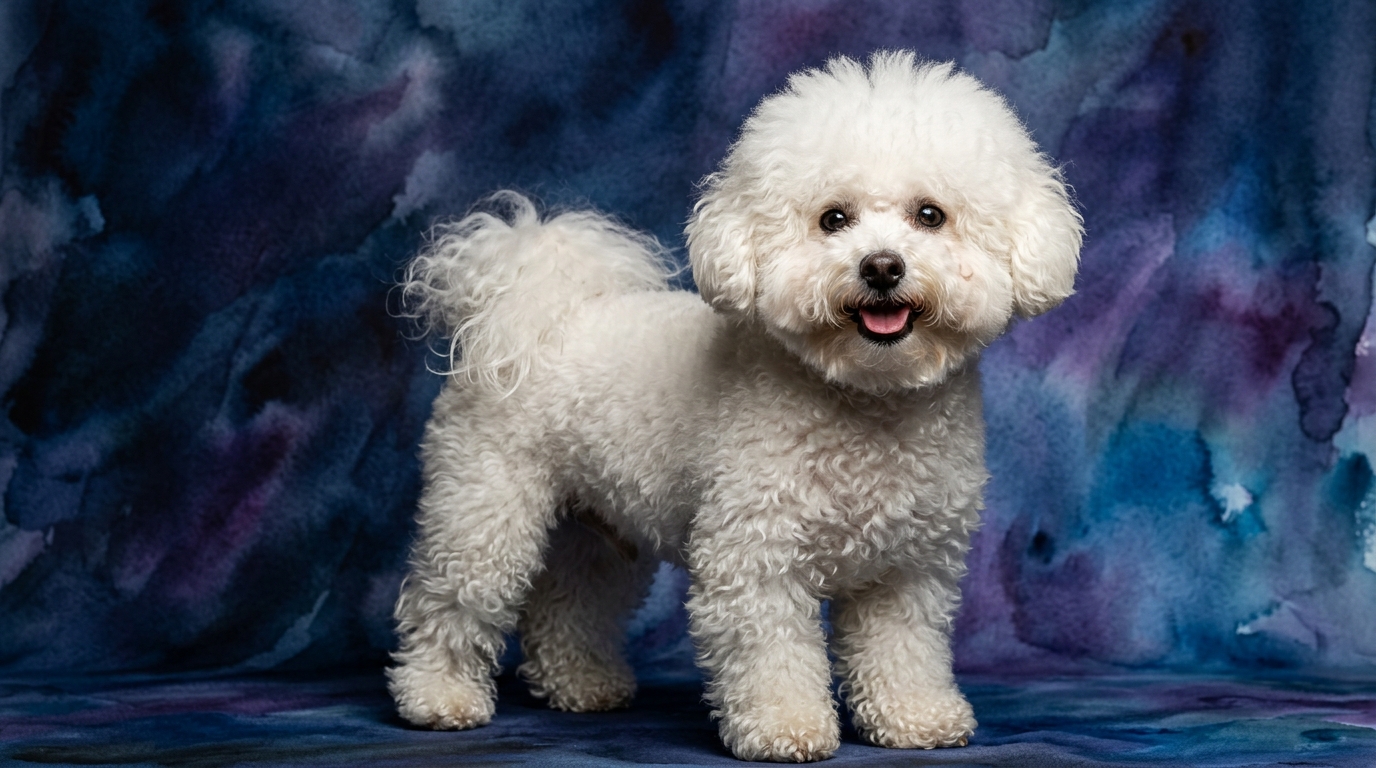
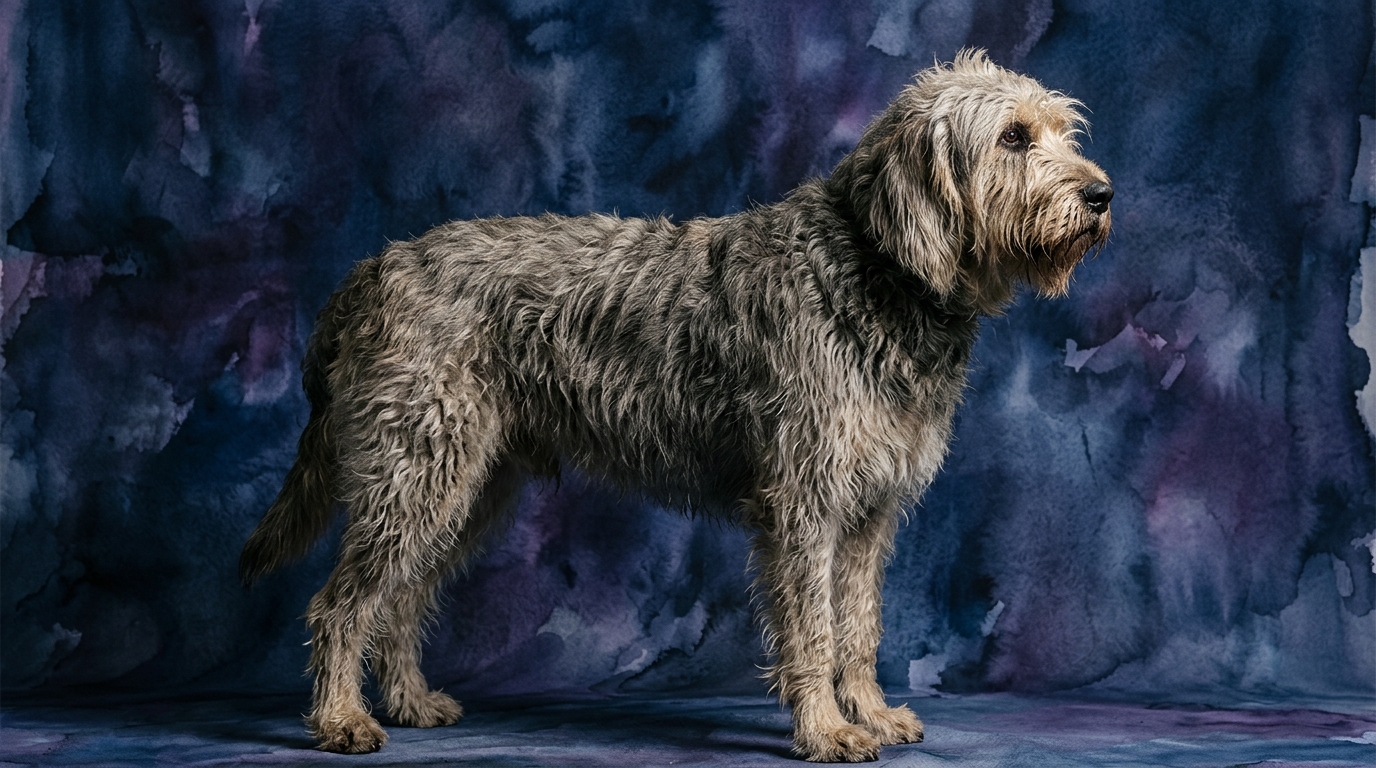
Side-by-Side IQ Profile: Bichon Frisé vs. Otterhound
The Cosmic Pet Pet IQ Lab employs five key dimensions to evaluate canine intelligence, offering a nuanced view beyond traditional rankings. For the Bichon Frisé, a delightful member of the Non-Sporting group, we see a Coren rank of #45, indicating a respectable capacity for learned behaviors. Their Problem Solving score is 3/5, reflecting an average ability to navigate new situations or overcome obstacles, often leveraging their social cues. Training Speed also registers at 3/5, suggesting they grasp new commands at a moderate pace, typically motivated by positive reinforcement and connection. Where the Bichon truly shines is in Social Intelligence, scoring a perfect 5/5; this denotes an exceptional capacity to understand and respond to human emotions, intentions, and social dynamics, making them highly attuned companions. Their Instinctive Drive is lower at 2/5, meaning less inclination towards independent hunting or guarding behaviors, which aligns with their companion role. Finally, their Memory is 3/5, indicating a solid ability to recall past experiences and learned commands.
In contrast, the Otterhound, a powerful Hound breed, is not Coren-ranked, which is common for less mainstream working breeds, but our IQ metrics provide specific insights. Their Problem Solving is 3/5, similar to the Bichon, yet this likely manifests in their ability to decipher complex scent trails and environmental puzzles rather than purely social ones. Training Speed also stands at 3/5, suggesting a moderate learning curve, though their independent hound nature might require more consistent and engaging methods. Their Social Intelligence is 3/5; while capable of forming strong bonds, they may not possess the same intuitive grasp of human emotional nuances as a Bichon, tending towards a more independent demeanor. The Otterhound's Instinctive Drive is 3/5, reflecting a moderate but persistent urge for scenting, tracking, and exploration, a hallmark of their breed's historical purpose. Their Memory, like the Bichon, is 3/5, allowing them to remember crucial information for their tasks and daily routines.
Where the Bichon Frisé Excels Cognitively
The Bichon Frisé's standout cognitive advantage lies unequivocally in their superior Social Intelligence, scoring a remarkable 5/5 compared to the Otterhound’s 3/5. This means a Bichon is exceptionally adept at reading human body language, vocal tones, and emotional states, allowing them to form incredibly deep, empathetic connections with their families. They often anticipate needs and respond to subtle social cues, making them intuitive companions in a way few other breeds can match. This high social acumen contributes significantly to their adaptability within a human household, as they quickly learn social norms and preferred interactions. Their lower Instinctive Drive (2/5) also contributes to their ease of integration into family life, as they are less prone to independent pursuits like intense scent tracking or roaming, preferring instead to be involved in family activities. This focus on social interaction means their problem-solving, though a 3/5, is often directed towards understanding and manipulating their social environment to achieve desired outcomes, such as gaining attention or initiating play.
Where the Otterhound Shows Cognitive Strength
The Otterhound's cognitive strengths are rooted in their working heritage, particularly evident in their robust Instinctive Drive (3/5) which, while not exceptionally high, is purposeful and persistent. This drive fuels their ability to engage in prolonged scent work and independent exploration, often in challenging environments. Their problem-solving, also rated 3/5, likely manifests as a methodical, persistent approach to tracking and overcoming environmental obstacles, such as navigating varied terrain or deciphering complex scent trails, rather than solving human-centric puzzles. This breed possesses an innate ability to focus on a task, like following a scent, for extended periods, demonstrating a different kind of cognitive endurance. While their social intelligence is moderate, it supports cooperative hunting efforts in a pack environment, allowing them to work effectively alongside humans when engaged in a shared task. Their memory of 3/5 is crucial for recalling specific scents and locations, vital for their original purpose as otter hunters.
Training Dynamics: Which is Easier and Why?
Despite both breeds scoring 3/5 in Training Speed, the nuances of their cognitive profiles mean their training experiences can differ significantly. The Bichon Frisé's exceptional Social Intelligence (5/5) means they are often highly motivated by pleasing their human companions and thrive on positive social interaction during training. They are eager to engage and respond well to praise, making them generally perceived as easier to train for obedience and tricks within a home environment. Their lower Instinctive Drive (2/5) means fewer internal distractions from strong urges to hunt or roam, allowing them to maintain focus on the trainer. Consistency and gentle, reward-based methods are typically very effective with Bichons, as they are keen to understand and adapt to human expectations.
The Otterhound, on the other hand, with its moderate Social Intelligence (3/5) and more pronounced Instinctive Drive (3/5), presents a different training challenge. While capable of learning at a moderate pace, their independent hound nature means they might be more inclined to follow a compelling scent or their own agenda rather than solely focusing on their handler. Training an Otterhound requires immense patience, creativity, and a deep understanding of their scent-driven motivation. Engaging their natural instincts in training, such as incorporating scent games, can be highly effective. They respond best to fair, consistent, and stimulating training that respects their independence, rather than purely compliance-based methods. Their impressive stamina and desire to explore can make off-leash reliability more challenging without dedicated effort and secure environments.
Active vs. Relaxed Owners: Matching Cognitive Needs
For relaxed owners seeking a devoted, low-key companion primarily focused on indoor life and social interaction, the Bichon Frisé is often an ideal match. Their high Social Intelligence and lower Instinctive Drive mean they are content with moderate daily exercise, such as short walks and indoor play, and thrive on being an integral part of family activities. They are excellent at adapting to various living situations, from apartments to larger homes, as long as they receive consistent human attention and gentle mental stimulation through training and interaction. Their cognitive profile makes them highly responsive to companionship and emotional connection, fulfilling the needs of owners who prioritize a close bond over vigorous outdoor adventures.
Conversely, active owners who appreciate a dog with a robust working heritage, a love for the outdoors, and a more independent streak will find a suitable partner in the Otterhound. Their moderate Instinctive Drive for scenting and their substantial physical needs mean they require significant daily exercise, including long walks, hikes, or opportunities for scent work. They are best suited for owners who can provide consistent mental and physical stimulation, potentially engaging in canine sports like tracking or agility. While affectionate, their social intelligence suggests they might not be as overtly 'needy' as a Bichon, offering a companionship that balances independence with loyalty, appealing to those who enjoy a dog with a strong, self-assured personality and a desire to explore the world.
The Verdict
Choose the Bichon Frisé if you seek a highly socially intelligent, empathetic companion who thrives on close human interaction and adapts readily to a relaxed home environment. They are easier to train for general obedience due to their desire to please.
Opt for the Otterhound if you're an active owner who can provide extensive outdoor activity, mental stimulation through scent work, and appreciate a more independent, robust companion with a fascinating working drive.
🧠 Find Your Pet's IQ Score
Our Pet IQ Lab assessment covers 25+ tests across 5 cognitive dimensions — personalized to your breed.
Take the Full IQ Test →Frequently Asked Questions
Are Bichon Frisés good for first-time dog owners?
Yes, Bichon Frisés are often recommended for first-time dog owners due to their high social intelligence and eagerness to please, making them relatively easy to train and integrate into a home. Their moderate exercise needs are also manageable for newcomers to dog ownership.
Do Otterhounds require a lot of grooming?
Otterhounds have a double coat that is rough and water-resistant, requiring regular grooming to prevent matting and manage shedding. Their shaggy coat and beard can also pick up debris, necessitating frequent brushing and occasional professional care.
Can Bichon Frisés be left alone for long periods?
Bichon Frisés, with their high social intelligence and strong need for companionship, generally do not cope well with being left alone for extended periods. They can develop separation anxiety if not properly conditioned or if left isolated too often.