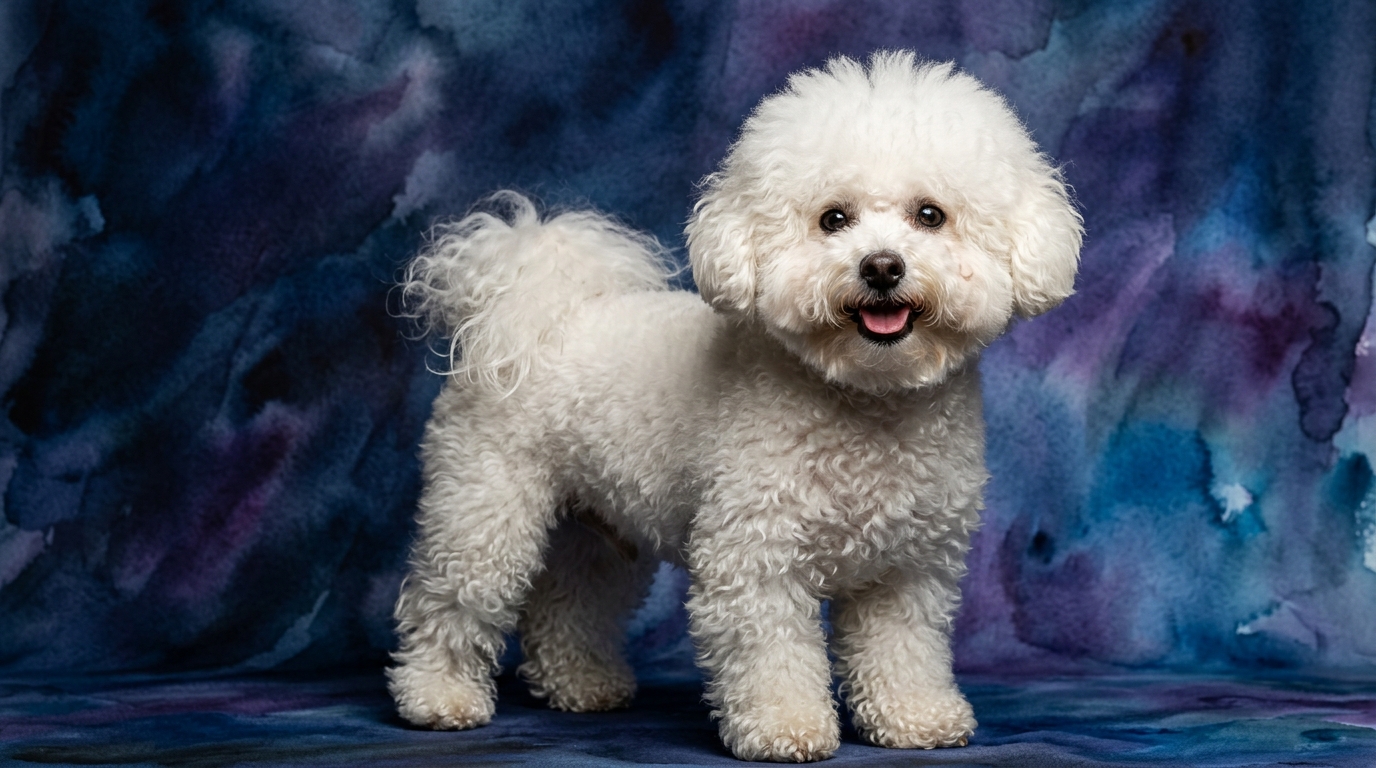
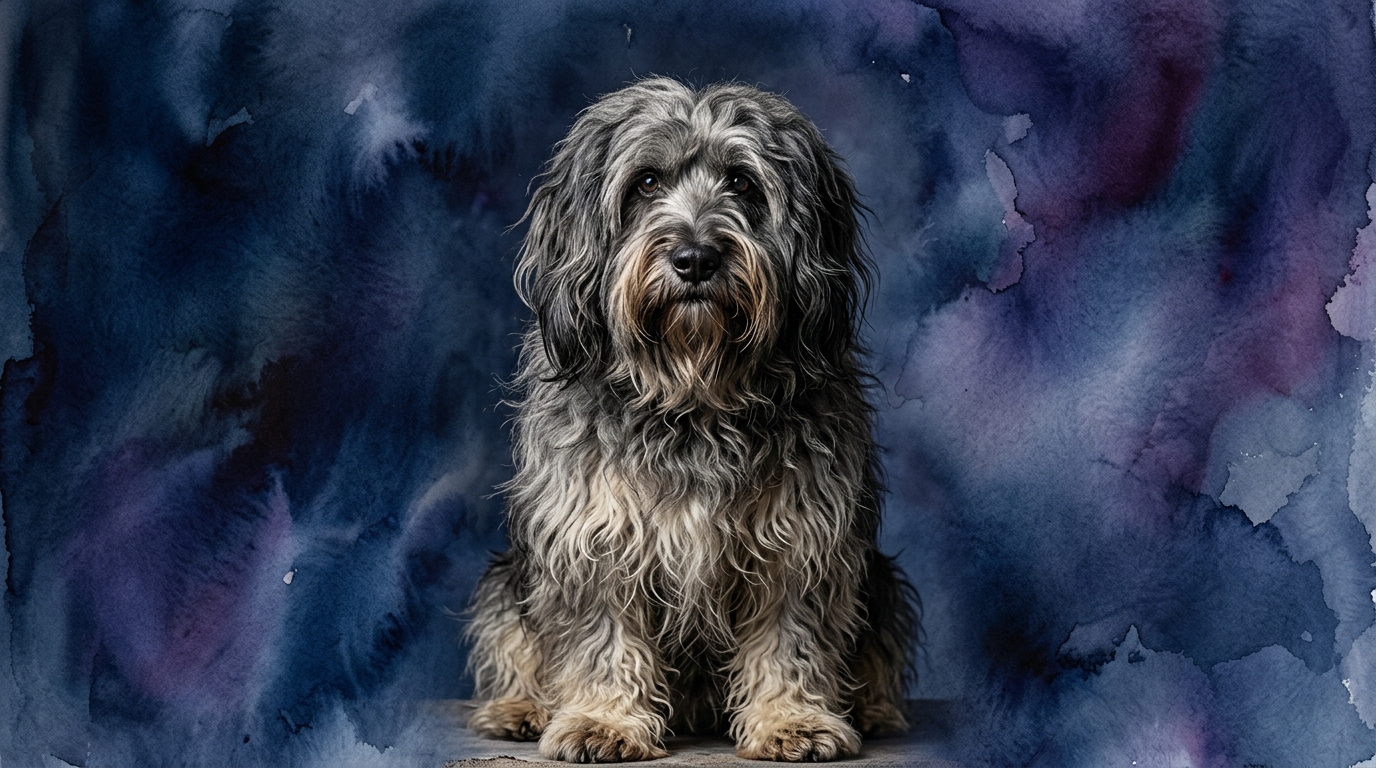
Side-by-Side IQ Profile: Bichon Frisé vs. Polish Lowland Sheepdog
The Cosmic Pet Pet IQ Lab employs a five-dimensional framework to assess canine cognition, offering a granular view of each breed’s intellectual architecture. Let's dissect how the Bichon Frisé and the Polish Lowland Sheepdog (PONS) measure up across these crucial cognitive dimensions.
For the **Bichon Frisé**, a Non-Sporting breed, their profile is as follows:
**Problem Solving (3/5):** This breed exhibits a moderate capacity for navigating simple environmental puzzles and adapting to new situations, often driven by curiosity and a desire for interaction rather than complex strategizing.
**Training Speed (3/5):** Bichons grasp new commands at a respectable pace, their eagerness to please and playful nature contributing positively to their receptiveness during training sessions.
**Social Intelligence (5/5):** A significant strength, Bichons possess an exceptional ability to interpret human emotions and subtle social cues, fostering deep, empathetic bonds and adapting their behavior for harmonious companionship.
**Instinctive Drive (2/5):** With a comparatively low instinctive drive, their motivations center more on social connection and companionship, rather than strong urges for specific working tasks like herding or guarding.
**Memory (3/5):** They demonstrate good recall for routines, learned commands, and familiar environments, which aids in consistent behavior and daily life.
The **Polish Lowland Sheepdog (PONS)**, a member of the Herding group, presents a distinct cognitive blueprint:
**Problem Solving (3/5):** PONS show a moderate aptitude for problem-solving, often employing a more independent and observant approach to challenges, especially those related to their environment or perceived duties.
**Training Speed (3/5):** Similar to the Bichon, PONS learn new commands at a steady rate; their attentiveness and focus, particularly in stimulating activities, allow for effective learning.
**Social Intelligence (3/5):** PONS display solid, yet more reserved, social intelligence, connecting well with their primary family. They are observant of their social environment but may not seek constant overt interaction.
**Instinctive Drive (3/5):** As a herding breed, PONS possess a moderate instinctive drive, an inherent inclination to gather, control, and protect, which translates into a desire for purpose-driven activities and environmental engagement.
**Memory (3/5):** They have reliable memory for training, routines, and their territory, applying learned lessons consistently in various situations.
Where the Bichon Frisé Wins Cognitively
The Bichon Frisé's standout cognitive strength lies unequivocally in its exceptional social intelligence, scoring a perfect 5/5 compared to the Polish Lowland Sheepdog's 3/5. This isn't merely about being 'friendly'; it reflects a profound capacity to interpret nuanced human emotional states, recognize subtle shifts in vocal tone, and respond with finely tuned empathy. A Bichon often anticipates a handler's next move or emotional need, offering comfort or initiating play with an almost intuitive understanding. This makes them remarkably sensitive companions, capable of forging deep, communicative bonds where mutual understanding extends beyond simple commands. Their ability to read and react to the social environment makes them masters of harmonious cohabitation, deftly navigating household dynamics and adapting their demeanor to suit the mood of those around them. This high social acumen allows them to thrive in human-centric environments, making them particularly adept at roles requiring close emotional connection and responsive interaction.
Where the Polish Lowland Sheepdog Wins Cognitively
The Polish Lowland Sheepdog exhibits a cognitive advantage in its instinctive drive, rated 3/5 compared to the Bichon Frisé's 2/5. This isn't just a physical energy level; it's a cognitive predisposition towards purpose-driven action and an inherent motivation to engage with their environment in a meaningful way. Originating as herding dogs, PONS possess an intrinsic urge to organize, patrol, and manage, even in a domestic setting. This manifests as a thoughtful attentiveness to their surroundings, a propensity to 'herd' family members gently, or an inclination to investigate and maintain order within their perceived territory. This cognitive drive fuels their persistence in tasks and their capacity for independent thought when a goal is presented. While a Bichon might seek engagement primarily through social interaction, a PONS is often motivated by the inherent satisfaction of a job well done, reflecting a cognitive framework geared towards practical application and environmental mastery.
Which is Easier to Train, and Why?
Both the Bichon Frisé and the Polish Lowland Sheepdog share a similar training speed score of 3/5, suggesting they can learn new commands at a comparable pace. However, the *ease* of training can differ significantly due to their other cognitive profiles. The Bichon's superior social intelligence (5/5) means they are highly attuned to human feedback, eager to please, and quickly pick up on the subtle cues that indicate approval or disapproval. Their desire for connection and positive reinforcement often makes training feel more fluid and cooperative, particularly for basic obedience and companion behaviors. They are motivated by praise and affection, forming a strong partnership with their trainer that can accelerate the learning process for tasks focused on interaction.
In contrast, while the PONS also learns effectively, their higher instinctive drive (3/5) and slightly more reserved social intelligence (3/5) mean they might approach training with a more independent mindset. A PONS may require a trainer to tap into their inherent working drive, making tasks that involve problem-solving, 'herding' games, or scent work particularly engaging. They are capable learners but might occasionally display a thoughtful independence, weighing the value of a command against their own inclinations. Consequently, consistent, engaging, and varied training methods that respect their working heritage are key to success with a PONS, while a Bichon might respond more readily to purely affection-based motivation in a wider range of scenarios. For an owner primarily seeking a responsive companion for common household behaviors, the Bichon’s social attunement often translates into a subjectively 'easier' training experience.
Which Suits Active Owners vs. Relaxed Owners
The cognitive profiles of these two breeds offer clear guidance for matching them with owner lifestyles. The Bichon Frisé, with its exceptional social intelligence (5/5) and lower instinctive drive (2/5), is generally better suited for owners who prioritize companionship, emotional connection, and a relatively relaxed domestic pace. While Bichons are playful and enjoy activity, their cognitive drive is primarily fulfilled through social interaction, cuddle time, and being an integral part of family life. They thrive on consistent human presence and respond well to gentle engagement, making them an ideal fit for individuals or families who enjoy quieter activities at home but still provide daily walks and playtime. Their cognitive makeup means they are less likely to become restless or destructive if not given intense, task-oriented exercise, instead finding contentment in close proximity and social cues.
Conversely, the Polish Lowland Sheepdog, with its moderate instinctive drive (3/5) and problem-solving aptitude, is a better match for active owners who are prepared to engage their dog's mind and body regularly. These dogs cognitively seek purpose and thrive when given opportunities to use their natural herding instincts, even if it's through organized dog sports, advanced obedience, or challenging puzzle toys. Their minds are geared towards observing, analyzing, and acting, which means they need consistent mental stimulation and physical outlets to prevent boredom and channeling their drive into less desirable behaviors. Owners who enjoy long hikes, agility training, or engaging in complex trick training will find the PONS a willing and capable partner, appreciating their thoughtful engagement and persistent nature in active pursuits.
The Verdict
Opt for a Bichon Frisé if your primary desire is a deeply empathetic companion who thrives on close social connection, excels at reading your moods, and finds contentment in being an integral, affectionate part of a less intensely active household.
Select a Polish Lowland Sheepdog if you are an active owner seeking a thoughtful, purpose-driven partner who will flourish with consistent mental challenges, enjoys engaging in outdoor activities, and appreciates a working relationship built on mutual respect and stimulating tasks.
🧠 Find Your Pet's IQ Score
Our Pet IQ Lab assessment covers 25+ tests across 5 cognitive dimensions — personalized to your breed.
Take the Full IQ Test →Frequently Asked Questions
Do Bichon Frisés need a lot of mental stimulation?
While Bichons don't typically require complex, task-oriented mental challenges like working breeds, they thrive on social engagement and interactive play. Their high social intelligence means they are stimulated by consistent human interaction, learning new tricks through positive reinforcement, and participating in family activities.
Are Polish Lowland Sheepdogs good family dogs?
Yes, Polish Lowland Sheepdogs can be excellent family dogs, forming strong bonds with their primary family members, though their social intelligence is more reserved than a Bichon's. They are observant and protective, often displaying a gentle herding instinct towards children, but require early socialization and consistent training to channel their drives appropriately within a bustling household.
How do their different instinctive drives impact daily life?
The Bichon's lower instinctive drive means they are generally content with companionship and less prone to independent 'missions,' making them adaptable to varied home environments. The PONS's moderate instinctive drive means they will actively seek engagement, potentially 'herding' family members or patrolling the yard, requiring owners to provide consistent outlets for these innate behaviors to ensure a harmonious household.