Side-by-Side IQ Profile: Understanding Their Minds
To truly appreciate the cognitive differences between the Bichon Frisé and the Schipperke, we must examine their individual IQ dimensions.
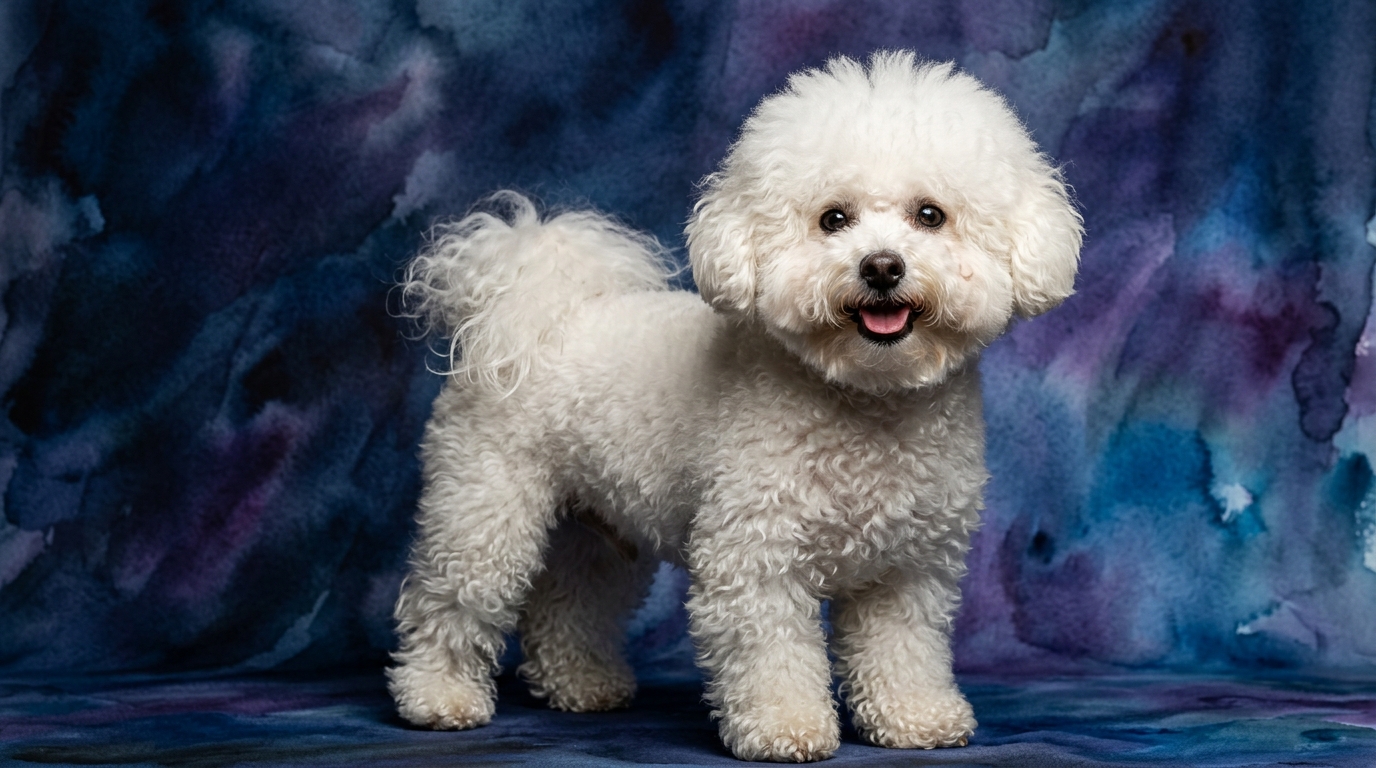
The **Bichon Frisé** presents a profile emphasizing connection and moderate learning: **Problem Solving (3/5)** indicates a moderate capacity for independent thought, often relying on learned routines or human guidance for complex tasks. Their **Training Speed (3/5)** means they absorb new commands at an average pace, thriving with consistent, positive reinforcement. Where they truly excel is **Social Intelligence (5/5)**, demonstrating an exceptional ability to read human emotions and adapt their behavior for harmonious interactions. Their **Instinctive Drive (2/5)** is low, meaning minimal inclination for ancient working behaviors, and their **Memory (3/5)** is solid, allowing them to retain training and remember familiar faces effectively.
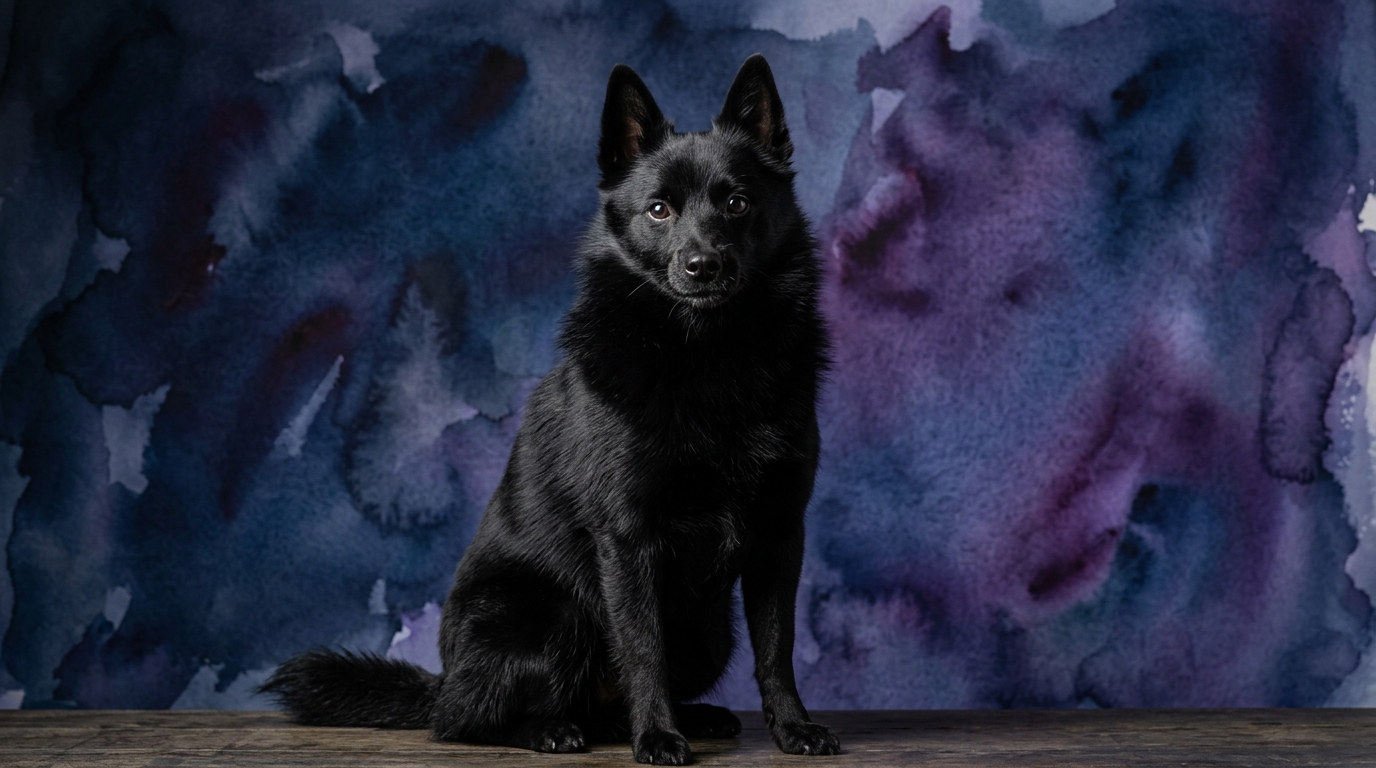
The **Schipperke**, conversely, showcases a sharp, independent intellect: A formidable **Problem Solving (5/5)** score highlights their robust ability to independently assess situations and devise solutions, often with ingenuity. Their **Training Speed (5/5)** is remarkable, as they pick up new commands with minimal repetitions. While their **Social Intelligence (3/5)** is moderate, indicating they form strong bonds but may be less inclined to nuanced emotional mirroring, their **Instinctive Drive (3/5)** is present, particularly for vigilance and small vermin control. Finally, their **Memory (5/5)** is exceptional, allowing them to recall complex sequences and past events with remarkable accuracy over extended periods.
Where the Bichon Frisé Wins Cognitively
The Bichon Frisé shines brightest in the realm of social intelligence, scoring a perfect 5 out of 5. This translates into a remarkable ability to read and respond to human emotions, making them exquisitely attuned companions. A Bichon will not only notice when you're feeling down but may actively attempt to comfort you, perhaps by gently nudging your hand or resting their head on your lap. Their exceptional social acumen means they are adept at understanding the subtle nuances of family dynamics, often adapting their playful energy or quiet demeanor to suit the mood of the household. This contrasts sharply with the Schipperke's 3/5 in social intelligence, indicating a breed that, while affectionate, may be less inclined to intuitively mirror human emotional states or adjust their behavior based on nuanced social cues, prioritizing their own activities or vigilance instead. This makes the Bichon an unparalleled choice for those seeking deep emotional reciprocity from their canine companion.
Where the Schipperke Wins Cognitively
The Schipperke's cognitive profile reveals a powerhouse in problem-solving, training speed, and memory, each scoring a formidable 5 out of 5. Their problem-solving prowess means a Schipperke is not easily deterred by obstacles; if a gate is latched, they might investigate how it works, rather than simply waiting for it to open. This ingenuity extends to finding ways to reach coveted items or outsmarting perceived limitations. This breed's rapid training speed means they grasp new commands and complex sequences with minimal repetition, making them highly responsive to consistent instruction. Coupled with their exceptional memory, once a Schipperke learns something, they tend to retain it for life, rarely forgetting commands or routines even after long breaks. These strengths stand in stark contrast to the Bichon Frisé's moderate scores in these areas, suggesting that while the Bichon learns and remembers well, the Schipperke operates on a different level of cognitive agility and retention, making them adept at complex tasks and independent thought.
Which is Easier to Train and Why?
When considering ease of training, the Schipperke generally presents a more straightforward path for owners due to their perfect 5/5 score in training speed and memory. They absorb new commands with impressive quickness and retain them reliably, meaning fewer repetitions and a faster progression through training stages. Their high problem-solving ability also contributes; they often understand the 'why' behind a command or task, making them more engaged learners. However, their moderate instinctive drive and social intelligence (3/5 each) mean that while they learn fast, they might also be more inclined to follow their own agenda if not adequately motivated or if a more interesting 'problem' presents itself. A Schipperke might quickly learn 'stay' but then assess if staying is truly the most rewarding option when a squirrel darts by.
In contrast, the Bichon Frisé, with a 3/5 in training speed and memory, requires more consistent repetition and patience. While they may take longer to master a command, their exceptional social intelligence (5/5) often makes them eager to please their human companions. This strong desire for social harmony can be a powerful motivator, often making them more compliant in the long run, even if the initial learning phase is slower. A Bichon is less likely to 'question' a command if it means maintaining positive interaction with their owner, making them dependable once a behavior is established. Therefore, 'easier' is subjective: the Schipperke learns faster, but the Bichon's desire to please can make them more consistently cooperative.
Suits Active Owners vs. Relaxed Owners
The cognitive makeup of these two breeds naturally aligns them with different owner lifestyles. The Schipperke, with its high problem-solving skills, rapid training speed, strong memory, and moderate instinctive drive, thrives with active owners who can provide consistent mental stimulation and engage in structured activities. These dogs benefit from regular training sessions, puzzle toys, and perhaps even dog sports like agility or obedience, which leverage their quick wit and desire to work through challenges. An owner who enjoys teaching new tricks or has a clear routine for mental engagement will find the Schipperke a rewarding, albeit sometimes independent, partner.
Conversely, the Bichon Frisé, with its exceptional social intelligence and lower instinctive drive, is often a better fit for relaxed owners who prioritize companionship and emotional connection. While they still require regular exercise and basic training, their primary cognitive need is often fulfilled through close interaction with their human family. They are content with being part of daily routines, enjoying leisurely walks, and receiving ample affection, without the constant demand for complex mental tasks or strenuous physical activity that a Schipperke might exhibit. Their contentment is often derived from simply being near their people, making them ideal for a more serene household environment.
The Verdict
Choose a Bichon Frisé if you seek a highly empathetic companion whose greatest joy comes from social interaction and emotional connection within a relaxed family setting.
Opt for a Schipperke if you desire a mentally agile and independent canine partner who thrives on consistent challenge, rapid learning, and a structured, engaging lifestyle.
🧠 Find Your Pet's IQ Score
Our Pet IQ Lab assessment covers 25+ tests across 5 cognitive dimensions — personalized to your breed.
Take the Full IQ Test →Frequently Asked Questions
Is the Bichon Frisé difficult to train?
The Bichon Frisé is not difficult to train, but they learn at a moderate pace (3/5 training speed) and benefit from consistent, positive reinforcement. Their strong desire to please their owners, stemming from high social intelligence, makes them compliant once a behavior is solidified.
What kind of mental stimulation does a Schipperke need?
A Schipperke, with its high problem-solving and memory scores, requires significant mental stimulation like puzzle toys, advanced obedience training, agility, or scent work. Engaging their quick minds prevents boredom and redirects their independent thinking into productive channels.
Which breed is better for a first-time dog owner?
For a first-time owner, the Bichon Frisé might be slightly more forgiving due to their lower instinctive drive and higher social intelligence, making them generally more eager to please and less prone to independent antics. The Schipperke's sharp mind and independence can be a delightful challenge, but may require a more experienced hand to guide effectively.