Side-by-Side IQ Profile: Bichon Frisé vs. Scottish Terrier
At The Cosmic Pet Pet IQ Lab, we evaluate canine cognition across five key dimensions, providing a granular view beyond general perceptions. Let's compare the Bichon Frisé and the Scottish Terrier through this lens, highlighting their inherent capabilities and tendencies.
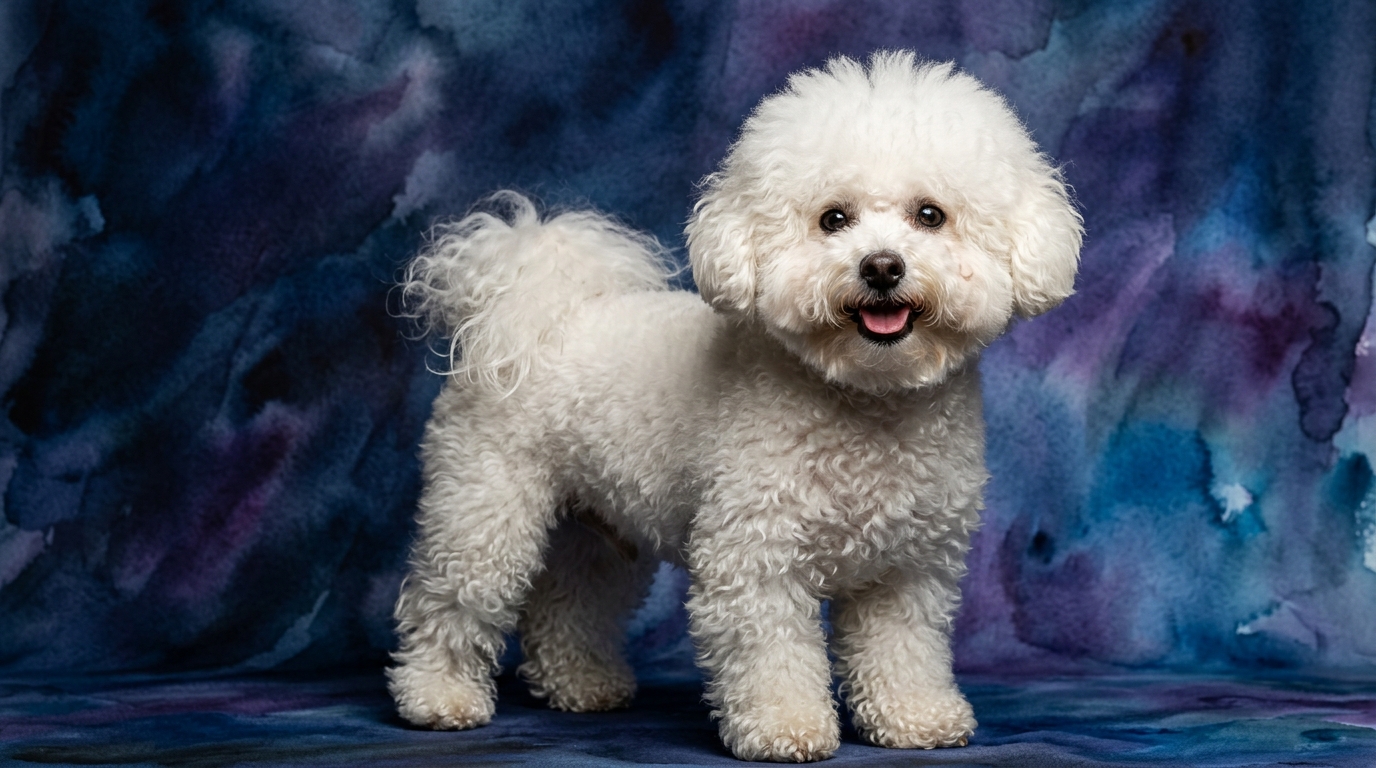
The Bichon Frisé, a delightful member of the Non-Sporting Group with a Coren rank of #45, showcases a cognitive profile geared towards companionship and social harmony. Their Problem Solving is rated 3/5, indicating an ability to navigate moderate challenges and adapt to household routines, often seeking human assistance rather than independent solutions. Training Speed also sits at 3/5; they learn new commands steadily, responding well to engaging, positive reinforcement. Where the Bichon truly shines is in Social Intelligence, scoring a perfect 5/5, demonstrating an exceptional aptitude for reading human emotions and social cues, making them incredibly empathetic companions. Their Instinctive Drive is a modest 2/5, meaning they are less inclined towards independent hunting or extensive digging. Lastly, their Memory is a solid 3/5, reliably retaining learned behaviors and routines.
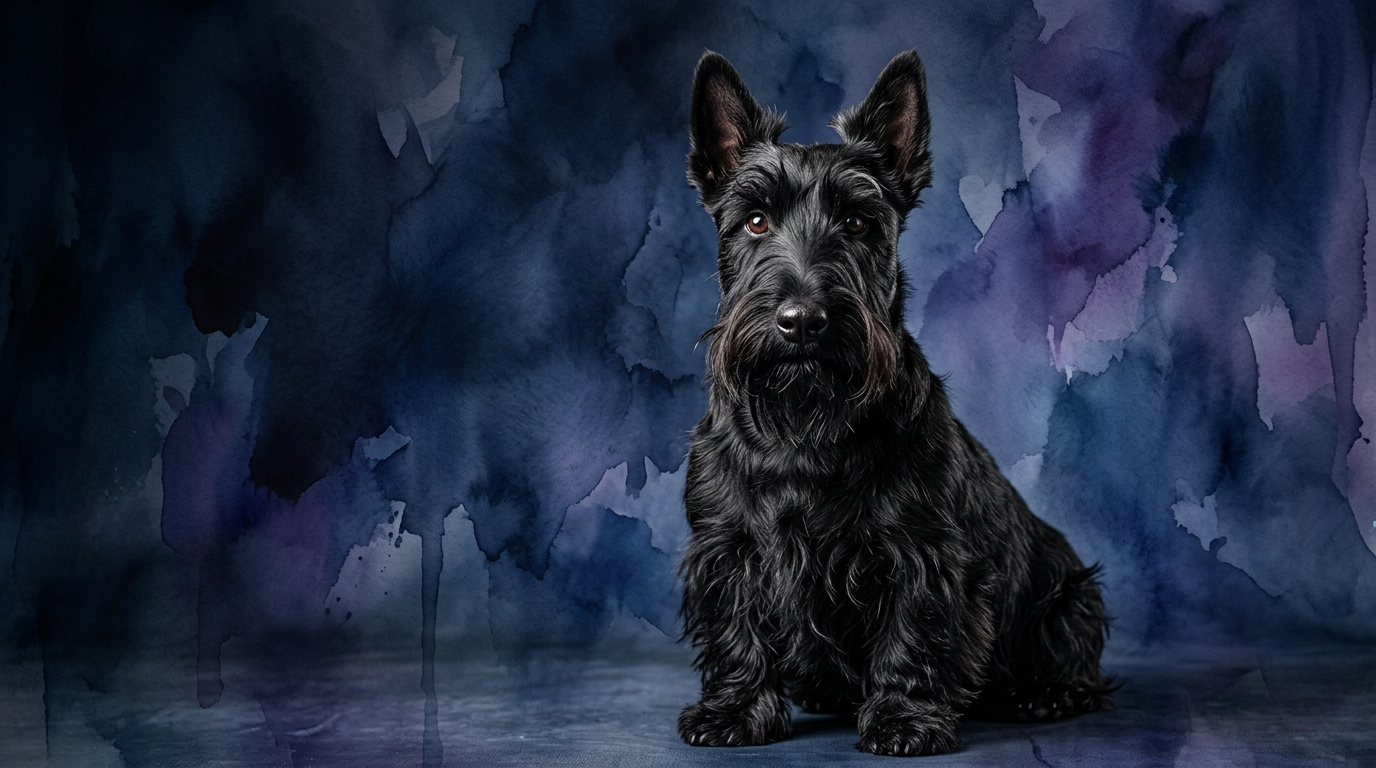
The Scottish Terrier, a sturdy Terrier breed ranked #65 by Coren, presents a different cognitive blueprint, reflecting its heritage. Their Problem Solving also scores 3/5, but their approach is often more independent and persistent, tackling obstacles with determination, especially if it involves investigating or reaching a goal. Training Speed is likewise 3/5; they are capable learners, though their independent streak can sometimes necessitate more patience and compelling motivation during sessions. Their Social Intelligence is 3/5; while loyal to their family, they tend to be more reserved with strangers and prefer predictable interactions, valuing clear boundaries over effusive adaptability. The Scottie's Instinctive Drive is 3/5, a moderate but distinct inclination towards behaviors like digging, chasing, and exploring. Their Memory, like the Bichon, is rated 3/5, ensuring they recall commands, routines, and past experiences with consistency.
Where the Bichon Frisé Wins Cognitively
The Bichon Frisé distinctly surpasses the Scottish Terrier in Social Intelligence, scoring an impressive 5/5 compared to the Scottie's 3/5. This remarkable attunement to human emotions and social dynamics is a cornerstone of the Bichon's cognitive strength. They possess an innate ability to interpret subtle cues, understand intentions, and adapt their behavior to seamlessly fit various social contexts. This superior social acumen allows them to form incredibly deep, empathetic bonds with their human families, often anticipating needs or mirroring moods, making them profoundly intuitive companions in a way the more independent Scottie does not.
This heightened social awareness also contributes to their general adaptability and resilience in new environments. A Bichon is more likely to quickly gauge the 'vibe' of a new situation or person and adjust their demeanor accordingly, seeking connection and harmony. This isn't merely about friendliness; it's a sophisticated understanding of their place within the social fabric, allowing for smoother interactions and a stronger desire to engage cooperatively with their human counterparts.
Where the Scottish Terrier Wins Cognitively
While both breeds share identical scores in Problem Solving, Training Speed, and Memory, the Scottish Terrier exhibits a higher Instinctive Drive at 3/5 compared to the Bichon Frisé's 2/5. This isn't a measure of superior intellect, but rather a stronger, more pronounced set of innate behaviors rooted in their terrier heritage. This drive manifests as a persistent inclination to dig, chase, and independently investigate their surroundings, often with a tenacious focus.
This higher instinctive drive, while sometimes presenting training challenges, also imbues the Scottie with a resolute self-reliance. Their approach to problem-solving, though rated equally in general capacity, is often characterized by a greater internal motivation and a willingness to persist independently until a goal, such as unearthing a toy or exploring a scent, is achieved. This distinct cognitive trait means they are less reliant on human direction for motivation, possessing a strong inner compass that guides their exploratory and investigative endeavors.
Which is Easier to Train and Why
When considering ease of training, the Bichon Frisé generally presents a more straightforward experience, primarily due to its exceptional social intelligence and lower instinctive drive. Despite both breeds sharing a 3/5 score in Training Speed, the Bichon's profound desire to please and their keen ability to read human cues significantly accelerate the practical application of learning. They thrive on positive reinforcement, praise, and the joyful interaction with their trainer, making them highly responsive and less prone to independent distractions. Their cooperative nature means they actively seek to understand and fulfill expectations, making them eager participants in training sessions.
The Scottish Terrier, conversely, can pose a greater training challenge, not because of a lack of learning capacity (also 3/5 Training Speed), but due to its independent spirit and moderate instinctive drive. A Scottie often requires a more compelling reason to obey, sometimes questioning the necessity of a command if it conflicts with their own perceived agenda or an intriguing environmental stimulus. Their terrier tenacity means they can be stubborn, and their natural inclination to chase or dig can easily divert their attention. Successful training with a Scottie demands unwavering consistency, firm but fair leadership, and creative methods that harness their independent problem-solving rather than trying to suppress it entirely.
Which Suits Active Owners vs. Relaxed Owners
The Bichon Frisé is an ideal companion for relaxed owners or those seeking an adaptable, less physically demanding canine friend. Their lower instinctive drive means they are content with moderate daily exercise, such as short walks and indoor play, rather than requiring extensive physical exertion. Their high social intelligence allows them to seamlessly integrate into various home environments, whether it's a quiet evening on the couch or a social gathering. They flourish with consistent companionship and mental stimulation through interactive games and training, making them perfect for individuals or families who prioritize affectionate bonding over intense outdoor adventures.
The Scottish Terrier, while not necessarily requiring marathon runs, is better suited for owners who appreciate a dog with a robust, independent character and are prepared to engage with their specific activity needs. Owners who enjoy structured walks, are willing to incorporate activities that satisfy their innate drives (such as scent work, designated digging areas, or even simulated earthdog trials), and can provide consistent mental challenges will find the Scottie a rewarding partner. Their activity isn't about constant motion but about purposeful engagement that allows them to express their inherent instincts, making them suitable for proactive owners who understand and cater to these unique requirements.
The Verdict
Opt for the Bichon Frisé if you prioritize an emotionally attuned companion who thrives on social interaction, adapts readily to various lifestyles, and is motivated by a strong desire to please, making them generally more cooperative in training.
Select the Scottish Terrier if you admire a dog with an independent spirit, a tenacious approach to life, and are prepared to engage with their distinct terrier instincts through consistent, stimulating activities and firm, patient training.
🧠 Find Your Pet's IQ Score
Our Pet IQ Lab assessment covers 25+ tests across 5 cognitive dimensions — personalized to your breed.
Take the Full IQ Test →Frequently Asked Questions
Are Bichon Frisé dogs easy to house train?
With their moderate training speed and strong desire for human approval, Bichon Frisé dogs are generally receptive to house training when consistent routines and positive reinforcement are used from a young age. Their social intelligence helps them understand owner expectations quickly, aiding in a smoother process.
Do Scottish Terriers get along with other pets?
Scottish Terriers can coexist with other pets, especially if socialized early, but their moderate instinctive drive means they might have a stronger prey drive towards smaller animals. They often prefer to be the sole canine focus within a household, so careful introductions and consistent supervision are key to harmonious multi-pet homes.
Which breed is better for apartment living?
Both breeds can adapt well to apartment living, but for different reasons. The Bichon Frisé's lower instinctive drive and high social intelligence make them naturally content indoors with adequate human interaction, while the Scottish Terrier requires more structured outdoor activity and mental engagement to satisfy their inherent drives, even in a smaller space.