The Cosmic Pet Pet IQ Lab: A Side-by-Side Cognitive Profile
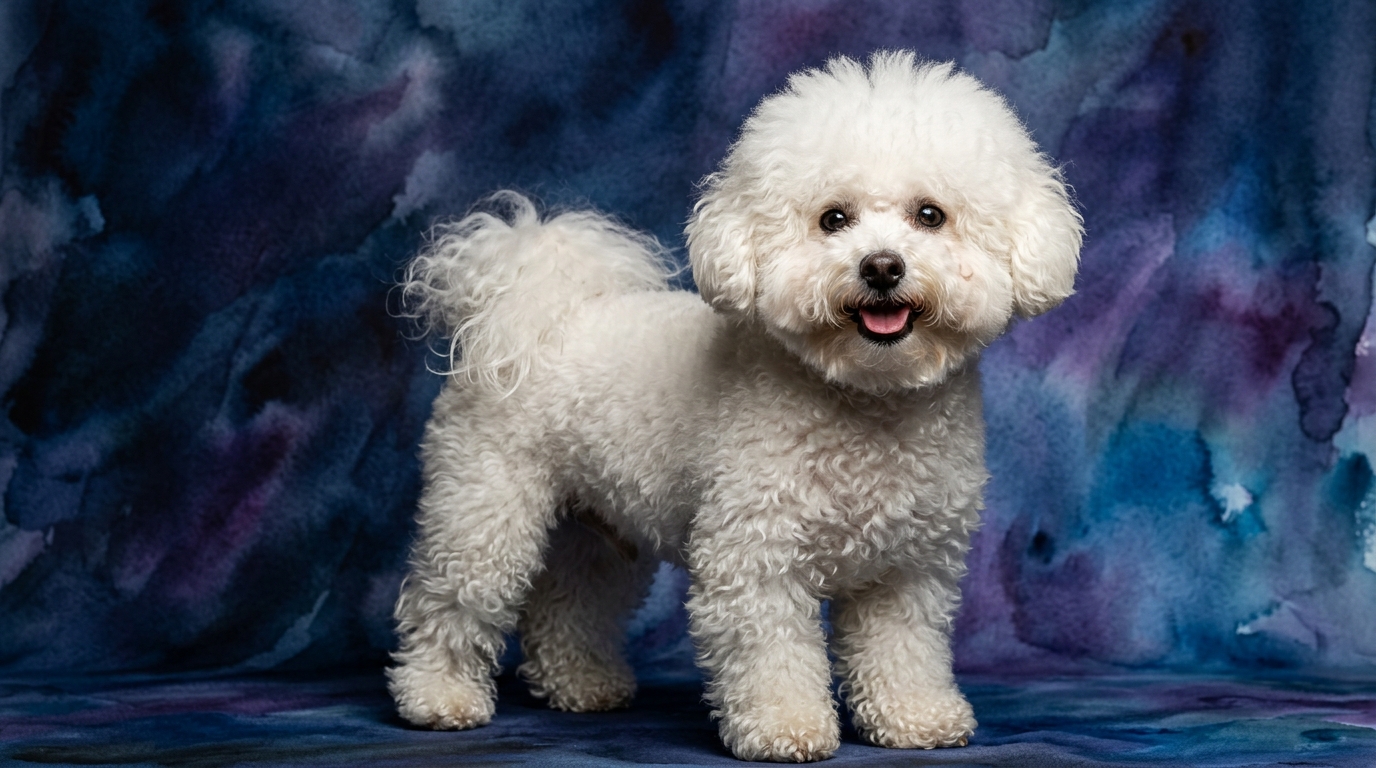
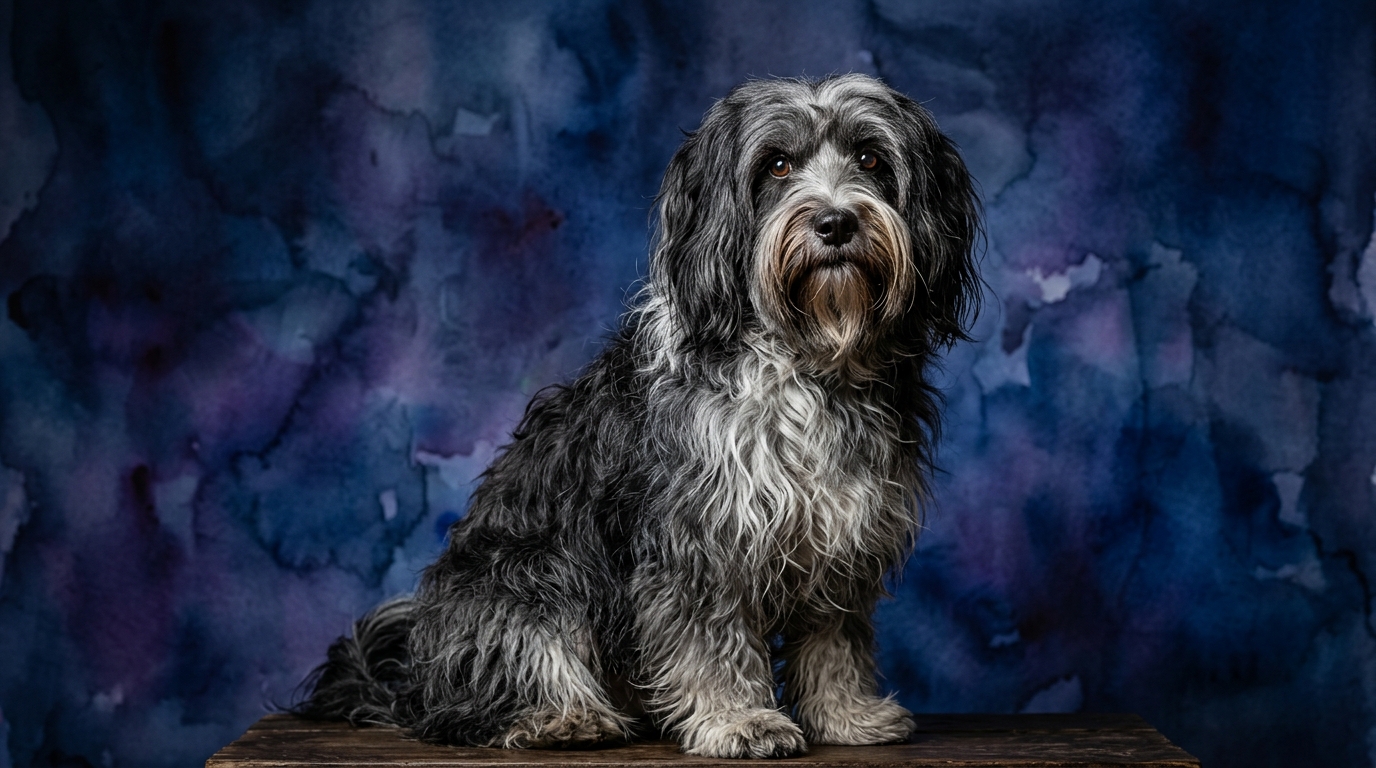
The Cosmic Pet Pet IQ Lab provides a multi-faceted view of canine cognition, moving beyond singular intelligence metrics to explore five distinct dimensions. For the Bichon Frisé, ranked #45 by Coren, and the Tibetan Terrier, ranked #63, these profiles illuminate their individual strengths and characteristics.
The Bichon Frisé presents with a Problem Solving score of 3 out of 5, indicating a moderate capacity to navigate novel situations or figure out minor challenges independently. Their Training Speed also stands at 3 out of 5, suggesting they learn new commands at an average pace, responding well to consistent, positive reinforcement. Where the Bichon truly excels is in Social Intelligence, earning a perfect 5 out of 5, signifying an exceptional ability to read and respond to human emotions and social cues. Their Instinctive Drive is low at 2 out of 5, reflecting a diminished inclination towards tasks like hunting or guarding, while their Memory is a solid 3 out of 5, allowing for average recall of learned behaviors and routines.
The Tibetan Terrier shares some cognitive similarities, scoring 3 out of 5 for Problem Solving, indicating a comparable moderate ability to think through new scenarios. Their Training Speed also matches the Bichon at 3 out of 5, meaning they too learn at an average rate, thriving on clear and patient instruction. In contrast to the Bichon, their Social Intelligence is rated 3 out of 5, demonstrating an adequate understanding of social dynamics and human intentions, though less acutely attuned. Their Instinctive Drive registers at a moderate 3 out of 5, a score that hints at their historical roles and a slightly greater inclination towards independent exploration or watchfulness. Finally, their Memory is also 3 out of 5, indicating an average capacity for retaining information and experiences.
Where the Bichon Frisé Shines Cognitively
The Bichon Frisé's exceptional score in Social Intelligence, a perfect 5 out of 5, is its most prominent cognitive advantage over the Tibetan Terrier. This superior emotional acumen means a Bichon can deeply connect with its human family, often anticipating needs or reacting sensitively to moods. They are masters of non-verbal communication, understanding subtle shifts in tone, facial expressions, and body language, which makes them incredibly empathetic companions.
This high social intelligence translates into a profound desire to engage and please, making them highly responsive to human interaction. A Bichon will often seek to be at the center of family activities, not out of a need to dominate, but from a genuine drive for companionship and connection. Owners often report that their Bichon seems to 'understand' them on an almost psychic level, a direct result of this advanced social processing. This trait also makes them particularly well-suited for roles where emotional support is paramount, as they intuitively offer comfort and companionship through their perceptive nature.
Where the Tibetan Terrier Holds a Unique Edge
While many scores are similar, the Tibetan Terrier's slightly higher Instinctive Drive, rated 3 out of 5 compared to the Bichon's 2 out of 5, offers a distinct cognitive nuance. This moderate drive reflects their historical role as companions and watchdogs in the challenging environments of Tibetan monasteries, where a degree of self-reliance and environmental awareness was crucial. This isn't an aggressive drive, but rather a more pronounced innate curiosity and a greater inclination towards observational vigilance.
This slightly elevated instinctive drive means Tibetan Terriers often possess a more independent spirit and a keen awareness of their surroundings. They might be more inclined to explore, investigate new scents, or survey their territory with a watchful eye. While they cherish their human companions, they also maintain a certain level of self-possession and robust engagement with their environment, which can manifest as a playful inquisitiveness or a methodical approach to understanding their world. This subtle difference contributes to their reputation as sturdy, adaptable companions with a thoughtful, rather than purely people-focused, demeanor.
Training Dynamics: Which Breed is Easier and Why?
Both the Bichon Frisé and the Tibetan Terrier score 3 out of 5 for Training Speed, suggesting that in terms of pure learning rate, they are comparable. However, the Bichon Frisé's exceptional Social Intelligence (5/5) gives it a practical advantage in perceived ease of training. A Bichon's profound desire to please and their sensitivity to human emotions mean they are often highly motivated by praise, positive reinforcement, and the joy of mutual interaction.
Their strong emotional connection means they are more likely to comply and engage in training sessions, seeing it as an opportunity for bonding. They strive to understand what is expected of them and respond readily to clear cues, making the training process feel smoother and more rewarding for the owner. The Tibetan Terrier, with its 3/5 Social Intelligence and 3/5 Instinctive Drive, while certainly trainable, might display a more independent streak. They may require more consistent, patient, and engaging methods to maintain focus, as they might be less overtly driven by the pure desire to please and more by their own internal motivations or environmental stimuli. Owners might find they need to make training more of a 'game' or incorporate more variety to keep a Tibetan Terrier engaged.
Matching Owners: Active vs. Relaxed Lifestyles
The cognitive profiles of these two breeds offer clear guidance for matching them with suitable owner lifestyles. The Bichon Frisé, with its low Instinctive Drive (2/5) and supreme Social Intelligence (5/5), is an ideal companion for relaxed owners who prioritize close companionship and indoor activities. They are content with moderate exercise, such as short, pleasant walks and indoor games, as long as they are near their human family. Their primary cognitive need is social interaction and emotional engagement, making them perfect for those who want a constant, empathetic shadow.
Conversely, the Tibetan Terrier, with its moderate Instinctive Drive (3/5) and slightly more independent Social Intelligence (3/5), aligns well with moderately active owners. Their heritage suggests a capacity for navigating varied terrain and a thoughtful engagement with their surroundings. They benefit from more varied walks, opportunities for exploration, and puzzle toys that satisfy their curiosity and problem-solving abilities. While affectionate, they appreciate owners who can provide outlets for their moderate drives, perhaps enjoying dog sports like agility or trick training, and thriving on a lifestyle that balances companionship with engaging mental and physical activities.
The Verdict
Choose the Bichon Frisé if you seek an exceptionally emotionally attuned companion, a dog who lives for interaction and offers profound empathy, and for whom intense physical or independent mental engagement is less of a priority.
Opt for the Tibetan Terrier if you appreciate a dog with a thoughtful, slightly more independent spirit, a moderate drive for exploration and environmental awareness, and a robust companion who enjoys a balance of activity and affection.
🧠 Find Your Pet's IQ Score
Our Pet IQ Lab assessment covers 25+ tests across 5 cognitive dimensions — personalized to your breed.
Take the Full IQ Test →Frequently Asked Questions
Do Coren rankings contradict Cosmic Pet IQ Lab scores?
No, they offer different lenses. Coren's ranking primarily assesses 'working and obedience intelligence' based on a dog's ability to learn and perform commands. The Cosmic Pet IQ Lab, however, provides a multi-dimensional view, breaking intelligence into distinct facets like social acumen and instinctive drives, offering a more nuanced understanding of a breed's cognitive make-up beyond just obedience.
Are either of these breeds recommended for first-time dog owners?
Both breeds can be suitable for first-time owners, provided they are committed to consistent training and socialization. The Bichon Frisé's high social intelligence and eagerness to please might make the initial training phase feel more intuitive and rewarding for a novice. The Tibetan Terrier, while equally trainable, might require an owner who is prepared for a slightly more independent spirit and can offer engaging, varied mental stimulation.
What kind of mental stimulation do Bichon Frisé and Tibetan Terriers need?
The Bichon Frisé thrives on social engagement, requiring ample interaction, cuddle sessions, and games that involve their human family. Their mental stimulation comes primarily from being a cherished companion. The Tibetan Terrier benefits from activities that tap into its moderate instinctive drives and problem-solving abilities, such as puzzle toys, scent games, varied walks that allow for exploration, and perhaps even basic agility or trick training to keep their thoughtful minds engaged.