Side-by-Side IQ Profile: Bichon Frisé
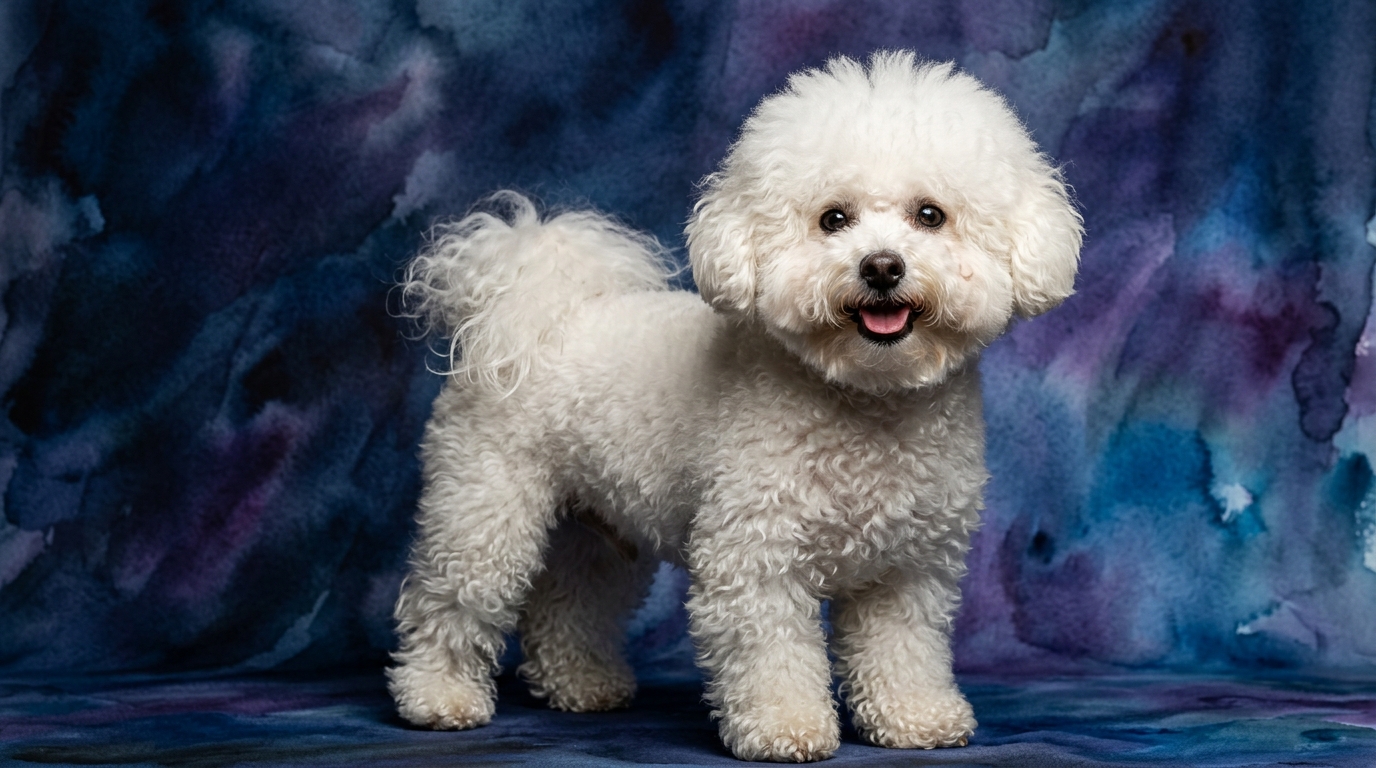
The Bichon Frisé presents a delightful cognitive profile, particularly excelling in the realm of social interaction. Their Problem Solving is rated 3/5, indicating an ability to navigate basic environmental challenges and figure out how to gain attention, often through charming antics rather than complex strategizing. Training Speed also sits at 3/5; they grasp commands at a moderate pace, thriving on positive reinforcement and consistent methods. Where the Bichon truly shines is in Social Intelligence, earning a perfect 5/5. This means they are exceptionally adept at reading human emotions, understanding social cues, and adapting their behavior to fit various household dynamics, forming profound, empathetic bonds. Their Instinctive Drive is a low 2/5, reflecting a diminished prey drive and a primary focus on companionship rather than independent pursuit. Finally, their Memory is 3/5, allowing them to retain routines, learned commands, and recognize familiar faces and places reliably.
Side-by-Side IQ Profile: Treeing Walker Coonhound
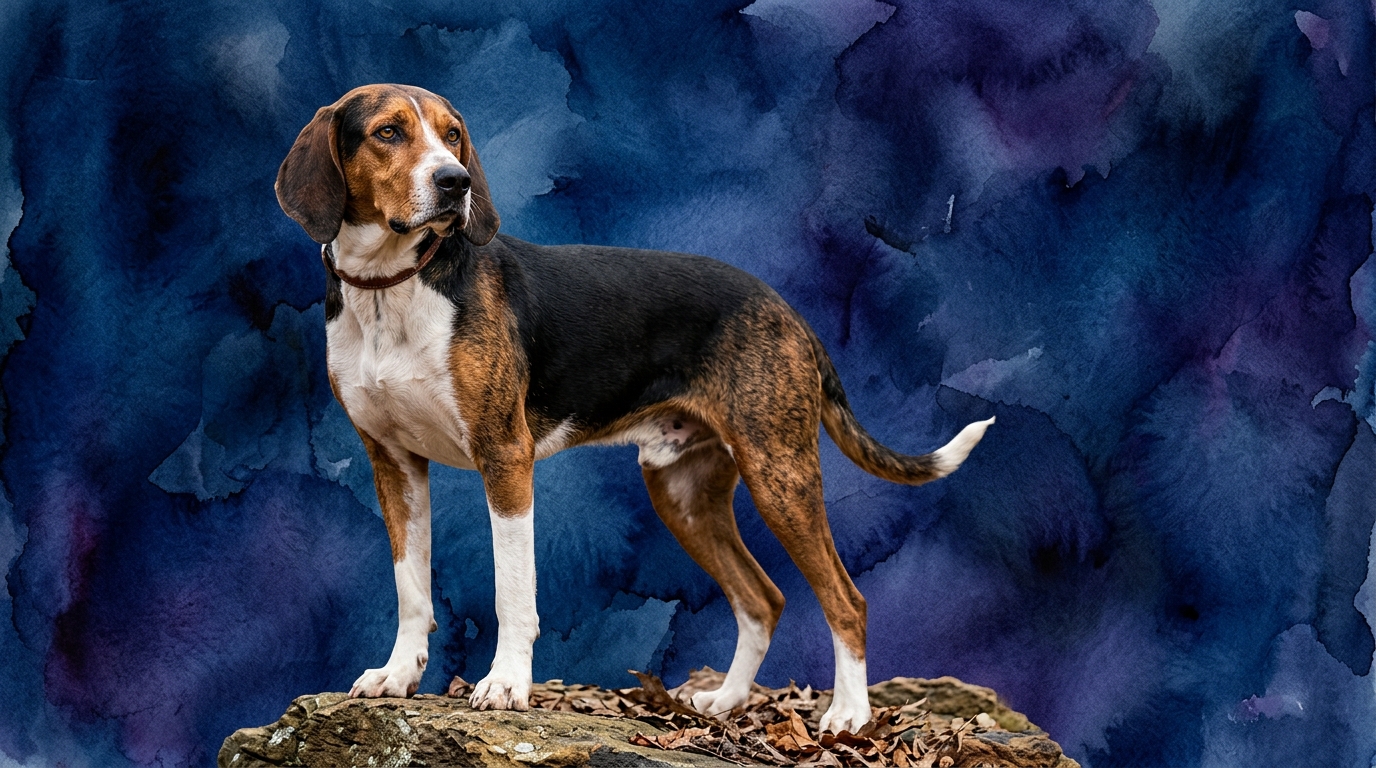
The Treeing Walker Coonhound, a breed forged for active outdoor pursuit, exhibits a cognitive makeup optimized for its working heritage. Their Problem Solving is 3/5, typically manifesting as persistence and ingenuity in tracking and locating game, rather than abstract puzzle-solving. Training Speed is also 3/5; they learn at a moderate pace, but their strong independent streak and environmental focus can sometimes make consistent application of commands a challenge. Social Intelligence is 3/5; while generally affable and good-natured, their primary cognitive engagement often lies with the environment and scent trails rather than the nuanced subtleties of human emotional states, making them friendly but not always intensely focused on human interaction. Their Instinctive Drive is 3/5, a critical component of their nature, characterized by an unwavering dedication to scent work and the pursuit of game, which can often override other stimuli. Memory is 3/5, allowing them to recall complex scent patterns, established trails, and learned commands, though their application might be highly contextual and driven by their primary instincts.
Where the Bichon Frisé Wins Cognitively
The Bichon Frisé unequivocally wins in the domain of Social Intelligence, where their 5/5 rating significantly outshines the Coonhound's 3/5. This isn't just about being 'friendly'; it's a sophisticated cognitive ability to interpret subtle human body language, vocal inflections, and emotional states. A Bichon is remarkably adept at adapting its behavior to soothe a distressed owner, engage in playful interaction, or quietly offer comfort. Their high social intelligence means they integrate seamlessly into family life, understand household routines with minimal explicit teaching, and often anticipate their owner's needs or desires, making them exceptional companion animals and therapy prospects. Their world revolves around harmonious human interaction, a testament to their refined cognitive attunement to social dynamics.
Where the Treeing Walker Coonhound Wins Cognitively
The Treeing Walker Coonhound demonstrates a distinct cognitive superiority in the application of its Instinctive Drive, rated 3/5 compared to the Bichon's 2/5. While the numerical difference appears small, the nature of this drive is profoundly different and represents a highly specialized form of intelligence. For the Coonhound, this drive translates into an unparalleled ability to process and follow complex scent trails, demonstrating remarkable focus, persistence, and problem-solving within a scent-rich environment. This isn't merely an urge to chase; it's a sophisticated cognitive process involving scent discrimination, memory of previous trails, and strategic pursuit, often over challenging terrain and for extended periods. Their problem-solving capabilities, though rated equally at 3/5, are practically applied to their hunting heritage, making them master navigators of olfactory landscapes and tenacious pursuers, a cognitive feat the Bichon's intrinsic drives are not designed for.
Which Breed is Easier to Train and Why
When it comes to ease of training, the Bichon Frisé generally presents a more straightforward experience for the average owner. Both breeds share a 3/5 Training Speed, meaning they learn commands at a moderate pace. However, the Bichon's superior Social Intelligence (5/5) means they are inherently more motivated to please their human companions and are acutely aware of their owner's reactions. They thrive on positive reinforcement, praise, and the reward of social interaction, making them highly receptive and focused during training sessions. Their lower Instinctive Drive (2/5) means fewer distractions from environmental stimuli, allowing them to concentrate more fully on the task at hand. In contrast, while the Treeing Walker Coonhound also learns at a 3/5 pace, their robust Instinctive Drive (3/5) for scent work can be a significant challenge. Once a compelling scent is detected, their natural inclination is to follow it, often overriding learned commands or owner attention. Training a Coonhound requires immense patience, higher-value rewards, and a deep understanding of their inherent drive to maintain focus, especially in outdoor environments where tempting smells abound. Their independence, a byproduct of their working heritage, also means they might question the 'why' behind a command if it conflicts with their innate drives, making consistent compliance more demanding.
Suited for Active vs. Relaxed Owners
For owners with a more relaxed lifestyle, seeking a devoted indoor companion, the Bichon Frisé is an ideal match. Their moderate exercise requirements can be met with daily walks and enthusiastic indoor play, and their primary need is for consistent social interaction and mental stimulation through games and companionship. They are content to curl up on the couch after a short burst of activity, thriving on proximity to their family. Conversely, the Treeing Walker Coonhound is unequivocally suited for active owners who relish outdoor adventures. Their substantial energy levels and powerful instinctive drive for scent work demand extensive physical and mental exercise daily. This breed needs more than just a walk around the block; they excel with long hikes, scent-tracking games, structured outdoor exploration, or even participation in dog sports that engage their natural abilities. An owner who can provide consistent opportunities to fulfill their Coonhound's deep-seated need to explore and 'work' will find a truly happy and well-adjusted companion.
The Verdict
If your home thrives on constant companionship, subtle communication, and a dog that seamlessly integrates into your social fabric with moderate exercise needs, the Bichon Frisé is your ideal match.
However, if you are an active individual or family who embraces the outdoors, is prepared to channel a powerful scent drive, and desires a tenacious, independent partner for adventures, the Treeing Walker Coonhound will be an incredibly rewarding choice.
🧠 Find Your Pet's IQ Score
Our Pet IQ Lab assessment covers 25+ tests across 5 cognitive dimensions — personalized to your breed.
Take the Full IQ Test →Frequently Asked Questions
Is the Bichon Frisé a good choice for first-time dog owners?
Yes, the Bichon Frisé can be an excellent choice for first-time owners due to their high social intelligence and eagerness to please, making them relatively adaptable to various living situations. Consistent positive reinforcement training and early socialization are still crucial for their development.
Can a Treeing Walker Coonhound live in an apartment?
While possible, housing a Treeing Walker Coonhound in an apartment is challenging due to their high energy levels and strong instinctive drive. They require significant daily exercise and mental stimulation, ideally involving extensive outdoor activity and scent work, to prevent boredom and potential destructive behaviors.
Do these breeds generally get along with children?
The Bichon Frisé typically gets along very well with children due to their playful and social nature, often being patient and tolerant companions. Treeing Walker Coonhounds are generally good-natured with children but require supervision due to their size and enthusiastic energy, especially with very young kids, to ensure safe interactions.