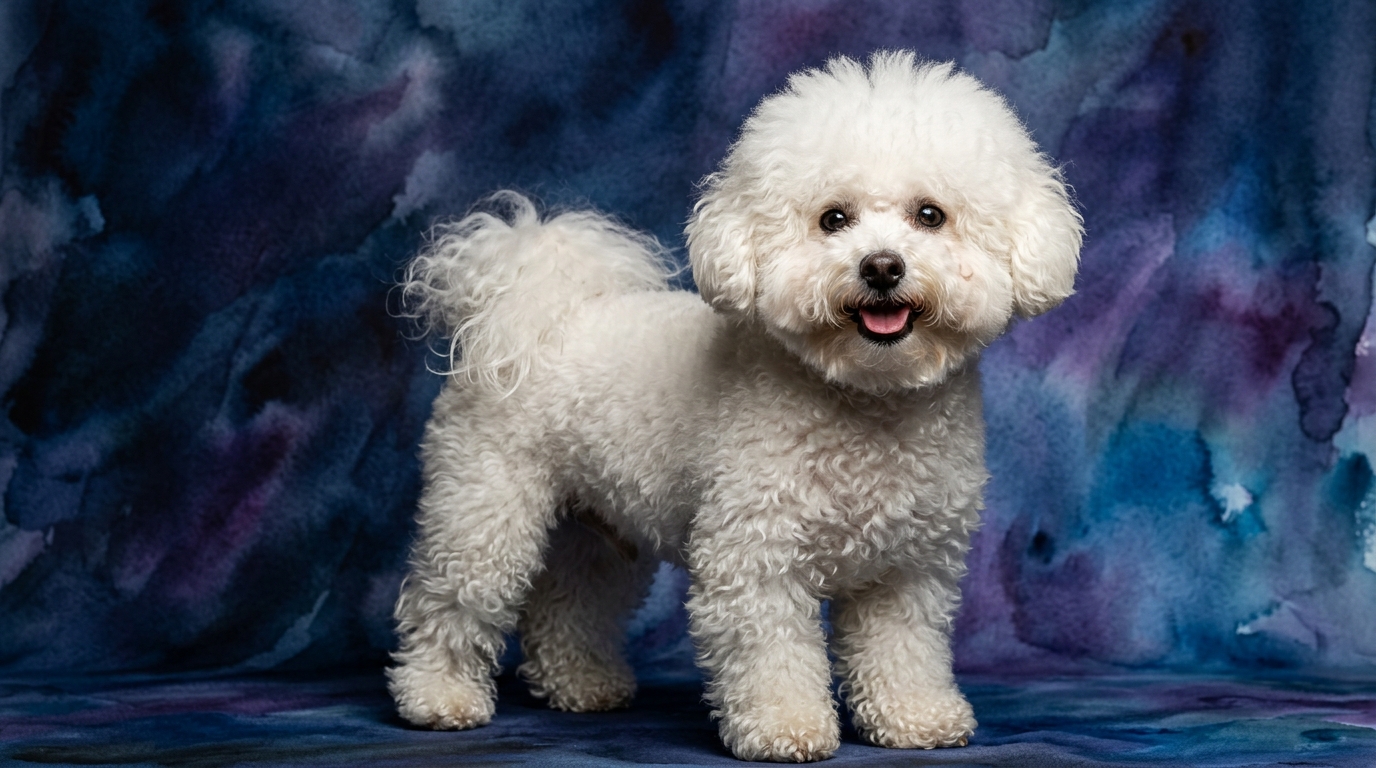
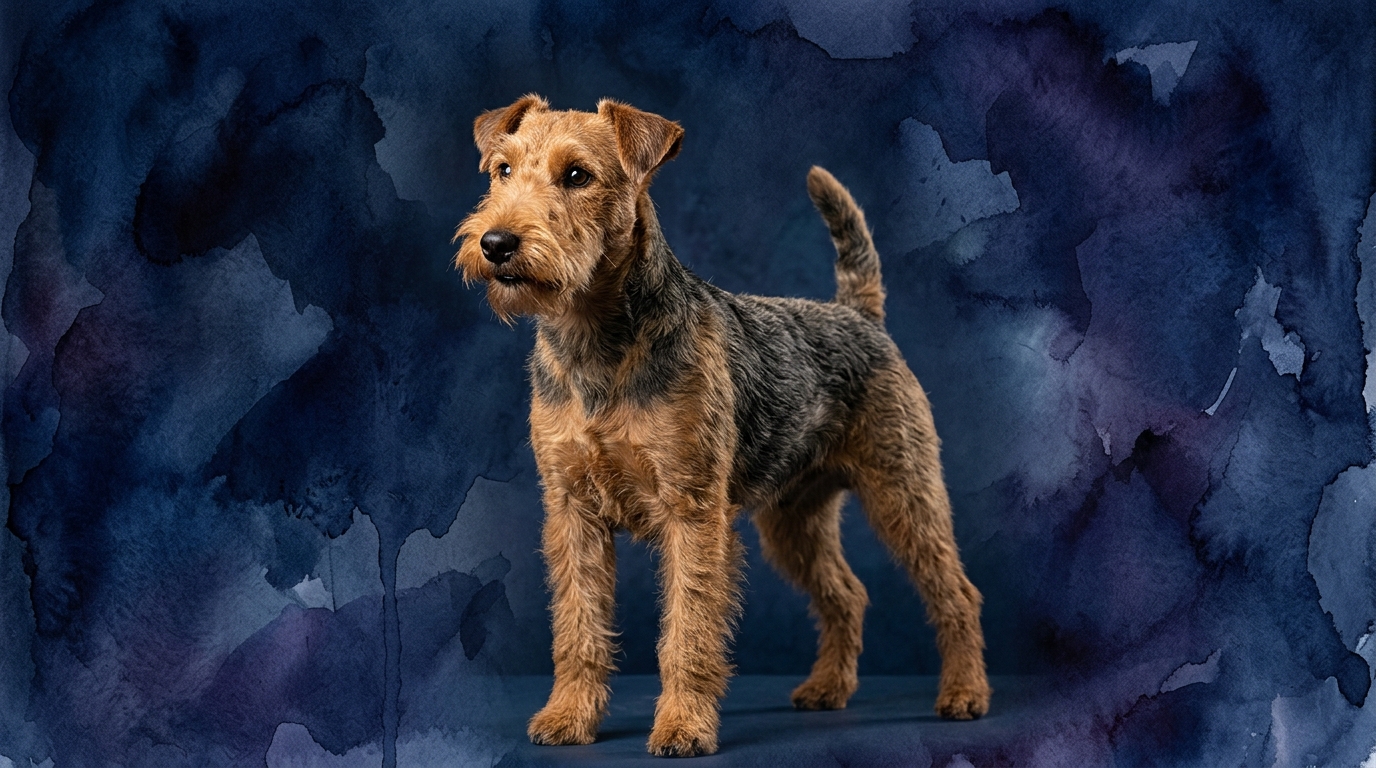
Side-by-Side Cognitive Profiles: Bichon Frisé vs. Welsh Terrier
The Cosmic Pet Pet IQ Lab employs a five-dimensional framework to assess canine cognition, offering a nuanced perspective beyond simple obedience. For the Bichon Frisé, a Non-Sporting dog, we observe a problem-solving score of 3/5, indicating a moderate capacity to navigate novel challenges and learn new tasks. Their training speed also registers at 3/5, suggesting they grasp commands at a reasonable pace, often motivated by positive interaction. Where the Bichon truly shines is in social intelligence, scoring an exceptional 5/5, reflecting a profound ability to understand human cues and integrate into family dynamics. Their instinctive drive is notably low at 2/5, meaning they possess minimal inherent urges for hunting or independent work, primarily orienting towards companionship. Memory for the Bichon Frisé is solid at 3/5, allowing them to retain learned behaviors and experiences.
In contrast, the Welsh Terrier, a member of the Terrier group, presents a different cognitive blueprint. Their problem-solving ability matches the Bichon at 3/5, but this often manifests as a tenacious, independent approach to overcoming obstacles. Training speed is also a 3/5, yet their learning process can be influenced by their independent spirit, requiring consistent and engaging methods. The Welsh Terrier's social intelligence sits at 3/5, indicating they are capable of forming bonds but may not exhibit the same nuanced attunement to human emotion as the Bichon. Their instinctive drive is higher at 3/5, reflecting a pronounced inclination for digging, chasing, and exploring—traits characteristic of their terrier heritage. Memory for the Welsh Terrier is also a 3/5, allowing them to recall past events and learned actions, particularly those tied to their inherent drives.
Where the Bichon Frisé Excels Cognitively
The Bichon Frisé's standout cognitive strength lies unequivocally in their social intelligence, achieving a perfect 5/5 score. This isn't merely about being friendly; it denotes a sophisticated capacity to interpret human emotions, body language, and vocal inflections. A Bichon can often sense a shift in an owner's mood, offering comfort or adapting their behavior accordingly. This high social acumen translates into an innate desire to please and a remarkable ability to integrate seamlessly into a human household, understanding social hierarchies and routines with ease. They thrive on interaction, using their perceptive skills to maintain harmony and connection within their family unit. This profound understanding of human social dynamics makes them exceptionally attuned companions, capable of forming deep, empathetic bonds.
Furthermore, their low instinctive drive (2/5) indirectly enhances their social cognitive performance. Without strong urges to chase, dig, or independently patrol, a Bichon's attention is predominantly focused on their human companions and the immediate domestic environment. This reduced distraction allows for a more consistent engagement with social learning and interaction, reinforcing their role as a devoted and responsive family member. Their cognitive energy is largely channeled into observing and responding to their human world, making them masters of companion-oriented communication.
Where the Welsh Terrier Shows Cognitive Strength
The Welsh Terrier's cognitive prowess is deeply intertwined with its terrier heritage, particularly evident in its balanced instinctive drive (3/5) and its approach to problem-solving (3/5). While numerically similar to the Bichon, the Welshie's problem-solving often manifests through a lens of tenacity and independent exploration. They are adept at figuring out how to access interesting smells, navigate complex outdoor environments, or overcome minor obstacles in their path with a determined persistence. This isn't about solving abstract puzzles, but rather applying practical, goal-oriented intelligence to their surroundings, often driven by their instincts.
Their instinctive drive, rating 3/5, is a significant cognitive asset for specific roles and activities. This drive fuels their curiosity and provides a strong internal motivation for exploration and engagement with the world. A Welsh Terrier is more likely to engage in self-directed investigative behaviors, like following a scent trail or meticulously examining a patch of grass, demonstrating a focused, independent processing of environmental stimuli. This combination of problem-solving and drive means they excel in situations requiring resilience and self-reliance, making them adept at navigating the outdoor world and engaging in activities that tap into their innate working instincts.
Training Dynamics: Which Breed is Easier to Shape?
When it comes to training, the Bichon Frisé generally presents a more straightforward experience, despite both breeds sharing a 3/5 training speed score. The key differentiator is the Bichon's exceptional social intelligence (5/5) and lower instinctive drive (2/5). A Bichon's inherent desire to please their human companions, combined with their ability to keenly read social cues, makes them highly receptive to positive reinforcement. They are motivated by praise, affection, and the opportunity to engage with their owner, which makes them eager participants in training sessions. Their lower instinctive drive means fewer internal distractions or competing urges to chase or explore, allowing them to focus more intently on commands and routines presented by their trainer. This makes them good candidates for basic obedience and even some trick training, as their cognitive energy is largely directed towards harmonious cooperation.
The Welsh Terrier, while equally capable of learning (3/5 training speed), often requires a more nuanced and patient approach. Their social intelligence (3/5) is less pronounced, meaning they might not be as inherently motivated by the desire to please or as attuned to subtle human feedback. Furthermore, their higher instinctive drive (3/5) can present significant training challenges. A fascinating scent, a squirrel darting by, or an interesting digging spot can easily override a command, as their instincts are powerful motivators. Successful training with a Welsh Terrier demands consistency, engaging methods that tap into their problem-solving and drive (like scent work or agility), and a firm understanding that their independence is a core part of their cognitive makeup. While they can learn complex commands, the process often requires more repetition and creative engagement to counteract their inherent terrier stubbornness and environmental focus.
Matching Breeds to Lifestyles: Active vs. Relaxed Owners
For owners seeking a more relaxed and socially integrated companion, the Bichon Frisé is often an ideal match. Their high social intelligence and low instinctive drive mean they thrive in environments where close human interaction and indoor companionship are prioritized. They are content with moderate daily walks and enjoy being an integral part of family activities, whether it's cuddling on the couch or accompanying owners on errands. Their cognitive makeup makes them highly adaptable to various home settings, from apartments to larger houses, as long as they receive consistent affection and mental stimulation through play and interaction. They don't demand intense physical outlets or complex working tasks, making them suitable for individuals or families with less active lifestyles who desire a deeply connected pet.
Conversely, the Welsh Terrier is better suited for active owners who relish outdoor adventures and can provide consistent mental and physical stimulation. Their higher instinctive drive and tenacious problem-solving mean they are not content to merely observe; they need to engage with their environment. Owners who enjoy hiking, long walks, structured playtime, or even dog sports like agility or earthdog trials will find a willing and enthusiastic partner in a Welshie. They require opportunities to channel their natural instincts for sniffing, exploring, and chasing in a constructive manner. An owner who understands and respects the Welsh Terrier's independent spirit and is prepared to invest time in consistent training and engaging activities will find a rewarding and spirited companion that thrives on purpose and activity.
The Verdict
Choose the Bichon Frisé if your primary desire is an exceptionally socially intelligent companion who thrives on close human connection and integrates seamlessly into a family-centric, often more relaxed, lifestyle. Their cognitive profile makes them eager to please and less prone to independent, instinct-driven behaviors.
Opt for the Welsh Terrier if you are an active owner seeking a spirited, independent companion with a pronounced drive for exploration and problem-solving, and are prepared to engage consistently with their innate terrier instincts through stimulating activities and dedicated training.
🧠 Find Your Pet's IQ Score
Our Pet IQ Lab assessment covers 25+ tests across 5 cognitive dimensions — personalized to your breed.
Take the Full IQ Test →Frequently Asked Questions
Does a Bichon Frisé's high social intelligence mean it's smarter overall?
The Bichon Frisé's 5/5 social intelligence highlights their exceptional ability to understand human cues and integrate into social structures. While this makes them highly responsive companions, their problem-solving and training speed scores are moderate, indicating a specialized rather than universally superior cognitive profile.
How does the Welsh Terrier's instinctive drive impact its behavior at home?
A Welsh Terrier's 3/5 instinctive drive means they have innate urges for activities like digging, chasing, and exploring. At home, this can manifest as a need for mental and physical outlets, potentially leading to destructive behaviors if not properly channeled through consistent training, enrichment toys, and regular outdoor activities.
Can a Welsh Terrier be as affectionate as a Bichon Frisé?
While the Welsh Terrier's social intelligence (3/5) is lower than the Bichon Frisé's (5/5), they are certainly capable of forming strong, affectionate bonds. Their affection might be expressed more independently or subtly, and they may be less constantly attuned to human emotional states, but they are devoted companions to their families.