Side-by-Side IQ Profile: Black Russian Terrier vs. Tibetan Mastiff
Despite both breeds scoring 3/5 across all five cognitive dimensions in The Cosmic Pet Pet IQ Lab, a deeper look reveals how these identical ratings manifest through their unique breed histories and temperaments. Understanding these distinctions is crucial for appreciating their individual cognitive strengths.
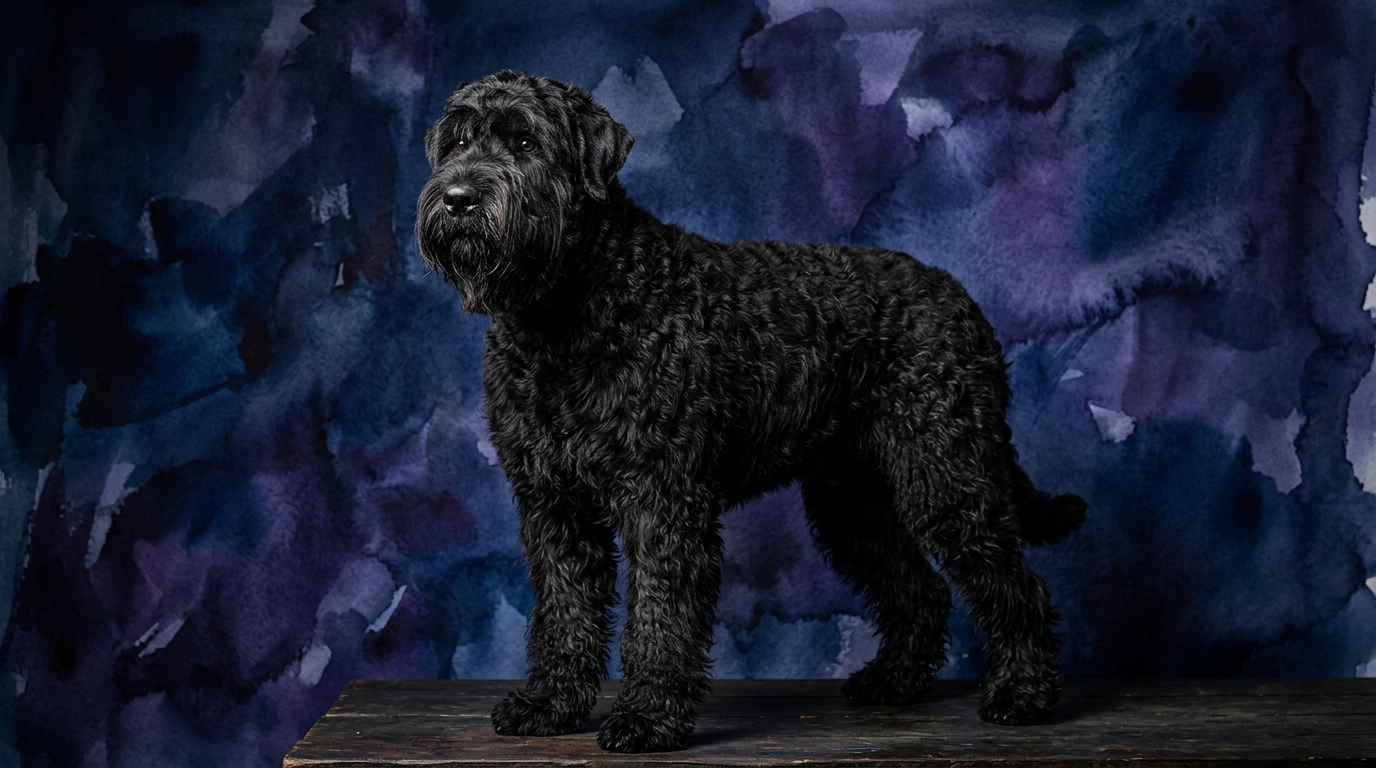
For the **Black Russian Terrier (BRT)**, a breed forged for military and protection work in complex environments, their Problem Solving (3/5) leans towards practical application of learned solutions, often seeking and integrating handler cues. Their Training Speed (3/5) reflects an ability to grasp commands, but with a strong will that demands consistent motivation and clear communication. Social Intelligence (3/5) is characterized by deep loyalty to family and discerning vigilance towards strangers, making them adept at reading their trusted human's emotions. Their Instinctive Drive (3/5) is strongly rooted in protection and territory, coupled with a moderate prey drive, making them proactive guardians. Finally, Memory (3/5) is robust, allowing them to retain training, routines, and experiences over long periods, contributing to consistent behavior.
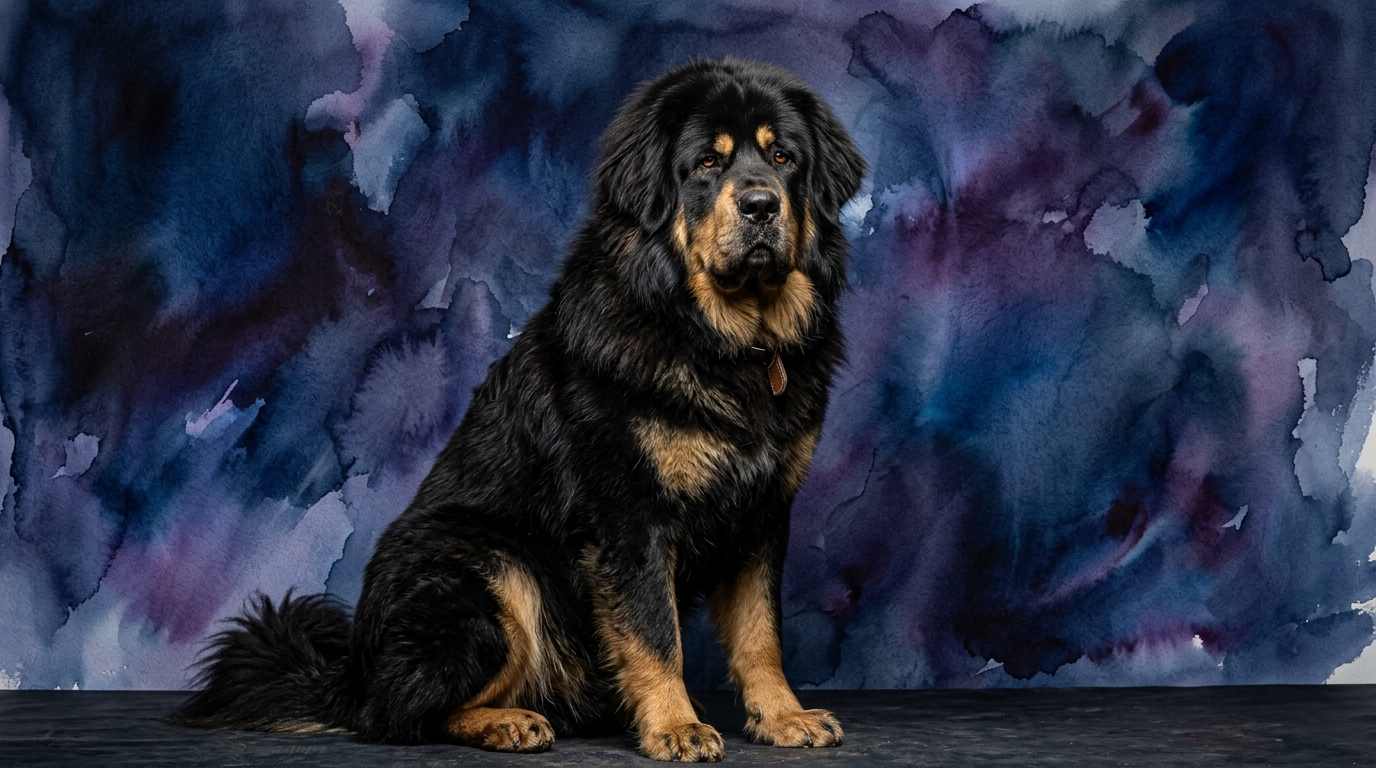
The **Tibetan Mastiff (TM)**, an ancient livestock guardian, approaches these same cognitive dimensions from a profoundly independent stance. Their Problem Solving (3/5) excels in autonomous environmental assessment, identifying threats and formulating solutions without direct human intervention, a hallmark of their self-sufficient role. Training Speed (3/5) is influenced by their innate independence; they learn, but compliance often hinges on their own assessment of a command's utility, requiring immense patience. Social Intelligence (3/5) involves profound loyalty to family coupled with extreme aloofness towards outsiders, prioritizing their own judgments within pack dynamics. Their Instinctive Drive (3/5) is primarily dedicated to territorial defense, a powerful, often nocturnal vigilance focused on perceived intruders. Their Memory (3/5) is exceptional for territory, boundaries, and routines, crucial for unwavering guardianship and applying past lessons to current situations.
Where the Black Russian Terrier Wins Cognitively
The Black Russian Terrier truly shines in cognitive areas requiring dynamic partnership and adaptability within a structured, human-directed framework. Their military and protection heritage ingrained a capacity for intricate teamwork, where interpreting subtle handler cues and responding with precision becomes paramount. While both breeds possess a problem-solving score of 3/5, the BRT’s manifestation leans towards collaborative resolution; they are more inclined to seek and integrate human input when faced with ambiguous situations, rather than defaulting solely to independent action. This makes them particularly adept at complex obedience routines, advanced protection work, or service roles where nuanced communication and responsiveness to changing commands are vital. Their social intelligence, while discerning of strangers, fosters a deeper engagement with their primary human, allowing for a more fluid exchange of information and mutual understanding in cognitive tasks that demand a shared objective.
Where the Tibetan Mastiff Wins Cognitively
Conversely, the Tibetan Mastiff demonstrates a cognitive advantage in areas demanding self-sufficiency and independent, strategic decision-making, especially concerning territorial security. With an identical 3/5 problem-solving score, the TM’s approach is a testament to its ancient role as a solitary livestock guardian, where immediate human direction was often absent. They excel at autonomously assessing environmental threats, identifying patterns of intrusion, and formulating deterrent strategies without requiring handler intervention. Their memory for territory, its inhabitants, and the routines of their environment is exceptionally strong, allowing them to maintain an unwavering, often nocturnal, vigilance. This self-reliant intellect means they are masters of observational intelligence, capable of making complex judgments about risk and response based on their own internal algorithms, rather than waiting for instruction. Their cognitive strengths lie in their capacity for thoughtful, unassisted guardianship, a profound trait for an animal designed to operate effectively in isolation.
Which is Easier to Train and Why
When evaluating ease of training, the Black Russian Terrier generally presents a more amenable experience for owners due to their historical emphasis on working in tandem with a handler. While their training speed is rated at 3/5, their desire for partnership and purpose can be effectively leveraged in structured learning environments. BRTs respond well to consistent, positive reinforcement and clear expectations, often finding satisfaction in mastering new commands and engaging in activities alongside their human. Their inherent drive to participate in a 'job' means that while they possess an independent streak, it is often channeled into productive teamwork with appropriate guidance, making them more receptive to traditional obedience and advanced skill acquisition. Establishing a strong bond and mutual respect is crucial, but once achieved, the BRT's willingness to comply and learn complex sequences is a distinct advantage.
The Tibetan Mastiff, on the other hand, poses a greater challenge to conventional training methods. Despite also scoring 3/5 in training speed, their profound independence and self-assured nature mean they are less inclined to blindly obey. A TM will often question the necessity or utility of a command, making compliance conditional on their own assessment. This isn't a lack of capacity to learn, but rather a difference in motivation and a strong preference for self-direction. Training a Tibetan Mastiff requires immense patience, a deep understanding of their guardian instincts, and a focus on building trust and respect rather than enforcing strict obedience. Owners must be prepared for a dog that will always retain a level of autonomy, making their 'ease' of training significantly lower for those expecting a highly compliant companion.
Which Suits Active Owners vs. Relaxed Owners
For owners with an active lifestyle and a desire for an engaged canine partner, the Black Russian Terrier is typically the more fitting choice. Their cognitive makeup thrives on consistent mental and physical stimulation, making them ideal companions for structured training sessions, dog sports like obedience, agility, or protection work, and regular, purposeful activities. An active owner who provides clear direction, consistent engagement, and opportunities for the BRT to utilize its problem-solving and social intelligence in a collaborative manner will find this breed incredibly rewarding. They are not content to simply exist; they seek to participate and have a 'job,' however informal.
Conversely, defining who suits a Tibetan Mastiff requires careful nuance regarding 'relaxed.' These are not dogs for genuinely passive owners who neglect management or socialization. While Tibetan Mastiffs do not typically require the intense, high-impact exercise of many working breeds, preferring diligent perimeter patrols and observational duties over long runs, they demand an owner who is relaxed in their expectation of constant interaction or immediate obedience, yet highly diligent in providing a secure environment and consistent, calm leadership. They suit owners who appreciate an independent guardian, understand the breed's need for a stable, predictable routine, and are comfortable with a powerful dog that makes many of its own decisions, acting as a watchful, self-sufficient sentinel rather than a constantly engaging companion. They are not for owners seeking a dog that lives for constant instruction or high-energy play sessions, but rather one that provides quiet, steadfast guardianship.
The Verdict
Choose the Black Russian Terrier if you seek a powerful, engaged partner for structured activities, protection work, and value a dog that integrates deeply into family life with a strong desire for collaboration, thriving on consistent training and a clear purpose.
Choose the Tibetan Mastiff if you need an independent, watchful guardian, understand and respect a dog's self-sufficient nature and profound territorial instincts, and prioritize steadfast security over constant obedience or vigorous exercise demands.
🧠 Find Your Pet's IQ Score
Our Pet IQ Lab assessment covers 25+ tests across 5 cognitive dimensions — personalized to your breed.
Take the Full IQ Test →Frequently Asked Questions
Are Black Russian Terriers good family dogs?
Yes, Black Russian Terriers are fiercely loyal and protective of their family, often forming deep bonds with their human companions. However, their imposing size and strong guarding instincts mean they require extensive early socialization and consistent, firm training to be well-adjusted companions, especially around children and unfamiliar guests.
How much exercise does a Tibetan Mastiff need?
Tibetan Mastiffs have moderate exercise needs, preferring regular perimeter patrols of their territory and leisurely walks over intense, high-impact activities. Their energy is primarily channeled into watchful guarding and observation, so a securely fenced yard is often more critical than long runs, though daily mental stimulation remains beneficial.
Which breed is better for first-time dog owners?
Neither the Black Russian Terrier nor the Tibetan Mastiff is typically recommended for first-time dog owners. Both breeds possess powerful guarding instincts, large size, and strong, independent personalities that require experienced handling, extensive socialization, and a deep understanding of their specific cognitive and behavioral needs to ensure they thrive and integrate safely into a home environment.