A Side-by-Side Look at Canine Cognition
The Cosmic Pet Pet IQ Lab evaluates canine intelligence across five key dimensions: Problem Solving, Training Speed, Social Intelligence, Instinctive Drive, and Memory. These metrics provide a nuanced understanding of a breed's innate capabilities and how they interact with their environment and human companions. While both the Bloodhound and the Norwegian Elkhound are categorized as hounds, their individual cognitive profiles paint strikingly different pictures of their mental prowess and preferred modes of operation.
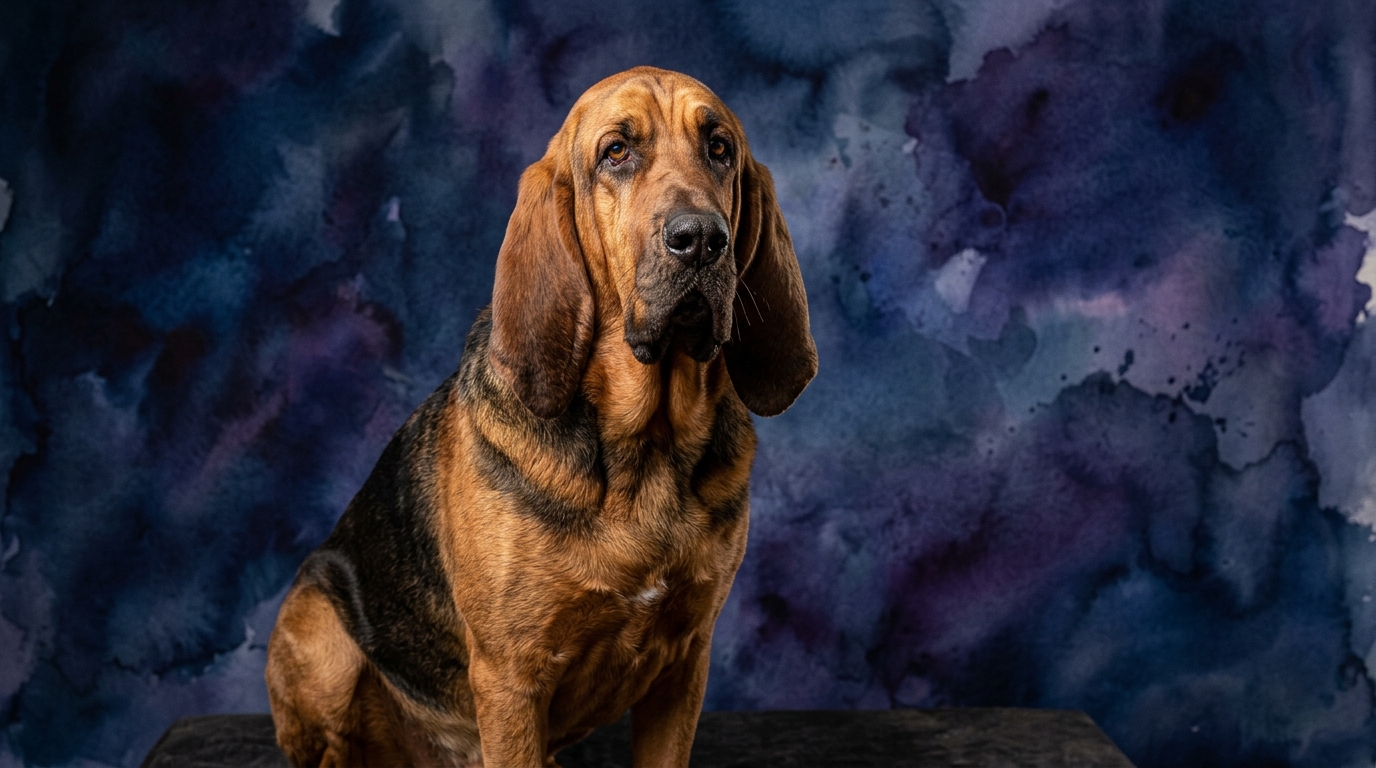
The Bloodhound stands out with top marks in Problem Solving (5/5), Instinctive Drive (5/5), and Memory (5/5). This combination suggests a breed supremely equipped for complex, persistent tasks that rely on innate sensory skills and long-term recall, particularly in scent work. However, their Training Speed (1/5) and Social Intelligence (2/5) scores indicate a focus that is often intensely inward or task-oriented, making them less inclined towards general obedience or broad social interaction. Their mental landscape is dominated by their nose and the intricate puzzles it presents.
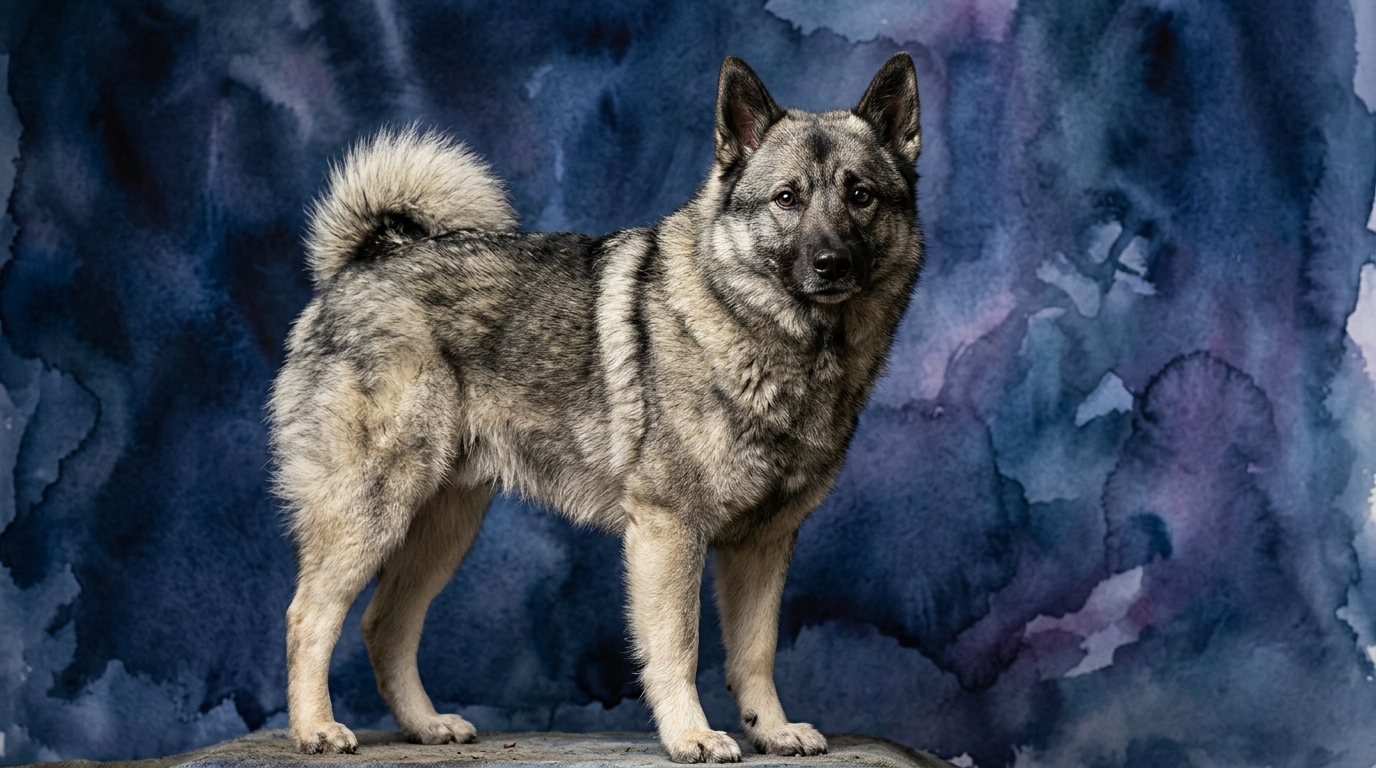
In contrast, the Norwegian Elkhound presents a more balanced cognitive profile. They score well in Training Speed (4/5), Social Intelligence (3/5), and Memory (4/5), pointing to a dog that is receptive to instruction, capable of forming meaningful social bonds, and retains learned behaviors effectively. Their Problem Solving (4/5) and Instinctive Drive (3/5) scores, while solid, suggest a more generalized approach compared to the Bloodhound's intense specialization. The Elkhound's mind is geared towards cooperative work and adaptable learning, reflecting its historical role in hunting large game alongside humans.
Where the Bloodhound's Mind Excels
The Bloodhound's cognitive strengths are undeniably rooted in its sensory and persistence capabilities. Its perfect 5/5 score in Problem Solving isn't about solving abstract puzzles; it's about the intricate, multi-layered problem of tracking a specific scent over varied terrain and through distractions. This requires an unparalleled ability to filter information, maintain focus, and deduce the correct path, often over long distances and extended periods. This specific problem-solving prowess is a testament to their specialized olfactory processing power.
Coupled with a 5/5 Instinctive Drive and 5/5 Memory, the Bloodhound possesses an unwavering commitment to its primary task. Their instinctive drive isn't merely high energy; it's a deep-seated compulsion to follow a trail, making them relentless and single-minded. Their exceptional memory allows them to recall complex scent patterns and even past tracking experiences, aiding in future pursuits. These combined attributes make the Bloodhound an unparalleled specialist in tasks requiring sustained, independent, and highly detailed sensory work, often to the exclusion of other stimuli.
The Norwegian Elkhound's Cognitive Edge
The Norwegian Elkhound shines in areas that demand adaptability and responsiveness, particularly evident in its 4/5 Training Speed and 3/5 Social Intelligence. Unlike the Bloodhound's singular focus, the Elkhound demonstrates a greater willingness to engage with human directives and learn new commands quickly. This receptiveness is crucial for a breed historically tasked with working in close cooperation with hunters, requiring them to respond to cues and adapt their behavior in dynamic hunting situations.
Their 3/5 Social Intelligence indicates a capacity for more nuanced interactions with both humans and other animals, fostering a more integrated family dynamic. This doesn't mean they are overly demonstrative, but rather that they are attuned to social cues and can form strong, cooperative bonds. While their Instinctive Drive at 3/5 is lower than the Bloodhound's, it's a versatile drive, allowing them to engage in various activities like herding, guarding, or general outdoor adventures, rather than being solely fixated on scent work. Their 4/5 Memory supports their ability to retain a broader range of learned behaviors and social etiquette.
Training Responsiveness: A Tale of Two Hounds
When it comes to ease of training, the Norwegian Elkhound holds a clear advantage, primarily due to its 4/5 Training Speed. This score reflects an inherent eagerness to please and a quicker grasp of new commands and concepts. Elkhounds generally respond well to positive reinforcement and consistent methods, often enjoying the mental stimulation that training provides. Their cooperative nature and moderate instinctive drive mean they are more readily redirected from independent pursuits to human-directed tasks, making them a more straightforward student in obedience classes or agility training.
The Bloodhound, with its 1/5 Training Speed, presents a significant challenge for the average trainer. Their profound instinctive drive for scent work often overrides any desire to comply with human commands not directly related to tracking. Their problem-solving prowess is directed internally towards scent puzzles, not external human requests. Training a Bloodhound requires immense patience, creativity, and an understanding that their primary motivation lies in following their nose. While they are capable of learning, their singular focus and stubbornness mean that 'obedience' might look different for a Bloodhound, often requiring specialized training techniques that incorporate their natural tracking abilities.
Matching Minds to Lifestyles
For owners seeking a companion to share a highly active, varied outdoor lifestyle, the Norwegian Elkhound is often the more suitable choice. Their balanced instinctive drive and higher social intelligence mean they thrive on engaging in diverse activities, from hiking and running to dog sports, often alongside their human companions. They are adaptable and enjoy being a central part of family activities, requiring consistent physical and mental engagement but offering a more generalized companionship. Their moderate prey drive can be managed with consistent training, allowing for a broader range of shared adventures.
The Bloodhound, conversely, is best suited for owners who are deeply committed to providing an outlet for its extreme specialized drive. This means dedicating significant time to scent work, tracking, or similar activities that engage their 5/5 instinctive drive and problem-solving abilities. A Bloodhound is not content with casual walks; they require purpose-driven outings where their nose can lead. While they can be affectionate companions, their independent working nature means they are less likely to be a 'go-anywhere, do-anything' dog and more of a dedicated partner in specific, scent-driven endeavors. Owners must understand that their relaxation often involves deep engagement with a scent trail.
The Verdict
Choose a Bloodhound if you are a dedicated enthusiast of canine scent work, prepared to channel their unparalleled instinctive drive and problem-solving into specialized tracking activities. Their independent, focused nature requires an owner who understands their unique motivations and finds fulfillment in their specialized talents.
Opt for a Norwegian Elkhound if you desire an intelligent, cooperative, and adaptable companion for a variety of active outdoor pursuits and family life. Their balanced cognitive profile makes them more responsive to training and integrated into diverse household routines.
🧠 Find Your Pet's IQ Score
Our Pet IQ Lab assessment covers 25+ tests across 5 cognitive dimensions — personalized to your breed.
Take the Full IQ Test →Frequently Asked Questions
Are Bloodhounds difficult to live with due to their low social intelligence?
While Bloodhounds score 2/5 in Social Intelligence, this primarily indicates a strong focus on their scent work rather than a lack of affection for their family. They form deep bonds with their owners but may be less attuned to general social cues or less outwardly demonstrative than other breeds, preferring focused interaction or independent activity.
Do Norwegian Elkhounds have a strong prey drive?
Norwegian Elkhounds have an instinctive drive score of 3/5, which includes a moderate prey drive reflecting their hunting heritage. This means they may be inclined to chase small animals, so secure containment and consistent recall training are essential, especially in unfenced areas or around wildlife.
Can a Bloodhound be trained for activities other than scent work?
Yes, a Bloodhound can be trained for other activities, but it requires immense patience and understanding of their 1/5 Training Speed and powerful instinctive drive. While they can learn basic obedience, their true cognitive strengths lie in scent-related problem-solving, and they will likely always prioritize their nose over other tasks.