Side-by-Side IQ Profile
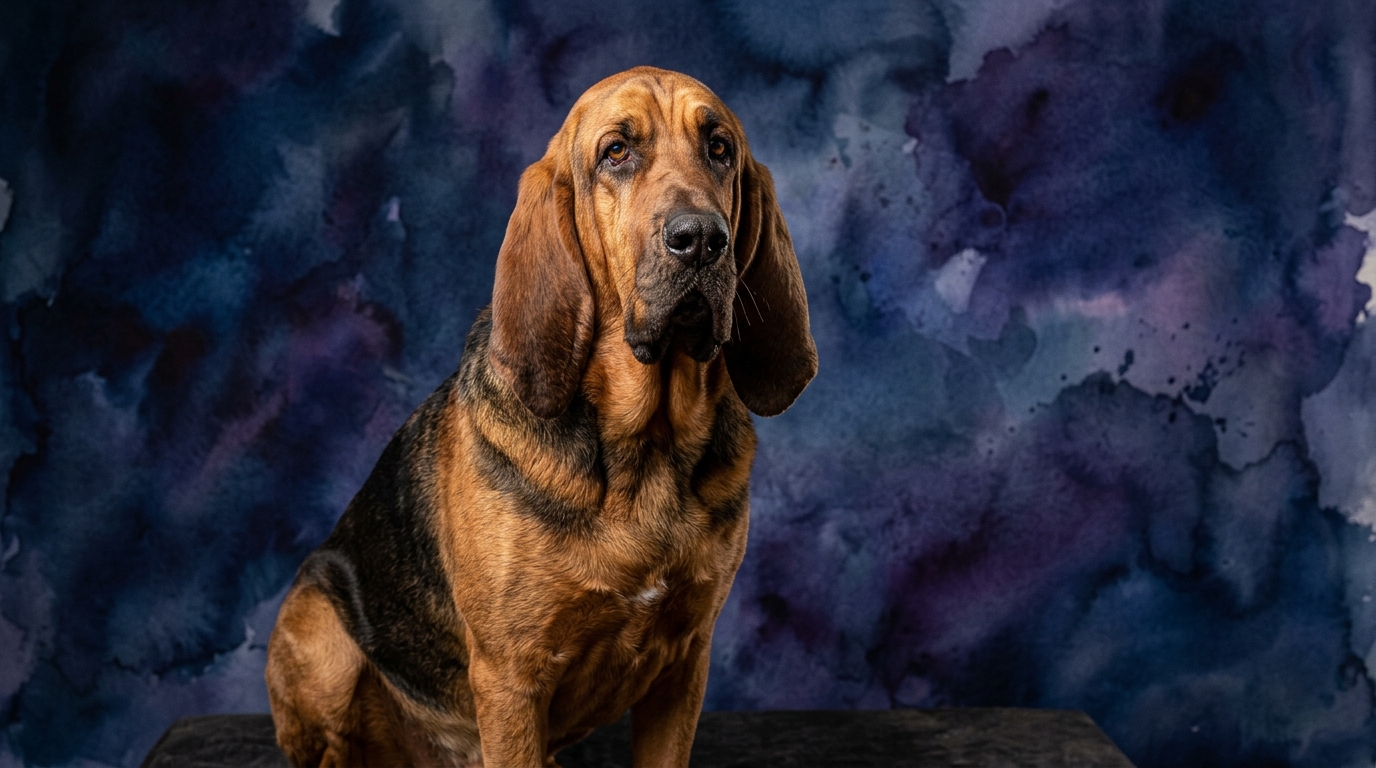
The Cosmic Pet Pet IQ Lab employs five dimensions to map a breed's cognitive landscape. For the Bloodhound, we observe a Problem Solving score of 5/5, reflecting its unparalleled ability to decipher complex scent puzzles and navigate intricate trails. However, its Training Speed registers a modest 1/5, indicating a strong independent streak and a focus that often overrides human instruction. Social Intelligence is rated 2/5, suggesting a dog primarily driven by its nose rather than nuanced human-canine interaction. Its Instinctive Drive is a perfect 5/5, a testament to its relentless pursuit of scent, while Memory also scores 5/5, enabling it to recall and follow even the most faint and aged trails.
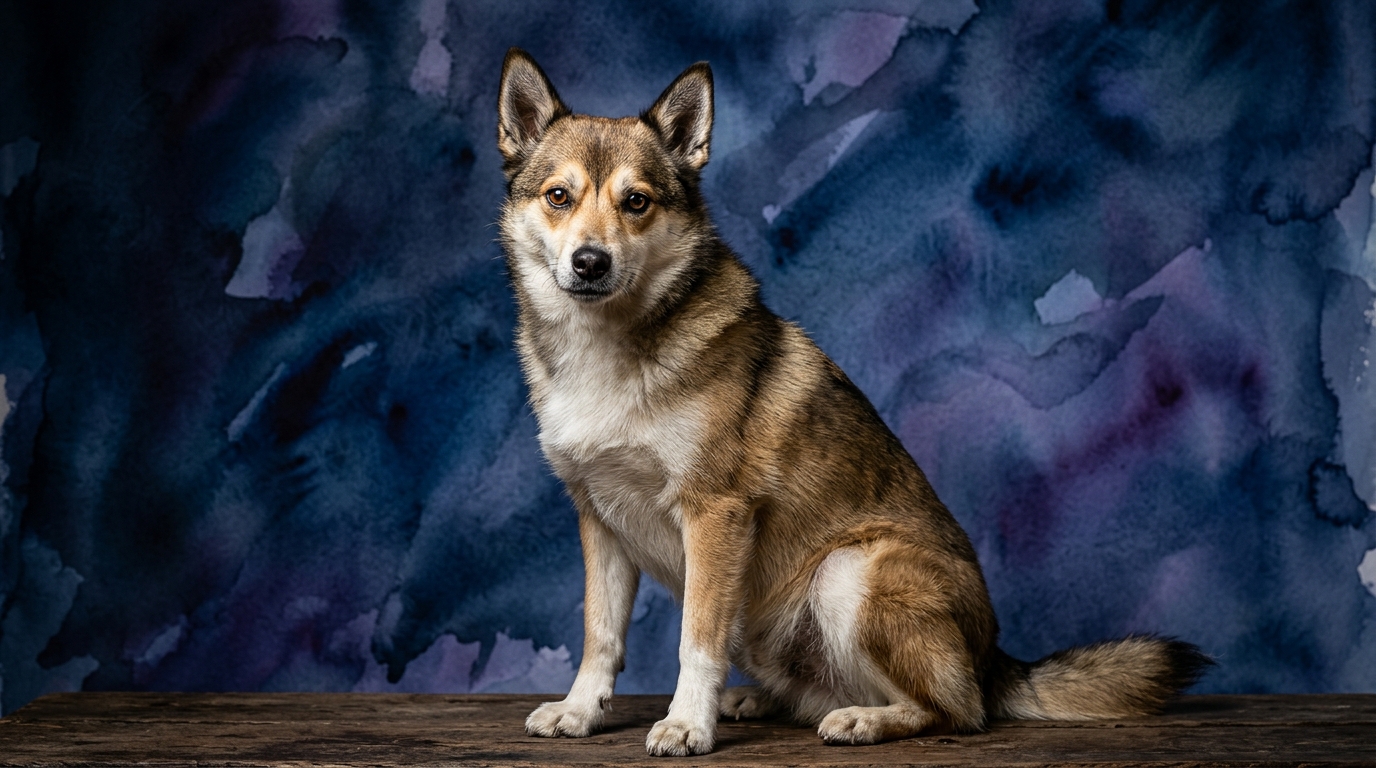
The Norwegian Lundehund presents a more evenly distributed cognitive profile. Its Problem Solving capability stands at 3/5, indicating a moderate aptitude for navigating new situations and learning routines. Training Speed is also 3/5, suggesting a dog that can be taught with consistent effort, though perhaps without the immediate grasp of some more compliant breeds. Social Intelligence matches at 3/5, pointing to a capacity for forming bonds and understanding human cues, but not to the extent of a highly people-oriented companion. Instinctive Drive is 3/5, reflecting a balanced prey drive that can be managed, rather than an all-consuming obsession. Finally, its Memory scores 3/5, indicating a solid ability to retain learned behaviors and environmental information.
Where Bloodhound Wins Cognitively
The Bloodhound's cognitive superiority undeniably lies in its extraordinary sensory processing and sustained focus on specific tasks. Its 5/5 Problem Solving isn't about solving abstract puzzles, but rather the highly complex, multi-layered problem of trail navigation and scent differentiation, even in challenging environments or after significant time has passed. This involves not just detecting a scent, but interpreting its directionality, age, and individual characteristics, filtering out myriad competing odors. Coupled with a 5/5 Memory, a Bloodhound can hold an entire scent map in its mind, recalling every turn, every lost article, and every environmental variable encountered on a trail, making it the supreme specialist in olfactory detective work. Its 5/5 Instinctive Drive fuels this entire process, allowing for hours of unwavering, self-directed work, a level of persistence few other breeds can match when engaged in their primary purpose.
Where Norwegian Lundehund Wins Cognitively
The Norwegian Lundehund's cognitive strengths emerge from its balanced and adaptable profile, particularly when compared to the Bloodhound's singular specialization. Its 3/5 Social Intelligence, while not exceptional, provides a more cooperative and engaged companion experience than the Bloodhound's more independent nature. This means a Lundehund is more likely to seek interaction, respond to social cues, and integrate smoothly into a family dynamic. Its 3/5 Training Speed, combined with this moderate social intelligence, suggests a dog that is generally more receptive to conventional training methods and positive reinforcement, making it a more manageable student for the average owner. The Lundehund's 3/5 Problem Solving, while lower than the Bloodhound's specialized score, reflects a practical adaptability to diverse living situations and novel challenges that don't involve scent tracking, such as navigating varied terrain or learning household routines. This breed's unique physical anatomy, allowing it to contort its body and rotate its shoulders, points to an innate spatial problem-solving ability crucial for its original task of navigating rocky crevices to hunt puffins, a different kind of cognitive agility.
Which Is Easier to Train and Why
Between these two breeds, the Norwegian Lundehund would generally be considered easier to train for a typical companion role. The Lundehund's 3/5 Training Speed indicates an average learning curve, meaning it can grasp commands and routines with consistent, positive reinforcement. Its 3/5 Social Intelligence also suggests a greater inclination to engage with its human trainer and respond to cues, making the training process a more collaborative effort.
Conversely, the Bloodhound's 1/5 Training Speed is a significant hurdle. This isn't due to a lack of capacity, but rather an intense independence and an overwhelming 5/5 Instinctive Drive. When a Bloodhound catches a scent, its focus becomes singular and absolute, often rendering it deaf to commands or distractions. Training a Bloodhound effectively requires immense patience, understanding its unique motivations (primarily scent work), and employing specialized methods to channel its drive rather than suppress it. Standard obedience commands are often secondary to its olfactory pursuits, making it a challenging student for anyone not prepared to work with its inherent nature. While it can learn, its priorities are rarely aligned with human expectations for compliance, demanding a trainer who can motivate through its powerful nose.
Which Suits Active Owners vs. Relaxed Owners
The Bloodhound is unequivocally suited for active owners, particularly those who are prepared to engage with its profound physical and mental needs. Its 5/5 Instinctive Drive translates into a requirement for extensive, purposeful activity, ideally involving scent work or long, exploratory walks where it can use its nose. A relaxed owner might struggle with a Bloodhound's need to follow its nose, which can lead to pulling on the leash, escaping yards, and general restlessness if its cognitive and physical energy isn't channeled. These dogs require owners who embrace long outdoor excursions, are patient with their independent nature, and potentially seek to engage in tracking sports or search and rescue.
The Norwegian Lundehund, with its balanced 3/5 scores across the board, fits a broader spectrum of owners, leaning towards moderately active households. While it possesses an instinctive drive and needs regular exercise, it's not the relentless pursuit of the Bloodhound. Lundehunds enjoy varied activities, from walks and hikes to interactive play, and are generally adaptable to their owner's routine. They appreciate companionship and mental stimulation but aren't typically driven by a singular, all-consuming purpose. A moderately active owner who enjoys daily walks, some playtime, and values a unique, engaging companion would find the Lundehund a good fit. A truly relaxed, sedentary owner might still find its general activity needs too demanding, but it's certainly a more flexible choice than the single-minded Bloodhound.
The Verdict
Opt for a Bloodhound if you are a dedicated, active individual seeking an unparalleled partner for scent work, tracking, or search and rescue, prepared to manage its independent nature and intense drive. This breed thrives with owners who understand and can channel its extraordinary olfactory problem-solving and memory into purposeful activity.
Select a Norwegian Lundehund if you desire a unique, moderately active companion who is more adaptable to a typical family life, offering a balanced mix of trainability, social engagement, and a manageable instinctive drive. This breed suits owners who appreciate a dog with distinct physical and cognitive traits but without the intense specialization of a working hound.
🧠 Find Your Pet's IQ Score
Our Pet IQ Lab assessment covers 25+ tests across 5 cognitive dimensions — personalized to your breed.
Take the Full IQ Test →Frequently Asked Questions
Can a Bloodhound be trained for purposes other than scent work?
While possible, training a Bloodhound for general obedience is challenging due to its 1/5 Training Speed and overwhelming 5/5 Instinctive Drive; its nose will almost always take precedence over human commands. Success requires immense patience, specialized motivation, and an understanding that its primary cognitive strength lies in olfactory tasks.
Is the Norwegian Lundehund a good choice for first-time dog owners?
The Norwegian Lundehund, with its balanced 3/5 scores in problem-solving, training speed, and social intelligence, can be a suitable choice for a dedicated first-time owner willing to learn. Its moderate needs are less intense than many specialized breeds, but consistent training and socialization are still crucial for its well-being.
What specific cognitive challenges might a Bloodhound owner face?
A Bloodhound owner will frequently encounter challenges related to its singular focus on scent, leading to selective deafness to commands and a strong independent streak. Its high instinctive drive means managing its desire to follow a trail is paramount, often requiring secure containment and specialized training to prevent it from wandering.