Side-by-Side IQ Profile: Bloodhound vs. Whippet
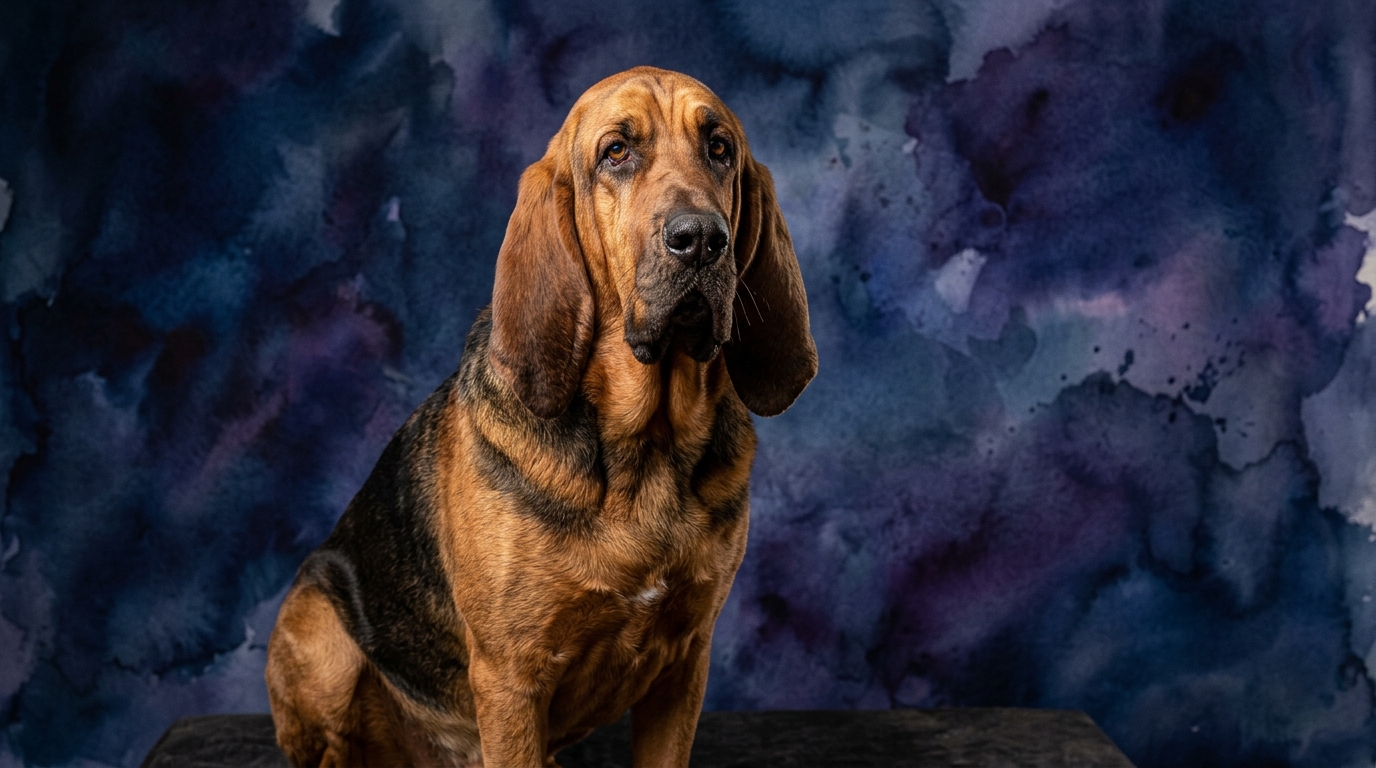
**Bloodhound:** The Bloodhound's cognitive architecture is built around its extraordinary olfactory capabilities.
**Problem Solving (5/5):** The Bloodhound’s problem-solving prowess is almost exclusively directed towards olfactory challenges, manifesting as an unparalleled ability to untangle complex scent trails. Their world is an intricate tapestry of odors, and they are masters at systematically dissecting, following, and persevering through environmental variables and distractions to locate a target. This isn't about general cleverness; it's a highly specialized, analytical capacity for scent-based puzzles, demonstrating profound deductive reasoning within their olfactory domain.
**Training Speed (1/5):** This breed excels in specialized work but is notoriously slow to pick up conventional obedience commands. Their singular, overriding focus on scent means they inherently prioritize their own sensory mission over human directives, making traditional, reward-based training a significant test of an owner's patience and ability to innovate motivation strategies. They are driven by the reward of the trail itself, not necessarily by pleasing their handler.
**Social Intelligence (2/5):** While Bloodhounds are inherently gentle and possess a calm temperament, their social intelligence is often secondary to their primary drive. They form deep, loyal bonds with their families, but their attention can be incredibly difficult to redirect from an intriguing scent to human social cues, emotional states, or verbal commands, particularly when their powerful instincts are engaged. Their social interaction is often on their own terms, after their olfactory duties are satisfied.
**Instinctive Drive (5/5):** Unparalleled and all-consuming, the Bloodhound lives to track. This powerful, innate drive is the cornerstone of their existence, dictating much of their behavior, cognitive allocation, and daily motivation. It's an unwavering, single-minded passion that defines their purpose and informs their entire approach to the world.
**Memory (5/5):** Their memory is nothing short of phenomenal, especially concerning scent. Bloodhounds can recall and differentiate complex scent patterns, map vast environmental details related to a trail, and remember the specific nuances of a scent over extended periods. This exceptional memory is crucial for their ability to follow cold trails and piece together past events through odor.
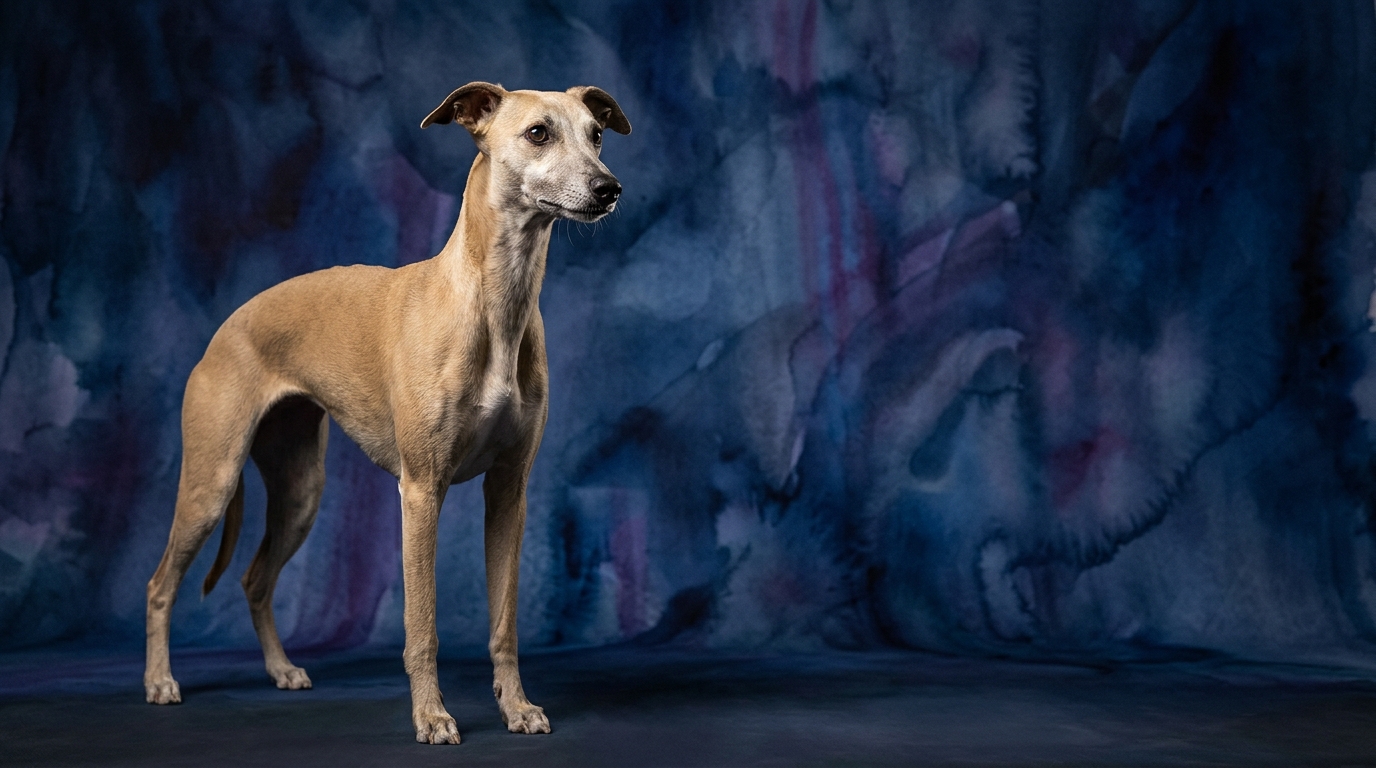
**Whippet:** The Whippet’s intelligence is characterized by a balance of independent thought and social connection.
**Problem Solving (3/5):** Whippets possess a moderate ability to solve problems, often manifested in adapting smoothly to routines, navigating complex domestic environments with grace, and understanding basic cause-and-effect within their immediate surroundings. They are clever enough to figure out the most comfortable sunbeam, how to subtly solicit attention, or manipulate a blanket for optimal coziness, demonstrating practical, rather than analytical, problem-solving skills in their daily lives.
**Training Speed (2/5):** While not possessing the eager-to-please nature of some working breeds, Whippets can learn commands and routines more readily than a Bloodhound. Their independent sighthound nature means they require engaging, positive reinforcement, often with high-value treats or play, but they are generally more responsive to human direction and desire to cooperate for mutual benefit.
**Social Intelligence (4/5):** Whippets thrive on companionship and are highly attuned to their human families. They are sensitive, affectionate, and often seek close physical contact, earning them the nickname "velcro dogs." Their strong social intelligence allows them to read subtle human cues, anticipate needs, and integrate exceptionally well into a family structure, making them delightful and empathetic companions.
**Instinctive Drive (5/5):** Whippets possess a very strong, visually driven prey drive. Their instinct is to chase anything that moves quickly, a trait honed over centuries for coursing and hunting by sight. This drive, while different in manifestation from a Bloodhound's, is equally powerful and can dictate their behavior in uncontrolled environments, demanding secure outdoor spaces.
**Memory (3/5):** Whippets have a good memory for routines, learned behaviors, and the comfort of their home environment. They remember their people, their favorite places to nap, and the sequence of daily events. However, their memory isn't typically focused on retaining complex, sequential information for specialized, long-term tasks outside of their immediate domestic sphere.
Where the Bloodhound Wins Cognitively
The Bloodhound's cognitive superiority lies in its profound and unparalleled specialization. Its Problem Solving at 5/5 is unmatched specifically in the realm of olfactory puzzles; no other breed can dissect, follow, and interpret a scent trail with such tenacity, precision, and systematic approach. This isn't general cleverness but a hyper-focused, analytical capacity dedicated entirely to odor detection and discrimination, making them invaluable in search and rescue or law enforcement. Coupled with a Memory score of 5/5, they can retain intricate scent patterns, map vast geographical areas based on olfactory inputs, and recall specific scent signatures over extended durations and through complex environmental changes – a feat essential for tracking cold trails. Their Instinctive Drive, also 5/5, is the unwavering engine behind this entire cognitive architecture, providing a singular, indomitable focus that allows them to ignore all but their primary mission, persisting where other breeds would become distracted or give up.
Where the Whippet Wins Cognitively
The Whippet shines in cognitive domains more aligned with harmonious domestic companionship and general adaptability. Their Social Intelligence at 4/5 far surpasses the Bloodhound’s 2/5, making them significantly more attuned to human emotions, social cues, and the desire for reciprocal interaction. This translates into a canine that integrates seamlessly into family life, offering sensitive, empathetic, and affectionate companionship. They readily understand household dynamics and respond to the subtle nuances of human communication. While neither breed is a top-tier obedience competitor, the Whippet's Training Speed of 2/5 is a distinct advantage over the Bloodhound’s 1/5. This means they are generally more receptive and quicker to learn basic commands, house rules, and respond to positive reinforcement, requiring less intensive or specialized training methods to achieve a well-behaved pet. Their moderate Problem Solving (3/5) also allows for greater flexibility in adapting to various living situations and understanding the practicalities of a comfortable home environment.
Which is Easier to Train, and Why?
Based on their respective Training Speed scores, the Whippet (2/5) is undeniably easier to train than the Bloodhound (1/5). The Bloodhound’s profound Instinctive Drive (5/5) and hyper-focused Problem Solving in scent work make them incredibly independent. Once a Bloodhound catches a scent, their cognitive resources are almost entirely dedicated to following it, rendering human commands secondary. Training a Bloodhound requires immense patience, understanding of their unique motivations, and often specialized techniques that leverage their scent drive rather than fighting it; they are not easily swayed by typical food rewards or praise when a compelling scent trail is present. In contrast, the Whippet's higher Social Intelligence (4/5) means they are generally more motivated by human interaction and approval. While they retain a sighthound's independent streak and can be easily distracted by movement (Instinctive Drive 5/5), their responsiveness to positive reinforcement and desire for companionship make them more amenable to learning obedience and house manners. They are less likely to become completely deaf to commands than a Bloodhound immersed in a complex scent puzzle.
Active Owners vs. Relaxed Owners: Which Breed Fits?
The definition of "active" varies significantly between these two breeds. A Bloodhound suits an owner whose activity centers around long, deliberate, and often challenging scent work or extensive walks where the dog is encouraged to follow its nose. While they aren't necessarily "hyper" in the traditional sense, their need to fulfill their powerful Instinctive Drive (5/5) means they require an owner dedicated to providing outlets for this specialized activity, often for hours at a time. After fulfilling their tracking needs, they can be remarkably relaxed indoors. A Whippet, with its Instinctive Drive (5/5) for chasing, is ideal for owners who enjoy short bursts of intense activity, such as sprinting in a secure area or lure coursing. They are built for speed, not endurance. After these high-energy sprints, Whippets transition effortlessly into a relaxed, couch-potato mode, enjoying quiet companionship and lounging. Therefore, a Whippet often suits a more "relaxed" owner in terms of daily endurance exercise, provided they can offer those crucial, intense sprints, whereas a Bloodhound demands a specific, long-duration type of mental and physical engagement.
The Verdict
Choose a Bloodhound if you are captivated by unparalleled scenting abilities, prepared for a profoundly independent and single-minded canine partner, and dedicated to channeling their exceptional tracking drive into meaningful work or extensive scent-based activities.
Choose a Whippet if you seek an elegant, sensitive, and affectionate companion who thrives on close human bonds, enjoys bursts of exhilarating speed, and is generally more adaptable to a quiet, domestic lifestyle after appropriate exercise.
🧠 Find Your Pet's IQ Score
Our Pet IQ Lab assessment covers 25+ tests across 5 cognitive dimensions — personalized to your breed.
Take the Full IQ Test →Frequently Asked Questions
Are Bloodhounds generally considered stubborn?
Their 1/5 Training Speed and 5/5 Problem Solving focused on scent often translate to perceived stubbornness. Once a Bloodhound commits to a scent, their single-minded focus makes them difficult to redirect, prioritizing their instinctive mission over human commands.
Do Whippets need a lot of daily exercise?
Whippets are built for short, intense bursts of speed rather than long-distance endurance. They require regular opportunities for a good sprint in a safe, enclosed area, but are content to relax and lounge for much of the day otherwise.
Which breed is better for first-time dog owners?
The Whippet is generally a better choice for first-time owners due to their higher social intelligence and more manageable training speed. Bloodhounds require a very experienced owner who understands their unique, strong drives and independent nature.