Side-by-Side IQ Profile: Unpacking Identical Scores
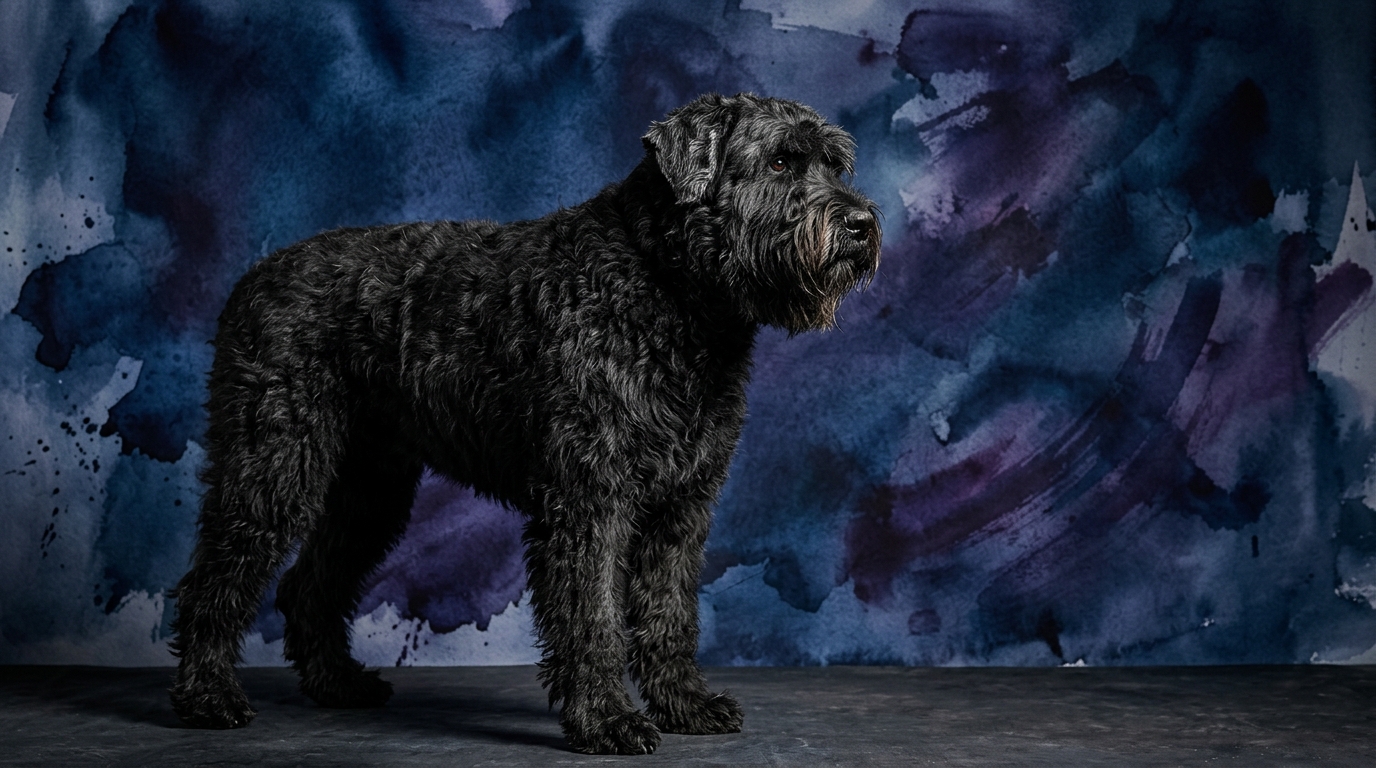
The Bouvier des Flandres, a robust herding dog originating from the Flanders region, demonstrates a practical application of its mental faculties. Its problem-solving ability (3/5) often manifests in navigating complex livestock movements or anticipating herd behavior, requiring quick, on-the-spot decisions within a structured environment. Training speed (3/5) indicates a solid capacity for learning multi-step commands and routines essential for herding, though consistency and clear purpose are key motivators. Social intelligence (3/5) is geared towards understanding handler cues and the dynamics of its “flock,” whether livestock or family, often expressed as a watchful loyalty. Its instinctive drive (3/5) is strongly rooted in herding, guarding, and protection, prompting vigilance and a desire to control its environment. Memory (3/5) supports the recall of intricate tasks, boundaries, and learned patterns crucial for managing livestock effectively over time.
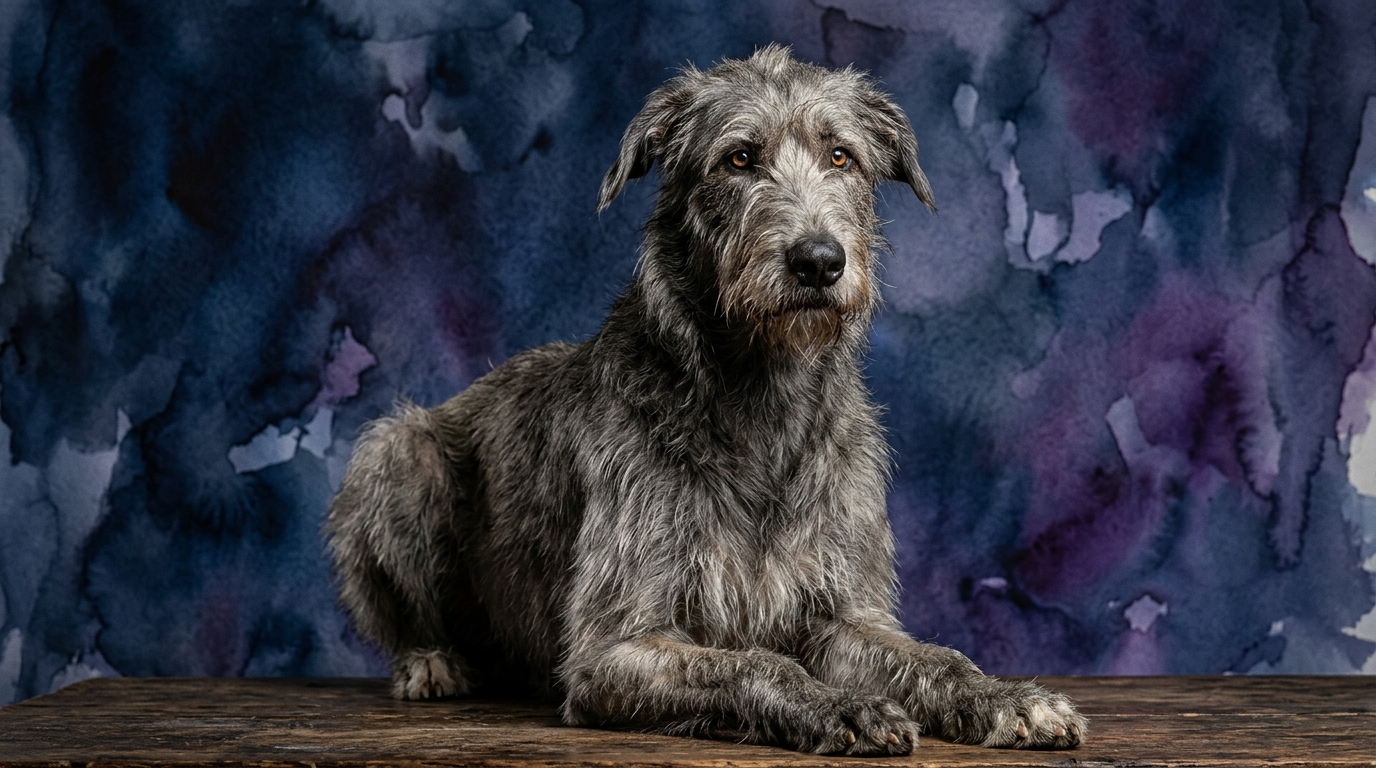
The majestic Irish Wolfhound, a sighthound bred for hunting large game, applies its cognitive skills in a distinctly different manner. Its problem-solving ability (3/5) typically involves independent decision-making during a pursuit, such as finding the optimal path across varied terrain or identifying the most vulnerable point in a chase. Training speed (3/5) reflects their capacity to learn, but their sighthound independence means they often evaluate requests, weighing them against their innate drives or perceived self-interest. Social intelligence (3/5) is profoundly expressed through their gentle, empathetic connection with their human family, often attuned to subtle emotional shifts, rather than a strong drive for obedience to intricate commands. Their instinctive drive (3/5) is primarily a powerful prey drive, focused on sight, chase, and capture, alongside a calm, observant nature when not engaged. Memory (3/5) serves them well in remembering familiar routes, hunting patterns, and the routines of their beloved household members.
Where Bouvier des Flandres Wins Cognitively
The Bouvier des Flandres often excels in scenarios demanding cooperative problem-solving and a structured approach to tasks. Their herding heritage means they are particularly adept at understanding sequences of commands and executing them with a clear purpose. For instance, a Bouvier's 3/5 problem-solving score is perfectly suited to tasks requiring spatial reasoning and strategic movement, like guiding sheep through a gate or maneuvering around obstacles in an agility course with precision. Their social intelligence, while rated 3/5, is often expressed as a deep understanding of their handler's intentions and a willingness to work as a team, making them particularly effective in roles requiring partnership. This breed's instinctive drive, also 3/5, translates into a strong desire for engagement and a natural inclination towards vigilance, making them quick to perceive changes in their environment and respond with appropriate action, whether it’s a stray animal or an unfamiliar sound. Their memory is practical, enabling them to recall complex routines and boundaries, which is invaluable for consistent performance in working roles.
Where Irish Wolfhound Wins Cognitively
The Irish Wolfhound's cognitive strengths shine in areas requiring independent observation, swift decision-making in pursuit, and a profound, gentle social connection. Their 3/5 problem-solving ability, while numerically identical to the Bouvier's, manifests as a keen ability to assess a situation and act autonomously, particularly when their sighthound instincts are engaged. This could involve spotting distant movement and calculating the most efficient path to intercept, relying on their own judgment rather than direct instruction. Their social intelligence (3/5) is distinctively characterized by an empathetic understanding of human emotions and a calm, reassuring presence within the family unit. They excel at being gentle giants, often sensing and responding to the emotional states of their owners with quiet comfort. The Irish Wolfhound's instinctive drive (3/5) is channeled into bursts of powerful, focused pursuit, demanding quick cognitive processing to maintain visual contact and adapt to changes in their quarry's movement. Their memory, also 3/5, is particularly effective for remembering familiar territories, tracking subtle changes in their environment, and recalling the specific habits and preferences of their human companions.
Which Is Easier to Train and Why
When considering ease of training, the Bouvier des Flandres generally presents a more straightforward path for owners seeking a responsive working partner. Their herding background instills a natural inclination to cooperate with a handler and a desire for a defined role, making them receptive to structured training. While their training speed is rated 3/5, their inherent drive to work and their capacity for understanding complex sequences mean they can master a wide array of commands with consistent, fair methods. They thrive on having a job to do and appreciate clear guidance, making them eager participants in obedience, agility, or protection sports. Their problem-solving skills are often applied to understanding and executing tasks presented by their human, leading to a more direct training experience.
The Irish Wolfhound, despite also having a 3/5 training speed, can be a more nuanced training proposition due to its sighthound heritage. Their independence and strong prey drive mean that while they are capable of learning, their motivation often needs to be more compelling than simply pleasing their owner. They may learn commands quickly but choose to obey only if it aligns with their immediate interests, especially if a captivating scent or sight is present. This requires a patient, positive reinforcement approach, focusing on building a strong bond and making training a rewarding game. Recall, in particular, can be a challenge if a Wolfhound's instinctive drive to chase takes over. Their problem-solving often leans towards independent action rather than seeking handler input, so training requires understanding and working with their innate tendencies rather than against them.
Which Suits Active Owners vs. Relaxed Owners
The Bouvier des Flandres is ideally suited for active owners who relish engaging in structured activities and providing a clear purpose for their companion. This breed thrives on mental stimulation and physical exercise that taps into their herding and guarding instincts. Owners who enjoy dog sports like obedience, agility, tracking, or even protection work will find a dedicated and capable partner in the Bouvier. Their need for consistent engagement and a “job” means they are not content to be solely couch companions. They require regular, purposeful outings and training sessions to channel their 3/5 instinctive drive and problem-solving skills constructively, preventing boredom and potential behavioral issues. A Bouvier will thrive with an owner who can commit to daily training, long walks, or play sessions that involve problem-solving elements.
In contrast, the Irish Wolfhound, despite its impressive size and historical role, often fits well with owners who appreciate a more relaxed indoor presence, interspersed with bursts of vigorous activity. While they need regular exercise to maintain their health and physique, their energy levels indoors are typically low, making them surprisingly calm housemates. Owners who can provide a securely fenced yard for galloping and regular, but perhaps less structured, outdoor excursions will find the Wolfhound content. They are not typically suited for intense, continuous physical demands like a marathon running partner, but rather prefer a good sprint followed by a long nap. Their gentle nature and social intelligence (3/5) mean they primarily seek companionship and comfort within their family, making them excellent choices for owners who value a peaceful, affectionate presence after their exercise needs are met.
The Verdict
Opt for the Bouvier des Flandres if you are an active owner seeking a cooperative, purpose-driven companion for structured training, dog sports, or a vigilant family guardian. This breed thrives on engagement and a clear role, making them ideal for those who can provide consistent mental and physical challenges.
Select the Irish Wolfhound if you appreciate a gentle giant with a calm indoor demeanor, an independent spirit, and a profound, empathetic bond, and can accommodate their need for secure, spacious areas for bursts of exercise. They are best for owners who value quiet companionship and understand the nuances of sighthound training.
🧠 Find Your Pet's IQ Score
Our Pet IQ Lab assessment covers 25+ tests across 5 cognitive dimensions — personalized to your breed.
Take the Full IQ Test →Frequently Asked Questions
Do both breeds have similar learning capabilities?
Yes, both the Bouvier des Flandres and the Irish Wolfhound score 3/5 in training speed, indicating they are capable learners, but the motivation and approach required to tap into those capabilities differ significantly due to their breed instincts.
How does their problem-solving ability differ despite identical scores?
The Bouvier's 3/5 problem-solving is often applied to cooperative, task-oriented challenges like herding, while the Irish Wolfhound's 3/5 manifests more in independent, instinct-driven scenarios such as tracking or navigating during a chase.
Which breed is more adaptable to different living situations based on their intelligence?
The Bouvier des Flandres, with its strong desire for purpose and handler cooperation, might adapt better to varied structured activities; the Irish Wolfhound, with its calm indoor nature, adapts well to family life but requires secure outdoor space for its instinctive exercise needs.