Side-by-Side IQ Profile: Bouvier des Flandres vs. Norwegian Lundehund
To truly understand the cognitive landscape of these two distinct breeds, we must look beyond their matching 3/5 scores across the five IQ dimensions and delve into how these capabilities manifest through their unique breed-specific lenses.
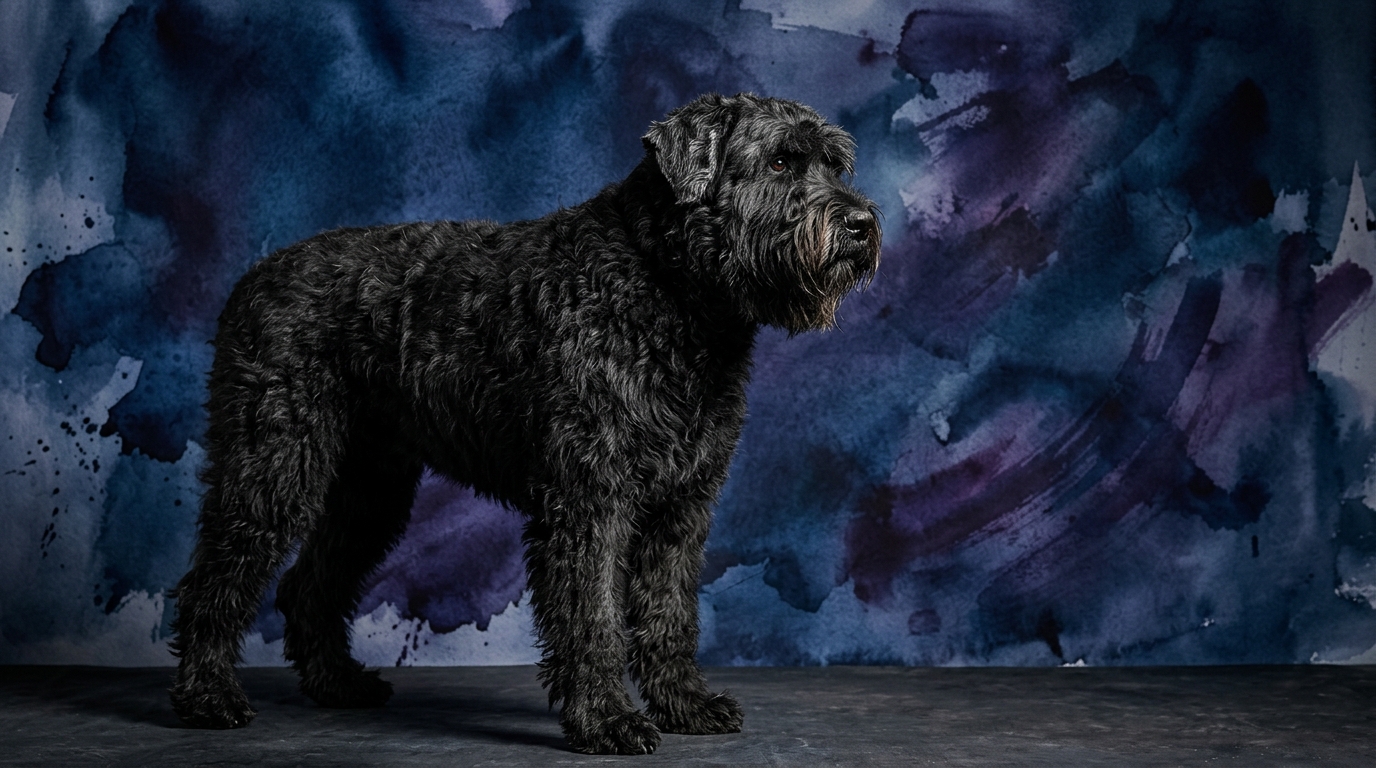
For the **Bouvier des Flandres**, a robust herding dog from the plains of Flanders:
**Problem Solving (3/5):** Bouviers display independent problem-solving in dynamic, group-oriented situations, like herding. They strategize to manage livestock or family, making quick, practical decisions to maintain order and safety without constant human direction.
**Training Speed (3/5):** Bouviers learn new commands steadily, grasping concepts well. Their independent nature, crucial for herding, means they learn deliberately, requiring clear purpose and patient, consistent reinforcement for full commitment.
**Social Intelligence (3/5):** This breed forms deep family bonds, keenly understanding human moods. Their protective instincts, a core aspect of their social intelligence, enable them to discern threats, acting as vigilant guardians while remaining reserved with strangers.
**Instinctive Drive (3/5):** The Bouvier’s drive is rooted in herding, manifesting as a strong inclination to gather, protect, and control. This underpins their problem-solving and social behaviors, driving a desire for order and security.
**Memory (3/5):** Bouviers possess a robust memory for complex command sequences, familiar territories, and individuals. This strength is vital for recalling intricate herding routes, specific instructions, and retaining training cues efficiently.
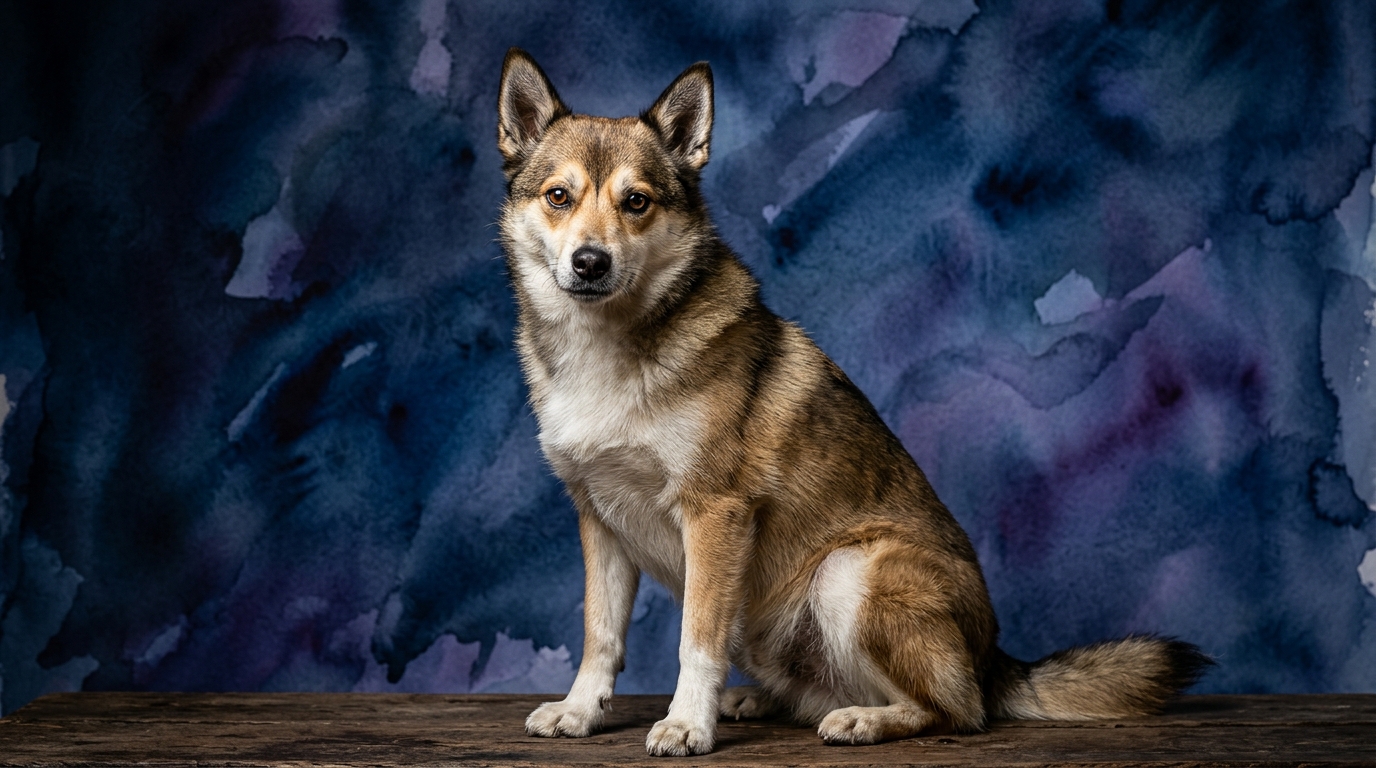
Now, let's examine the **Norwegian Lundehund**, a specialized puffin hunter from Norway's rugged coastlines:
**Problem Solving (3/5):** Lundehunds excel at individualistic problem-solving, uniquely adapted for puffin hunting. They navigate intricate, confined spaces, strategize prey extraction, and utilize their extraordinary anatomical flexibility to overcome physical obstacles.
**Training Speed (3/5):** Lundehunds learn moderately, but their independence and strong prey drive make training nuanced. They grasp concepts, yet their curiosity and occasional stubbornness mean they respond best to engaging, positive reinforcement, not rote repetition.
**Social Intelligence (3/5):** Lundehunds show focused social intelligence, often forming intense bonds with primary caregivers while being more aloof with others. They observe new people closely, sensitive to immediate "pack" dynamics through subtle cues.
**Instinctive Drive (3/5):** The Lundehund's drive is dominated by its historical role: intense prey drive, digging, climbing, and exploration. This indicates a strong inclination to investigate and burrow, shaping their environmental interactions and independent pursuits.
**Memory (3/5):** Lundehunds remember places, specific hunting techniques, and daily routines well. Their ability to recall complex routes through challenging terrain or previous finds speaks to this cognitive strength, alongside efficient training cue recall when motivated.
Where Bouvier des Flandres Wins Cognitively
The Bouvier des Flandres shows a cognitive advantage in tasks demanding sustained attention to group dynamics and protective oversight. Their problem-solving, while rated 3/5, excels at managing multiple moving targets, anticipating actions within a 'flock,' and making rapid judgments to maintain order and safety. This nuanced understanding of group behavior, coupled with profound loyalty and discernment in social interactions, gives them an edge in environments requiring consistent, predictable guardianship and the ability to apply learned commands to evolving situations.
Where Norwegian Lundehund Wins Cognitively
Conversely, the Norwegian Lundehund exhibits superior cognitive strengths in individualistic ingenuity, physical adaptability, and environmental manipulation. Their problem-solving, also 3/5, shines when faced with unique physical challenges: navigating tight spaces, climbing, or accessing hidden objects. Their specialized anatomy is intrinsically linked to their cognitive processing; they physically adapt to puzzles. An instinctive drive to explore, burrow, and a remarkable memory for complex terrain positions them above the Bouvier in tasks demanding independent exploration and intricate physical maneuvering for solitary acquisition.
Which Is Easier to Train and Why
Despite both breeds scoring 3/5 in training speed, the Bouvier des Flandres generally offers a more cooperative training experience. Their herding background instilled a desire to work with handlers, making them responsive to consistent, fair methods. While independent, their intelligence is often channeled into performing tasks for their owner, especially when given a clear purpose in obedience or protection work. The Norwegian Lundehund’s training journey is more complex. Their 3/5 speed is often tempered by a strong independent streak and formidable prey drive, legacies of solitary hunting. Lundehunds aren't disobedient, but their curiosity for independent investigations (digging, climbing) often outweighs human-initiated training. They require highly motivating, positive reinforcement, and owners must prepare for a dog that questions repetitive commands if a more intriguing sensory input arises. Therefore, the Bouvier's inherent cooperativeness typically makes them easier to guide through structured training.
Which Suits Active Owners vs. Relaxed Owners
The Bouvier des Flandres decidedly suits active owners who can provide consistent mental and physical engagement. Their cognitive needs demand daily structured exercise, like long walks, runs, or canine sports. A Bouvier thrives when given a 'job,' be it learning complex commands, guarding, or participating in family activities that engage their protective instincts and problem-solving. Their 3/5 instinctive drive for purpose means they aren't couch potatoes; without adequate stimulation, boredom can lead to undesirable behaviors. The Norwegian Lundehund also requires an active, mentally stimulating environment, though differently. Their agility and puffin-hunting history mean they excel with exploration, climbing, and digging opportunities. They aren't high-endurance athletes but need frequent, shorter bursts of activity engaging their unique physical and problem-solving. Owners who appreciate independence and provide 'hunting' games, puzzle toys, and secure outdoor spaces will find a Lundehund fascinating. While they relax, a truly 'relaxed' owner offering minimal engagement will find them restless. Neither breed suits a sedentary lifestyle, but Bouviers demand structured, cooperative activity, while Lundehunds thrive on independent, exploratory engagement.
The Verdict
Choose the Bouvier des Flandres if you seek a steadfast, protective companion eager for structured work and cooperative problem-solving within a family unit. They excel with owners who appreciate a dog with purpose and are committed to consistent training and activity.
Opt for the Norwegian Lundehund if you are drawn to a uniquely independent, agile companion who thrives on exploration, physical challenges, and engaging their clever mind with novel, self-directed pursuits. They suit owners who understand and respect their distinct, ancient instincts.
🧠 Find Your Pet's IQ Score
Our Pet IQ Lab assessment covers 25+ tests across 5 cognitive dimensions — personalized to your breed.
Take the Full IQ Test →Frequently Asked Questions
Do Bouvier des Flandres or Norwegian Lundehunds typically do well with children?
Bouvier des Flandres, with their protective instincts and strong family bonds, generally do well with children when properly socialized and supervised, often seeing them as part of their "flock." Norwegian Lundehunds can be more reserved and may prefer older, respectful children who understand their need for space, though early socialization is key for both.
Which breed is more prone to separation anxiety?
Bouvier des Flandres, due to their deep attachment to their family and protective nature, can be more prone to separation anxiety if not properly acclimated to being alone. Norwegian Lundehunds, while forming strong bonds, tend to be more independent and may cope better with solitude, though individual temperaments vary.
Are there specific training challenges unique to each breed?
For Bouviers, the challenge often lies in managing their strong protective instincts and independent herding drive, requiring firm yet fair leadership. For Lundehunds, their profound independence, strong prey drive, and inclination to explore or dig present challenges, demanding creative, highly motivating training that taps into their unique cognitive strengths.