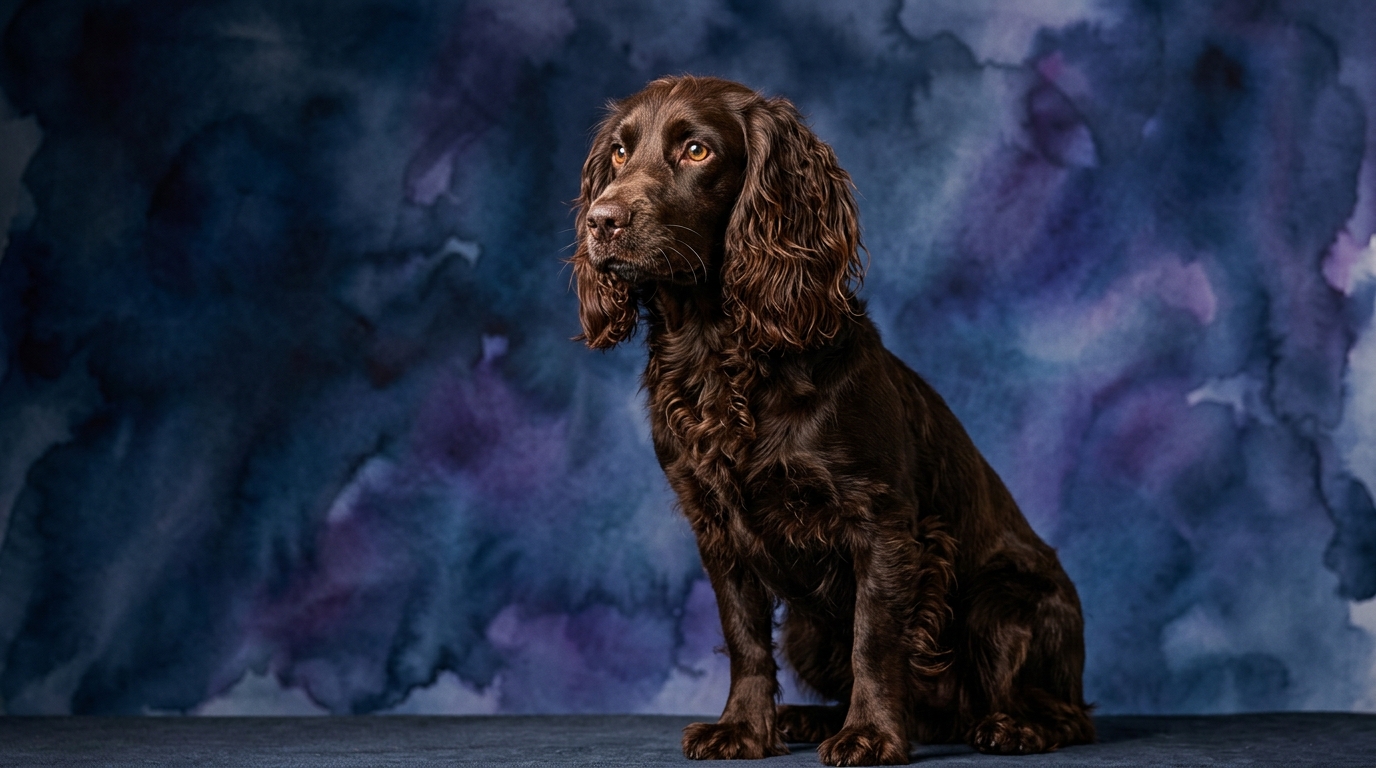
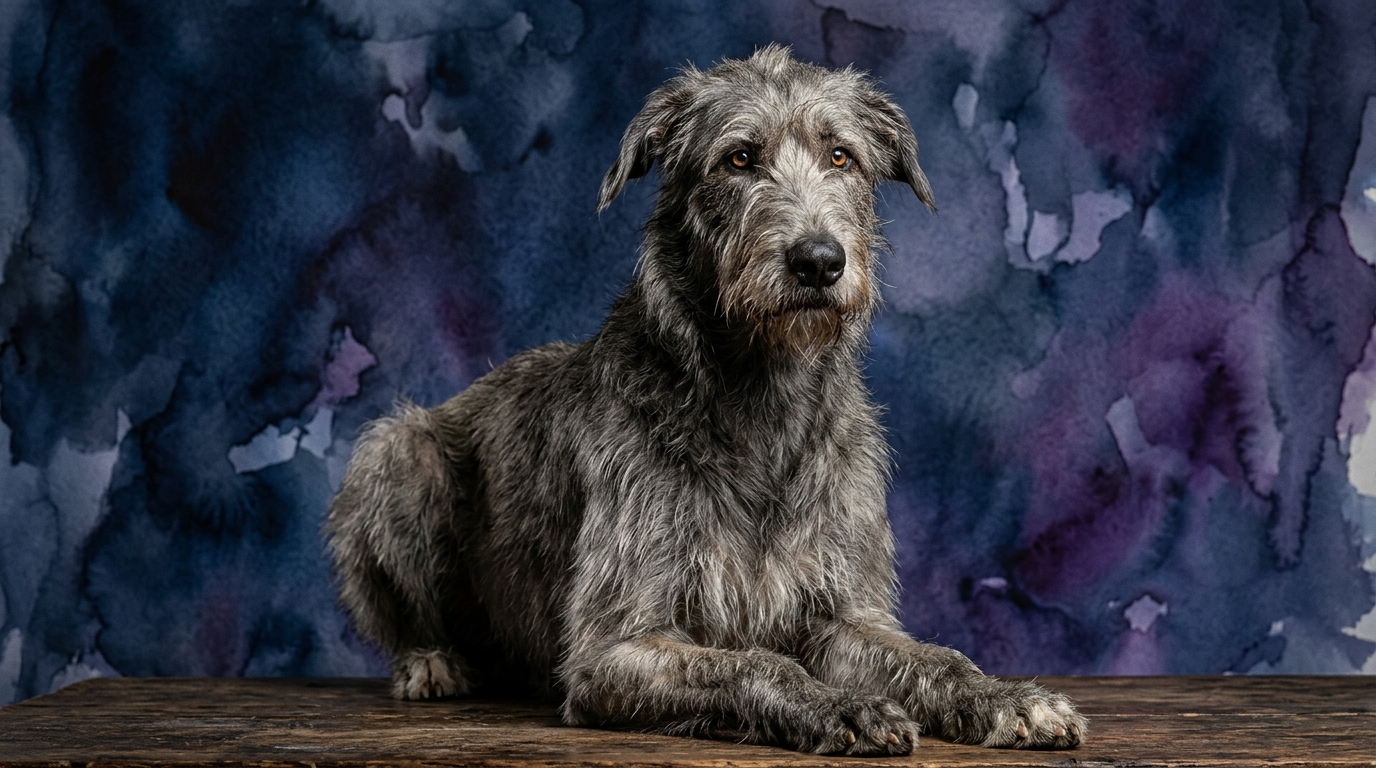
Side-by-Side IQ Profile: Boykin Spaniel vs. Irish Wolfhound
The Boykin Spaniel, a spirited Sporting dog, demonstrates a practical intelligence rooted in its retrieving heritage. Their Problem Solving (3/5) excels in navigating complex environments like dense undergrowth to retrieve fallen game, quickly adapting to varied hunting scenarios by figuring out efficient paths or how to flush birds. Training Speed (3/5) reflects their moderate learning pace, often eager to please and grasp concepts well, though complex sequences benefit from consistent repetition and positive reinforcement. Social Intelligence (3/5) is evident in their affable nature, ability to read human cues, anticipate commands, and seamlessly integrate into family dynamics, generally getting along well with other dogs and being sensitive to household moods. Their Instinctive Drive (3/5) is a focused urge to hunt, flush, and fetch, directing much of their cognitive effort towards activity and requiring an outlet. Memory (3/5) aids them in recalling learned commands, routines, and specific locations, essential for marking falls and returning to their handler in the field.
In contrast, the Irish Wolfhound, a majestic Hound breed, exhibits a contemplative and independent form of intelligence. Their Problem Solving (3/5) involves a measured assessment of situations, finding clever, often unhurried, ways to achieve desires, such as nudging gates open or maneuvering their large frames around obstacles, rather than impulsive reactions. Training Speed (3/5) is moderate, yet their independent hound nature and size demand patience and consistency; they understand complex commands but may not always see the immediate 'point' or be keen on repetitive tasks, responding best to clear, calm communication and positive reinforcement. Social Intelligence (3/5) is a hallmark of these gentle giants, evident in their deep bonds with humans, ability to comfort, and intuitive understanding of household routines, making them tolerant and good-natured with children and other animals. Their Instinctive Drive (3/5) stems from their sighthound heritage, a powerful urge to chase that, while often expressed with less intensity in a modern home, translates to self-possession and focused activity when spotting distant stimuli. Memory (3/5) is reliable for people, places, and established routines, aiding their integration into family life and recall of learned behaviors over time.
Where the Boykin Spaniel Shines Cognitively
Despite identical numerical scores, the Boykin Spaniel often displays a cognitive edge in tasks demanding sustained, focused cooperation with a human partner in dynamic environments. Their problem-solving (3/5) is more geared towards immediate, practical application in a working context, like quickly determining the best path through dense cover to retrieve. Their training speed (3/5) is often augmented by an inherent desire to please and a high work ethic, making them more consistently responsive to handler cues in complex sequences. This breed's memory (3/5) is particularly adept at recalling specific locations and sequences within an active, changing setting, which is invaluable for a retrieving dog.
Where the Irish Wolfhound Holds a Cognitive Advantage
The Irish Wolfhound's cognitive strengths shine in areas requiring independent thought and a calm, deliberate approach. Their problem-solving (3/5) often manifests as a more measured assessment of situations, employing clever, albeit sometimes slow, strategies to achieve their goals, rather than immediate reaction. Their social intelligence (3/5) allows for a profound, empathetic connection with their family, demonstrating a nuanced understanding of emotional states and household dynamics that goes beyond simple obedience. The Wolfhound's instinctive drive (3/5), while less intense for constant activity, translates into an impressive ability to maintain focus on a distant visual stimulus, a trait inherited from their sighthound past, requiring significant cognitive processing to track and evaluate.
Ease of Training: Behavioral Nuances
When considering ease of training, the Boykin Spaniel generally presents fewer challenges for a novice owner, primarily due to their breed-specific inclinations. While both breeds score 3/5 in Training Speed, the Boykin’s sporting background instills a stronger intrinsic motivation to work *with* a handler and perform tasks collaboratively. They often possess a higher 'pay attention to me' drive, making them more receptive to commands and less prone to independent decision-making during training sessions. Their eager-to-please nature means they are often more forgiving of handler mistakes and more consistent in their responses. In contrast, the Irish Wolfhound, with its sighthound heritage, can exhibit a more independent streak. While they are capable learners, their problem-solving (3/5) can lead them to question the 'why' behind a command or prioritize an interesting scent or distant visual over immediate compliance. Their training requires more patience, consistency, and a deep understanding of positive reinforcement to maintain engagement, as they are less likely to perform simply out of a fervent desire to please.
Matching Breeds to Owner Lifestyles
The choice between these breeds significantly depends on an owner's lifestyle and activity levels. Active owners who enjoy outdoor pursuits, particularly those involving structured tasks or dog sports, would find a strong match in the Boykin Spaniel. Their instinctive drive (3/5) and need for mental and physical engagement make them thrive with regular exercise, field work, or agility training. They are not content to be couch potatoes and require consistent outlets for their energy and problem-solving abilities. Conversely, the Irish Wolfhound, despite its immense size, often suits a more relaxed, yet still committed, owner. While they need regular, moderate exercise to maintain their health and physique, they are generally calm and sedate indoors. Their social intelligence (3/5) makes them wonderful, gentle companions for a family who appreciates a quiet presence and deep connection, but perhaps doesn't seek a dog for intense, prolonged athletic endeavors. Owners must be prepared for the logistical challenges of a very large dog, but their daily activity needs are often less demanding than a spaniel's.
The Verdict
Choose the Boykin Spaniel if you are an active individual or family seeking a highly engaged, cooperative companion for outdoor adventures, field work, or structured training, thriving on consistent interaction.
Opt for the Irish Wolfhound if you appreciate a calm, gentle giant that offers deep companionship and a quiet presence, and you can provide moderate exercise and accommodate a very large, sensitive dog.
🧠 Find Your Pet's IQ Score
Our Pet IQ Lab assessment covers 25+ tests across 5 cognitive dimensions — personalized to your breed.
Take the Full IQ Test →Frequently Asked Questions
Do Boykin Spaniels require extensive grooming compared to Irish Wolfhounds?
Boykin Spaniels have a medium-length, wavy coat that requires regular brushing to prevent matting and occasional trimming, especially around the ears and paws. Irish Wolfhounds have a rough, shaggy coat that needs weekly brushing and hand-stripping a few times a year to maintain its texture and remove dead hair.
Are Irish Wolfhounds good with children and other pets despite their size?
Yes, Irish Wolfhounds are generally known for their gentle and tolerant nature, often making them excellent family companions, especially with respectful children. Their social intelligence (3/5) helps them integrate well, and they typically coexist peacefully with other pets if properly socialized from a young age.
How do their instinctive drives differ in a home environment?
A Boykin Spaniel's instinctive drive (3/5) will often manifest as a strong desire to retrieve, chase small objects, and explore, requiring structured play or training outlets. An Irish Wolfhound's instinctive drive (3/5) is more geared towards sighthound tendencies; they might be less interested in retrieving but could be prone to chasing anything that moves quickly at a distance, necessitating secure fencing and leash discipline.