Side-by-Side IQ Profile
At The Cosmic Pet Pet IQ Lab, we analyze canine cognition across five key dimensions. Understanding these traits provides a clearer picture of what each breed brings to a household beyond their physical attributes.
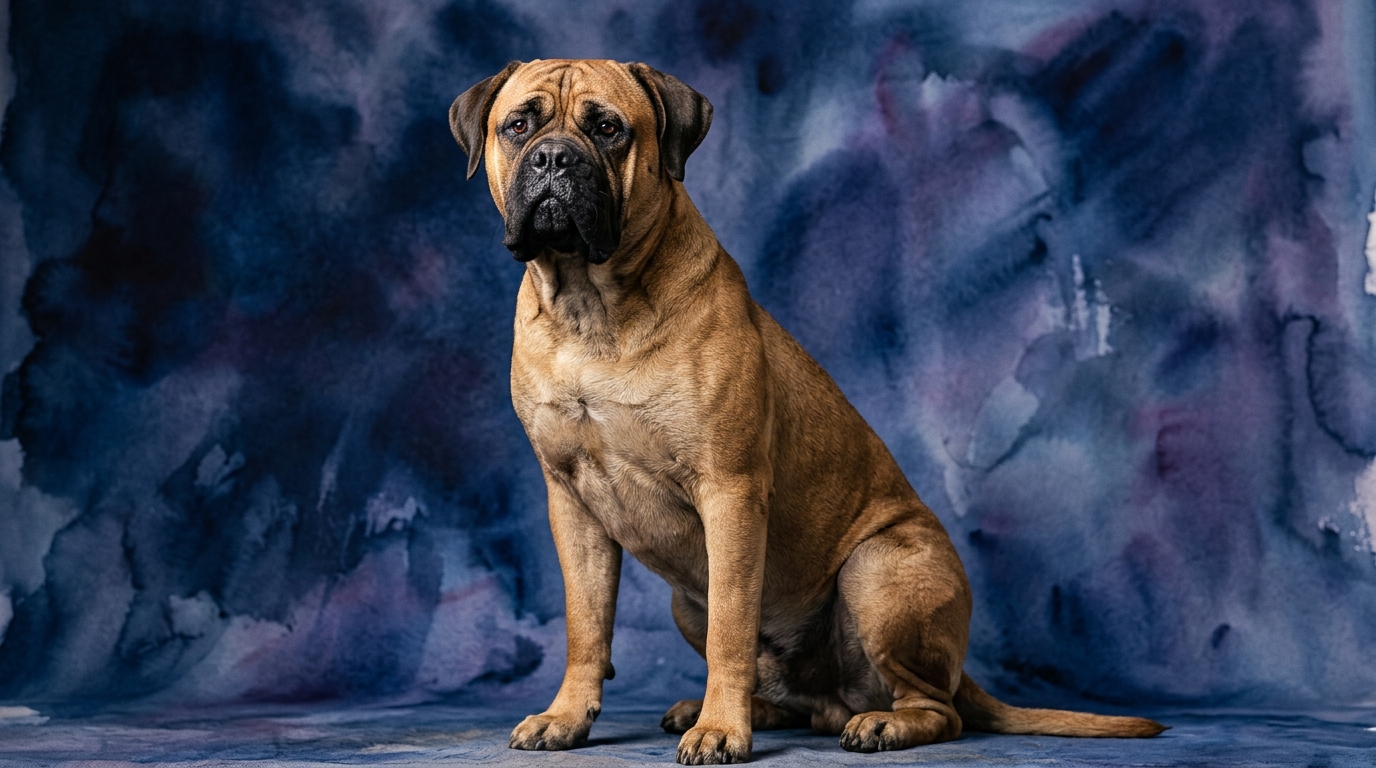
**Bullmastiff (Working, Coren Rank #69)**
**Problem Solving (3/5):** The Bullmastiff approaches problems methodically, excelling in practical, real-world scenarios, especially those concerning territory or family safety. They prefer established routines over novel experimentation, using observation and steady persistence to find solutions that yield tangible results within their environment.
**Training Speed (3/5):** Learning for a Bullmastiff requires patience and consistent leadership. Their independent spirit and Coren ranking of #69 mean they process new commands deliberately, often needing 25-40 repetitions to grasp a concept. They are motivated by clear expectations and positive reinforcement, not an inherent desire to please.
**Social Intelligence (3/5):** Bullmastiffs display nuanced social intelligence, keenly discerning family moods and intentions. Towards strangers, their intelligence shifts to a protective, observant stance, quickly assessing individuals. This makes them discerning judges of character within their perceived territory.
**Instinctive Drive (3/5):** Their primary drive is guarding and protection, a legacy of their "gamekeeper's night dog" origins. This involves observation, assessment, and intercession for home and family safety. This deeply ingrained territorial instinct profoundly influences their awareness and decision-making.
**Memory (3/5):** Bullmastiffs possess a solid memory for routines, people, and emotionally significant experiences. They reliably recall training cues and household dynamics long-term. This contributes to their consistency, but also means negative experiences or inconsistent training are well-remembered.
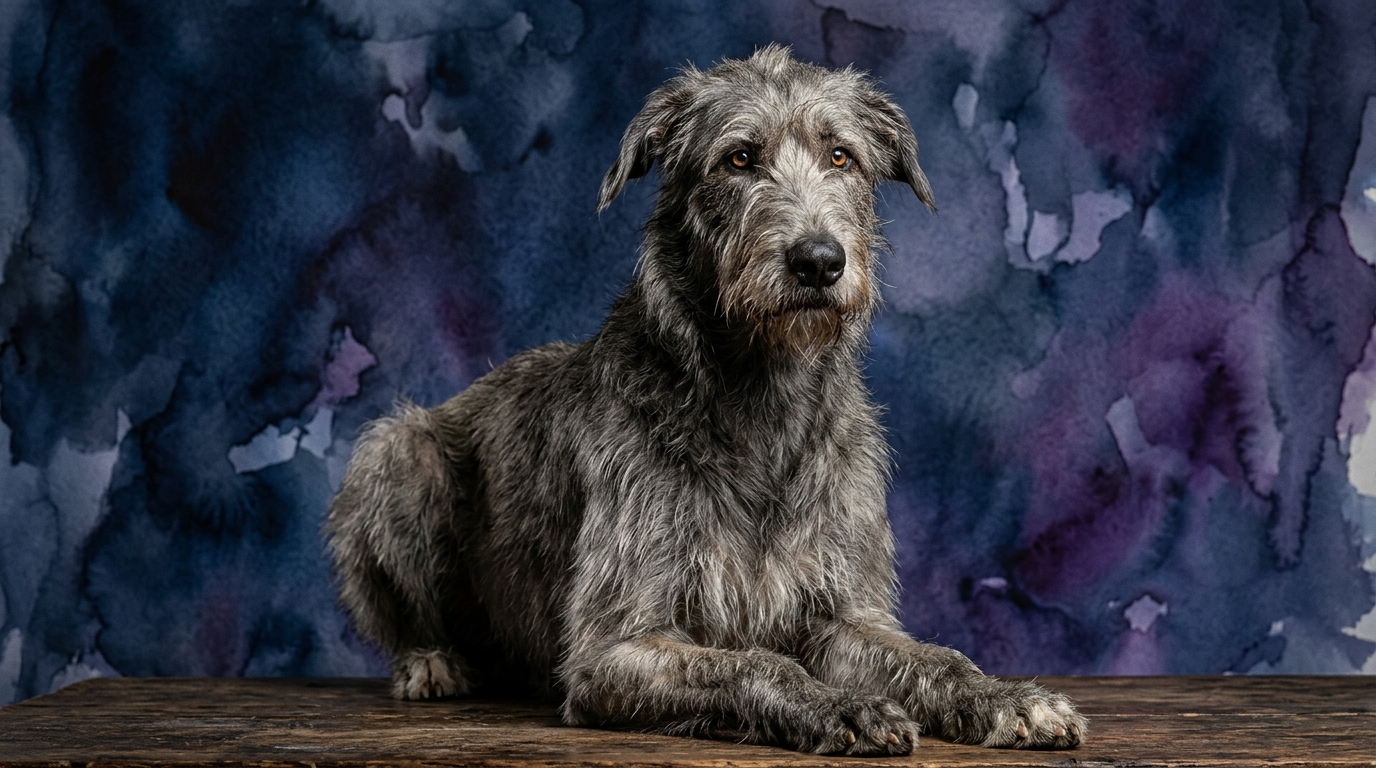
**Irish Wolfhound (Hound, Not Coren-ranked)**
**Problem Solving (3/5):** Irish Wolfhounds often solve problems resourcefully, particularly concerning personal comfort or acquiring desired items. Their sighthound heritage suggests a focus on visual cues and independent action, making them surprisingly astute in navigating their environment to achieve self-serving goals.
**Training Speed (3/5):** While capable of learning, their training speed is tempered by sighthound independence. They aren't always motivated by strict obedience and can be easily distracted. Patience, clear communication, and reward-based methods are crucial, as they might understand commands but choose to execute them at their own pace.
**Social Intelligence (3/5):** Irish Wolfhounds are known for their gentle, sensitive nature, demonstrating high social intelligence within their family. They are acutely aware of human emotions, offering quiet comfort. Towards strangers, they maintain dignified reserve, forming deep, empathetic bonds with their people.
**Instinctive Drive (3/5):** The Irish Wolfhound's primary drive is that of a sighthound: to spot, chase, and pursue. This strong prey drive, historically targeting large game, means they are instantly captivated by fast-moving objects. This outward-focused instinct requires careful management in unfenced areas.
**Memory (3/5):** Irish Wolfhounds exhibit a solid memory for people, places, and routines, reliably recalling training cues and daily nuances. Their memory contributes to their ability to maintain learned behaviors. They distinctly remember kindness and gentle handling, which builds a strong, trusting relationship.
Where Bullmastiff Wins Cognitively
The Bullmastiff's cognitive strengths shine particularly in areas demanding practical application and discernment. Their problem-solving, while not abstract, excels when it involves assessing and managing their immediate environment, such as understanding complex household dynamics or anticipating familiar routine changes. This breed demonstrates a distinct advantage in decision-making under pressure related to perceived threats, exhibiting a calm, self-assured presence when protecting their family. Their memory for routines and boundaries allows for a consistent, predictable household member once parameters are established.
Where Irish Wolfhound Wins Cognitively
The Irish Wolfhound's unique cognitive advantages lie in their profound empathy and social sensitivity. They possess an innate ability to tune into human emotions, often offering quiet, comforting companionship without explicit prompting. Their adaptability to new social situations, marked by a dignified acceptance rather than suspicion, allows them to integrate smoothly into various environments once comfortable. Furthermore, their independent problem-solving shines in finding optimal comfort or cleverly acquiring desired resources, often with a subtle, self-serving ingenuity that belies their gentle demeanor.
Which Is Easier to Train and Why
Neither the Bullmastiff nor the Irish Wolfhound are considered "easy" dogs to train, though for different reasons. The Bullmastiff's working breed background means they *can* be highly trainable for specific tasks, especially those involving protection or guarding. However, their stubbornness and independent streak, coupled with a deliberate decision-making process, mean that training requires an authoritative yet positive approach. They need to understand the 'why' behind a command and respect the trainer. Without consistent, firm, but fair leadership, they can become quite headstrong; once trained, their adherence can be remarkably strong, especially if it aligns with their protective instincts.
Training an Irish Wolfhound presents a different set of challenges. While they are generally gentle and eager to please *their people*, their sighthound independence and powerful prey drive mean they often view commands as suggestions rather than absolute rules. They can be easily distracted by scents or movement, making off-leash reliability outside a secure area a significant, lifelong endeavor. Successfully training a Wolfhound relies heavily on positive reinforcement, patience, and making training a fun, engaging experience. Forcing or harsh methods are counterproductive with their sensitive nature; they might learn quickly but choose to obey selectively, especially if there's something more interesting (like a squirrel) in their line of sight.
For an owner seeking a dog that follows commands with unwavering focus *once motivated*, the Bullmastiff might offer more consistency in a structured environment, provided the leadership is clear. For an owner who values a gentle, responsive dog willing to engage on its own terms, the Wolfhound excels, though their independent nature means expectations for rigid obedience must be tempered with understanding.
Which Suits Active Owners vs. Relaxed Owners
When considering lifestyle, the Bullmastiff generally aligns well with relaxed owners who appreciate calm companionship. While they require regular, moderate exercise to maintain their health and mental well-being, they are not typically high-energy dogs. They thrive on structured walks and mental stimulation at home, preferring a predictable routine. Owners who can provide firm, consistent leadership and appreciate a discerning, protective presence will find a Bullmastiff an ideal fit for a more sedate pace of life, though daily engagement is still crucial.
The Irish Wolfhound, despite their often tranquil indoor demeanor, requires more space and consistent exercise than the Bullmastiff. While they can be impressive couch potatoes, they benefit significantly from opportunities to stretch out and run in a large, securely fenced area. Owners who enjoy daily walks and can provide ample room for their giant companion to move freely, without necessarily being high-intensity athletes themselves, will find the Wolfhound's needs met. They suit owners who appreciate a gentle giant who enjoys moderate activity and has a large, secure yard.
The Verdict
Opt for a Bullmastiff if you seek a steadfast, protective companion who thrives on routine and clear leadership, valuing their discerning social intelligence and practical problem-solving in a home environment.
Select an Irish Wolfhound if you desire a gentle, sensitive giant who appreciates space and a calm, empathetic household, and you can manage their independent spirit and inherent sighthound drives with patience.
🧠 Find Your Pet's IQ Score
Our Pet IQ Lab assessment covers 25+ tests across 5 cognitive dimensions — personalized to your breed.
Take the Full IQ Test →Frequently Asked Questions
Are Bullmastiffs good with children?
Generally, yes, with proper socialization and supervision. Bullmastiffs are often protective and tolerant of their family's children, forming strong bonds, but their imposing size demands careful interaction to prevent accidental bumps.
Do Irish Wolfhounds need a lot of exercise?
While they can be tranquil indoors, Irish Wolfhounds require regular, moderate exercise, including opportunities to stretch their long legs in a secure area, to maintain their physical and mental well-being and prevent boredom.
Which breed is more prone to separation anxiety?
Both breeds can develop separation anxiety if not properly accustomed to alone time. Irish Wolfhounds, being very people-oriented and sensitive, might be slightly more prone to distress if left alone for extended periods without prior training and gradual acclimatization.