Side-by-Side IQ Profile: Bullmastiff vs. Tibetan Spaniel
The Cosmic Pet Pet IQ Lab assesses canine intelligence across five critical dimensions. For both the Bullmastiff and the Tibetan Spaniel, each dimension registers a score of 3 out of 5, indicating a solid, functional level of cognitive ability rather than exceptional brilliance or significant deficiency. Let's break down what this means for each breed.
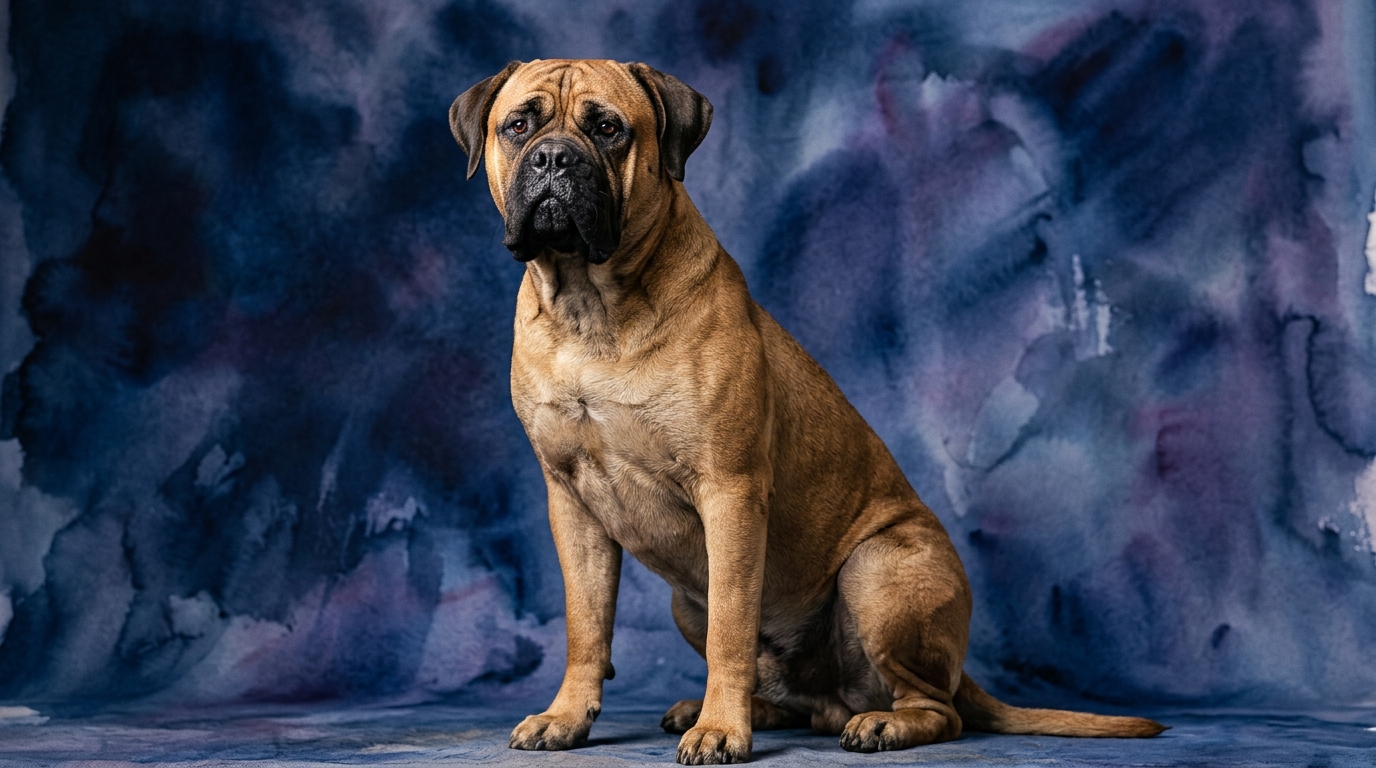
The Bullmastiff, a dog from the Working Group, secures a Coren rank of #69, placing it in the lower-middle tier of obedience and working intelligence. Its Problem Solving score of 3/5 suggests it can navigate moderately complex situations, perhaps figuring out how to deter an unfamiliar presence or retrieve a desired object within a known environment. Training Speed at 3/5 indicates they learn new commands at a steady pace, requiring consistent methods but showing good retention over time. Social Intelligence, also 3/5, implies they can read human and canine cues adequately, understanding household routines and social hierarchies. Their Instinctive Drive at 3/5 points to a moderate inherent inclination for specific tasks, often related to their guarding heritage, which can be channeled with appropriate guidance. Finally, Memory at 3/5 means they recall learned behaviors and experiences reliably, maintaining a stable understanding of their world.
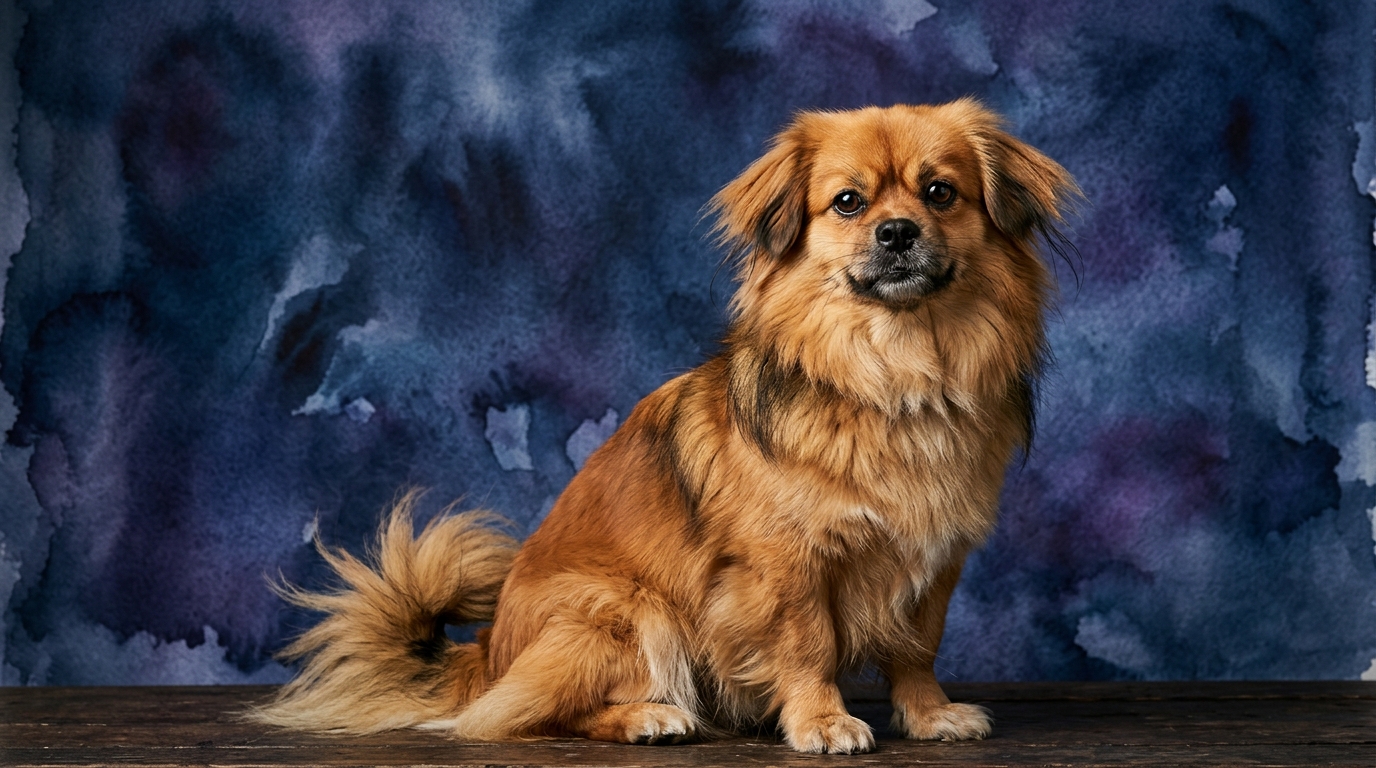
The Tibetan Spaniel, a member of the Non-Sporting Group, does not have a Coren rank, which often indicates a breed whose primary historical role wasn't focused on complex obedience tasks. Despite this, its Pet IQ Lab scores mirror the Bullmastiff's across the board. Its Problem Solving at 3/5 might manifest in cleverly manipulating objects to gain access to a cozy spot or figuring out how to get an owner's attention. Training Speed at 3/5 suggests they grasp commands steadily, though their independent spirit might sometimes make application inconsistent. Social Intelligence, also 3/5, allows them to adeptly read family dynamics and express their needs effectively, often charming their way into favorable positions. Their Instinctive Drive at 3/5 is typically expressed as a keen watchfulness and a desire for companionship, reflecting their historical role as temple companions and alarms. Memory, like the Bullmastiff, stands at 3/5, indicating a good recall for learned routines and social interactions within their environment.
Where the Bullmastiff Shines Cognitively
Despite identical numerical scores, the Bullmastiff's cognitive strengths often lie in applications requiring physical presence and a steadfast resolve. Their 3/5 Problem Solving, for instance, might be more effective in scenarios demanding a physical solution or deterrence, such as strategically positioning themselves to block an unwanted approach or pushing open a gate. Their Instinctive Drive, rooted in guarding, gives them a focused purpose when it comes to assessing and reacting to perceived threats, making their cognitive processing in these situations particularly robust. When a task requires sustained attention and a degree of physical imposingness, the Bullmastiff's cognitive profile, coupled with its physique, provides a clear advantage in scenarios like property oversight or structured protective work.
Where the Tibetan Spaniel Excels Cognitively
The Tibetan Spaniel's cognitive advantages, while also rated 3/5, often manifest in more subtle, socially nuanced ways. Their Problem Solving might be more geared towards navigating complex social dynamics within a household, figuring out how to get a specific treat or to claim the most comfortable spot on the sofa. Their Social Intelligence, though numerically identical, often translates into a superior ability to read human emotions and adapt their behavior to maintain harmony or achieve their own desires through charm. Given their history as companion and watchdogs, their Instinctive Drive is acutely tuned to environmental awareness, making them quick to notice and signal changes, showcasing their cognitive vigilance in a compact form. This makes them particularly adept at subtle communication and adapting to varied social settings.
Training Ease: Behavior Differences in Learning
When it comes to training, the Bullmastiff and Tibetan Spaniel present different challenges despite their identical 3/5 Training Speed. Bullmastiffs, with their independent and often strong-willed nature, require a firm, consistent, and patient handler. While they grasp commands steadily, their sheer size and potential for stubbornness mean that early and continuous socialization and obedience training are crucial to manage their physical power. They are not easily coerced and respond best to positive reinforcement that clearly outlines the desired behavior and its reward, rather than repetitive drills.
The Tibetan Spaniel, conversely, is often described as having a 'cat-like' independence. While their 3/5 Training Speed means they are capable of learning, their attention can be fleeting, and they may decide a command is not worth their effort if a better alternative presents itself. They respond well to engaging, positive reinforcement methods and thrive on variety. Consistency is key, but so is making training fun and rewarding, as they can quickly become bored or simply choose to ignore commands if they perceive them as redundant or uninteresting. Their smaller size makes managing their independence less physically demanding, but their cleverness can make them adept at finding loopholes.
Matching Owners: Active vs. Relaxed Lifestyles
For active owners seeking a canine companion, the Bullmastiff might initially seem a surprising choice given its size, but it can be a good fit for those who enjoy structured, moderate activity. While not built for endurance running, they appreciate daily walks, scent work, and training sessions that engage both their body and their 3/5 problem-solving mind. Owners who are consistent, confident leaders and enjoy purposeful outdoor time will find a rewarding partnership. Their protective instincts also appeal to owners seeking a steadfast guardian.
The Tibetan Spaniel, with its adaptable nature and moderate exercise requirements, is an excellent match for more relaxed owners or those living in smaller spaces. They enjoy short walks, playtime in the yard, and thrive on being central to their family's activities. Their 3/5 social intelligence makes them keen observers and delightful companions, fitting seamlessly into a quiet home life where they can offer alert companionship and enjoy lap time. Owners who appreciate a dog with a keen sense of observation and a charming, independent personality will find the Tibetan Spaniel particularly appealing.
The Verdict
Choose a Bullmastiff if you seek a powerful, protective companion capable of steady learning and purposeful engagement, and you are prepared for consistent, firm training and moderate activity. They are ideal for owners who appreciate a dog with a strong presence and dedicated loyalty.
Opt for a Tibetan Spaniel if you desire an alert, charming, and adaptable companion who thrives on social interaction and moderate activity, fitting well into a more relaxed household. They suit owners who enjoy a dog with an independent spirit and a keen observational intellect.
🧠 Find Your Pet's IQ Score
Our Pet IQ Lab assessment covers 25+ tests across 5 cognitive dimensions — personalized to your breed.
Take the Full IQ Test →Frequently Asked Questions
Do Bullmastiffs learn quickly?
Bullmastiffs have a training speed rating of 3/5, meaning they learn new commands at a steady, moderate pace. They require consistent training methods and patience, as their strong will can sometimes make them appear slow to respond, but they retain information well.
Are Tibetan Spaniels good at solving problems?
Tibetan Spaniels score 3/5 in problem-solving, indicating a good capacity for navigating challenges. They often use their cleverness to achieve desired outcomes, such as getting attention or finding comfortable spots, rather than complex analytical tasks.
Which breed is better for first-time dog owners?
Neither breed is typically recommended for absolute first-time owners without prior research and commitment to training. The Bullmastiff's size and potential for stubbornness demand confident handling, while the Tibetan Spaniel's independence requires patience and consistent, engaging training methods to prevent selective hearing.