The Cosmic Pet IQ Lab: Burmese vs. Japanese Bobtail
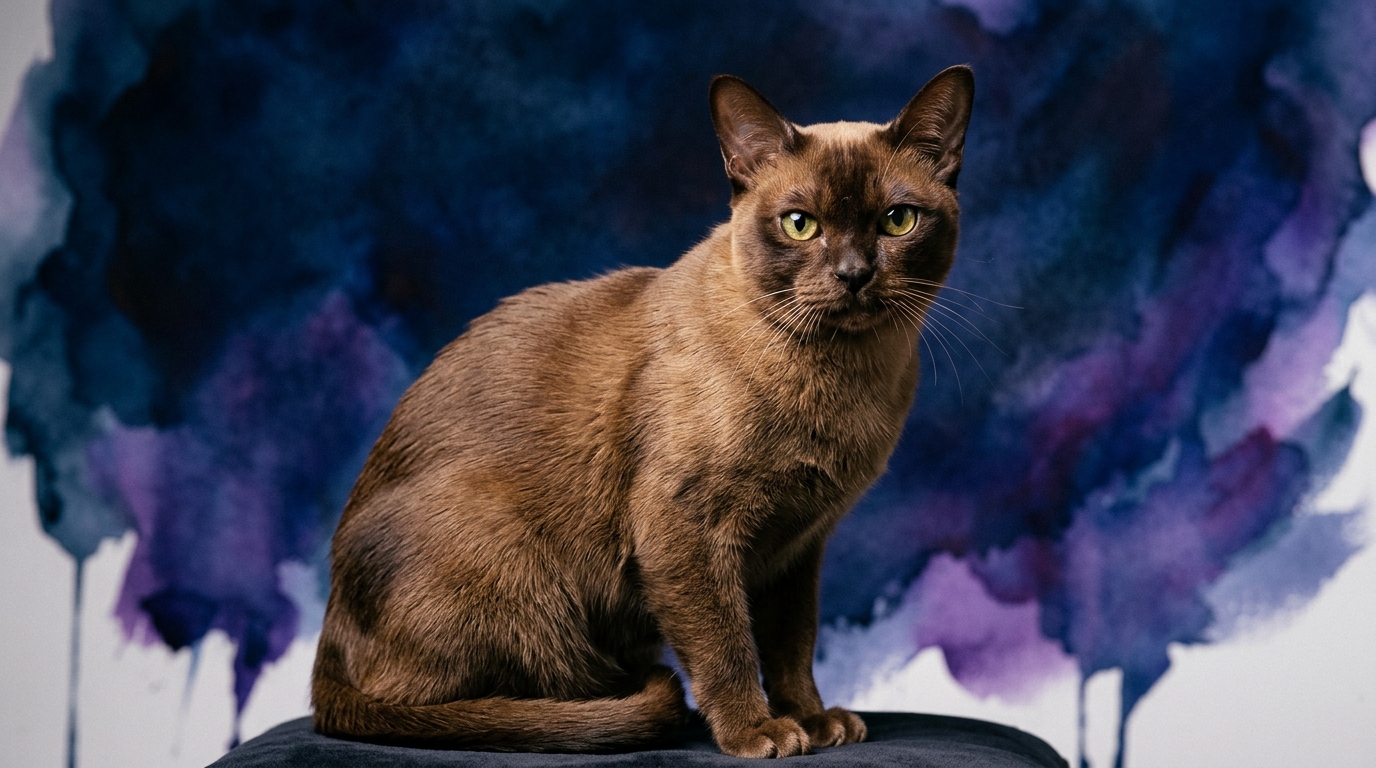
The Cosmic Pet IQ Lab assesses feline intelligence across five crucial dimensions, providing a nuanced understanding of each breed's cognitive strengths. For the Burmese, a breed celebrated for its engaging personality, we observe robust scores: Problem Solving 4/5, Training Speed 5/5, Social Intelligence 5/5, Instinctive Drive 3/5, and Memory 4/5. These metrics paint a picture of a perceptive, highly adaptable, and deeply interactive companion.
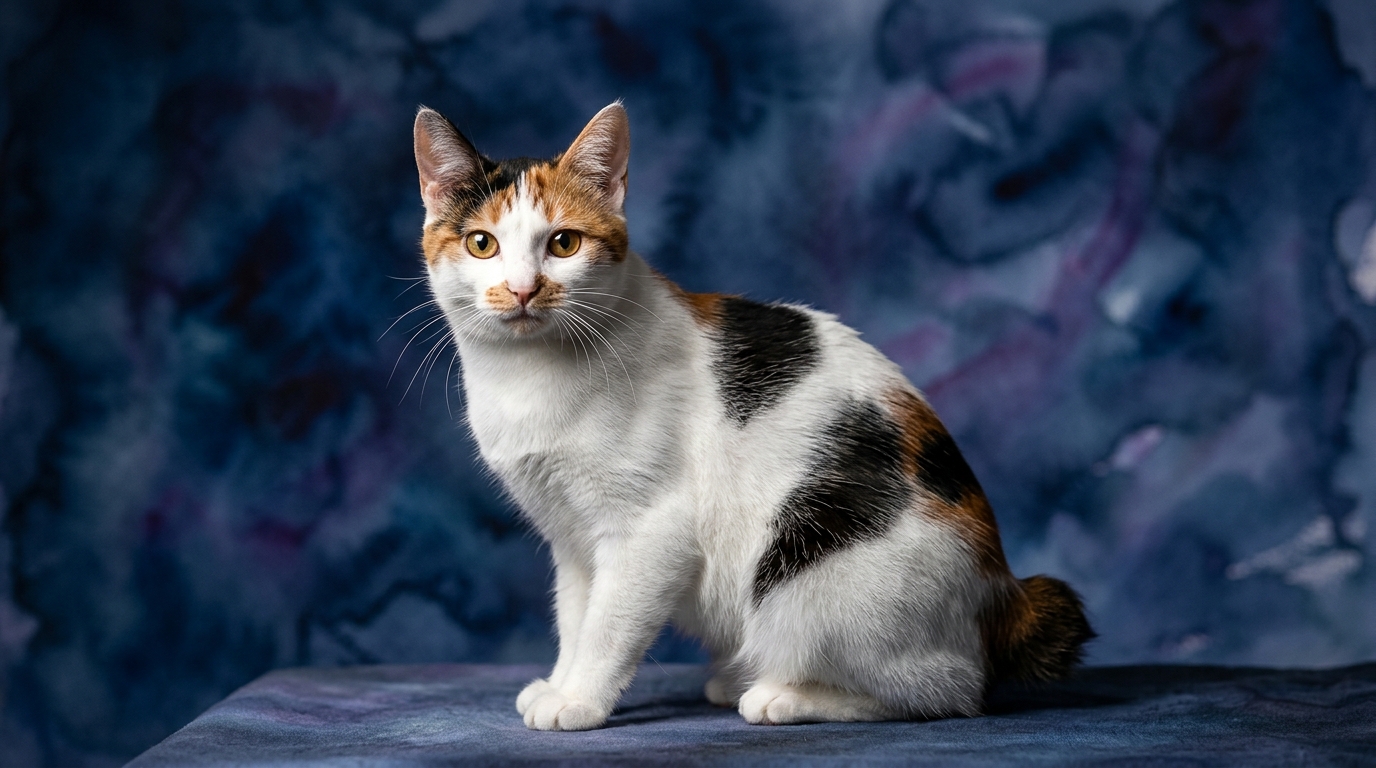
In contrast, the Japanese Bobtail, known for its distinctive bobbed tail and often playful demeanor, exhibits a more uniformly moderate set of cognitive traits. Its IQ Lab scores are: Problem Solving 3/5, Training Speed 3/5, Social Intelligence 3/5, Instinctive Drive 3/5, and Memory 3/5. This profile suggests a cat that is capable and affectionate, but perhaps operates with a different cognitive emphasis compared to the more intensely driven Burmese.
Delving into these scores, the Burmese's 4/5 in Problem Solving indicates a cat adept at navigating complex situations, often displaying ingenuity in figuring out how to access desired items or areas. Its 5/5 Training Speed highlights a remarkable capacity for rapid learning, absorbing new commands and routines with impressive efficiency. The 5/5 in Social Intelligence reflects a profound ability to interpret human cues, form strong bonds, and engage in sophisticated communication. Their 3/5 Instinctive Drive suggests a moderate predatory instinct, balanced with a strong desire for interaction, while their 4/5 Memory allows them to recall routines, people, and learned behaviors with clarity.
For the Japanese Bobtail, a 3/5 in Problem Solving signifies a practical intelligence, capable of understanding basic routines and solving straightforward challenges, though perhaps less inclined towards intricate puzzles. Their 3/5 Training Speed means they are certainly trainable, responding well to consistent, positive reinforcement, albeit at a more measured pace. A 3/5 in Social Intelligence indicates they are affectionate and enjoy companionship, expressing their devotion in a clear, straightforward manner without the same level of complex emotional interpretation as the Burmese. With a 3/5 Instinctive Drive, they exhibit typical cat playfulness and hunting behaviors, and their 3/5 Memory allows them to remember their human companions and daily schedules reliably, contributing to their reputation as stable and comforting presences.
Where the Burmese Excels Cognitively
The Burmese cat consistently demonstrates a cognitive edge in areas demanding high levels of adaptability, rapid learning, and profound social engagement. Their 4/5 Problem Solving score means they often display a remarkable knack for overcoming environmental obstacles, such as figuring out how to open cupboard doors, operate certain types of cat toys, or even manipulate simple latches to access preferred spaces. This translates into a cat that can be surprisingly resourceful and persistent when pursuing a goal, requiring owners to provide ample mental enrichment to prevent boredom-induced mischief.
The standout 5/5 Training Speed of the Burmese is truly exceptional, allowing them to quickly grasp complex commands and routines. Owners often report that Burmese cats can be taught to fetch, walk on a leash, or even perform various tricks with relative ease, making them highly rewarding for those who enjoy interactive training sessions. Their eager-to-please nature, combined with this rapid learning capacity, means they can integrate new behaviors into their repertoire with impressive swiftness.
Furthermore, the Burmese's 5/5 Social Intelligence is a defining cognitive strength. These cats exhibit a deep understanding of human emotions and social dynamics, often seeking out interaction and responding actively to their owners' moods. They are known for their communicative nature, using a variety of vocalizations and body language to express their desires and affection. This makes them incredibly responsive and involved family members, capable of forming exceptionally close and nuanced bonds, almost anticipating their human companions' needs and desires.
Distinct Cognitive Strengths of the Japanese Bobtail
While the Japanese Bobtail’s scores are consistently moderate compared to the Burmese’s higher marks, their balanced cognitive profile presents its own set of unique strengths, particularly for owners seeking a predictable and content companion. The Japanese Bobtail's 3/5 in Problem Solving means they are perfectly capable of navigating their environment and understanding routine tasks without exhibiting the intense curiosity or drive to deconstruct every new challenge that a higher problem-solver might. This can be a benefit for owners who prefer a cat less prone to intricate mischief or constant exploration of forbidden territories.
Their 3/5 Training Speed, while not as rapid as the Burmese, indicates a steady and reliable capacity for learning. Japanese Bobtails respond very well to consistent, positive reinforcement, making them amenable to learning house rules, litter box routines, and even simple commands over time. Their learning process is often characterized by a calm focus, allowing them to internalize lessons without becoming overwhelmed, which can be ideal for first-time cat owners or those who prefer a more gradual training approach.
The Japanese Bobtail’s 3/5 Social Intelligence translates to a wonderfully affectionate and present companion, though perhaps less demanding in its social interactions than the Burmese. They enjoy being part of the family, often engaging in gentle play and seeking out lap time, but without the intense, almost conversational back-and-forth that a 5/5 social cat might offer. This makes them excellent companions for those who appreciate clear, uncomplicated expressions of affection and a steady, comforting presence, rather than constant, high-energy social engagement. Their memory, also at 3/5, is sufficient for remembering their family and routines, providing a stable and familiar presence in the home.
Training Ease: Burmese vs. Japanese Bobtail
When it comes to ease of training, the Burmese cat holds a distinct advantage due to its exceptional 5/5 Training Speed and 5/5 Social Intelligence. Their eagerness to engage with humans and their remarkable capacity for rapid learning mean they often pick up new behaviors and commands with astonishing speed. Burmese cats frequently enjoy the mental stimulation of training and respond very positively to reward-based methods, making them ideal candidates for learning tricks, leash training, or even participating in agility courses. Their desire to interact and please their owners significantly streamlines the training process.
The Japanese Bobtail, with its 3/5 Training Speed, is certainly trainable but requires a more patient and consistent approach. They respond best to clear, repetitive training sessions and thrive on positive reinforcement, but they may take longer to fully grasp and reliably perform new commands. While they enjoy interaction, their social drive isn't as intense as the Burmese, meaning they might not be as motivated by the sheer act of pleasing their owner. Owners of Japanese Bobtails should be prepared for a steady, incremental training journey, focusing on consistency over speed, to achieve desired results.
Ideal Owners: Active vs. Relaxed Lifestyles
Considering their distinct cognitive profiles, the Burmese cat is an excellent match for active owners who relish deep interaction and are prepared to provide significant mental and physical stimulation. Their high Problem Solving and Social Intelligence scores mean they thrive in environments where they are consistently engaged through play, training, and social interaction. A Burmese might become bored or even destructive if left without sufficient mental challenges or human companionship, making them perfect for individuals or families who are home often and enjoy an involved pet. They are not merely decorative companions; they are active participants in household life.
Conversely, the Japanese Bobtail's balanced and moderate scores make it an ideal companion for more relaxed owners who appreciate a steady, affectionate presence without requiring constant, intense engagement. While they certainly enjoy playtime and cuddles, their cognitive profile suggests they are content with a predictable routine and regular, but not overwhelmingly demanding, interaction. They adapt beautifully to calm home environments and are less likely to seek out intricate challenges or demand constant attention, making them a wonderfully serene and comforting addition to a household that values quiet companionship and gentle play.
The Verdict
Choose the Burmese if you seek a highly interactive, quick-learning, and socially sophisticated feline companion who thrives on engagement and mental stimulation.
Opt for the Japanese Bobtail if you prefer a calmly affectionate, predictable, and steadily trainable cat who enjoys a more relaxed pace and consistent routines.
🧠 Find Your Pet's IQ Score
Our Pet IQ Lab assessment covers 25+ tests across 5 cognitive dimensions — personalized to your breed.
Take the Full IQ Test →Frequently Asked Questions
Are Burmese cats more vocal than Japanese Bobtails?
Yes, Burmese cats, with their 5/5 Social Intelligence, are typically known for being quite vocal and communicative, often engaging in 'conversations' with their owners. Japanese Bobtails are also communicative but generally less intensely vocal, expressing themselves clearly but perhaps with less frequency.
Can Japanese Bobtails learn tricks despite a lower training speed?
Absolutely, Japanese Bobtails can certainly learn tricks; their 3/5 Training Speed means they will benefit from consistent, patient training sessions using positive reinforcement. While they might take longer to master new commands than a Burmese, their steady learning capacity ensures they can become quite adept with dedication.
Which breed is generally better with children and other pets?
Both breeds can be good with children and other pets, but their approaches differ. The Burmese, with its 5/5 Social Intelligence, often integrates seamlessly, actively seeking interaction and adapting well to the dynamics of a busy household. The Japanese Bobtail, with its 3/5 Social Intelligence, is typically affectionate and tolerant, enjoying companionship in a calmer, more predictable manner and usually thriving in a stable family environment.