Side-by-Side Cognitive Profiles
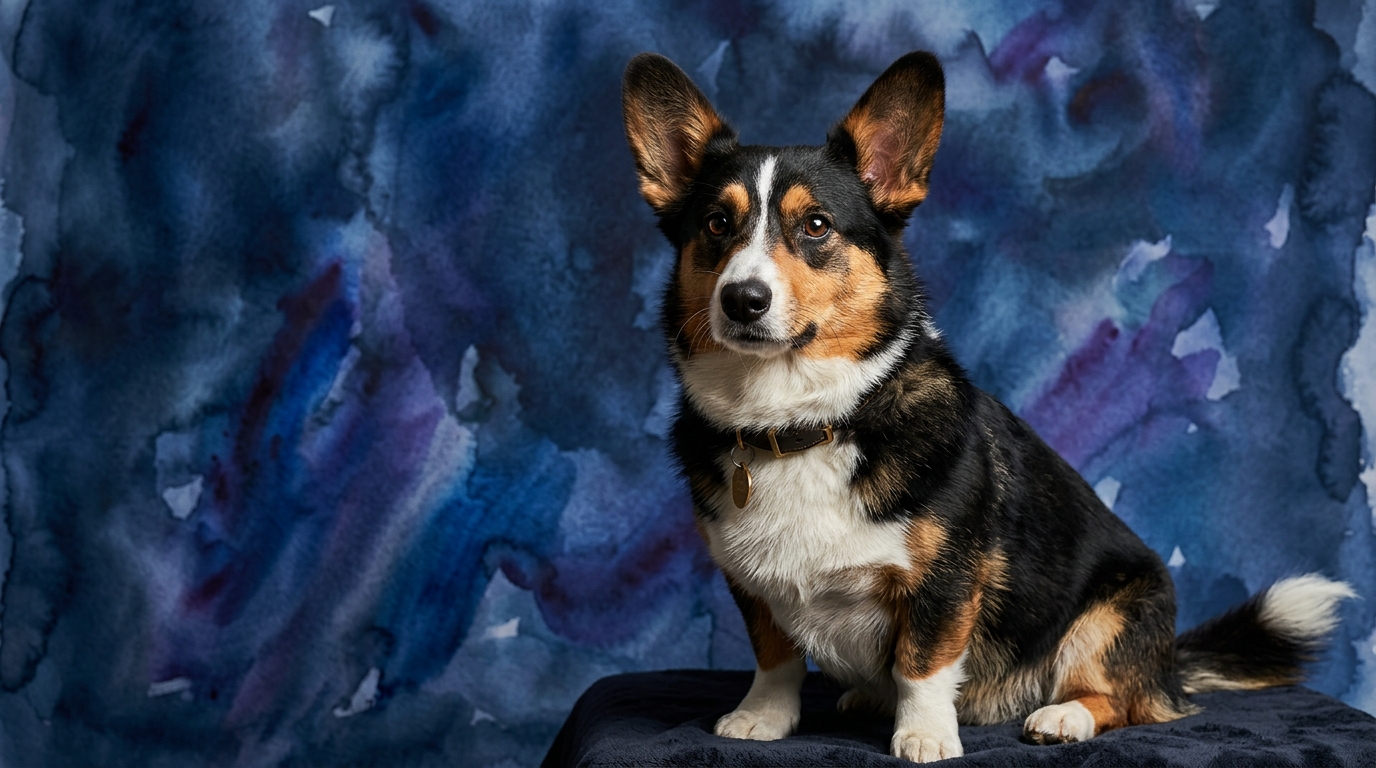
The Cardigan Welsh Corgi, a member of the Herding group, boasts a Coren rank of #26, signifying its strong aptitude for working and obedience intelligence. Its cognitive profile includes a Problem Solving score of 4/5, indicating an adeptness at navigating complex scenarios and devising solutions. This breed exhibits a Training Speed of 4/5, reflecting a quick grasp of new commands, and a Memory score of 4/5, ensuring learned behaviors are retained effectively. Their Social Intelligence stands at 3/5, suggesting a moderate understanding of group dynamics, while their Instinctive Drive, also 3/5, points to a manageable yet present herding impulse.
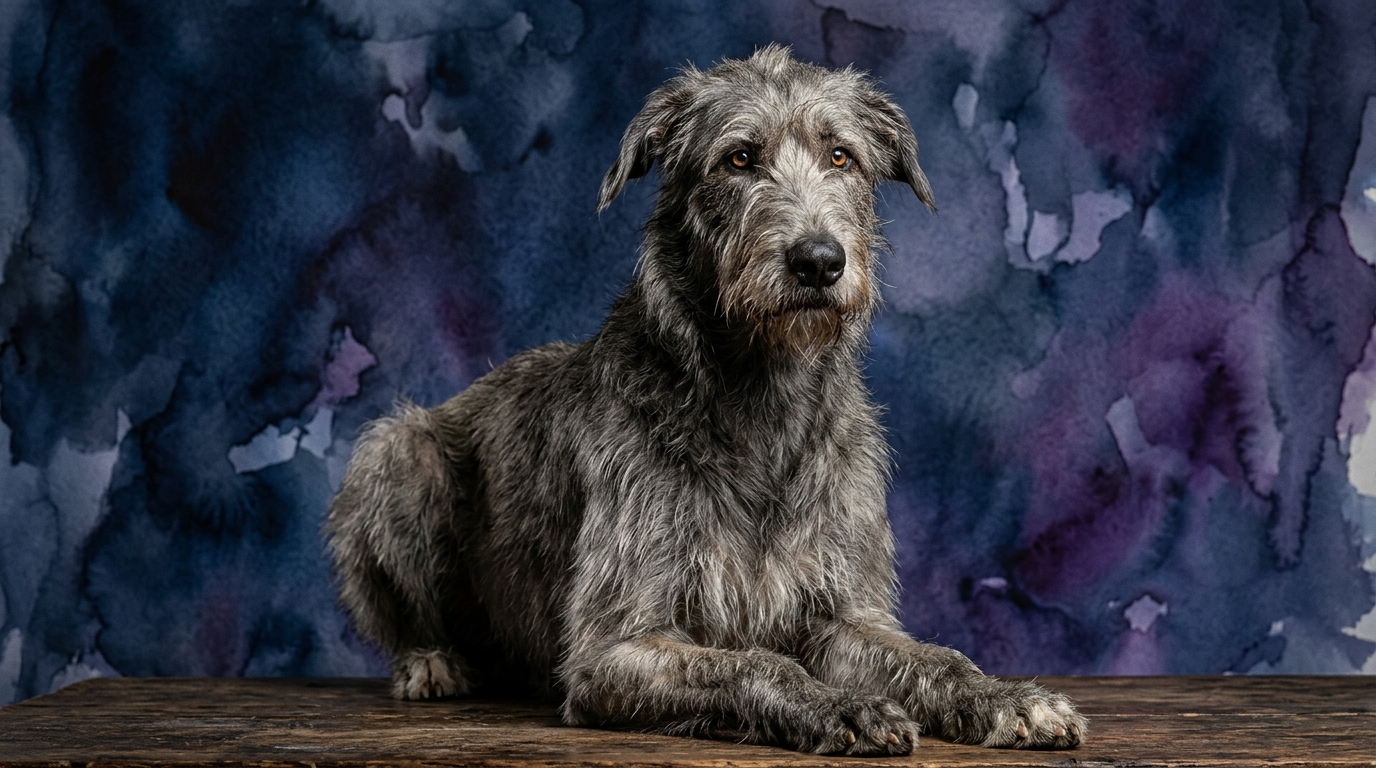
In contrast, the Irish Wolfhound, a Sighthound, is not Coren-ranked, which underscores its historical role focused on independent pursuit rather than complex obedience. Its cognitive dimensions show a Problem Solving score of 3/5, indicating a practical approach to challenges that is less about intricate strategizing. Training Speed is 3/5, meaning they learn steadily with consistent reinforcement. Their Social Intelligence is 3/5, manifesting as a gentle and tolerant disposition, and their Instinctive Drive is 3/5, retaining a sighthound's prey drive for moving objects. Memory is also rated at 3/5, suggesting reliable recall for familiar routines and people, though perhaps not with the same immediacy as the Corgi.
Where the Cardigan Welsh Corgi Excels Cognitively
The Cardigan Welsh Corgi's cognitive profile shines brightest in areas demanding quick uptake and strategic thinking. Their Problem Solving score of 4/5 reflects a breed that doesn't just react but actively assesses situations and devises solutions. This stems from their heritage as herders, where they needed to outmaneuver livestock, anticipating movements and adjusting their approach on the fly. This translates into a dog capable of opening latches, figuring out puzzle toys, or even subtly manipulating their environment to achieve a desired outcome, like gaining access to a favorite toy.
Further bolstering their cognitive edge is their Training Speed (4/5) and Memory (4/5). A Corgi often grasps new commands with remarkable alacrity, processing instructions and associating them with actions efficiently. Their robust memory ensures that once a lesson is learned, it tends to stick, allowing for a broad repertoire of behaviors and a high degree of reliability in command execution. This combination makes them particularly receptive to advanced obedience, agility, or even trick training, where layered commands and sequence recall are paramount. Their position at #26 on Coren's list further underscores their aptitude for formal learning and obedience.
Where the Irish Wolfhound Excels Cognitively
While the Irish Wolfhound's scores may be numerically lower in some dimensions, their cognitive strengths lie in areas that contribute to their unique temperament and historical utility. Their Social Intelligence (3/5), for instance, manifests as a profound gentleness and tolerance. They are not prone to overly complex social maneuvering but excel in forming deep, stable bonds with their family, often displaying a patient and intuitive understanding of human emotions. This isn't about solving a puzzle, but about navigating social interactions with a serene, compassionate presence.
Their Instinctive Drive (3/5), rooted in sighthound history, means they possess an inherent capacity for independent action and focused pursuit when a specific stimulus triggers it. Unlike herders who work closely with human direction, Wolfhounds historically made swift, autonomous decisions during a hunt. This independence, while requiring careful management in modern life, reflects a cognitive ability to assess a situation and act decisively on their own, rather than constantly seeking human input. Their Problem Solving (3/5) is often practical and direct; they might not devise intricate schemes but can efficiently navigate physical spaces or overcome simple barriers with persistence and their formidable physical presence. Their calm demeanor, even when faced with novel situations, suggests a cognitive resilience that allows them to process stimuli without excessive reactivity.
Training Aptitude: Corgi vs. Wolfhound
When evaluating ease of training, the Cardigan Welsh Corgi generally presents a more straightforward experience for owners, primarily due to their superior Training Speed (4/5) and Memory (4/5). Corgis, as herding dogs, were historically bred to respond quickly to human commands and work in close partnership. This genetic predisposition means they often pick up new cues rapidly and retain them with minimal refreshers. Their eagerness to please and inherent drive to perform tasks makes them highly amenable to positive reinforcement methods, quickly forming associations between actions and rewards. This cognitive agility allows them to progress through obedience levels more swiftly and master complex sequences of commands, making them a popular choice for competitive dog sports.
The Irish Wolfhound, with a Training Speed and Memory score of 3/5, requires a different approach. Their sighthound heritage instilled a degree of independent thinking; they were bred to spot prey and pursue it autonomously, not to constantly look to a human for the next instruction. This translates into a training process that demands patience, consistency, and clear, calm communication. While they are certainly capable of learning and retaining commands, they may take longer to solidify new behaviors and might not display the same intense desire to perform for human approval. Their training isn't harder because they lack capacity, but because their cognitive wiring leans towards self-reliance rather than constant collaboration.
Owner Suitability: Active vs. Relaxed Lifestyles
For owners seeking an actively engaged canine partner who thrives on mental challenges and structured activities, the Cardigan Welsh Corgi is often the more suitable choice. Their 4/5 scores in Problem Solving, Training Speed, and Memory indicate a dog that benefits immensely from regular training sessions, puzzle toys, and opportunities to use their cognitive prowess. They are content when given a 'job' to do, whether it's learning new tricks, participating in agility, or even just solving daily household 'problems' like finding hidden treats. Owners who enjoy dedicating time to consistent training and providing varied mental enrichment will find the Corgi a highly responsive and rewarding companion.
Conversely, the Irish Wolfhound often aligns better with relaxed owners who appreciate a calm, dignified presence and are comfortable with a more independent companion. While they still require appropriate exercise, their cognitive profile doesn't demand the same intense, constant mental stimulation as the Corgi. Their Social Intelligence (3/5) ensures they are gentle and tolerant family members, content to observe and be part of the household rhythm without needing to constantly be 'on.' Owners who value a serene home environment and are prepared for a dog that learns at its own pace, focusing on building a deep, quiet bond, will find the Wolfhound a profoundly loyal and majestic companion. They are ideal for those who prefer a companion whose intelligence manifests more in their gentle wisdom and calm presence than in their eagerness to perform tricks.
The Verdict
Choose the Cardigan Welsh Corgi if you're an active owner seeking a highly responsive, mentally agile companion eager for training, problem-solving, and a structured partnership.
Opt for the Irish Wolfhound if you desire a calm, gentle giant who offers a serene presence and independent companionship, thriving in a patient, relaxed household.
🧠 Find Your Pet's IQ Score
Our Pet IQ Lab assessment covers 25+ tests across 5 cognitive dimensions — personalized to your breed.
Take the Full IQ Test →Frequently Asked Questions
Is the Corgi truly smarter than the Wolfhound?
The term 'smarter' is subjective and depends on the context. The Cardigan Welsh Corgi excels in problem-solving, training speed, and memory, making them adept at tasks requiring quick learning and obedience. The Irish Wolfhound's intelligence manifests differently, emphasizing independence, social gentleness, and practical problem-solving, rather than complex obedience.
How does the Coren ranking affect this comparison?
Coren's ranking primarily assesses 'working and obedience intelligence,' which measures a breed's ability to learn and execute human commands. The Cardigan Welsh Corgi's #26 rank reflects its strong aptitude in this area. The Irish Wolfhound, not being Coren-ranked, indicates its historical role focused more on independent hunting rather than direct, complex human obedience, which doesn't diminish its cognitive capacities in other dimensions.
Do Irish Wolfhounds need less mental stimulation?
While Irish Wolfhounds don't typically demand the same intensity of complex mental puzzles or constant task-oriented training as a Corgi, they still benefit from appropriate mental engagement. This might include scent work, exploring new environments, or gentle training sessions, focusing on building a calm and confident demeanor rather than rapid skill acquisition.