Side-by-Side Cognitive Profiles: Corgi vs. Elkhound
The Cosmic Pet Pet IQ Lab's assessment offers a granular look at the cognitive make-up of these two distinct breeds, revealing where their comparable scores manifest in unique ways.
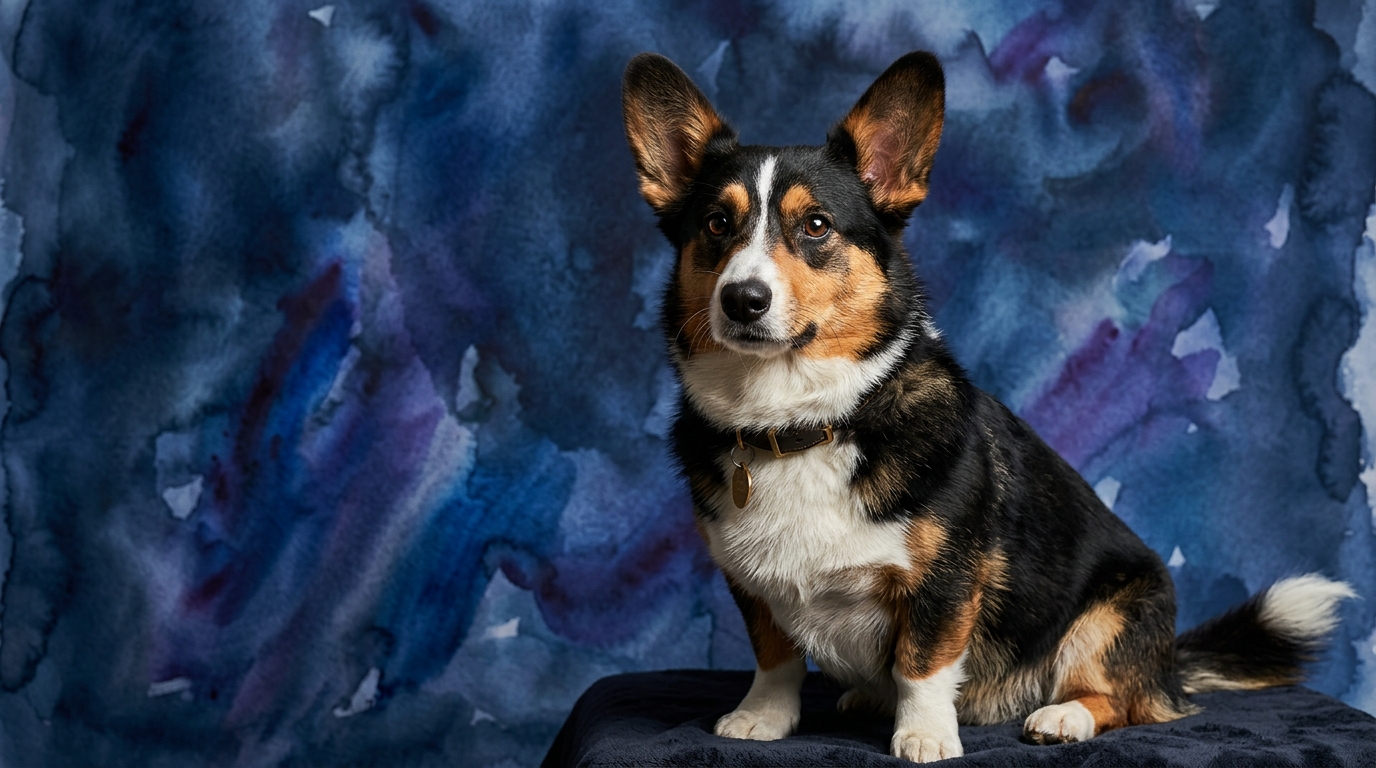
**Cardigan Welsh Corgi (Herding Group, Coren Rank #26):** This breed’s cognitive profile is deeply rooted in its history as a cattle herder, requiring both independent action and close collaboration. Their **Problem Solving (4/5)** reflects an ability to anticipate livestock movement and make quick, strategic decisions to guide them effectively, often without direct human command. **Training Speed (4/5)** indicates a rapid grasp of new commands, driven by their need for a close working partnership. Their **Social Intelligence (3/5)** focuses on interpreting handler cues and understanding their role within a family unit, rather than broad social charm. The **Instinctive Drive (3/5)** is primarily channeled into herding behaviors—circling, nipping heels—controlled and directed by their work. A strong **Memory (4/5)** is vital for retaining commands, routines, and spatial information within their working environment.
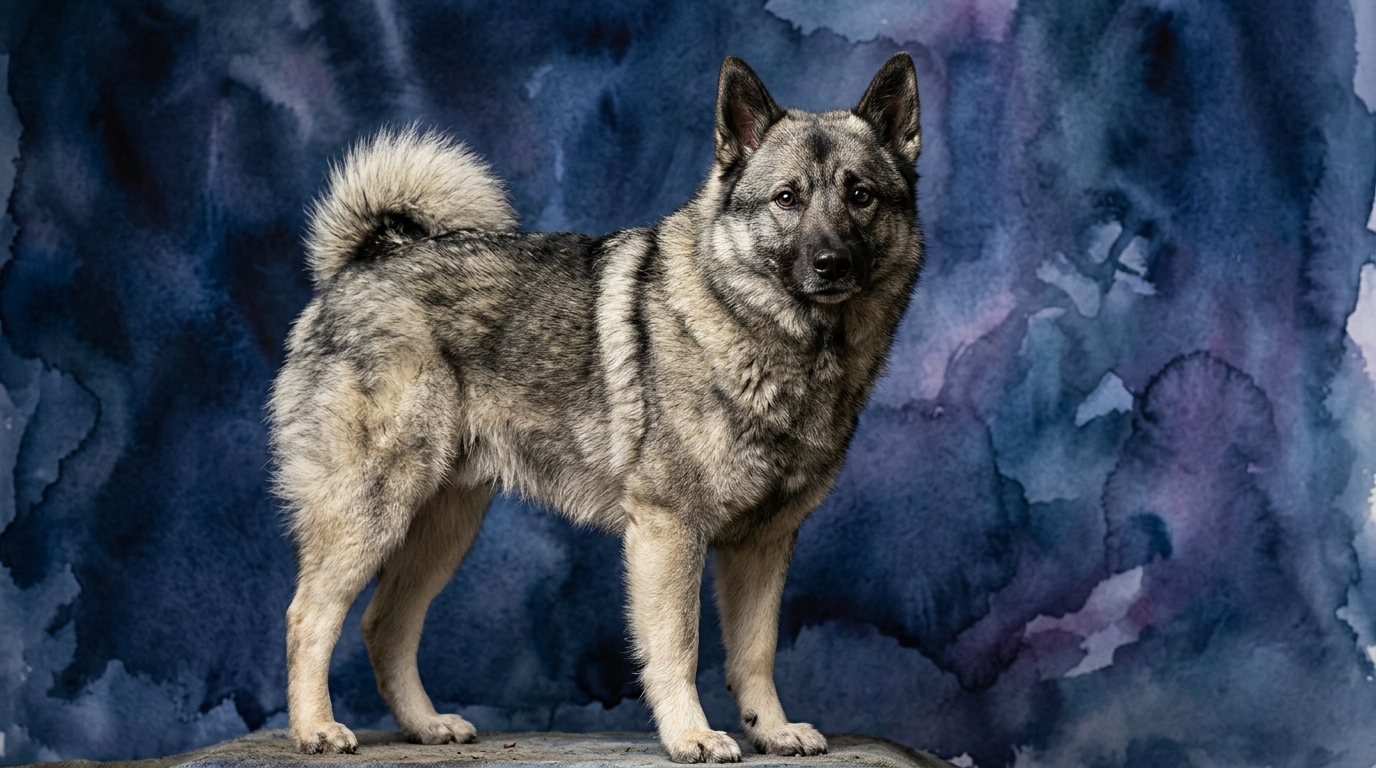
**Norwegian Elkhound (Hound Group, Coren Rank #36):** The Elkhound’s intelligence is shaped by centuries of independent hunting in challenging Scandinavian terrain. Their **Problem Solving (4/5)** is geared towards autonomous navigation, deciphering complex scent trails, and making self-initiated decisions to locate game far from a human. Their **Training Speed (4/5)** means they learn concepts quickly, particularly those aligned with their natural drives, though their independence can influence consistent application. **Social Intelligence (3/5)** for an Elkhound translates to fierce loyalty to their family pack but often a reserved demeanor with strangers, a trait beneficial for a focused hunting companion. Their **Instinctive Drive (3/5)** is profoundly tied to tracking, baying, and endurance, manifesting as a powerful, persistent desire to follow scents and explore. An excellent **Memory (4/5)** serves them well in recalling scent patterns, past hunting grounds, and complex geographical information crucial for independent exploration and work.
Where the Cardigan Welsh Corgi Excels Cognitively
Despite similar raw scores, the Cardigan Welsh Corgi often demonstrates a cognitive advantage in specific applications requiring direct, interactive partnership. Their herding heritage has cultivated a unique balance of independent thought and handler responsiveness. A Corgi excels at anticipating a human's next move, reading subtle body language, and adjusting their actions in real-time, making them remarkably adept at activities like agility, obedience, and even service work where close collaboration is paramount. Their problem-solving, while highly rated, is frequently applied to dynamic, rapidly changing situations that demand immediate, precise adjustments in coordination with a human partner, such as guiding livestock through a specific gate. This acute situational awareness and intrinsic desire for cooperative success give them a distinct edge in tasks demanding constant communication and shared objectives.
Where the Norwegian Elkhound Excels Cognitively
The Norwegian Elkhound's cognitive strengths shine brightest in scenarios demanding sustained independence and sensory-driven problem-solving. Their hunting heritage has honed a profound ability to interpret environmental cues, particularly scent, over vast distances and extended periods. While the Corgi excels at immediate, cooperative problem-solving, the Elkhound's intelligence is geared towards self-directed exploration and persistent pursuit of a goal, often with minimal human intervention. Their memory is exceptional for recalling complex scent trails and geographical landmarks, allowing them to navigate and track with impressive accuracy. This breed's enduring focus and autonomous decision-making in the field, coupled with their physical stamina, means they excel at tasks like search and rescue, tracking, and endurance sports where an independent, driven mind is more valuable than constant handler interaction.
Ease of Training: Corgi's Responsiveness vs. Elkhound's Independence
While both breeds score a 4/5 in Training Speed, the *nature* of their trainability diverges significantly due to their intrinsic motivations. The Cardigan Welsh Corgi, as a herding dog, historically needed to be highly attuned to human commands and eager to please its handler to effectively manage livestock. This inherent desire for partnership often translates into a more responsive and generally 'easier' training experience for typical obedience, tricks, or structured sports. They thrive on positive reinforcement and clear communication, showing a strong willingness to perform for their human. In contrast, the Norwegian Elkhound's hunting legacy fosters a strong independent streak. While they learn quickly, their primary motivation is often the pursuit of a scent or the satisfaction of an autonomous task. This can mean they might be quick to grasp a command but equally quick to decide that following a compelling scent trail is more rewarding than a 'sit-stay.' Training an Elkhound often requires more patience, creativity, and a deep understanding of their prey drive, channeling it into productive activities rather than expecting constant, unwavering obedience in the face of strong environmental distractions. For a novice owner seeking a straightforward obedience partner, the Corgi typically presents fewer challenges.
Matching Canine Cognition to Owner Lifestyle
The choice between a Cardigan Welsh Corgi and a Norwegian Elkhound also depends heavily on an owner's lifestyle and activity levels. The Cardigan Welsh Corgi, despite its short stature, is a robust and active herding dog requiring consistent mental stimulation and moderate physical exercise. They thrive with owners who can engage them in daily walks, puzzle toys, and short bursts of activity like fetch or agility. While they can adapt to apartment living with sufficient engagement, they are not suited for entirely sedentary households. Their cognitive needs demand interaction and purpose. The Norwegian Elkhound, however, is built for endurance and sustained activity. As a hunting breed, they possess immense stamina and a deep-seated need for vigorous exercise that challenges both their body and their keen sense of smell. They are ideal for highly active owners who enjoy long hikes, running, or participating in dog sports like canicross or tracking. A relaxed owner who cannot provide consistent outlets for their Elkhound's physical and mental energy will likely encounter a bored, potentially destructive companion. Both breeds require engagement, but the Elkhound's needs are far more pronounced in terms of duration and intensity.
The Verdict
Choose the Cardigan Welsh Corgi if you seek a highly cooperative, responsive companion eager to engage in structured activities and thrives on close human partnership, adapting well to a moderately active lifestyle.
Opt for the Norwegian Elkhound if you are an adventurous, highly active individual who cherishes an independent companion with a profound drive for exploration and sustained physical challenges, particularly those involving scent work.
🧠 Find Your Pet's IQ Score
Our Pet IQ Lab assessment covers 25+ tests across 5 cognitive dimensions — personalized to your breed.
Take the Full IQ Test →Frequently Asked Questions
Do Cardigan Welsh Corgis require a lot of mental stimulation?
Absolutely. Their herding background means they possess an active mind that needs regular challenges. Without sufficient mental engagement through training, puzzle toys, or interactive games, they can become bored and potentially develop undesirable behaviors.
Are Norwegian Elkhounds good off-leash dogs?
Due to their strong hunting drive and exceptional scenting abilities, Norwegian Elkhounds are generally not recommended for off-leash activities in unfenced areas. Their instinct to follow a compelling scent can override training, leading them to wander far from their owner.
How do their Coren ranks (26 vs 36) reflect their practical intelligence?
While both ranks place them in the 'excellent working dog' category, the Corgi's slightly higher rank suggests a marginally quicker grasp of new commands and greater obedience reliability in a general context. The Elkhound, though quick to learn, might require more motivation to consistently apply that learning in situations that don't align with their strong independent hunting instincts.