Side-by-Side IQ Profile: Herding Wit vs. Sighthound Instinct
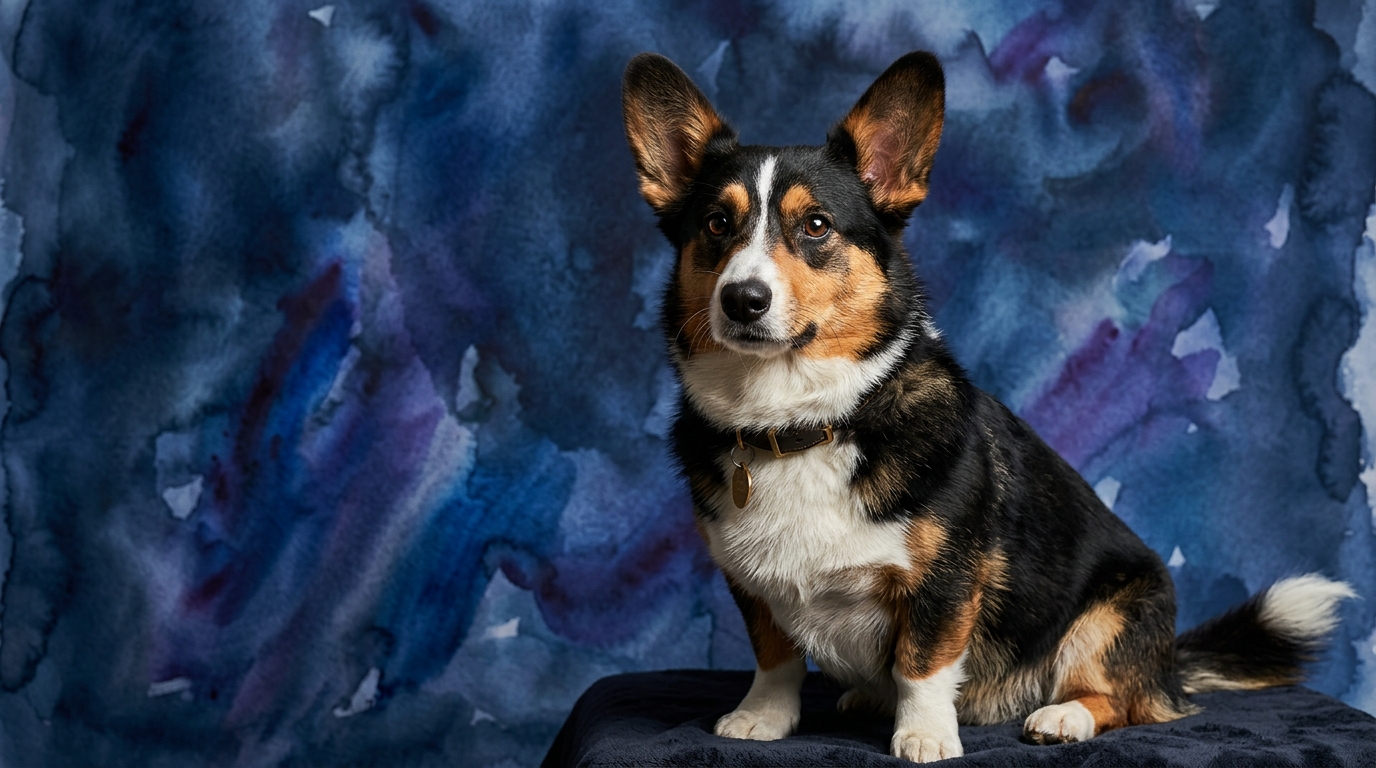
The Cardigan Welsh Corgi, a heritage herding breed, presents a robust cognitive profile tailored for intricate tasks. Our Pet IQ Lab assessment rates their Problem Solving at 4/5, reflecting their capacity to strategize and manipulate their environment, a trait vital for managing livestock. Their Training Speed is also high at 4/5, indicating a quick grasp of commands and routines, eager to collaborate. Social Intelligence stands at 3/5, suggesting a moderate understanding of human cues and group dynamics, while their Instinctive Drive, at 3/5, points to a moderate inherent inclination towards their ancestral work. Memory, crucial for recalling complex herding patterns and learned tasks, scores an impressive 4/5, aligning with their Coren rank of #26.
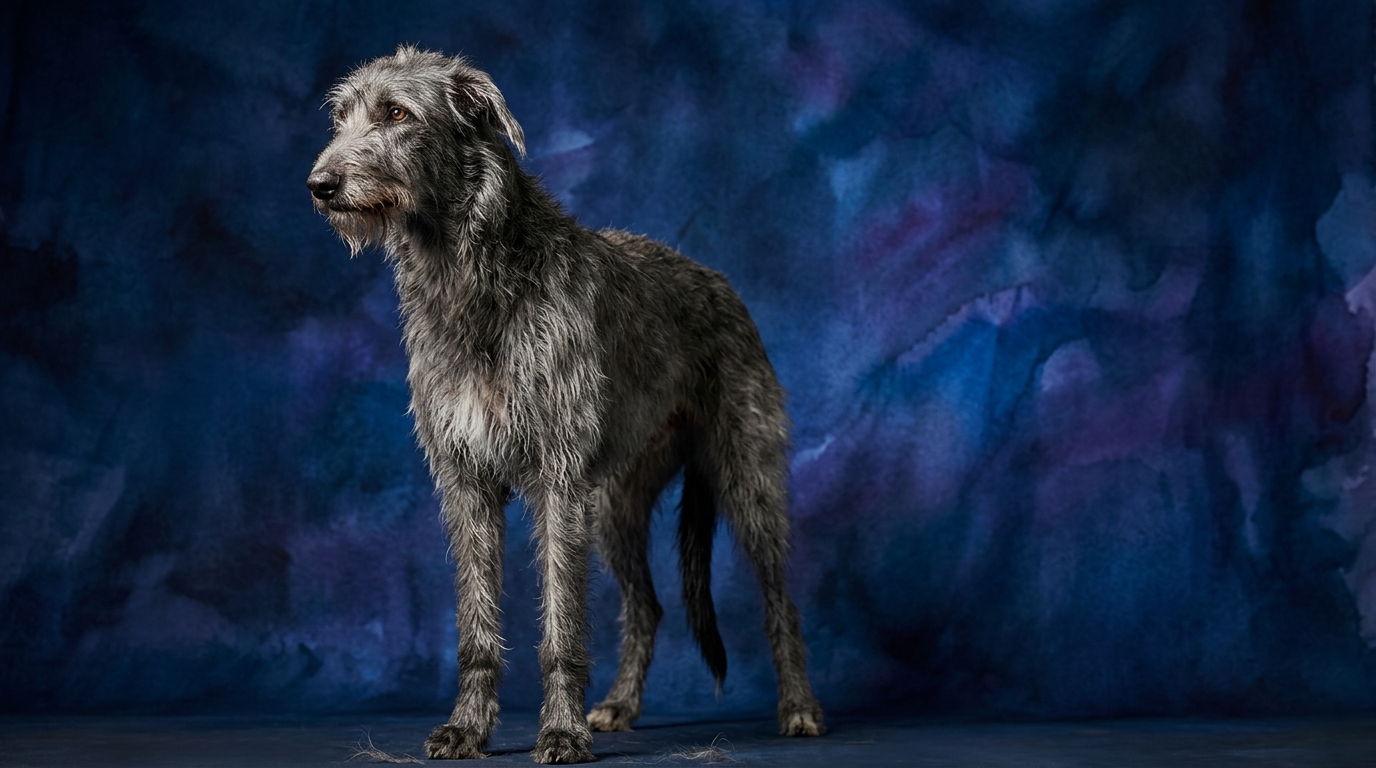
In stark contrast, the Scottish Deerhound, a majestic sighthound, showcases a cognitive design optimized for independent pursuit and keen observation. While not Coren-ranked, our IQ assessment reveals a different set of strengths. Their Problem Solving is rated 3/5, indicating competence in navigating challenges, particularly those related to their hunting purpose. Training Speed is 3/5, suggesting they learn at a steady pace but might require more motivation or repetition than a herding breed. Social Intelligence also registers 3/5, demonstrating an awareness of their human companions without the same collaborative intensity. Instinctive Drive, at 3/5, strongly emphasizes their inherent drive to spot and chase, while Memory, at 3/5, is sufficient for retaining crucial hunting information and familiar routines, though perhaps not the complex sequences a herder requires.
Where the Cardigan Welsh Corgi Excels Cognitively
The Cardigan Welsh Corgi’s cognitive strengths are deeply rooted in its herding heritage, emphasizing collaboration and intricate task execution. With a Problem Solving score of 4/5, they possess a tangible advantage in navigating puzzles and figuring out how to achieve desired outcomes, whether it’s opening a cabinet or devising a strategy to move a stubborn toy. This isn't just about brute force; it's about applying foresight and understanding cause-and-effect relationships, a skill honed by outsmarting livestock.
Their 4/5 Training Speed is another area where the Corgi truly shines. This breed exhibits a remarkable aptitude for absorbing and retaining new commands and multi-step routines. This rapid learning curve stems from generations of working closely with humans, where quick responses and consistent execution were paramount. Their superior Memory (4/5) further supports this, allowing them to recall a vast repertoire of learned behaviors and apply them appropriately, making them excellent candidates for advanced obedience, agility, or even complex trick training. Owners will find them eager to engage in structured learning, often seeking out mental challenges.
Where the Scottish Deerhound's Cognitive Strengths Shine
While the Scottish Deerhound’s scores might appear lower in comparison, their cognitive profile is specialized, reflecting the distinct demands of their sighthound role. Their 3/5 in Problem Solving is not a deficit, but rather an indication of a different approach. Deerhounds excel at rapid, independent decision-making in the field, assessing distances, speeds, and terrain instantly to pursue quarry. Their problem-solving is often about spatial awareness and swift, decisive action rather than manipulating objects or following complex human-devised sequences.
The Deerhound's 3/5 Instinctive Drive is a powerful cognitive asset, manifesting as an unparalleled focus and determination when their sighthound instincts are engaged. This isn't just a physical drive; it's a mental state of intense concentration and visual processing, allowing them to spot movement at incredible distances and commit fully to the chase. Their equal Social Intelligence (3/5) ensures they are amiable companions, capable of forming strong bonds, but their independence, a cognitive trait crucial for solitary hunting, means they process information with a degree of self-reliance, rather than constantly seeking human input for every action. This self-sufficiency is a hallmark of their unique cognitive design, allowing them to operate effectively without constant instruction.
Which is Easier to Train and Why
Based on their cognitive profiles, the Cardigan Welsh Corgi is generally easier to train for traditional obedience and complex tasks. Their higher Training Speed (4/5) and Problem Solving (4/5) mean they typically pick up new commands more quickly and are more inclined to work collaboratively with their handler. A Corgi's herding background instilled a deep desire to understand and respond to human direction, often viewing training as a rewarding partnership. They thrive on structured learning environments and can become frustrated if not given mental challenges.
The Scottish Deerhound, with a Training Speed of 3/5 and Problem Solving of 3/5, presents a different training dynamic. While capable of learning, their sighthound independence means they might be less intrinsically motivated by human praise or repetitive drills. Their focus can be easily diverted by visual stimuli, and they might question the necessity of a command if it doesn't align with their inherent drives. Successful Deerhound training often requires patience, positive reinforcement, and understanding their independent nature, focusing on building a relationship rather than expecting instant compliance. They respond best to training that feels like a game or is integrated into their natural activities.
Suited for Active vs. Relaxed Owners
The Cardigan Welsh Corgi suits owners who are active in a mentally engaging way. While they require regular physical exercise, their true need is for cognitive stimulation. Owners who enjoy teaching new tricks, participating in dog sports like agility or obedience, or even just engaging in regular puzzle toy sessions will find the Corgi to be a highly rewarding companion. They thrive on having a 'job' to do, even if that job is learning the names of all their toys, and can become bored or mischievous if their sharp minds are left unstimulated. They are excellent for owners who appreciate a dog that is always 'thinking' and ready for the next challenge.
The Scottish Deerhound, conversely, fits owners who appreciate a blend of intense physical activity and profound indoor calm. While they absolutely require opportunities for vigorous, secure running – their instinctive drive and physical build demand it – they are famously relaxed and placid indoors, often content to lounge gracefully for hours. They are ideal for owners who can provide a large, safely fenced area for them to sprint and stretch, but then value a quiet, observant companion inside the home. Their mental stimulation often comes from observing their surroundings and occasional bursts of focused activity rather than constant problem-solving games, making them suitable for owners who enjoy a more serene indoor environment balanced with substantial outdoor exercise.
The Verdict: Choosing Your Canine Companion
The Verdict
Choose the Cardigan Welsh Corgi if you seek a collaborative, mentally agile companion eager to learn complex tasks and participate in structured activities, thriving on consistent engagement.
Opt for the Scottish Deerhound if you appreciate an independent, calm presence indoors, can provide ample secure space for vigorous running, and value a dog with specialized sighthound instincts.
🧠 Find Your Pet's IQ Score
Our Pet IQ Lab assessment covers 25+ tests across 5 cognitive dimensions — personalized to your breed.
Take the Full IQ Test →Frequently Asked Questions
How does the Corgi's herding background influence its problem-solving abilities?
The Corgi's herding background required them to strategize, anticipate livestock movements, and work independently or in concert with a handler. This fostered a strong problem-solving capacity, enabling them to figure out solutions to environmental challenges and learn complex sequences.
What are the unique training considerations for a Scottish Deerhound due to its cognitive profile?
Deerhounds, with their independent sighthound nature, require patient, positive reinforcement training that makes learning engaging and relevant. Their visual focus and lower innate desire to please compared to herding breeds mean owners should prioritize building a strong bond and making training feel like a partnership rather than a command-and-response drill.
Which breed is better suited for a first-time dog owner, considering their IQ profiles?
The Cardigan Welsh Corgi, with its higher training speed and eagerness to collaborate, may be a more forgiving option for first-time owners willing to provide consistent mental stimulation. The Scottish Deerhound's independence and specific exercise needs might present a steeper learning curve for those unfamiliar with sighthound temperaments.