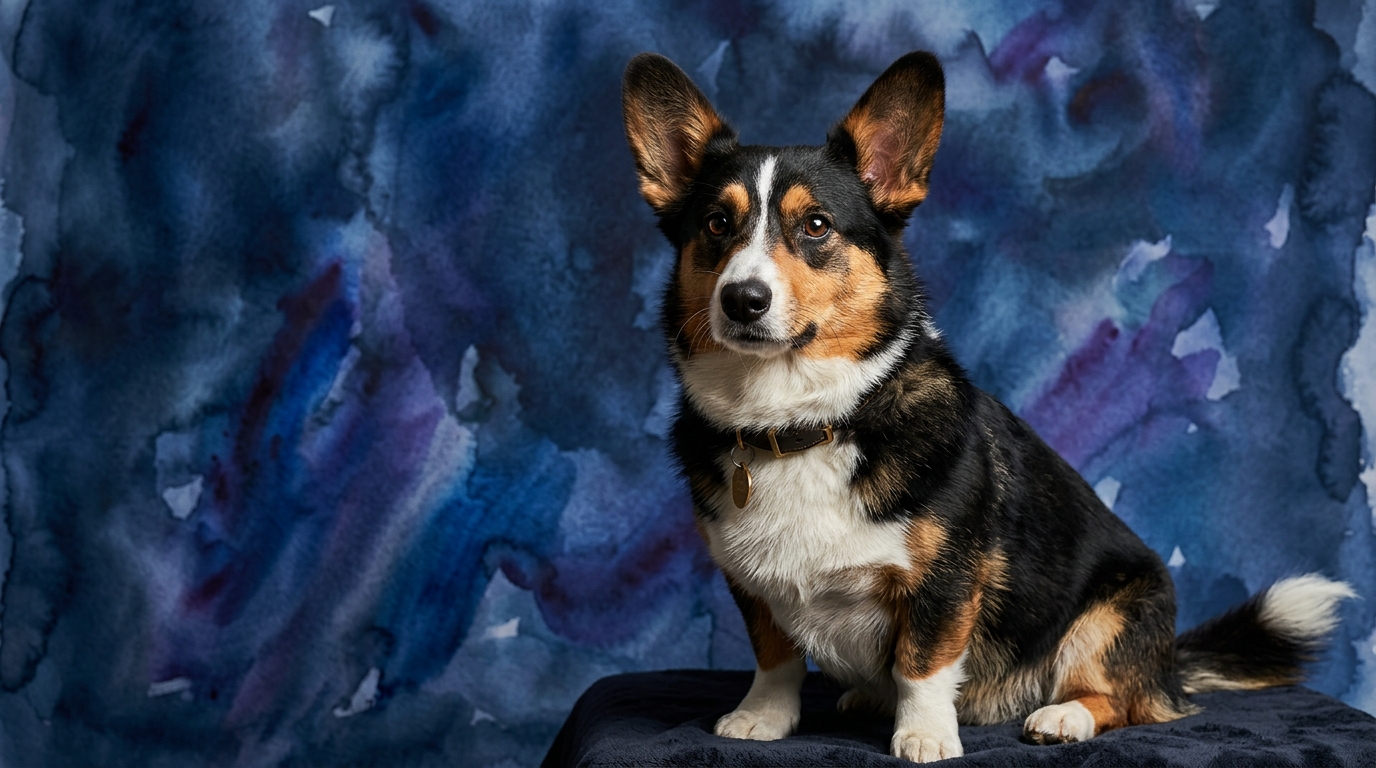
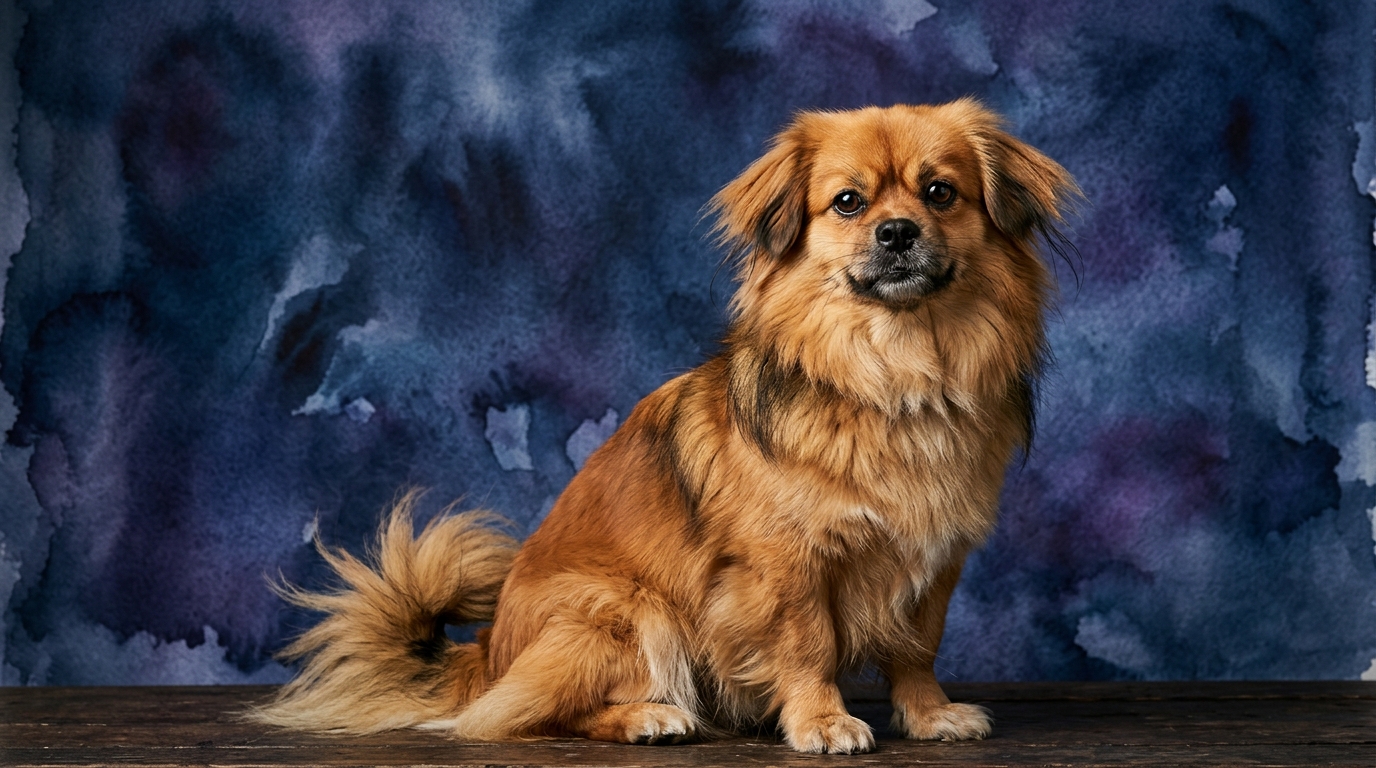
Side-by-Side Cognitive Profiles: Cardigan Welsh Corgi vs. Tibetan Spaniel
At The Cosmic Pet Pet IQ Lab, we delve into five key dimensions to understand a breed's cognitive make-up. For the Cardigan Welsh Corgi, ranked #26 in Coren's intelligence scale, their herding legacy is evident across their profile. Their Problem Solving is rated 4/5, reflecting a strong capacity for independent strategic thought, often figuring out how to manipulate objects or situations to achieve a goal, much like managing livestock. Training Speed is also 4/5, indicating they grasp new commands with impressive alacrity, requiring fewer repetitions due to their eagerness to work. Social Intelligence stands at 3/5; they are attuned to their family's moods but might prioritize their own agenda or display independent decision-making, a remnant of their herding independence. Their Instinctive Drive, at 3/5, manifests as a desire to gather, chase, and control, providing a strong internal motivation. Finally, their Memory is 4/5, showcasing a robust recall for commands, routines, and experiences over time.
The Tibetan Spaniel, not specifically ranked by Coren, presents a different cognitive blueprint, shaped by centuries as monastery companions and watchdogs. Their Problem Solving is 3/5; they approach challenges with a blend of observation and cautious experimentation, often assessing a situation from a vantage point before acting, reflecting their historical role as 'little lions' observing from high walls. Training Speed is 3/5, meaning they learn at a steady pace but often require more patience and positive reinforcement, as their independent streak might make them consider commands on their own terms. Social Intelligence is 3/5; these dogs are highly attuned to their human companions' emotions, forming deep bonds and showing a nuanced understanding of family dynamics, though they can be reserved with strangers. Their Instinctive Drive is 3/5, primarily focused on companionship and surveillance, possessing a natural inclination to guard their territory and alert their family to perceived threats. Memory is 3/5, as they retain learned information, routines, and familiar faces well, though they might need occasional refreshers for less frequently used commands.
Where the Cardigan Welsh Corgi Excels Cognitively
The Cardigan Welsh Corgi clearly takes a cognitive lead in areas demanding quick analytical thought and rapid skill acquisition. Their problem-solving score of 4/5, compared to the Tibetan Spaniel's 3/5, underscores their superior capacity for independent strategic thinking. This isn't just about figuring out puzzle toys; it translates to their historical role in herding, where they had to make split-second decisions to manage livestock, often without direct human command. This innate ability to assess, plan, and execute solutions quickly is a hallmark of their herding intelligence. Furthermore, their training speed (4/5) and memory (4/5) are notably higher than the Tibetan Spaniel's (3/5 for both). This means a Cardigan will generally master new commands and complex sequences with fewer repetitions and retain that knowledge more reliably over time. Their eagerness to engage in structured learning, combined with a robust recall of learned behaviors, makes them particularly adept at advanced obedience, agility, or rally sports. Their herding drive, while rated similarly at 3/5, manifests as a proactive, goal-oriented energy that fuels their cognitive engagement in tasks.
Where the Tibetan Spaniel Shines Cognitively
While direct numerical advantages are less pronounced for the Tibetan Spaniel, their cognitive strengths lie in a different realm of intelligence, particularly their nuanced social awareness and observational acumen. Their social intelligence, rated 3/5, mirrors the Cardigan's, but it expresses itself with a distinct contemplative quality. Tibetan Spaniels excel at reading the subtle emotional cues of their human family, often acting as sensitive barometers of household moods. Their problem-solving (3/5) and instinctive drive (3/5) are geared towards vigilance and companionship; they are masters of strategic observation from a vantage point, a trait honed by centuries as monastery guardians. This isn't about actively manipulating the environment but rather about processing information and reacting appropriately to protect their chosen family. Their memory (3/5) is particularly strong for routines and the specific preferences of their people, allowing them to anticipate needs and maintain a harmonious household. While their training speed is 3/5, their learning style is often more about understanding the 'why' behind a command and choosing to comply, rather than simply executing a learned behavior on cue. This independent streak, while sometimes perceived as stubbornness, is a cognitive strength of self-reliance and discerning judgment.
Trainability: Cardigan Welsh Corgi vs. Tibetan Spaniel
Based on their IQ profiles, the Cardigan Welsh Corgi generally presents as the easier breed to train for traditional obedience and task-oriented learning. Their training speed of 4/5 and strong memory (4/5) mean they typically grasp new commands and routines with fewer repetitions and retain them more consistently. Cardigans possess a natural biddability and an eagerness to engage in activities that channel their inherent herding drive. This drive, combined with their problem-solving abilities, makes them receptive to various training methods, including positive reinforcement for complex sequences like agility or advanced obedience. They often enjoy the collaborative aspect of training and thrive on having a 'job' to do, which translates into a more straightforward training experience for owners.
In contrast, the Tibetan Spaniel, with a training speed and memory both rated 3/5, requires a more patient and nuanced approach. Their independent spirit means they might not always see the immediate benefit of executing a command, and their learning is often contingent on their own assessment of the situation. While they are certainly capable of learning, their progress might be slower and require more consistent, highly rewarding motivation. They respond best to positive reinforcement and a trainer who understands their desire for self-determination, rather than expecting rote compliance. Their social intelligence makes them keen observers, but their decision to act on a command is often a thoughtful choice rather than an automatic response, which can be perceived as more challenging to train.
Owner Suitability: Active vs. Relaxed Lifestyles
For active owners seeking a canine partner for engaging activities, the Cardigan Welsh Corgi is often the more suitable choice. Their strong problem-solving skills, rapid training speed, and inherent instinctive drive (3/5, but directed towards action) mean they thrive on mental and physical challenges. Owners who enjoy dog sports like agility, herding trials, rally obedience, or even extensive hiking will find a Cardigan eager to participate and excel. Their need for stimulation extends beyond just physical exercise; they require cognitive engagement to prevent boredom and channel their intelligent energy productively. A Cardigan without sufficient outlets for their mind and body can become restless or develop unwanted behaviors.
Conversely, the Tibetan Spaniel is an excellent match for more relaxed owners who appreciate a contemplative and affectionate companion. While they enjoy walks and playtime, their instinctive drive (3/5) is primarily focused on companionship and surveillance rather than intense physical exertion or complex tasks. They are content to observe the world from a comfortable lap or a high vantage point, offering quiet companionship and alert guardianship. Their social intelligence makes them sensitive to their owners' needs, and they are generally satisfied with moderate daily exercise coupled with plenty of quality time indoors. They are less demanding in terms of structured activity, preferring to be an integral, observant part of the family's daily rhythm.
The Verdict
Opt for a Cardigan Welsh Corgi if you seek a highly trainable, problem-solving companion eager for mental and physical challenges, excelling in dog sports or complex obedience tasks.
Choose a Tibetan Spaniel if you desire a sensitive, observant companion content with moderate activity, offering quiet affection and a watchful presence in a relaxed home environment.
🧠 Find Your Pet's IQ Score
Our Pet IQ Lab assessment covers 25+ tests across 5 cognitive dimensions — personalized to your breed.
Take the Full IQ Test →Frequently Asked Questions
Do Cardigan Welsh Corgis bark a lot?
Cardigans can be vocal, using their barks to alert their family to new arrivals or perceived threats, a remnant of their herding watchdog role. Consistent training from a young age can help manage excessive barking, channeling their communication instincts appropriately.
Are Tibetan Spaniels good with children?
Tibetan Spaniels are generally good with respectful, older children who understand how to interact gently with a small dog. Their sensitive nature means they prefer calm interactions and may retreat from overly boisterous play, making supervision important.
What are the key differences in grooming for these breeds?
Both breeds have double coats that require regular grooming, but the Tibetan Spaniel's coat is generally longer and silkier, particularly on the ears and tail, necessitating more frequent brushing to prevent mats. Cardigans have a dense, weather-resistant double coat that sheds seasonally and benefits from regular brushing to remove loose hair.